- Borough
- Manhattan, New York City
- Location
- Southern tip of the island
- Streets
- Older, named and irregular
- Known for
- Wall Street, harbor, 9/11 Memorial
What the Financial District is
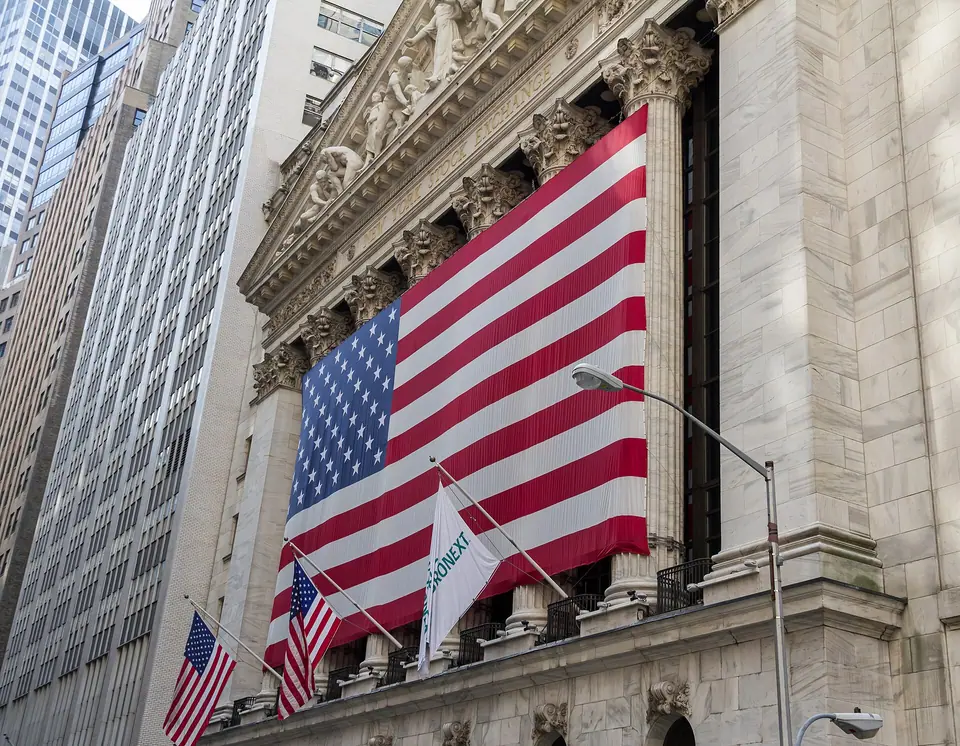
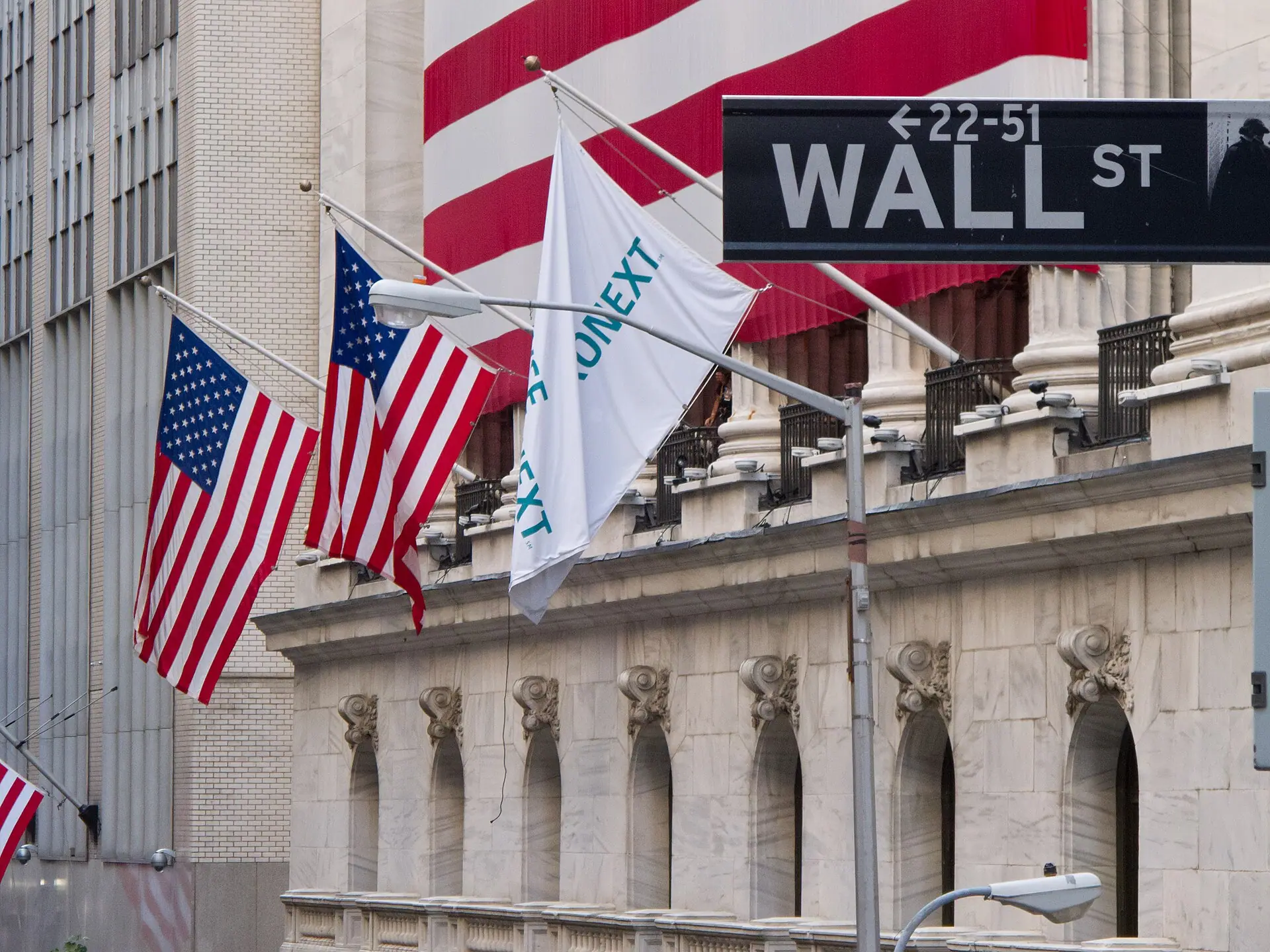
The Financial District fills the southern tip of Manhattan, the wedge of island where the Hudson River meets the East River and the harbor opens to the south. It is the oldest settled part of the borough and the part that ignores the grid: below 14th Street, streets are older, named and irregular, and Broadway cuts across them on a diagonal. Wall Street runs east from Broadway toward the river, and the lanes around it are narrow enough to hold wind and shadow.
The neighborhood's character comes from that layering. Nineteenth-century banking halls with stone columns stand beside glass towers, and streets that once handled ships and cargo now handle commuters. On weekdays the pavements are crowded from early morning until the evening exodus. At weekends the same streets empty out, and the memorial, the waterfront and the ferries take over. Few parts of Manhattan change mood so sharply between a Tuesday lunchtime and a Sunday morning.
What to see and do
The 9/11 Memorial is the anchor of the neighborhood's western side. The two reflecting pools are free to visit; the museum beside them is ticketed. One World Trade Center rises next to the site, and its observatory on floors 100 to 102 looks straight down the island. A few blocks east, Wall Street and the lanes around it hold the churchyard at Trinity Church, Federal Hall and rows of banking halls built to look permanent.
South of all this, Battery Park faces the harbor. The Staten Island Ferry leaves from Whitehall Terminal at the southern tip of Manhattan and passes the Statue of Liberty on a crossing of about 25 minutes. It is free, and it works as a harbor trip in its own right. Ferries to the Statue of Liberty and Ellis Island are ticketed and leave from Battery Park. The walk to the Brooklyn Bridge approach is short.
- The 9/11 Memorial pools are free to visit; the museum beside them is ticketed.
- Take the Staten Island Ferry from Whitehall Terminal for a free crossing past the Statue of Liberty.
- Walk the Brooklyn Bridge early, before the pedestrian path fills with crowds.
- Spend an hour on the Battery Park City esplanade, where the Hudson opens to the west.
Eating and evenings
Daytime eating here follows the office calendar. Expect counters and cafés that open early for breakfast, sandwich and salad places that fill at one o'clock, food halls with several kitchens under one roof, and steakhouses and seafood rooms near the water where a reservation helps at peak times. Many weekday places keep office hours, so a Saturday or Sunday visit can find shutters down. Check opening days before you set out.
Evenings are a different neighborhood. After the offices empty, the streets around Wall Street go quiet and the life moves to the waterfront, to hotel bars and to rooftop bars with harbor views. This is not the part of Manhattan for late, loud nights: Times Square is about 3.7 miles (6 km) north. If you want a show and a late dinner, plan on the subway or a ride back rather than a short walk.
A walk through the district
A simple route starts at City Hall Park, where the Brooklyn Bridge approach begins, and heads south on Broadway into the financial streets. Turn west toward the 9/11 Memorial, spend time at the pools, then continue south to Battery Park and the harbor. From there the Battery Park City esplanade runs north beside the Hudson, past the marina and small gardens, and brings you back toward the World Trade Center site.
The loop is easy on foot, and it rewards stops rather than speed. Streets below 14th Street bend and change name, so a map on your phone helps. Weekday lunchtime is the busiest window; a weekend morning gives you the memorial, the waterfront and the bridge without the office crowds. Add the Brooklyn Bridge walk in the late afternoon if the weather holds.
- Start at City Hall Park, where the Brooklyn Bridge approach begins.
- Follow Broadway south into the narrow streets around Wall Street.
- Pause at the 9/11 Memorial pools, then continue to Battery Park.
- Return north along the Battery Park City esplanade beside the Hudson.
Who it suits, and who it does not
The Financial District suits first-time visitors who want the harbor, the memorial and the ferries within walking distance, and who like the idea of starting the day where the city began. It suits travelers working in the downtown towers, early risers, and anyone who prefers a quiet evening to a crowded street. Families often do well here: the waterfront is open, the streets are manageable and the ferry is a free outing.
It suits less well if your picture of Manhattan is late dinners, live music and a crowd on the pavement outside. Restaurant choice thins at weekends, the streets empty after dark, and Midtown sights such as Central Park and the Theater District are a subway ride away; Central Park at 59th Street is 4.4 miles (7.1 km) from here. Travelers who want to step out of the lobby into evening life should look further north.
Getting around and picking a base
The subway runs 24 hours a day and several lines converge on the district, so Midtown, Brooklyn and the airports are reachable without a car. Fares are paid by tapping a contactless card or phone at the turnstile. The MetroCard is being phased out, so tap to pay where you can. Check service changes with the MTA before a late trip, because weekend engineering work can reroute trains and close entrances.
JFK is 13 miles (21 km) away and is usually reached by AirTrain to Jamaica for the LIRR or the E, J and Z subway, or to Howard Beach for the A train. Newark Liberty is 8.6 miles (13.9 km) away, with AirTrain to the Newark Liberty International Airport station and then NJ Transit or Amtrak to Penn Station. LaGuardia is 8.6 miles (13.9 km) away and closest by road; the free Q70 LaGuardia Link bus connects to the subway. Journeys from Midtown to JFK or Newark are typically 45 to 75 minutes depending on traffic and connections.
Choosing a base here is mostly a question of timing. Check the total price with taxes and fees: New York City hotel bills add state and city taxes and a per-night occupancy charge, and some hotels add a facility or destination fee on top. Ask about weekend opening hours nearby and about the walk to the nearest subway entrance before you commit.
The Financial District at Manhattan's southern tip: questions
Is the Financial District a good base for a first visit to Manhattan?
Yes, if you want the harbor, the 9/11 Memorial, the ferries and the Brooklyn Bridge within walking distance, and you do not mind quiet evenings. The Financial District is less convenient for Central Park, the Theater District and Midtown shopping, which are a subway ride north. It suits a first visit best when the trip mixes sightseeing with early nights.
What can you see for free in the Financial District?
The two reflecting pools at the 9/11 Memorial are free, and so are Battery Park, the waterfront esplanade and the walk across the Brooklyn Bridge. The Staten Island Ferry from Whitehall Terminal costs nothing and passes the Statue of Liberty. The memorial museum, the ferries to the Statue of Liberty and Ellis Island, and the observation decks are ticketed.
How do you get to the Financial District from JFK?
Take the AirTrain from JFK to Jamaica, then the LIRR or the E, J and Z subway toward the Financial District, or take the AirTrain to Howard Beach for the A train. Journeys from Midtown to JFK are typically 45 to 75 minutes depending on traffic and connections. Check current service with the MTA before you travel.
What is the Financial District like in the evening?
Quiet. Once the offices close, the streets around Wall Street thin out and the Financial District turns to the waterfront, hotel bars and a few rooftop bars with harbor views. Restaurant choice narrows at weekends. For late dinners, live music and crowded pavements, plan on the subway to Midtown or Greenwich Village rather than a walk.
How far is the Financial District from Times Square and Midtown?
Times Square is about 3.7 miles (6 km) north of the Financial District, and Grand Central Terminal is about 3.6 miles (5.8 km) away. The subway covers the gap in a few stops, and several lines serve the district. Walking is possible for the very fit, but most visitors take the train for Midtown sights such as Central Park, 4.4 miles (7.1 km) away.
When is the best time of year to visit the Financial District?
Spring, from April to June, and autumn, from September to November, are the mildest seasons in the Financial District. Autumn color in Central Park usually peaks in early to mid November. December is the busiest holiday period and January to early March is usually the quietest. Wind off the harbor can make the waterfront feel cool.
Is the Financial District walkable, and how do you get around?
Yes. The Financial District is compact and mostly flat, and the memorial, Battery Park, the ferry terminal and the Brooklyn Bridge approach are all within a walk of each other. Streets below 14th Street are irregular, so a map helps. The subway runs 24 hours a day and fares are paid by tapping a contactless card or phone.
Does the Financial District suit families with children?
Often, yes. The waterfront gives children room to move, the Staten Island Ferry is a free outing, and the streets are quieter in the evening than in Midtown. Older children tend to get more from the memorial and the harbor history. Check opening days for weekday places at weekends, and dress for wind off the water.