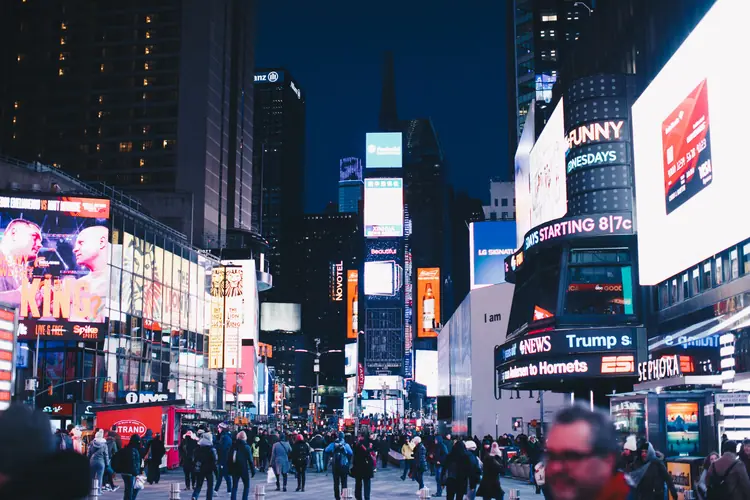
Best for a first visit
Midtown
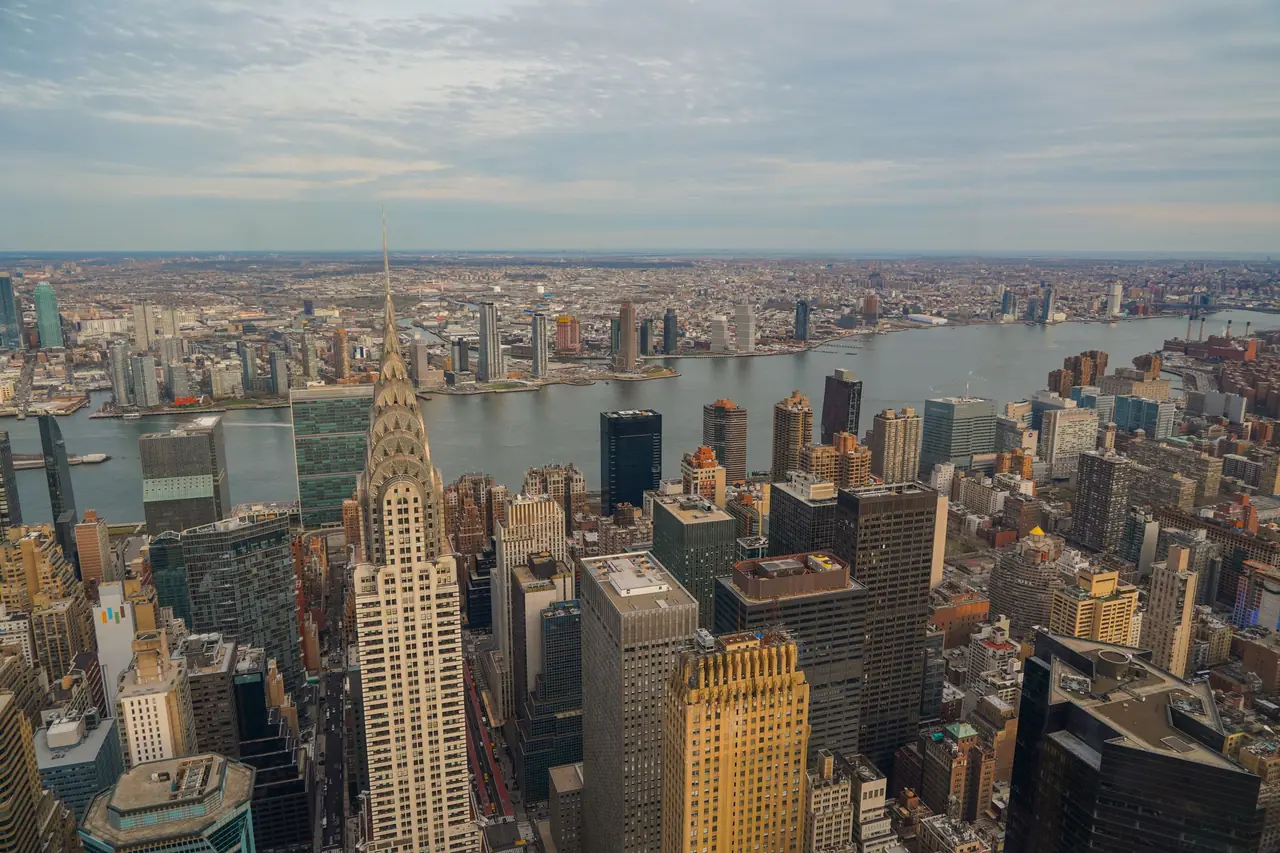
Times Square, Rockefeller Center and Grand Central. The most rooms and choice.
Read the full guide →Start with what you’ll do most. First-timers who want to tick off landmarks should stay in Midtown; anyone who’d rather eat and wander should look downtown at the West Village, SoHo or Chelsea. Families and museum lovers do well uptown, near Central Park. For a quieter base with fast trains, look at Harlem or the Financial District.
Above 14th Street, Manhattan is a grid: avenues run north–south, numbered streets run east–west, and Fifth Avenue divides East from West. Twenty street blocks are roughly a mile. Below 14th Street the grid breaks into older, named streets — beautiful to get lost in, harder to navigate without a map.
The subway connects every neighborhood on this page. Express trains cover the island quickly — Harlem to Midtown in about 20 minutes, Midtown to the Financial District in about 15 — so you don’t need to stay next to everything you want to see.
Midtown, for its location. If you’d prefer a neighborhood feel, Chelsea and the West Village are central and calmer.
Harlem is a lively residential neighborhood with plenty of hotels, restaurants and visitors. Use the same city sense you would anywhere in New York.
Downtown has more character and better restaurants on your doorstep; Midtown has more hotels, more choice at every price and shorter trips to the big sights.
The neighborhood names used here follow New York City Department of City Planning Neighborhood Tabulation Areas from 2020 where possible. Other maps and local usage may draw boundaries differently, so a district can feel larger or smaller depending on the source. Use the names as practical guides for orientation, not as official borders.
In Manhattan, uptown means north and downtown means south. The terms work as directions and as loose labels for broad sections of the island. Street numbers generally rise as you go north, which helps with orientation. Use the terms for general direction, but check a map for the exact neighborhood you want.
Most of Manhattan north of 14th Street follows the Commissioners' Plan of 1811, with numbered streets running east-west and avenues running north-south. Below 14th Street, older streets in Greenwich Village, the West Village, SoHo, the Lower East Side and the Financial District are named and irregular. Broadway runs diagonally across the grid.
Midtown, Central Park, the Upper East Side, the Upper West Side, Greenwich Village, SoHo and the Financial District are practical starting points. Distances can still be long, so group nearby sights and use the subway for longer hops. Check opening days and timed entries before setting out, as museums and attractions vary.
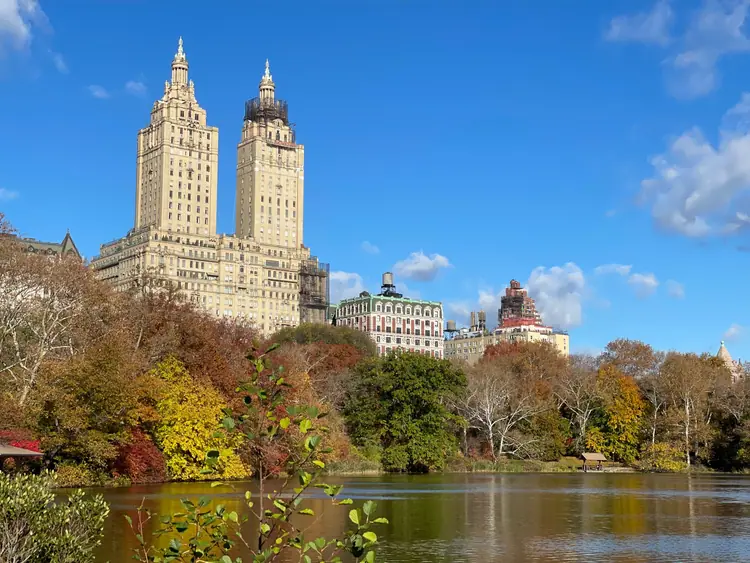
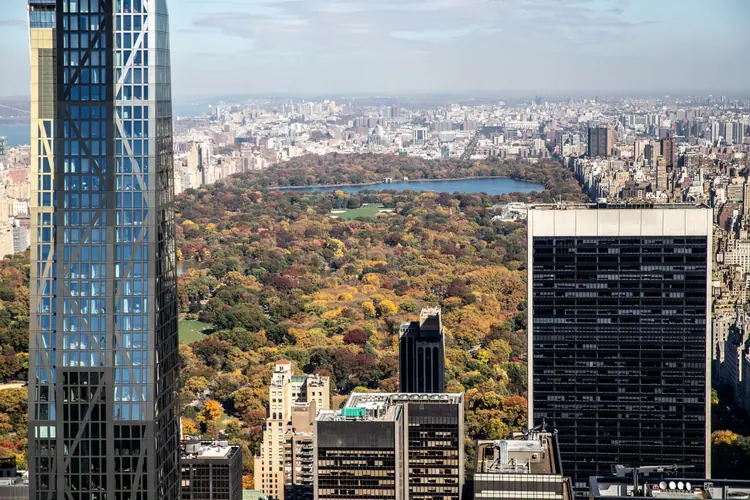
Central Park is a large central park between 59th and 110th Streets and Fifth Avenue and Central Park West. It is free to enter. The High Line is an elevated park on the West Side from Gansevoort Street to West 34th Street. Both are popular, so visit early or outside peak hours.
Manhattan is one of the five boroughs of New York City and is coextensive with New York County. It is an island between the Hudson River to the west, the East River to the east and the Harlem River to the north-east. It covers about 22.7 square miles.
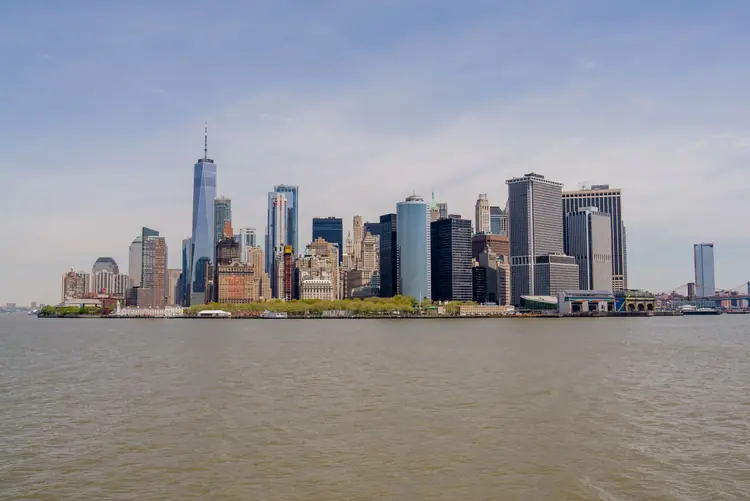
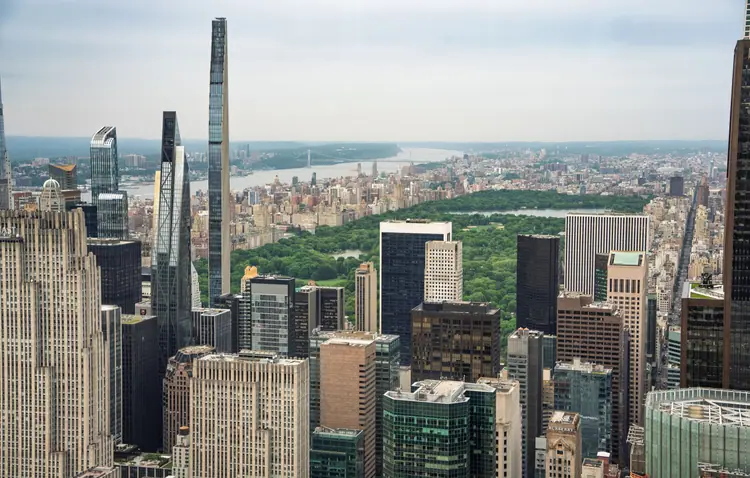
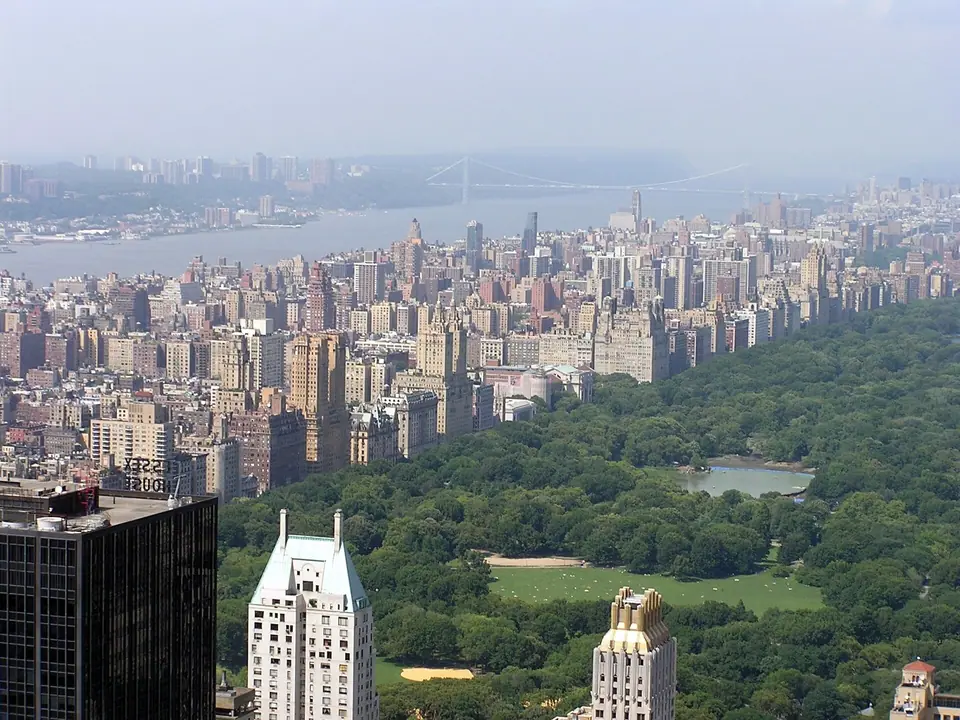
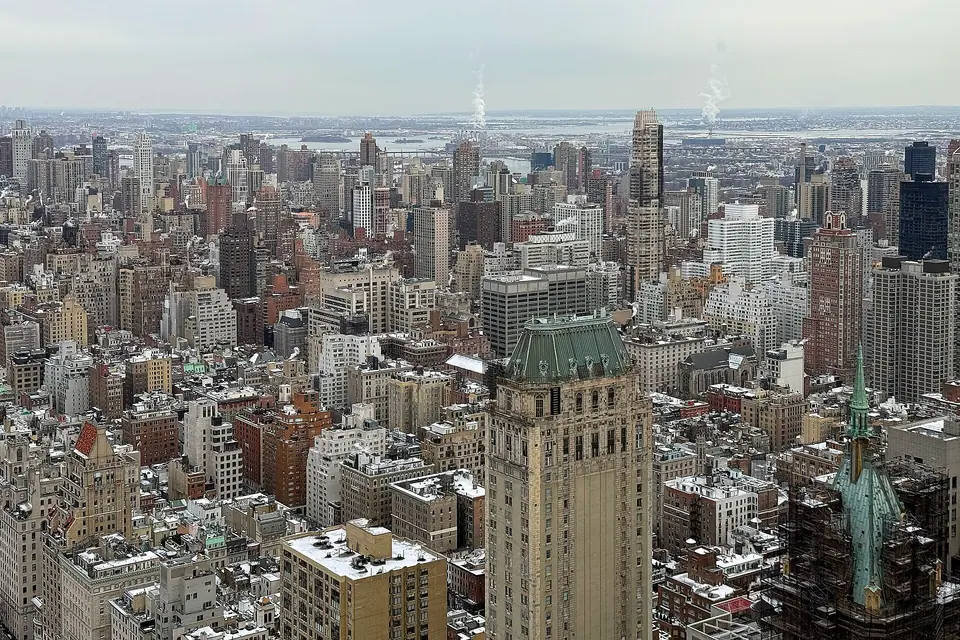
Photo credits: Lea Renner on Pexels; jimmy teoh on Pexels; Following NYC on Pexels; Richa W-Fryatt on Pexels; Christian Konopatzki on Pexels; Louis on Pexels; Kai Pilger on Pexels; Roland Wasscher / Pexels; Andres Figueroa / Pexels; Nmattson10 at English Wikipedia, Public domain, via Wikimedia Commons; Quintin Soloviev, CC BY 4.0, via Wikimedia Commons; Momos, Public domain, via Wikimedia Commons.