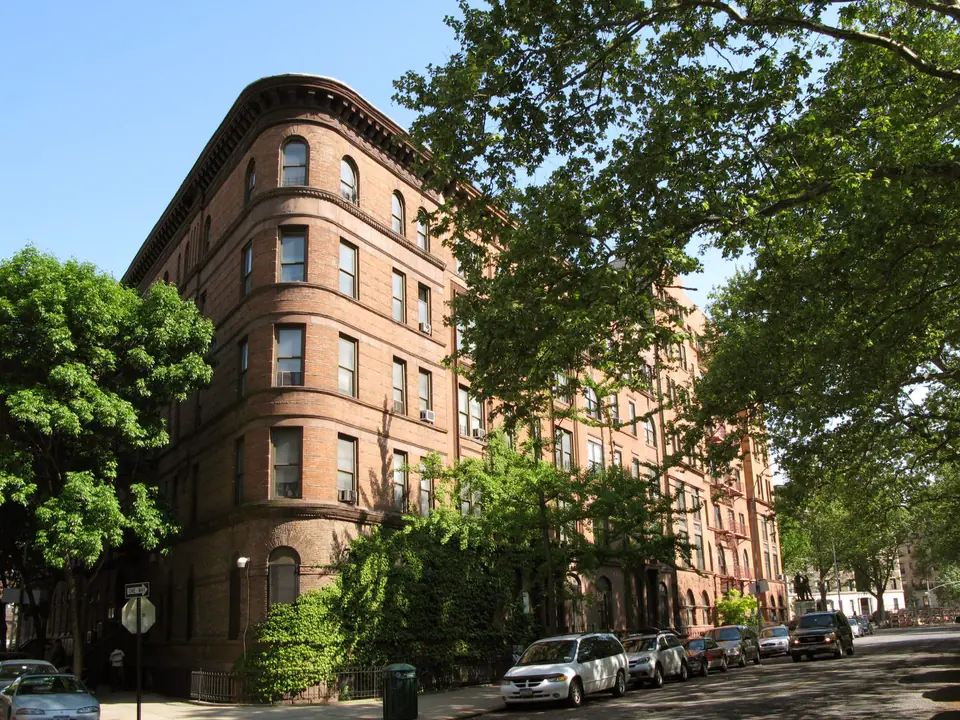
- Neighborhoods
- Harlem, East Harlem, Hamilton Heights and more
- Landmark
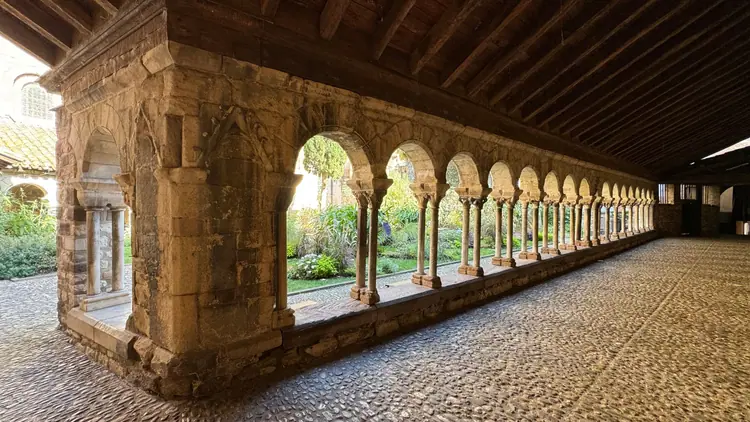
- The Cloisters in Fort Tryon Park
- Transit
- Subway and buses serve the whole zone
- Terrain
- The island's highest ground
What the zone feels like
Upper Manhattan begins where the grid meets the hills. North of Central Park the city changes pace: the blocks are longer, the buildings lower in places, and the streets carry the everyday business of people who live there rather than visit. Harlem alone covers a large stretch of the island between the park and the Harlem River, with 125th Street as its commercial spine. The zone takes in five distinct neighborhoods, each with its own center of gravity, and a visitor who treats them as one place will miss most of what makes the area worth a day or two.
History sits close to the surface. Harlem became the center of Black American cultural life in the early twentieth century, and the churches, theaters and brownstone blocks of that era still shape the streets. East Harlem, known as El Barrio, holds a long Puerto Rican heritage and a strong Mexican presence today, visible in murals and food. Further north the neighborhoods take on a quieter, more residential tone, with university campuses, large churches and rows of houses climbing toward the Hudson. The result is a zone of contrasts within a few subway stops.
How the neighborhoods differ
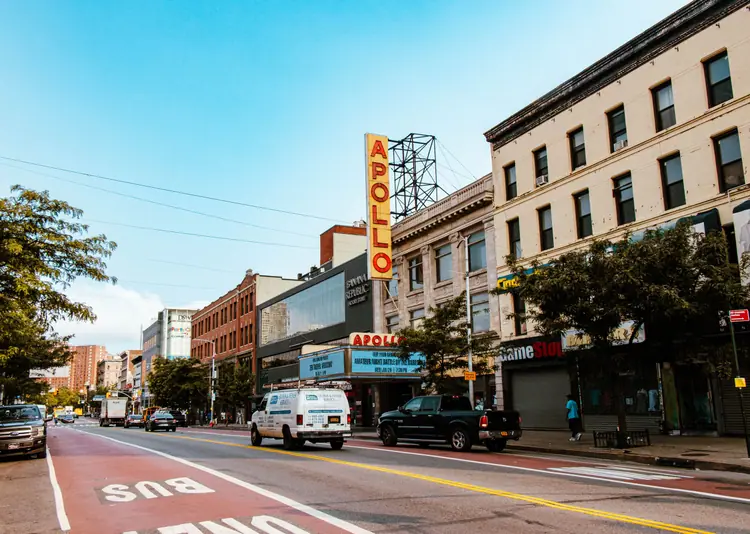
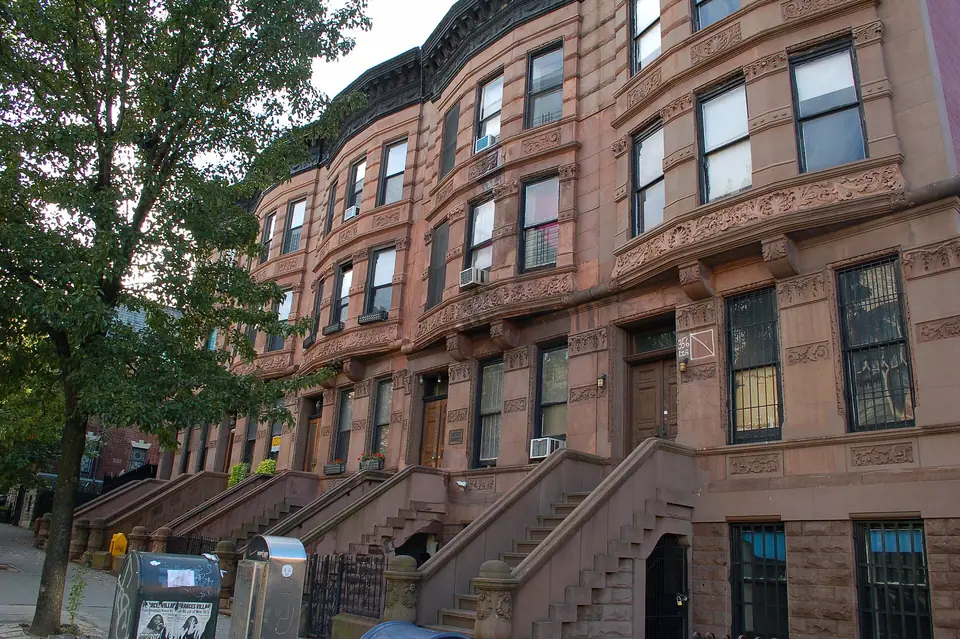
Harlem is the largest of the five and the one most visitors come for. 125th Street is its main commercial artery, with the Apollo Theater among its landmarks and side streets of brownstones running east and west of it. Sunday gospel services draw visitors to several churches; check times and visitor rules with each church before you go, and remember these are working congregations. East Harlem, east of Fifth Avenue and north of the park's Upper East Side edge, is El Barrio, with murals, Puerto Rican and Mexican cooking, and the upper stretch of Museum Mile.
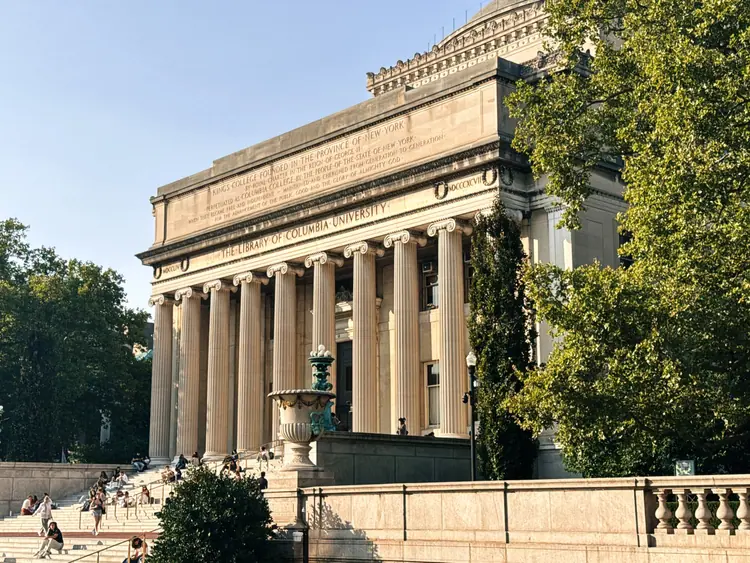
Morningside Heights sits west of the park's north end and feels like a campus quarter, with Columbia University, the Cathedral of St. John the Divine and Riverside Church within a few blocks of one another. Hamilton Heights, above it, holds the row houses of Sugar Hill, the City College campus and Hamilton Grange. Washington Heights is the island's high ground: Fort Tryon Park, the Cloisters museum at its top, and Dominican cooking along St. Nicholas Avenue. The three share steep streets and long views across the Hudson.
- Harlem holds 125th Street, the Apollo Theater and long stretches of brownstone blocks.
- East Harlem, or El Barrio, brings murals, Puerto Rican and Mexican food and the top of Museum Mile.
- Morningside Heights gathers Columbia University, the Cathedral of St. John the Divine and Riverside Church.
- Hamilton Heights pairs Sugar Hill row houses with City College and Hamilton Grange.
- Washington Heights carries Fort Tryon Park, the Cloisters and Dominican food along St. Nicholas Avenue.
Getting around and distances
Every neighborhood in the zone is served by the subway, and the ride north from Midtown is straightforward: express trains run up the west and east sides of the island and stop through Harlem and Washington Heights. Buses fill the gaps between lines, particularly on the cross streets and along the avenues that climb the ridge. Fares are paid by tapping a contactless card or phone at the turnstiles, and the system runs around the clock. Check the current service changes with the MTA before a late-night trip, since weekend work can alter routes.
Distances are deceptive on a map. The zone runs from the top of Central Park to the Harlem River and the northern tip of the island, and walking between neighborhoods takes longer than the grid suggests because the land rises. Columbia University to 125th Street in Harlem is a reasonable walk; Harlem to the Cloisters is not, so plan on the subway or a bus for the long hops. Within Harlem, and within Washington Heights, most sights sit close enough to link on foot.
Sights in the zone
The Cloisters, the Metropolitan Museum's branch for medieval art, sits at the top of Fort Tryon Park and is the zone's single biggest draw, with gardens, cloisters and views over the Hudson. Fort Tryon Park itself is free and worth an hour, particularly when the leaves turn. In Morningside Heights the Cathedral of St. John the Divine and Riverside Church are both open to visitors between services. Hamilton Grange, the former home of Alexander Hamilton, is a small national monument in Hamilton Heights. The Apollo Theater runs tours and shows.
East Harlem holds the upper end of Museum Mile, where Fifth Avenue meets the park, and its side streets carry public murals. Gospel services at Harlem churches are a Sunday fixture; visitors are welcome at some, but check the schedule and the house rules with the church first. Further afield, the big sights of the park's edge are a short ride south: Central Park, the Metropolitan Museum of Art and the American Museum of Natural History all sit along the zone's southern border.
- The Cloisters and Fort Tryon Park sit at the top of Washington Heights.
- The Cathedral of St. John the Divine and Riverside Church anchor Morningside Heights.
- Hamilton Grange and the Sugar Hill row houses reward a walk through Hamilton Heights.
- Harlem's 125th Street holds the Apollo Theater and the neighborhood's main shopping stretch.
- East Harlem's murals and the upper end of Museum Mile sit along Fifth Avenue.
Who should stay here
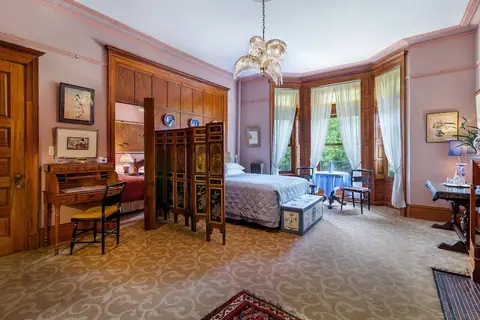
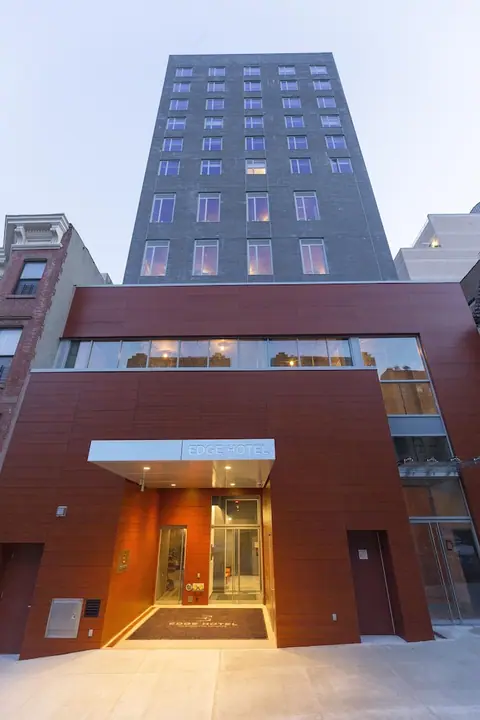
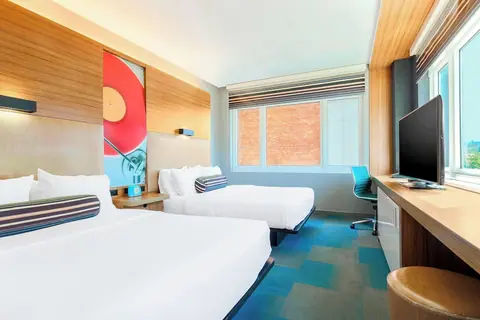
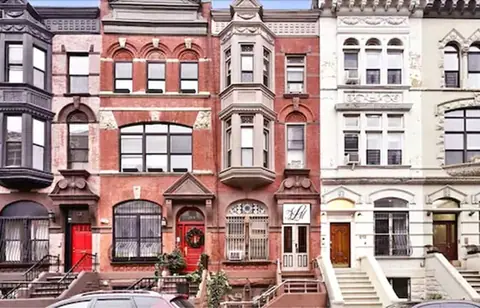
Travelers who want a quieter base with easy subway access to Midtown do well north of the park. Hotel rooms are scarce compared with Midtown, so most visitors stay downtown or in the Theater District and come up for a day; those who do book locally tend to be repeat visitors, students and people with family in the area. The trade-off is distance: a Harlem base puts the big Midtown sights a subway ride away rather than a walk, and late evenings mean longer trips home. Check the total price with taxes and fees before booking.
Washington Heights, at the top of the island, suits longer stays and anyone who values the Cloisters, the park and the Hudson over proximity to Times Square. Morningside Heights works for academic visitors and families drawn to the campuses. East Harlem is the least hotel-oriented of the five and rewards a daytime visit for food and murals. Wherever you stay, weigh the walk from the subway: some blocks north of 125th Street are steep, and a few minutes on a map can be a climb.
Keep reading
Harlem and Upper Manhattan: questions
Which neighborhoods make up Harlem and Upper Manhattan?
The zone covers five neighborhoods north of Central Park: Harlem, East Harlem, Morningside Heights, Hamilton Heights and Washington Heights. Harlem runs from the park to the Harlem River, East Harlem sits to its east, and the other three climb the ridge along the Hudson up to Fort Tryon Park and the Cloisters at the top.
How do you reach Harlem and Upper Manhattan from Midtown?
Subway lines run north from Midtown up both the west and east sides of the island, stopping through Harlem and on to Washington Heights. Buses cover the cross streets and avenues above the park. Pay by tapping a contactless card or phone at the turnstile. Service changes happen, especially at weekends, so check the current status with the MTA before a late trip.
Is the Cloisters inside Harlem and Upper Manhattan?
Yes. The Cloisters, the Metropolitan Museum of Art's branch for medieval art, stands at the top of Fort Tryon Park in Washington Heights. The park is free to enter and the museum is ticketed, so an entry fee applies. Check opening days with the Metropolitan Museum of Art before you go, since hours change by season.
Can visitors attend gospel services in Harlem and Upper Manhattan?
Several churches in Harlem and Upper Manhattan welcome visitors to Sunday services, and the music is the draw for many. These are working congregations rather than performances, so dress modestly, arrive early, stay for the whole service and follow any photography rules. Confirm times and visitor arrangements with the individual church, since schedules and policies vary and change.
How much time should you allow for Harlem and Upper Manhattan?
Allow a full day for Harlem alone and a separate half day for the northern heights. The zone is large and hilly, and travel between neighborhoods eats into sightseeing time. A common split is one day for 125th Street, the brownstones and a gospel service, and another for Fort Tryon Park, the Cloisters and the streets of Washington Heights.
Where are the views in Harlem and Upper Manhattan?
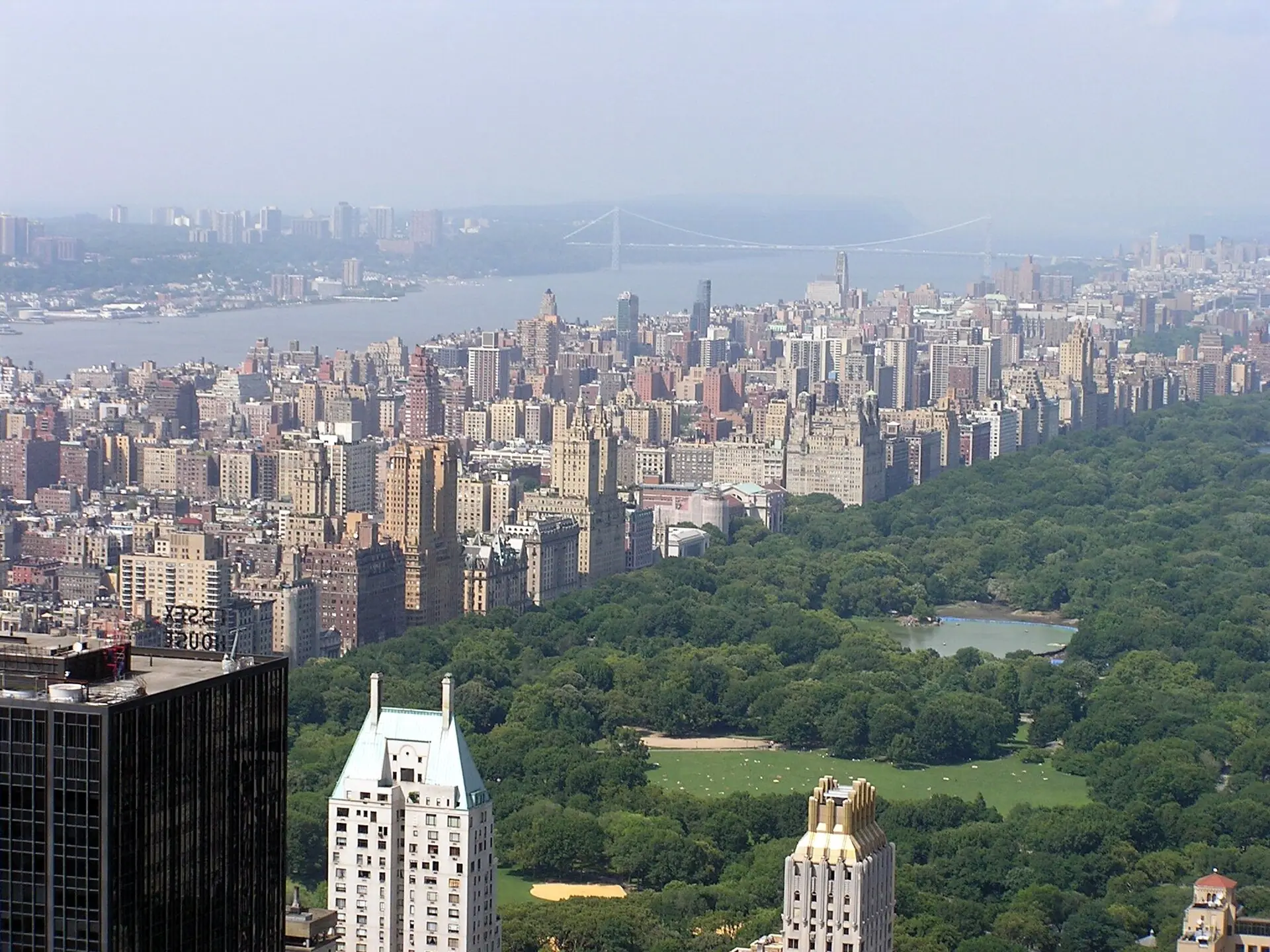
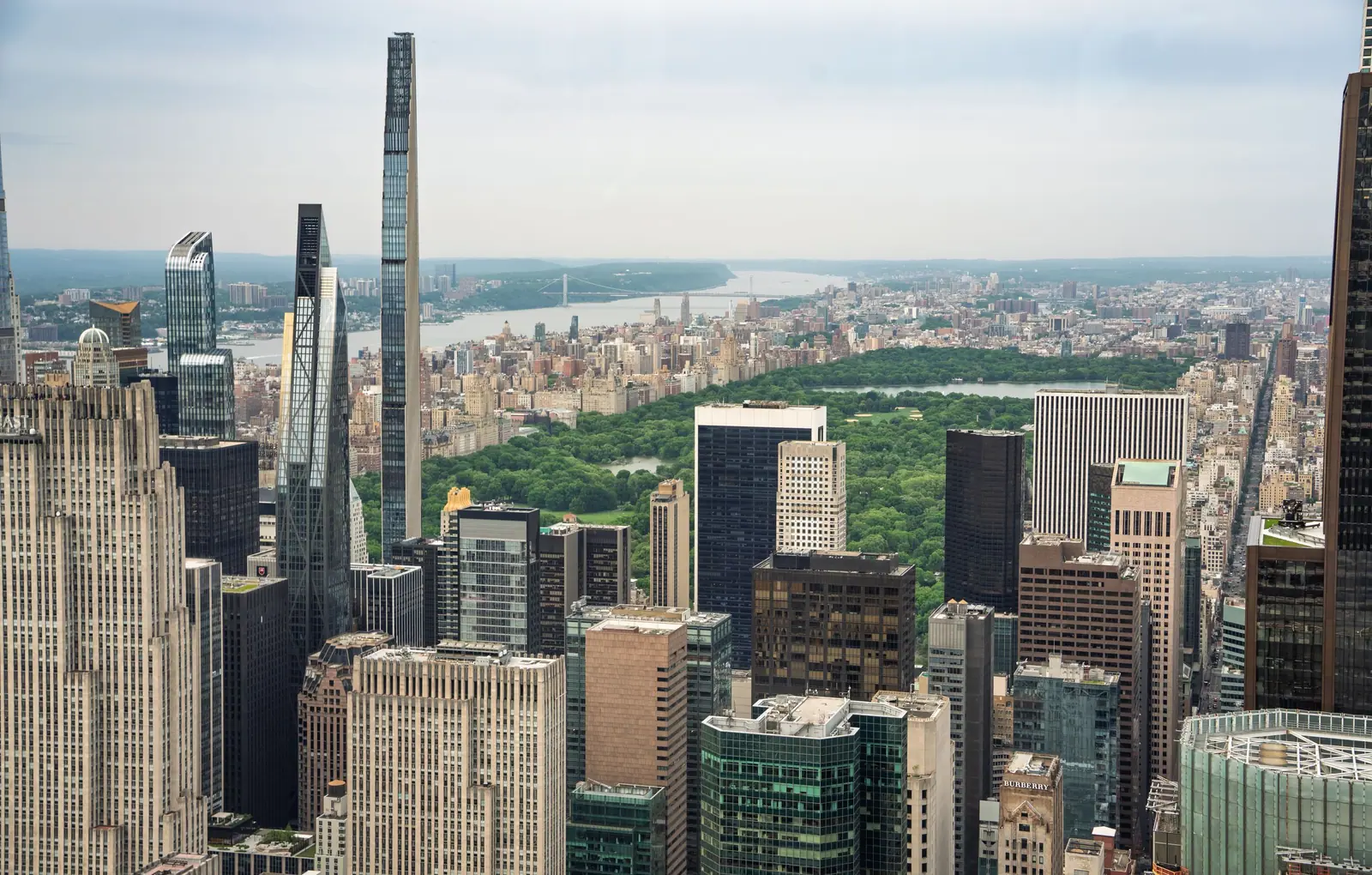
The ridge through Washington Heights and Hamilton Heights gives long views west across the Hudson, and Fort Tryon Park has open ground above the river. Riverside Church's tower and the streets around Morningside Heights look south and west. Observation decks with the classic skyline views are all well south of the zone, in Midtown and the Financial District.
Is Harlem and Upper Manhattan a good area to stay in?
It suits travelers who prefer a quieter base and do not mind a subway ride to the Midtown sights. Hotels are fewer than in Midtown, and some add facility fees, so check the total price with taxes and fees. Anyone who wants to walk to the Theater District or the big museums should stay farther south and visit the zone by day.
What is there to see near Harlem and Upper Manhattan?
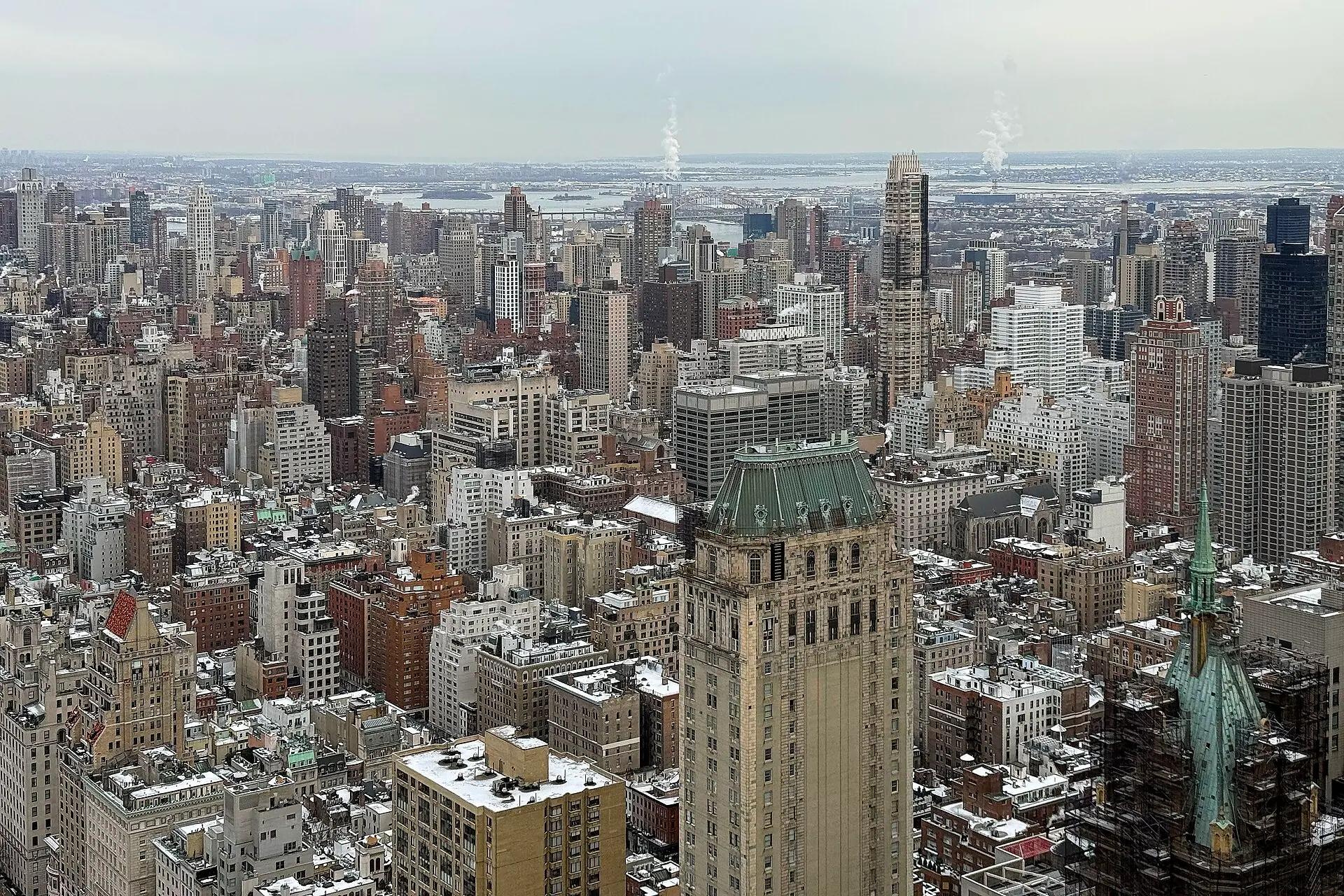
The zone's southern edge is the top of Central Park, with the Metropolitan Museum of Art and the American Museum of Natural History close by. Farther south are the Museum of Modern Art, Broadway and the Theater District, the Intrepid Museum on the Hudson, Grand Central Terminal and the Midtown observation decks. All are reachable by subway from Harlem.
Neighborhoods in Harlem and Upper Manhattan
Top-rated stays
 ★★★★ 4-star
 ★★★★ 4-star
 ★★★★ 4-star
 ★★ 2-star
 ★ 1-star
 ★★★ 3-star
 ★★★ 3-star
 ★★★ 3-star
 ★★★ 3-star
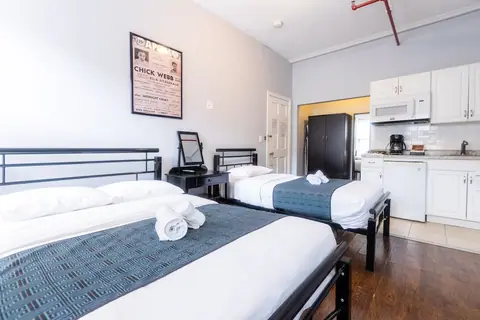 ★★ 2-star
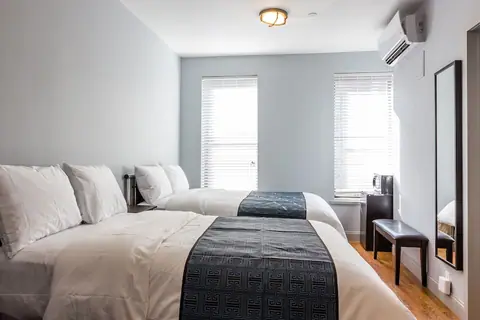 ★★★ 3-star
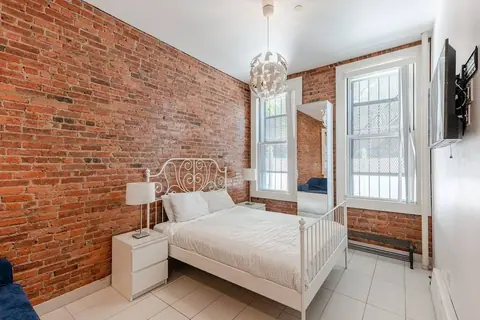 ★★ 2-star