- Bounds
- 14th Street to 59th Street
- Neighborhoods
- Chelsea, Times Square, Hell's Kitchen, Midtown East
- Main stations
- Grand Central, Penn Station, Port Authority
- Getting around
- Subway 24 hours, tap to pay
The shape of Midtown
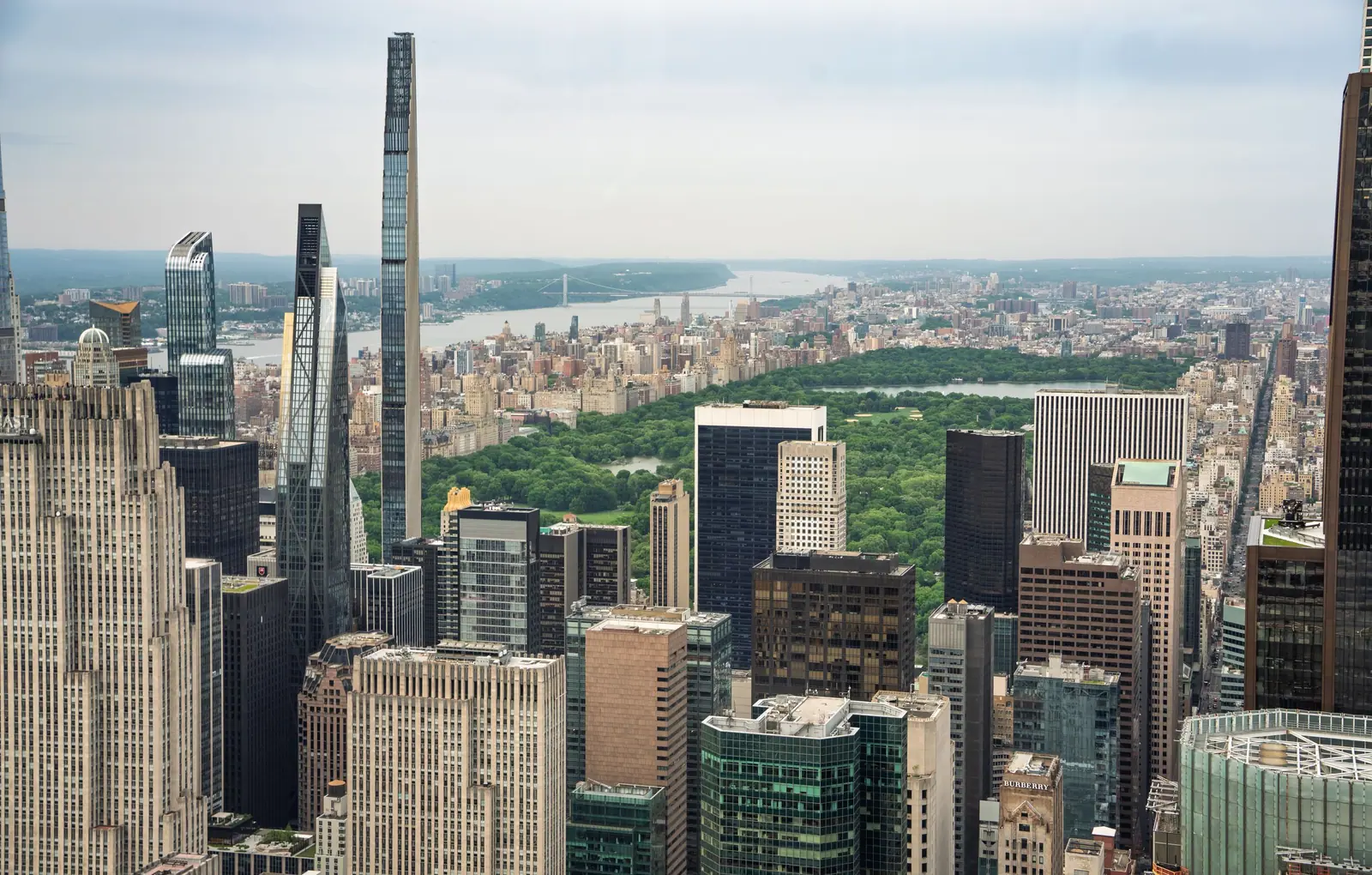
Midtown covers the grid between 14th Street and 59th Street, the stretch of Manhattan where the Commissioners' Plan of 1811 is easiest to read. Numbered streets run east to west, avenues run north to south, and Fifth Avenue divides East from West addresses. Broadway cuts diagonally across the pattern, and the triangles it leaves behind shaped the Flatiron, Herald Square and Times Square. Offices, shops, theaters, apartments and two of the busiest rail stations in the country sit within a few blocks of each other, and the Hudson and East Rivers close the zone on either side.
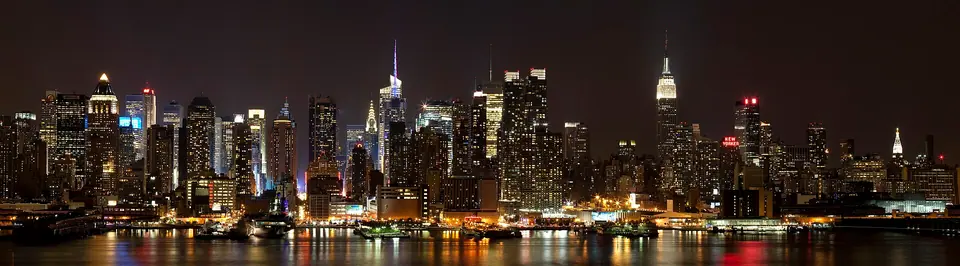
The zone is not uniform. West of Fifth Avenue the mood is commercial and fast, with office towers, department stores and the theater district. East of it, especially in Murray Hill, Kips Bay, Gramercy and Turtle Bay, side streets turn residential within a block or two, with brownstones, small gardens and quiet evenings. Chelsea and Hell's Kitchen mix the two, holding galleries, restaurants and apartments alongside the busiest through routes. A visitor can cross from crowds to calm in a five-minute walk, which is one reason to plan by street rather than by district.
How the neighborhoods differ
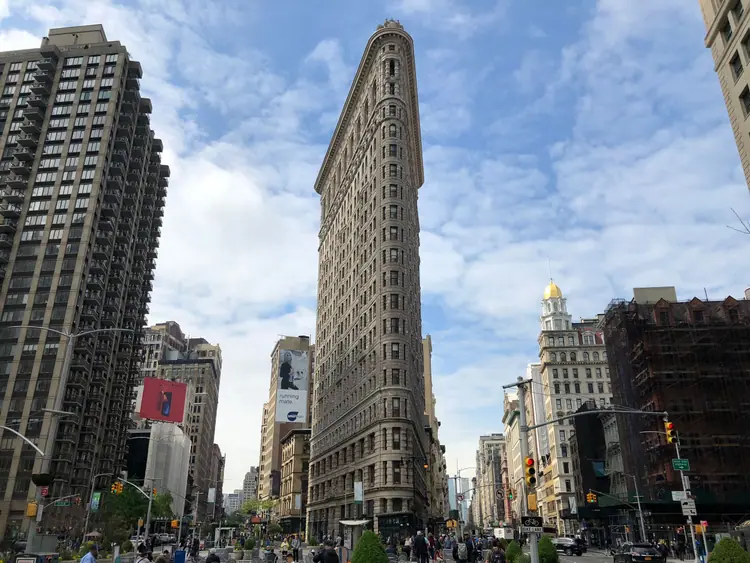
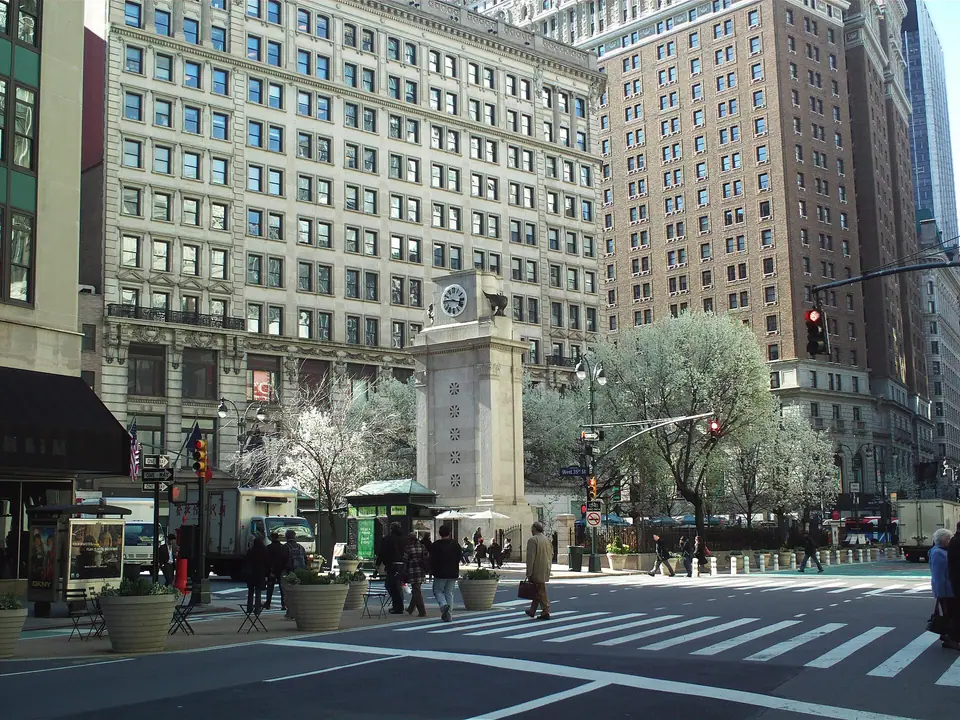
Start in Chelsea, where the gallery district, the High Line and Chelsea Market sit within a few blocks and the towers of Hudson Yards close the view to the north. The Flatiron and Union Square follow, with the Flatiron Building, Madison Square Park and the greenmarket that fills Union Square on market days. Gramercy is quieter: leafy residential blocks around a private park, Irving Place and Stuyvesant Square. Each area is small enough to cross on foot in an afternoon, so treat them as stops on one walk rather than separate trips.
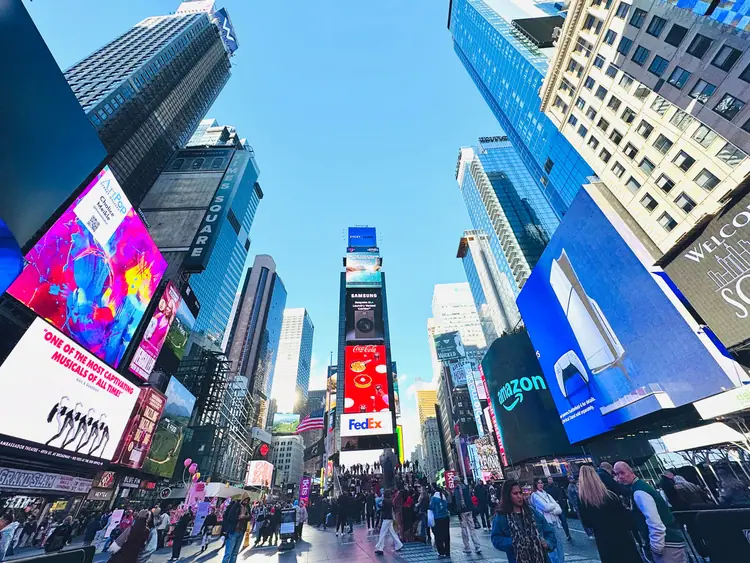
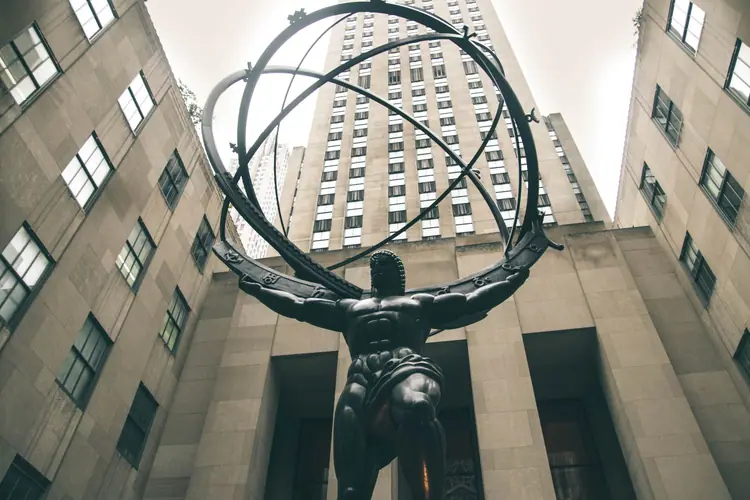
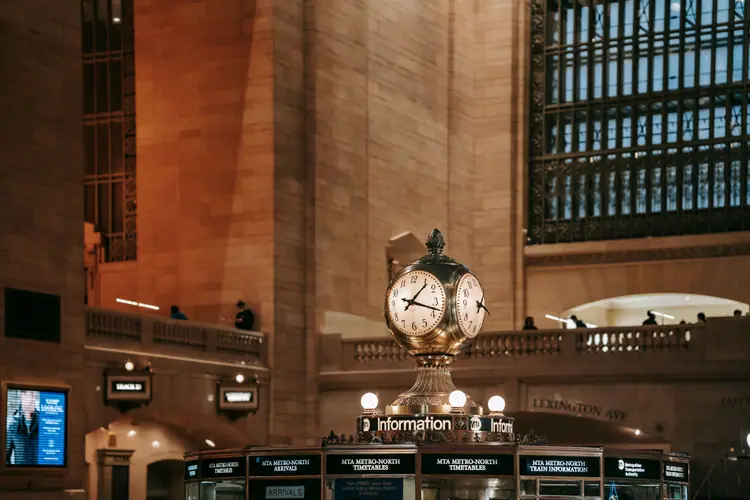
North and east of 34th Street the tone changes again. Herald Square and Penn Station carry Koreatown, the Empire State Building, Madison Square Garden and the trains of Penn Station. Times Square is theater and neon around Seventh Avenue and Broadway; Fifth Avenue and Rockefeller Center add St. Patrick's, the Museum of Modern Art and the shops that run to Central Park South. Hell's Kitchen keeps the restaurant blocks between the Theater District and the Hudson, and Midtown East holds Grand Central, the Chrysler Building, Turtle Bay and the United Nations.
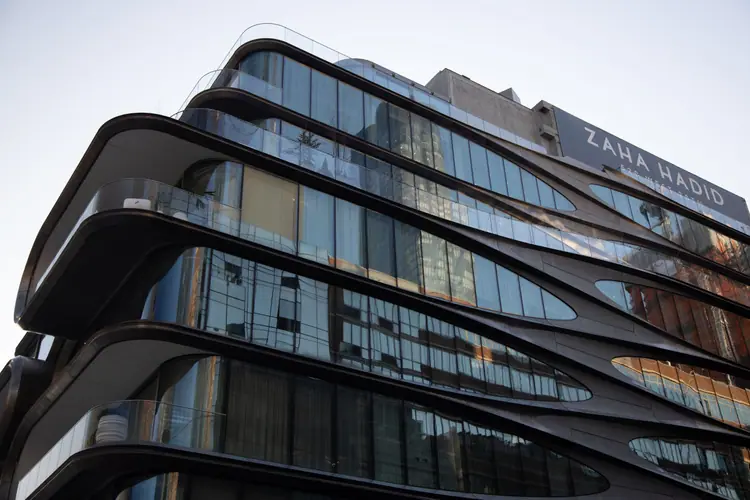
- Chelsea holds the galleries, the High Line, Chelsea Market and the towers of Hudson Yards.
- The Flatiron and Union Square bring the Flatiron Building, Madison Square Park and a greenmarket.
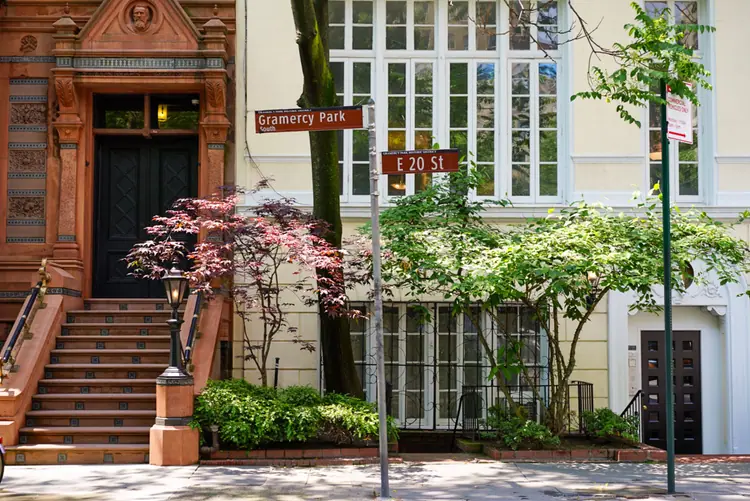
- Gramercy is leafy and residential, built around Gramercy Park, Irving Place and Stuyvesant Square.
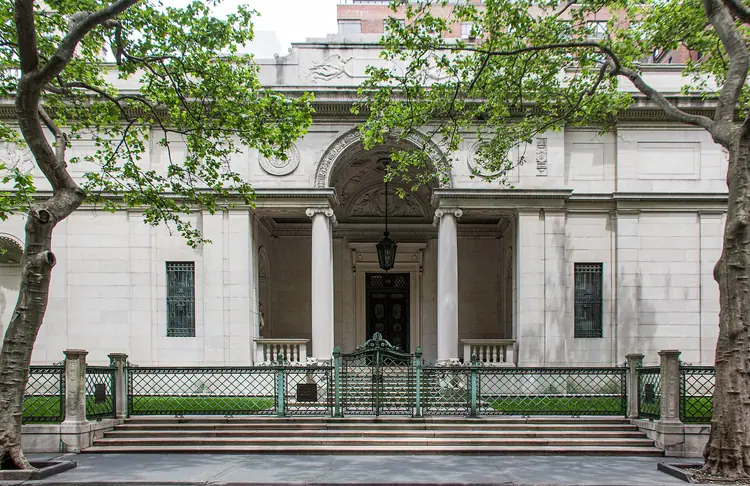
- Murray Hill and Kips Bay offer brownstone side streets, the Morgan Library and a walk to Grand Central.
- Hell's Kitchen keeps the restaurant blocks between the Theater District and the Hudson River.
Sights and how to plan them
Midtown's sights reward a little ordering. The observation decks are spread across the zone: SUMMIT One Vanderbilt stands beside Grand Central, Top of the Rock sits at Rockefeller Center, and the Empire State Building's open-air deck rises above 34th Street, with Edge at Hudson Yards to the west. Deck tickets are timed, and sunset slots fill first. The Museum of Modern Art, St. Patrick's Cathedral and Grand Central Terminal are close enough to combine in one morning. Opening hours change with the season, so confirm on each attraction's own page before you set out.
West of the avenues, the High Line runs from Gansevoort Street to West 34th Street at Hudson Yards, with the Vessel beside it. Hudson River Park and Little Island continue along the waterfront, and the Intrepid Museum sits on the Hudson at Midtown's western edge. Broadway's theaters cluster around Times Square, with evening curtains typically at 7 or 8 pm; check the show. The 9/11 Memorial is further south, a short subway ride away if you want to add it to the day. Its two reflecting pools are free to visit; the museum is ticketed.
- Observation decks in the zone include SUMMIT One Vanderbilt, Top of the Rock, the Empire State Building and Edge at Hudson Yards.
- Midtown East holds Grand Central Terminal, the Chrysler Building, the United Nations and the Morgan Library.
- The west side strings together the High Line, Chelsea Market, Little Island, Hudson River Park and the Intrepid Museum.
- Broadway theaters cluster around Times Square, with evening curtains usually at 7 or 8 pm.
Getting around and distances
Midtown holds the island's main rail and bus terminals. Grand Central Terminal sits at 42nd Street and Park Avenue, Penn Station at 34th Street between Seventh and Eighth Avenues, and the Port Authority Bus Terminal at 42nd Street and Eighth Avenue. The subway runs 24 hours a day and fares are paid by tapping a contactless card or phone at the turnstiles, with a weekly cap applied automatically. Check the MTA's service status before a late trip, since weekend work can close lines or skip stops.
Walking is often the fastest way to cover short hops, and the grid makes it hard to get lost: Fifth Avenue is the east-west dividing line, and street numbers rise as you go north. Cross streets are one-way and traffic is heavy, so allow time when crossing at peak hours. For longer hops the subway is the reliable choice. Taxis and ride apps are slow in afternoon traffic. Congestion pricing applies to vehicles entering Manhattan below 60th Street, so check the current charge with the operator before you travel.
Who should stay here
Midtown suits first-time visitors who want theaters, museums, stations and observation decks within walking distance, and travelers who value a short commute from the airports and rail terminals. It is less restful than the neighborhoods further downtown or up on the Upper West Side, and rooms facing an avenue can be noisy. Look at side streets in Murray Hill, Kips Bay, Gramercy or the eastern blocks of Hell's Kitchen if quiet matters, and read recent reviews about street noise before you choose a base.
Hotel bills add state and city taxes and a per-night occupancy charge, and some properties add a facility or destination fee, so compare totals rather than headline rates. Book Broadway tickets and observation deck slots ahead in December, the busiest holiday period, and expect larger crowds around the Rockefeller Center tree lighting, whose date is set each year. January to early March is usually the quietest window. Weekend mornings are the easiest time to walk the High Line and the parks, and weekday afternoons are calmer in the museums.
Keep reading
Midtown Manhattan: 14th to 59th Street: questions
What streets does Midtown Manhattan cover?
Midtown runs from 14th Street to 59th Street, between the Hudson River on the west and the East River beyond Turtle Bay. It includes Chelsea, the Flatiron, Gramercy, Murray Hill, Kips Bay, Herald Square, Times Square, Rockefeller Center, Hell's Kitchen and Midtown East. Fifth Avenue divides East from West street numbers across the grid.
Is Midtown Manhattan easy to walk?
Yes. The grid between 14th and 59th Streets makes short trips simple on foot, and most sights sit within a few blocks of an avenue. Cross streets are one-way and traffic is heavy, so allow time at peak hours. For longer hops the subway runs 24 hours a day, and fares are paid by tapping a contactless card or phone.
Which observation decks are in Midtown Manhattan?
SUMMIT One Vanderbilt stands beside Grand Central, Top of the Rock rises at Rockefeller Center, the Empire State Building has an open-air deck on the 86th floor, and Edge is at Hudson Yards. One World Observatory is further south in the Financial District. Tickets are timed, so check each operator's page for current hours and availability.
How do you reach Midtown Manhattan from the airports?
JFK and Newark are typically 45 to 75 minutes from Midtown depending on traffic and connections. From JFK, the AirTrain links to Jamaica and Howard Beach for the subway and the Long Island Rail Road. Newark's AirTrain connects to New Jersey Transit and Amtrak trains into Penn Station. LaGuardia is closest by road, with a free bus link to the subway.
Where are the Broadway theaters in Midtown Manhattan?
Most Broadway theaters sit in the Theater District around Times Square, within walking distance of the zone's hotels and subway lines. Evening curtains are typically at 7 or 8 pm, though schedules vary by show and by day. Book ahead for weekends and the December holiday period, and check the individual show for the current curtain time.
When is the quietest time to visit Midtown Manhattan?
January to early March is usually the quietest window. December is the busiest holiday period, with heavy crowds around the Rockefeller Center tree, whose lighting date is set each year, and along the department-store windows on Fifth Avenue. Spring and autumn are the mildest seasons for walking, and weekend mornings are calmer than weekday rush hours.
Does Midtown Manhattan have green space?
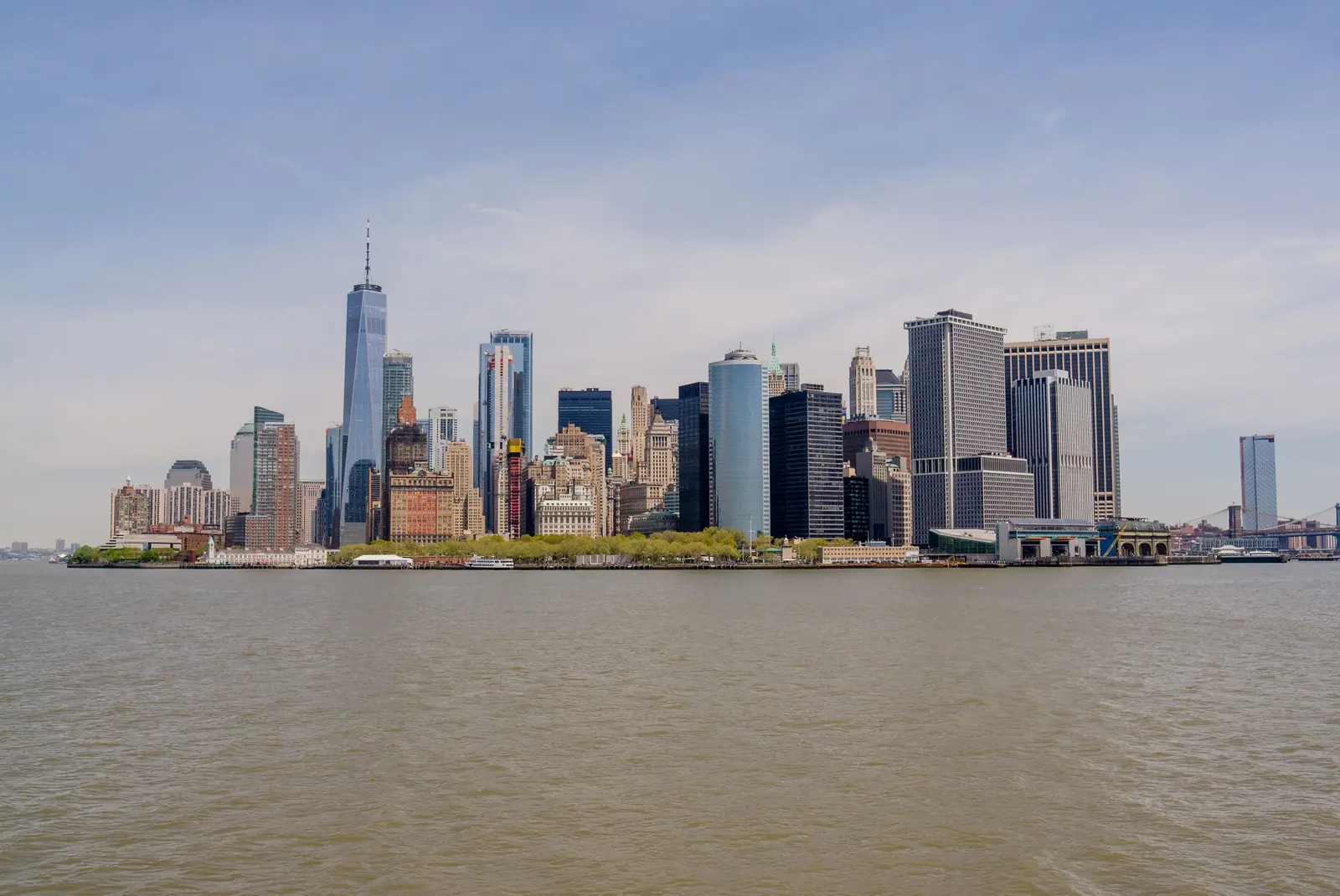
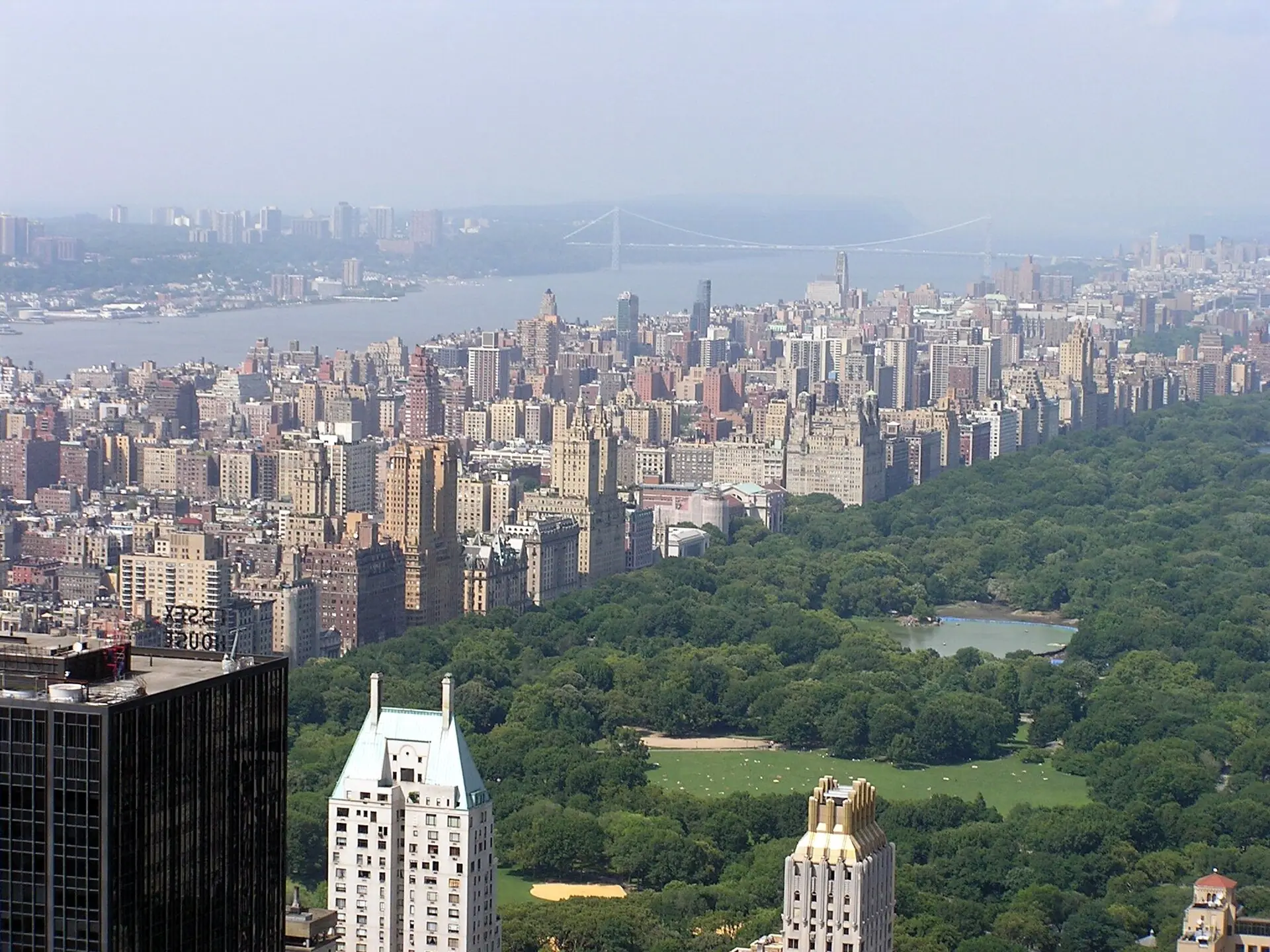
Central Park begins at 59th Street along Midtown's northern edge. Inside the zone, Madison Square Park and Union Square give office workers somewhere to sit, and the High Line runs as an elevated park on the west side. Hudson River Park and Little Island continue along the Hudson waterfront. Central Park, the High Line, Hudson River Park and Little Island are free to enter.
Should you stay in Midtown Manhattan?
It suits first-time visitors who want theaters, museums and observation decks within walking distance, and travelers who value short trips to the airports and rail terminals. Side streets in Murray Hill, Kips Bay, Gramercy and eastern Hell's Kitchen are quieter than the avenues. Compare totals with taxes and fees, since hotel bills add occupancy charges and sometimes facility fees.
Neighborhoods in Midtown Manhattan
Top-rated stays
 ★★★★★ 5-star
 ★★★★★ 5-star
 ★★★★★ 5-star
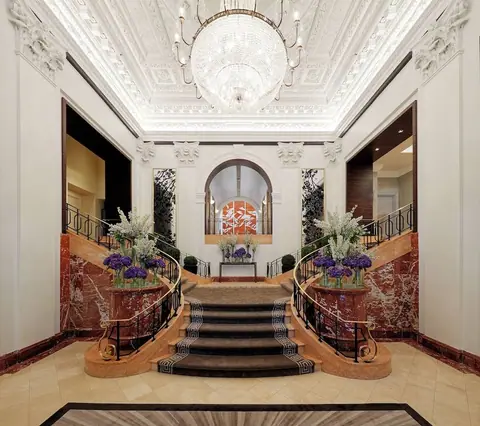 ★★★★★ 5-star
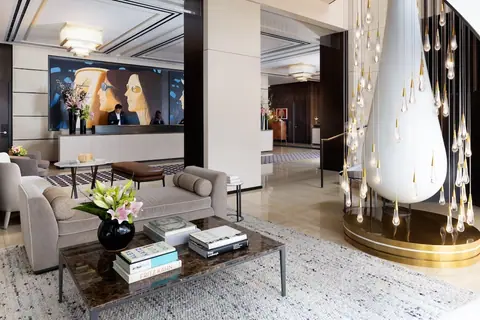 ★★★★★ 5-star
The Langham New York Fifth Avenue
Herald Square4.6Guest score from the booking supplier · 1655 reviews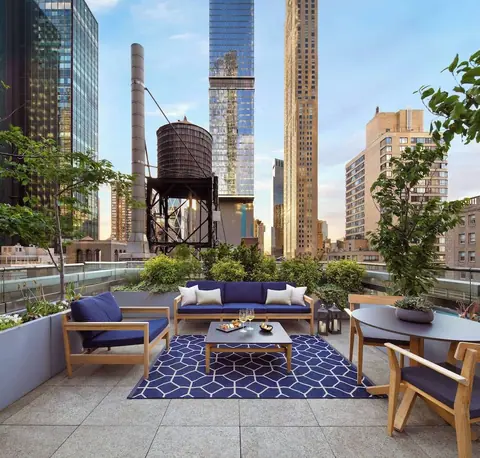 ★★★★★ 5-star
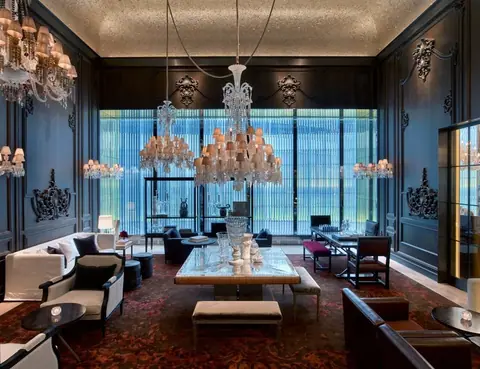 ★★★★★ 5-star
Baccarat Hotel and Residences New York
Fifth Avenue4.6Guest score from the booking supplier · 1241 reviews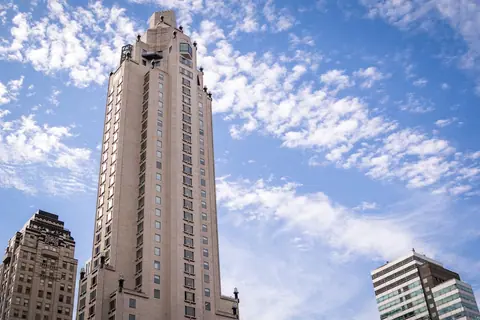 ★★★★★ 5-star
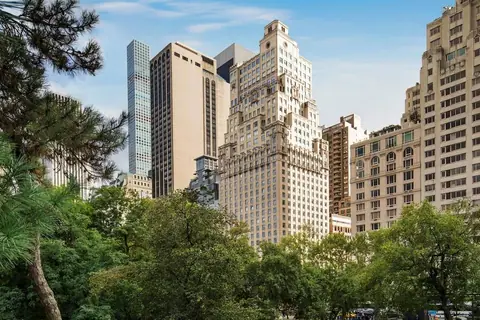 ★★★★★ 5-star
The Ritz Carlton New York Central Park
Fifth Avenue4.6Guest score from the booking supplier · 630 reviews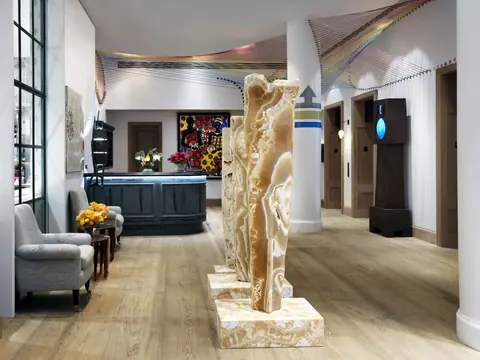 ★★★★★ 5-star
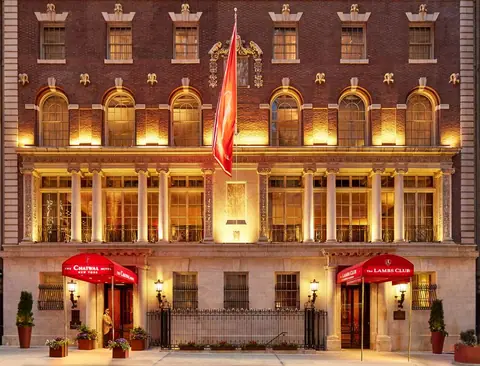 ★★★★★ 5-star
The Chatwal In The Unbound Collection By Hyatt
Times Square4.6Guest score from the booking supplier · 388 reviews ★★★★★ 5-star