- Zone
- Upper West Side, Manhattan
- Streets
- 59th Street to 110th Street
- Neighborhoods
- Lincoln Square, Central, Manhattan Valley
- Parks
- Central Park and Riverside Park
The character of the zone
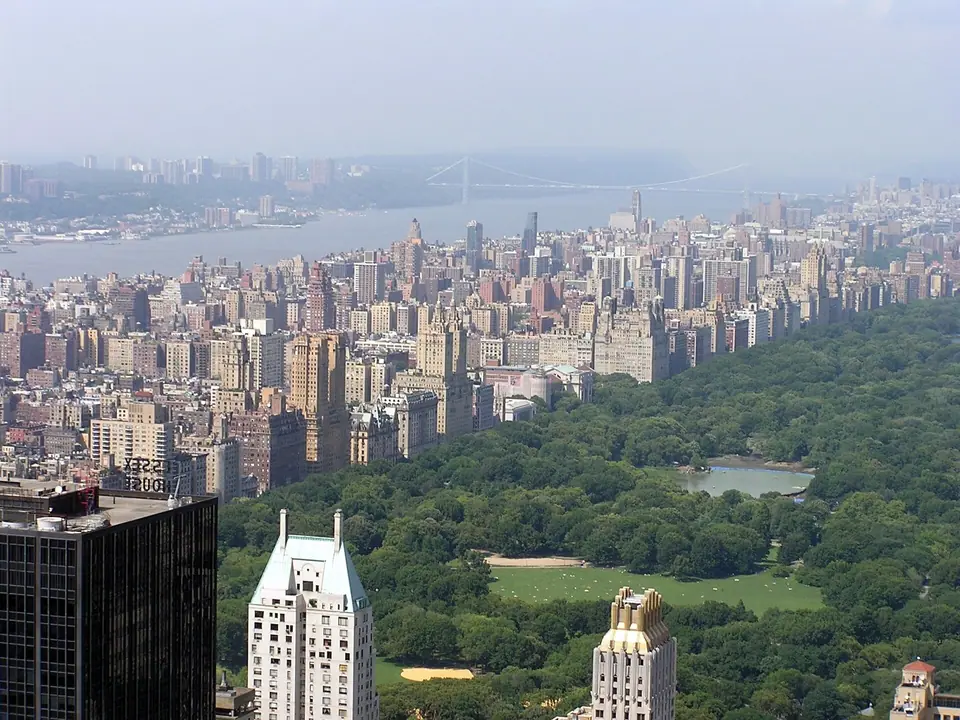
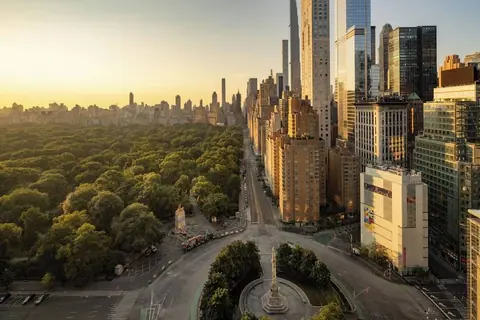
The Upper West Side occupies the western flank of Manhattan from 59th Street to 110th Street, with Central Park along its eastern edge and the Hudson River and Riverside Park along its western one. Two long parks on opposite sides shape daily life here: runs, dog walks and school trips happen in green space rather than on asphalt. The result is a district that feels residential even at its busiest, with apartment buildings and brownstones set back from a commercial spine on Broadway and the quieter stretches of Columbus and Amsterdam Avenues.
Most of the street pattern follows the Commissioners' Plan of 1811. Numbered streets run east to west, avenues run north to south, and Fifth Avenue divides East from West street numbers, though on this side of the park you will mostly use Central Park West and the avenues west of it. Broadway cuts diagonally across the grid, which explains the small triangles of plaza and planted space where it crosses an avenue. Uptown means north and downtown means south, and the park transverses at 79th, 86th and 97th Streets let you cross to the East Side without leaving green space.
How the neighborhoods differ
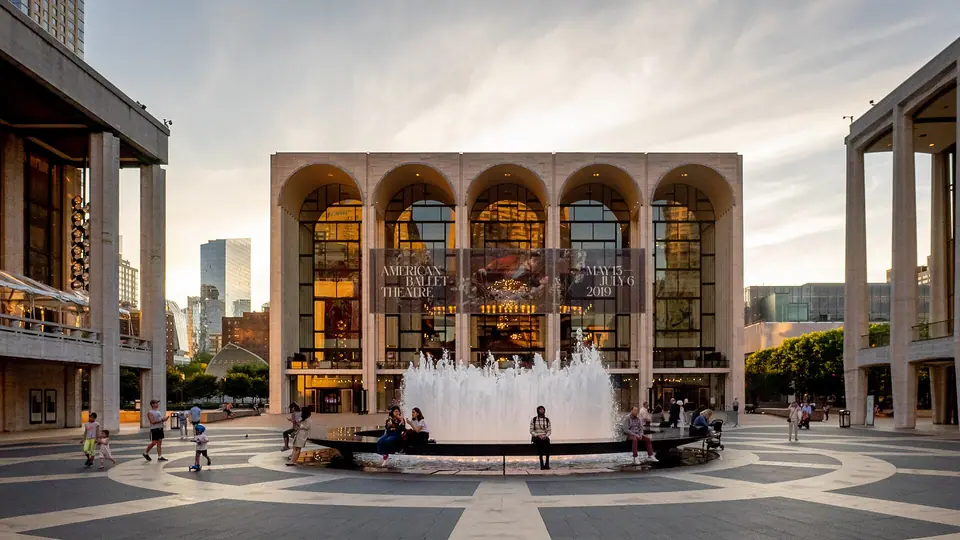
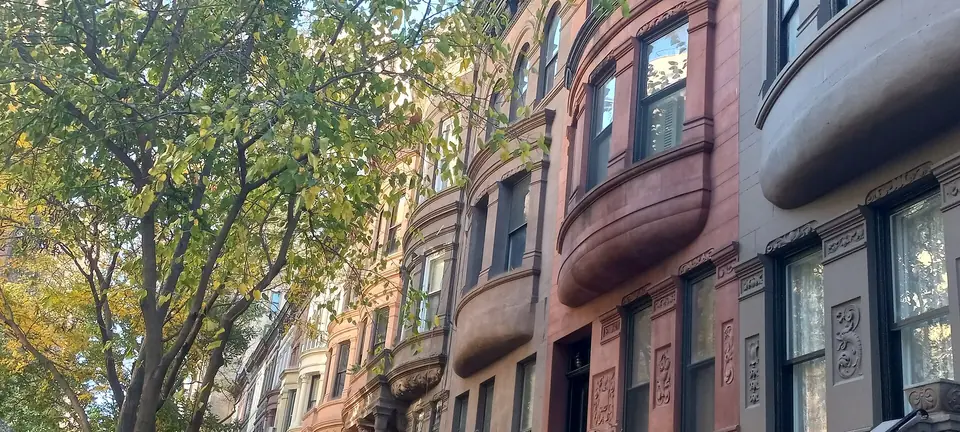
Lincoln Square covers the southern end, from Columbus Circle to the low 70s. Lincoln Center for the Performing Arts anchors it, and the blocks around the circle and Broadway carry offices, larger apartment buildings and a steady evening crowd. North of it, Upper West Side Central runs from 72nd Street to 96th Street: brownstone side streets, the American Museum of Natural History on Central Park West at 79th Street, and Columbus Avenue with its shops and places to eat. Columbus Circle marks the zone's southern corner and connects it to Midtown by subway and on foot.
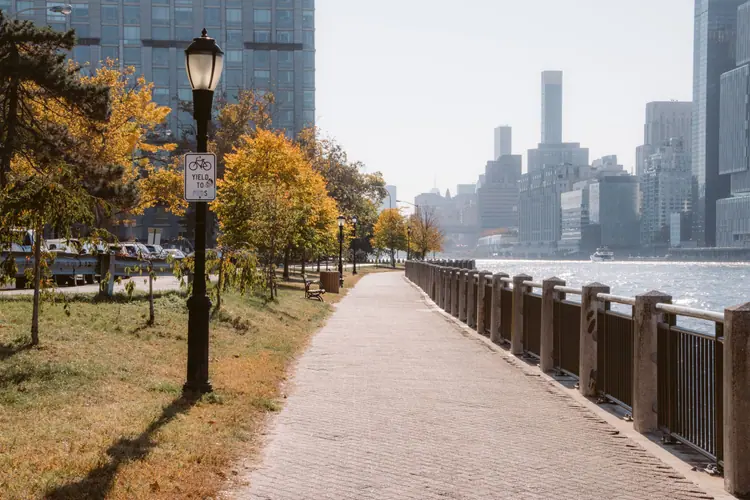
Manhattan Valley, the northern stretch from 96th Street to 110th Street, sits between Riverside Park and the north end of Central Park. The grid narrows here and the blocks feel calmer and more local than the institution-heavy streets to the south, with smaller apartment buildings and shops that serve the people who live in them. It is the part of the zone where the parks come closest together, and the northern entrances to both are easy to reach on foot. Broadway remains the commercial spine throughout.
- Lincoln Square for concerts and dance at Lincoln Center, plus the shops and subway connections around Columbus Circle.
- Upper West Side Central for brownstone streets, the Natural History Museum and the Columbus Avenue shopping strip.
- Manhattan Valley for quieter blocks, everyday shops and the northern entrances to both parks.
Sights in and around the zone
The American Museum of Natural History on Central Park West at 79th Street is the zone's largest single attraction and draws school groups and families through the week. Central Park itself, 843 acres between 59th and 110th Streets and designed by Frederick Law Olmsted and Calvert Vaux, is free to enter and is reachable from almost every cross street on the eastern side. Riverside Park runs the length of the western edge, with river views and paths that continue north beyond the zone. The park's western edge is unbroken, so a green entrance is never far from the museum blocks.
Lincoln Center for the Performing Arts gives the southern end its evening rhythm, and the plaza and the surrounding blocks are worth a walk whether or not you have a ticket. Check the season's program before you plan an evening there. Across the park, the Metropolitan Museum of Art sits on Fifth Avenue at 82nd Street, at the start of Museum Mile, and the Museum of Modern Art is a short ride south in Midtown. Broadway theaters cluster around Times Square in the Theater District, and the Intrepid Museum occupies a Hudson River pier on the West Side.
- The American Museum of Natural History, on Central Park West at 79th Street; check opening days and timed entry before a visit.
- Central Park, free to enter, with its north end close to Manhattan Valley.
- Riverside Park, along the Hudson, for river views and a flat path heading north.
- Lincoln Center for the Performing Arts, where the program changes through the season; check listings before an evening.
- The Metropolitan Museum of Art, across the park on Fifth Avenue at 82nd Street.
Getting around and distances
The subway is the quickest way to reach Midtown and the Financial District, and it runs 24 hours a day. Fares are paid by tapping a contactless card or phone at the turnstile. The tap system caps weekly spending after a set number of rides in seven days, which suits a longer stay. The MetroCard is being phased out, so plan on tap to pay rather than buying a card on arrival. Stations line Broadway and Central Park West through the whole zone, so most addresses sit within a few blocks of a train.
Walking is often the better choice within the zone. The numbered streets make orientation easy once you learn where your avenue sits, and the walk from 59th to 110th Street along Central Park West is level and straightforward. Buses run along the major avenues; check current routes and service changes with the MTA, since bus routes change more often than the subway. Taxis are easiest to find on Broadway and Central Park West, and the crosstown blocks between avenues are longer than they look. For Midtown destinations, a walk through Central Park is a reasonable alternative to riding around its edge.
Who should stay here
The Upper West Side suits travelers who want a residential base with real cultural weight: museum days, concerts at Lincoln Center, long walks in two parks. Families do well here because the residential streets are quiet in the evening and the park is close to hand. Most of the zone's hotel rooms sit in the larger buildings near Broadway and Columbus Circle rather than on the brownstone side streets. Anyone who wants the Theater District or downtown nightlife at the door should look further south; the ride from here is short but not immediate.
Hotel bills in New York City add state and city taxes and a per-night occupancy charge to the room rate, and some properties add a facility or destination fee, so check the total price with taxes and fees before booking. Spring and autumn are the mildest seasons and the best months for park walks; December is the busiest holiday period and January to early March is usually the quietest. Book well ahead for either end of the year.
Keep reading
Upper West Side: An Overview: questions
Where is the Upper West Side in Manhattan?
The Upper West Side runs along the west side of Central Park from 59th Street to 110th Street, with the Hudson River and Riverside Park at its western edge. It takes in Lincoln Square, Upper West Side Central and Manhattan Valley, and sits between Midtown to the south and Morningside Heights to the north.
What are the three neighborhoods of the Upper West Side?
Lincoln Square covers the southern end around Columbus Circle and Lincoln Center. Upper West Side Central runs from 72nd to 96th Street and holds the brownstone side streets and the Natural History Museum. Manhattan Valley is the northern stretch from 96th to 110th Street, by Riverside Park and the north end of Central Park.
Can you enter Central Park from the Upper West Side?
Yes. Central Park's western edge runs the full length of the zone, from 59th Street to 110th Street, so entrances sit at the end of most cross streets on that side. The park is free to enter and opens early; check current hours with the NYC Parks department before an early or late visit.
What can you see on the Upper West Side in a day?
A day could combine the American Museum of Natural History in the morning, a walk through Central Park or along Riverside Park in the afternoon, and an evening performance at Lincoln Center. Add the brownstone side streets between 72nd and 96th Street for the district's everyday character. Check opening days and performance times before you go.
Is the Upper West Side a good base for a Manhattan visit?
It suits travelers who prefer a calm, residential base. Two parks, the Natural History Museum and Lincoln Center are within walking distance, and the subway reaches Midtown in a short ride. It is less convenient for anyone who wants the Theater District, Times Square or downtown nightlife at the door.
How far is the Upper West Side from Times Square?
Times Square and the Theater District lie south of the zone, a short subway ride from Columbus Circle or a walk down Broadway or through Central Park. The southern end of the Upper West Side at Columbus Circle is the closest point. Check current subway service with the MTA before an evening curtain.
How do you pay for the subway from the Upper West Side?
Fares are paid by tapping a contactless card or phone at the turnstile. The tap system caps weekly spending after a set number of rides in seven days. The MetroCard is being phased out, so plan on tap to pay. Check current fares and caps with the MTA, since the details change.
When should you visit the Upper West Side?
Spring, from April to June, and autumn, from September to November, are the mildest seasons and the best for park walks. Central Park's autumn color usually peaks in early to mid November. December is the busiest holiday period, and January to early March is usually the quietest.
Neighborhoods in Upper West Side
Top-rated stays
 ★★★★★ 5-star
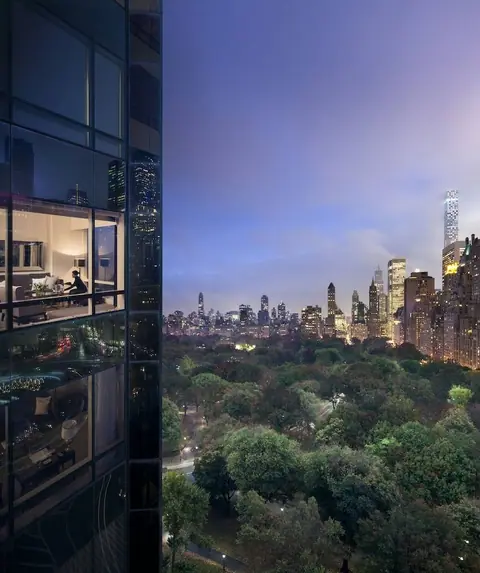 ★★★★★ 5-star
Trump International Hotel & Tower New York
Lincoln Square3.6Guest score from the booking supplier · 1128 reviews ★★★★ 4-star
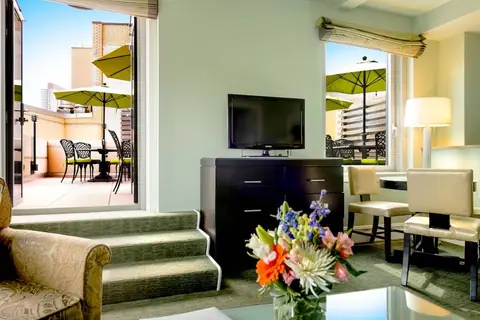 ★★★★ 4-star
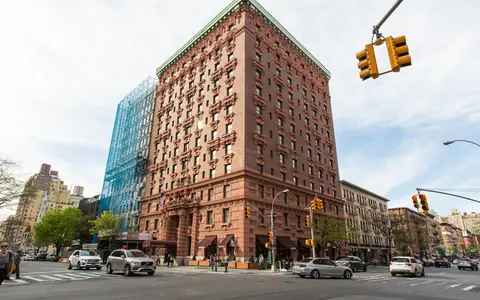 ★★★★ 4-star
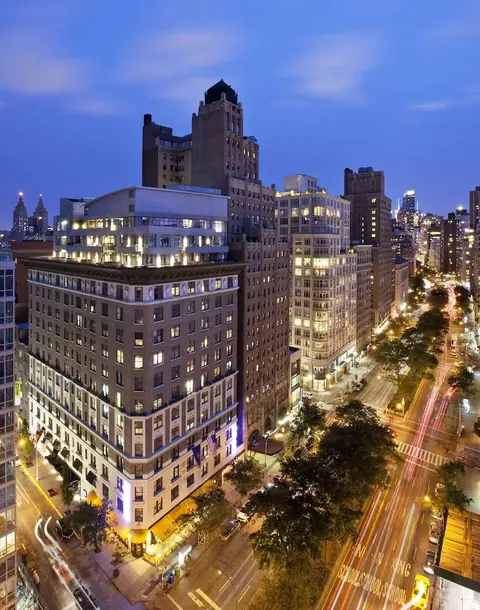 ★★★★ 4-star
Arthouse Hotel New York City
Central Upper West Side4.1Guest score from the booking supplier · 2224 reviews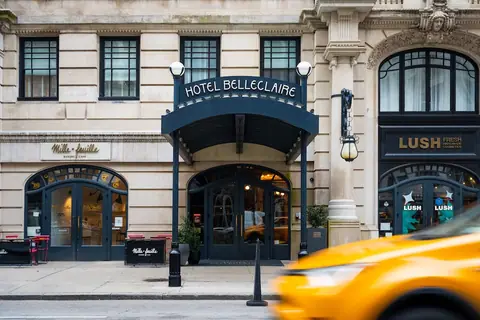 ★★★★ 4-star
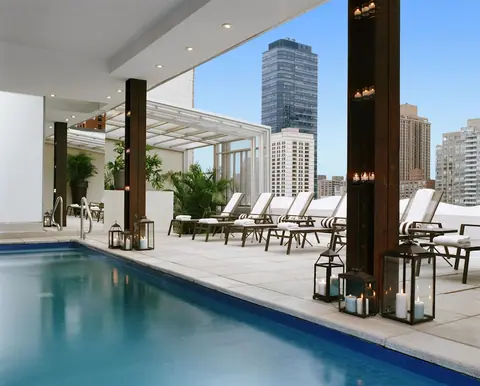 ★★★★ 4-star
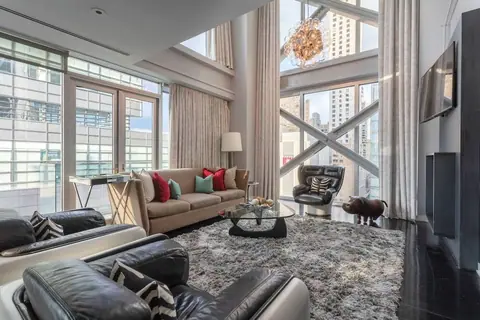 ★★★★ 4-star
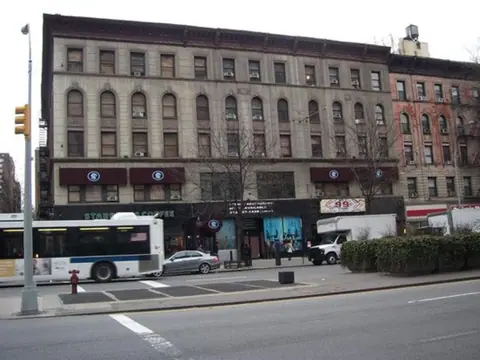 ★★★ 3-star
 ★★★ 3-star
 ★★★ 3-star