- Neighborhood
- Upper West Side, Manhattan
- Covered here
- 72nd to 96th Street
- Park edge
- Central Park to the east
- River edge
- Hudson River to the west
Character and history
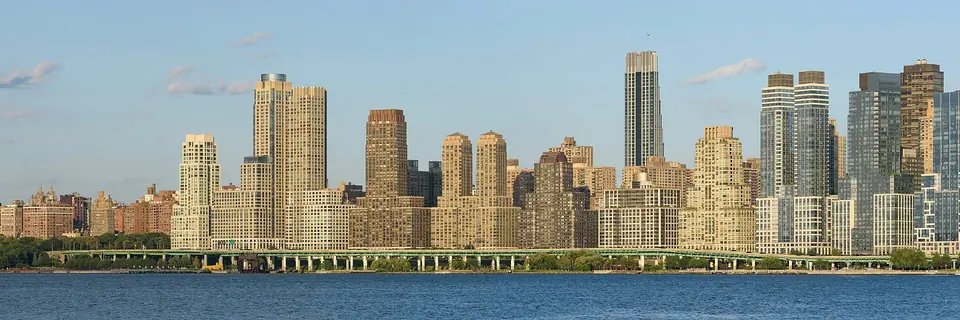
The Upper West Side between 72nd and 96th Streets is Manhattan's brownstone heart, and it reads as a place where people live rather than visit. Streets here follow the Commissioners' Plan of 1811, so numbered streets run east to west and the avenues run north to south. Broadway cuts diagonally across that grid, creating small triangles and odd corners that give the neighborhood its texture. Fifth Avenue lies far to the east, so every address on this side carries a West number, counted outward from Central Park.
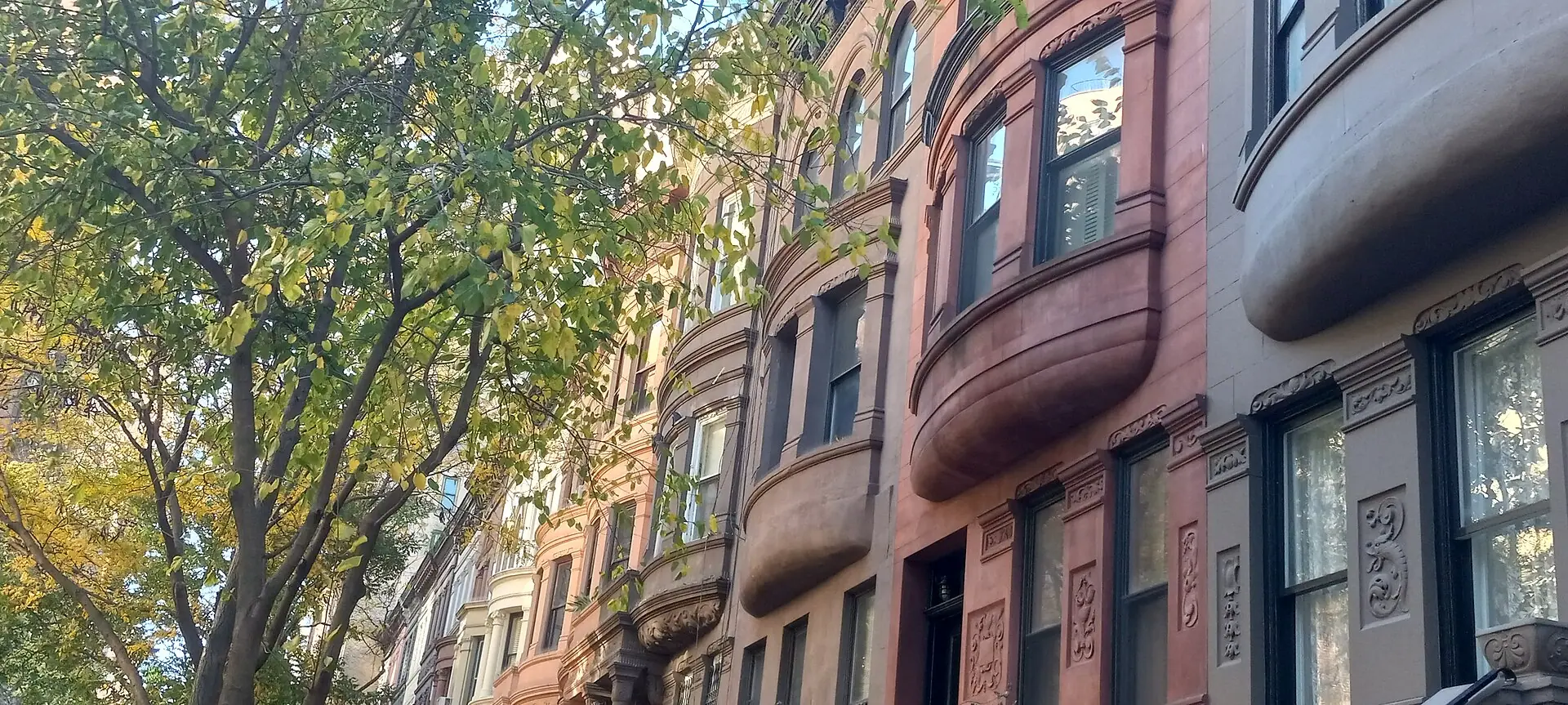
Apartment houses and brownstones line the side streets, and the mix has kept the area residential through every wave of change. Cultural life is anchored by the American Museum of Natural History on Central Park West at 79th Street and by Central Park, which forms the eastern boundary between 59th and 110th Streets. The tone is settled and slightly formal: school runs, dog walks, grocery bags and a steady stream of museum visitors. Riverside Park gives the whole western edge a green boundary along the Hudson River.
What to see and do
The American Museum of Natural History is the anchor sight, on Central Park West at 79th Street, and it fills a half day without effort. Central Park begins across the street; its western paths here are generally quieter than the ground around the southern entrances. The Metropolitan Museum of Art is a long walk across the park at Fifth Avenue and 82nd Street, and the Museum of Modern Art is a short ride south. Check opening days and timed entry before setting out.
Riverside Park runs the length of the western edge along the Hudson River, with paths, lawns and river views that reward a slow hour. Columbus Avenue is the neighborhood's main shopping and eating street, running north through the 70s, 80s and 90s, and it fills with strollers on weekend mornings. Broadway adds shops, food stores and subway entrances. The corner at 72nd Street and Central Park West is the natural place to start a wander.
- The American Museum of Natural History, on Central Park West at 79th Street, is the defining sight of the area.
- Central Park's western edge is within a short walk of almost any address between 72nd and 96th Streets.
- Riverside Park follows the Hudson River and is a good place for a late afternoon walk.
- The Metropolitan Museum of Art is a long walk across the park, on Fifth Avenue at 82nd Street.
- Columbus Avenue carries most of the neighborhood's shops and casual restaurants.
Eating and evenings
Eating on the Upper West Side is mostly a neighborhood affair. Columbus and Amsterdam Avenues carry most of the restaurants, a mixture of casual rooms for pasta, tacos, sushi and burgers, a few long-standing local institutions, and bakeries and cafes that fill up after school. Broadway adds delis, grocery stores and takeaway counters for a quick meal. Weekend brunch draws queues, and the early evening is family-heavy; the streets are quiet late at night compared with Midtown.
Evenings lean local rather than theatrical. There are bars and wine places along Amsterdam and Columbus, a handful of small music and comedy rooms, and cinemas within walking distance of most addresses. For a bigger night, the Theater District around Times Square is a short ride south, with evening curtains typically at 7 or 8 pm, though the time depends on the show. Most places here do not need weeks of planning, but Friday and Saturday dinner is easier with a booking.
A walk through it
Start at 72nd Street and Central Park West, where the park opens into a wide path. Walk north through the park for a few blocks to leave the street noise behind, then cross back to Central Park West and continue to the American Museum of Natural History at 79th Street. A loop through two or three of its halls makes a good break. From there, head west on 79th Street toward Riverside Park and the Hudson.
Turn south along the riverside path and follow it back toward 72nd Street, where the park widens and the river bends. Leave the park at 72nd Street and walk east along the side streets, which are lined with brownstones and small front gardens, then join Columbus Avenue for coffee or a late lunch. The whole loop fills a comfortable half day at an unhurried pace, with plenty of benches, stoops and park entrances for pauses.
Who it suits
The Upper West Side suits travelers who want a residential base with real daily life around it: families with children, museum-goers, and anyone who values a park and a river within a few minutes of the door. It also works well for longer stays, when grocery stores, laundries and quiet evenings matter more than a lobby bar. The grid makes it easy to learn, and Central Park gives children somewhere to run off energy between sights.
Stay elsewhere if the priority is to step out of the door into nightlife, or if you want the major sights within a few minutes on foot. Times Square is about 1.9 miles (3 km) away, the 9/11 Memorial further south, and the neighborhood empties early. Travelers who plan to spend most days downtown may prefer a base closer to it, and anyone who dislikes a walk to the subway should look at addresses nearer Broadway or Central Park West.
Getting around and choosing a base
Subway stations along Broadway and Central Park West connect the neighborhood with Midtown and downtown, and the subway runs 24 hours a day. Fares are paid by tapping a contactless card or phone; the MetroCard is being phased out, so tap to pay where readers are installed. Buses run along the avenues and across the park. Allow 45 to 75 minutes for JFK or Newark depending on traffic and connections, and remember that congestion pricing applies to vehicles entering Manhattan below 60th Street.
Choose a base by thinking about the walk you want at the end of the day. Addresses nearer Central Park West are quieter and close to the park; those nearer Broadway, Amsterdam or Columbus Avenues put food, shops and subway entrances closer. Riverside addresses trade convenience for river light. Hotel bills add state and city taxes and a per-night occupancy charge, plus possible facility fees, so check the total price with taxes and fees before booking.
- The subway runs 24 hours a day, so late returns from Midtown or downtown are straightforward.
- Tap a contactless card or phone to pay; the MetroCard is being phased out.
- Congestion pricing applies to vehicles entering Manhattan below 60th Street.
- JFK and Newark are typically 45 to 75 minutes away depending on traffic and connections.
Upper West Side: the brownstone heart: questions
What can you see and do on the Upper West Side in a day?
Spend the morning at the American Museum of Natural History on Central Park West at 79th Street, then walk through Central Park or along the riverside paths in Riverside Park. Columbus Avenue and Broadway cover shops and a casual lunch. If time allows, cross the park to the Metropolitan Museum of Art at Fifth Avenue and 82nd Street. Check opening days and timed entry before you go.
Is the Upper West Side a good base for a first visit to Manhattan?
It works well if you want a residential neighborhood with a park, a river and a major museum close at hand, and you do not mind a short subway ride to Midtown and downtown. It suits families and longer stays especially. Travelers who want nightlife, or the biggest sights within a few minutes on foot, often prefer a more central base.
How do you reach the Upper West Side from JFK or Newark airport?
From JFK, take the AirTrain to Jamaica for the Long Island Rail Road or the subway, or to Howard Beach for the subway into Manhattan. From Newark Liberty, the AirTrain connects to the Newark Liberty International Airport station, then NJ Transit or Amtrak to Penn Station. From Penn Station it is a short ride north. Allow 45 to 75 minutes depending on traffic and connections.
What kinds of restaurants and bars are on the Upper West Side?
Expect neighborhood places rather than destination dining: casual rooms for pasta, tacos, sushi and burgers along Columbus and Amsterdam Avenues, bakeries and cafes, delis and takeaway counters on Broadway, plus bars and wine places that fill up in the early evening. Weekend brunch draws queues. Hours and days change, so check with each place directly before you go.
Is the Upper West Side easy to walk around?
Yes. The grid of numbered streets and avenues makes it simple to navigate, and Broadway cuts diagonally across it. Central Park is a short walk from most addresses between 72nd and 96th Streets, and Riverside Park runs along the western edge. Side streets are lined with brownstones and stoops. Cross-town blocks are long, so allow more time than the map suggests when walking to the river.
Who should stay elsewhere rather than on the Upper West Side?
Travelers whose main interest is nightlife, or who want Times Square, the Theater District and downtown sights within a few minutes on foot, are usually happier closer to Midtown or downtown. The Upper West Side empties early in the evening and sits about 1.9 miles (3 km) from Times Square. Anyone who dislikes walking a few blocks to a subway entrance should look at addresses nearer Broadway.