843 acres · free
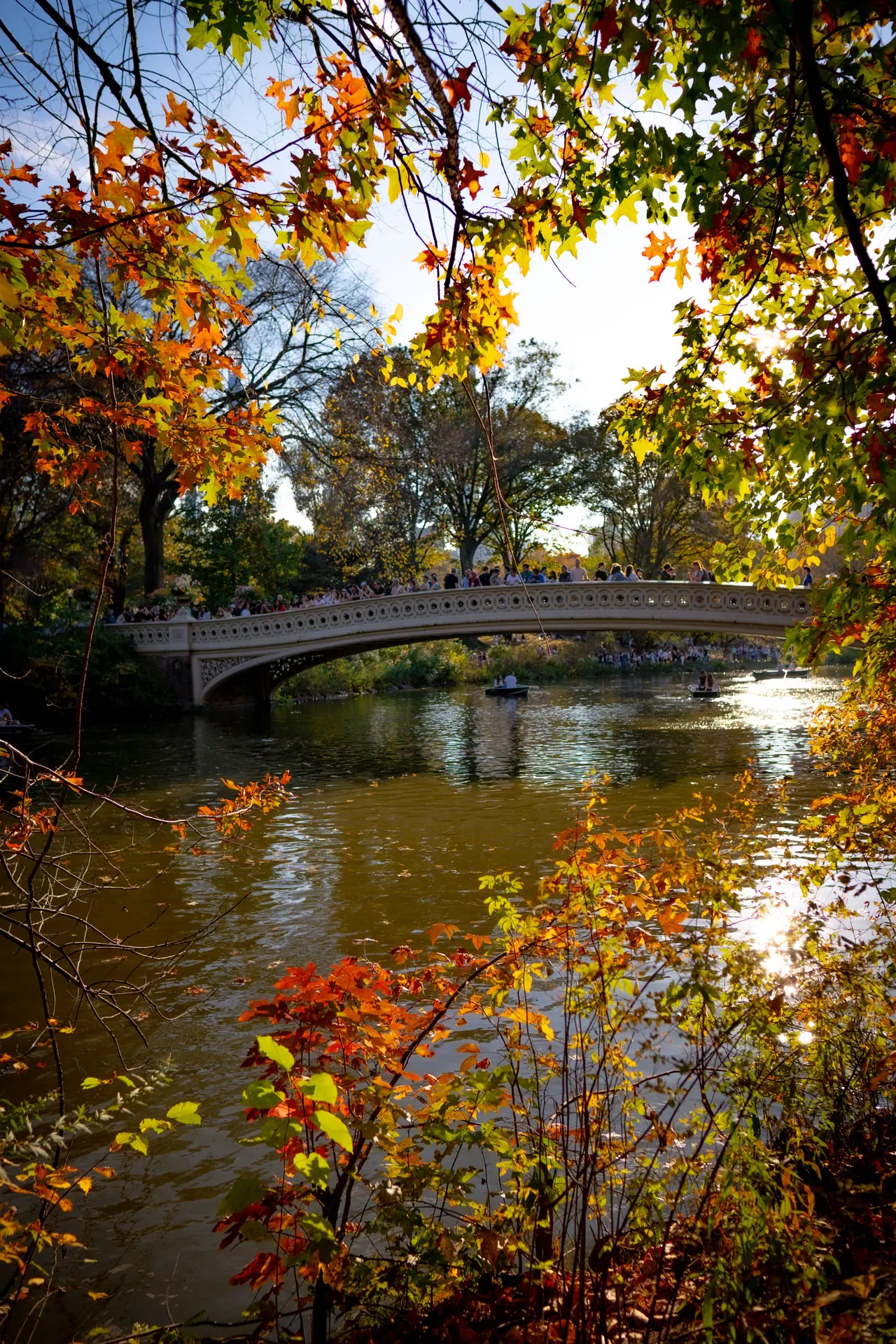
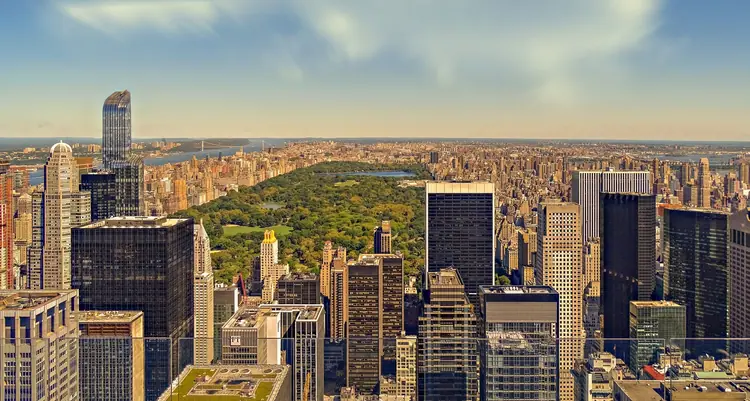
Central Park
Bethesda Terrace, Bow Bridge, the Reservoir — and the best free day in the city.
Read the full guide →Group what you want to see by area: the Statue of Liberty ferry, the 9/11 Memorial and Wall Street sit together downtown; the Empire State Building, Rockefeller Center and Times Square fill a Midtown day; the Met, the Natural History Museum and Central Park make an uptown day.
Observation decks, the Statue of Liberty and most big museums use timed tickets. Book sunset slots and weekend mornings a week or more ahead, then fill the gaps with free things — parks, the High Line, the Staten Island Ferry and walking the bridges.
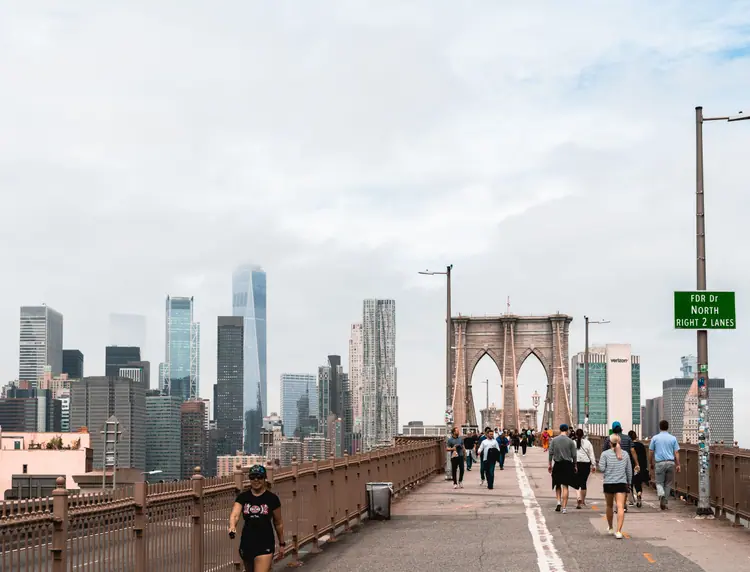
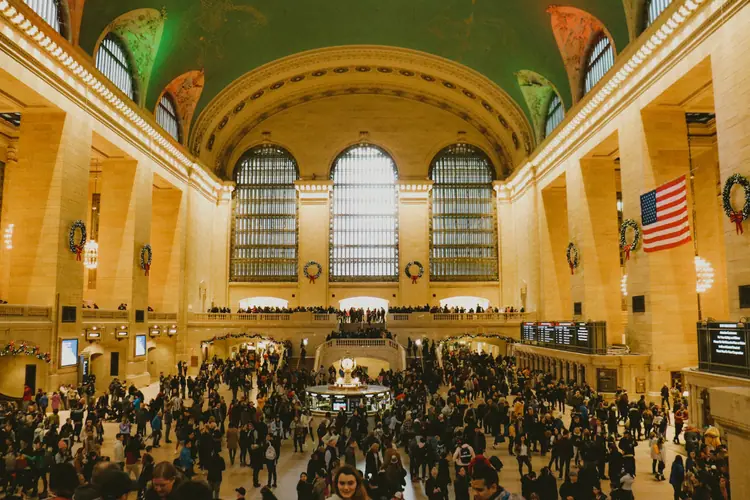
Some of the best experiences cost nothing: Central Park, the High Line, Grand Central’s main concourse, the Staten Island Ferry past the Statue of Liberty, and walking across the Brooklyn Bridge at sunset.
Only if you’ll visit enough of its included sights. Our calculator compares the CityPASS and Go City passes against buying tickets for the attractions you actually pick.
Two or three paid attractions a day is comfortable. Museums like the Met deserve half a day on their own.
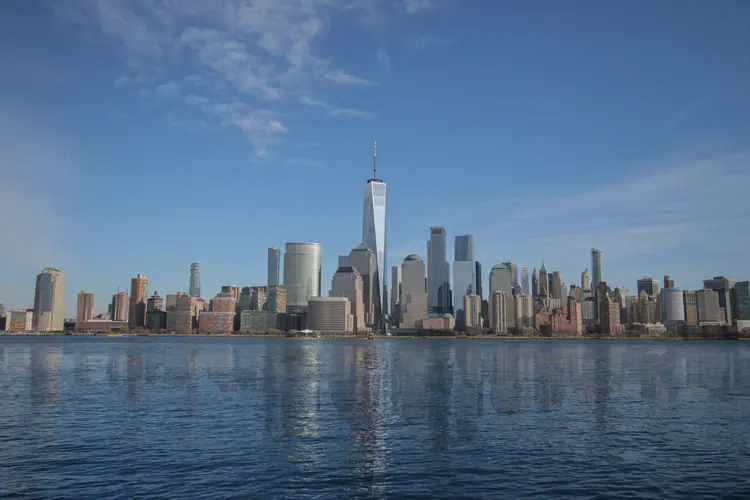
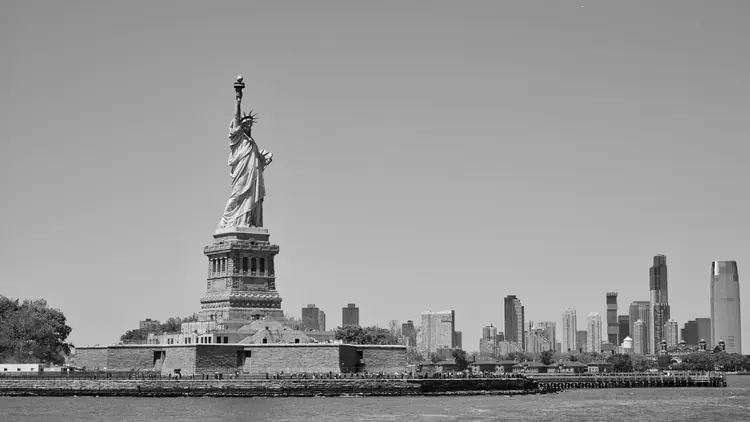
The Staten Island Ferry: a free 25-minute crossing with views of the Statue of Liberty and the downtown skyline.
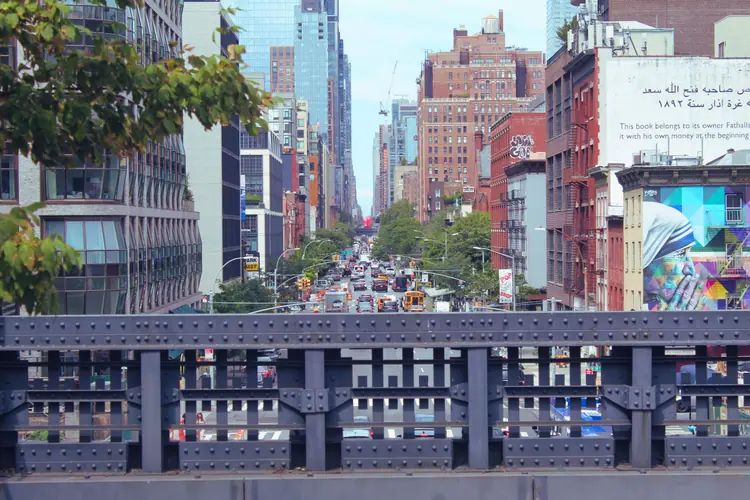
Central Park is free to enter, as is the High Line, the elevated park on the West Side from Gansevoort Street to West 34th Street. The two reflecting pools at the 9/11 Memorial cost nothing to visit, and the Staten Island Ferry from Whitehall Terminal is free, passing the Statue of Liberty on a crossing of about 25 minutes.
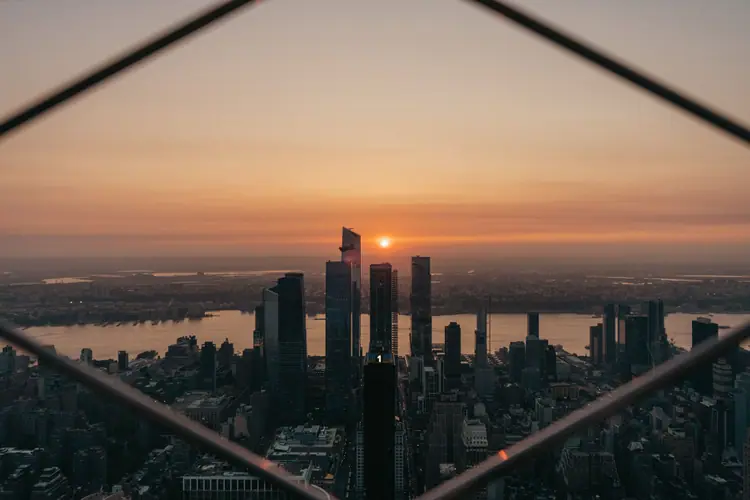
The main decks are One World Observatory in the Financial District, SUMMIT One Vanderbilt beside Grand Central, Edge at Hudson Yards with its outdoor glass floor, Top of the Rock at Rockefeller Center, and the Empire State Building, which has an open-air deck on the 86th floor. Each is ticketed, and booking a timed slot is wise.
Spring, from April to June, and autumn, from September to November, are the mildest seasons. Summers are hot and humid, and winters are cold, with snow in some years. Central Park's autumn color usually peaks in early to mid November. December is the busiest holiday period, while January to early March is usually the quietest.
From JFK, the AirTrain connects to Jamaica for the subway or commuter rail, or to Howard Beach for the A train. LaGuardia is closest by road, and the free Q70 bus links it to the subway. From Newark, the AirTrain reaches the rail station, then a train runs to Penn Station. Allow roughly 45 to 75 minutes from Midtown.
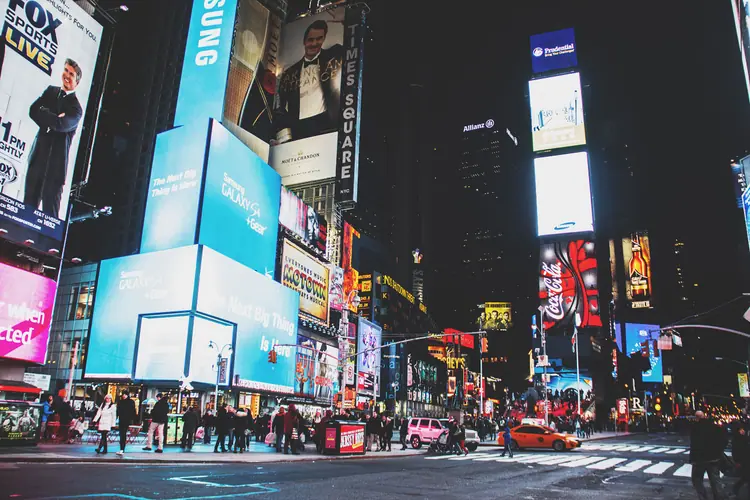
Broadway's theaters are mostly in the Theater District around Times Square, with about 40 Broadway houses. Evening curtains are typically at 7 or 8 pm, though you should check the show. Seats can be booked through the show itself or through authorized sellers, and policies on exchanges and same-day seats vary, so confirm before you buy.
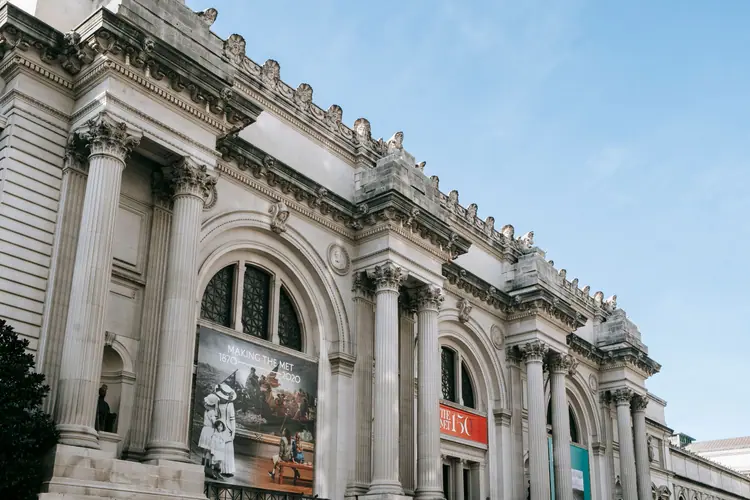
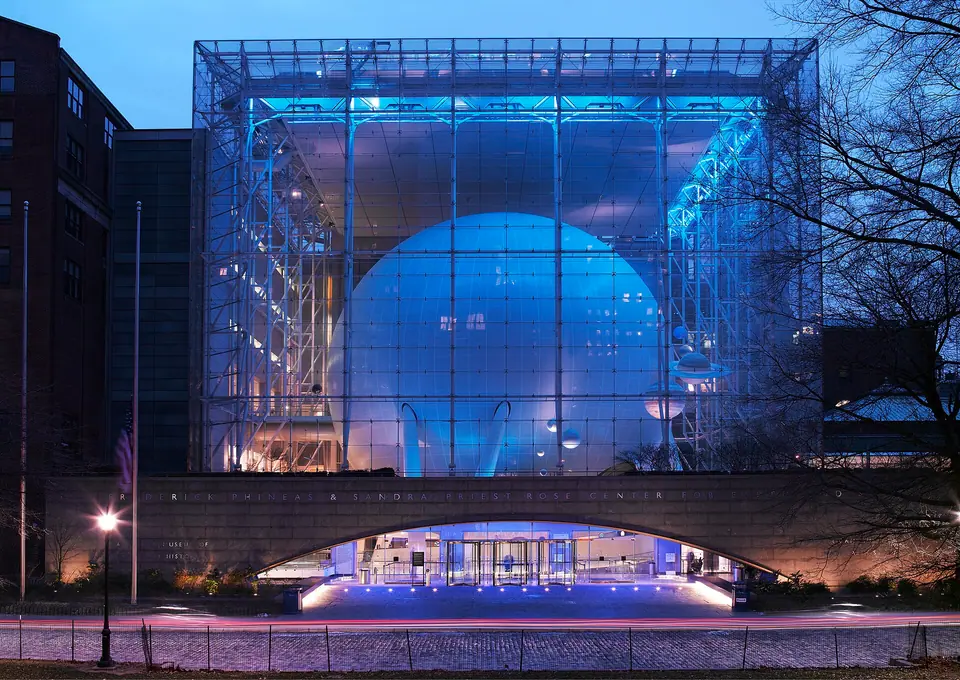
Museum Mile runs along Fifth Avenue, roughly from 82nd to 105th Streets. The Metropolitan Museum of Art sits at Fifth Avenue and 82nd Street, at the start of the stretch. The American Museum of Natural History is separate, on Central Park West at 79th Street. Opening days and ticketing vary by institution, so check each museum before visiting.
Photo credits: Steve Cancel on Pexels; Pixabay on Pexels; Alejandro Muñoz on Pexels; Helena Lopes on Pexels; Charles Parker on Pexels; Ewan Pipe on Pexels; Following NYC on Pexels; Federico Abis on Pexels; VillageHero from Ulm, Germany, CC BY-SA 2.0, via Wikimedia Commons; Enrique on Pexels; Epicgenius, CC BY-SA 4.0, via Wikimedia Commons; Lalada . on Pexels; Carol M. Highsmith, Public domain, via Wikimedia Commons; Photograph by Mike Peel (www.mikepeel.net)., CC BY-SA 4.0, via Wikimedia Commons; Louis on Pexels.