- Type
- National monument and museum
- Ferry from
- Battery Park, Lower Manhattan
- Statue dedicated
- October 1886
- Ellis Island station
- Opened 1892, closed 1954
The statue and its history
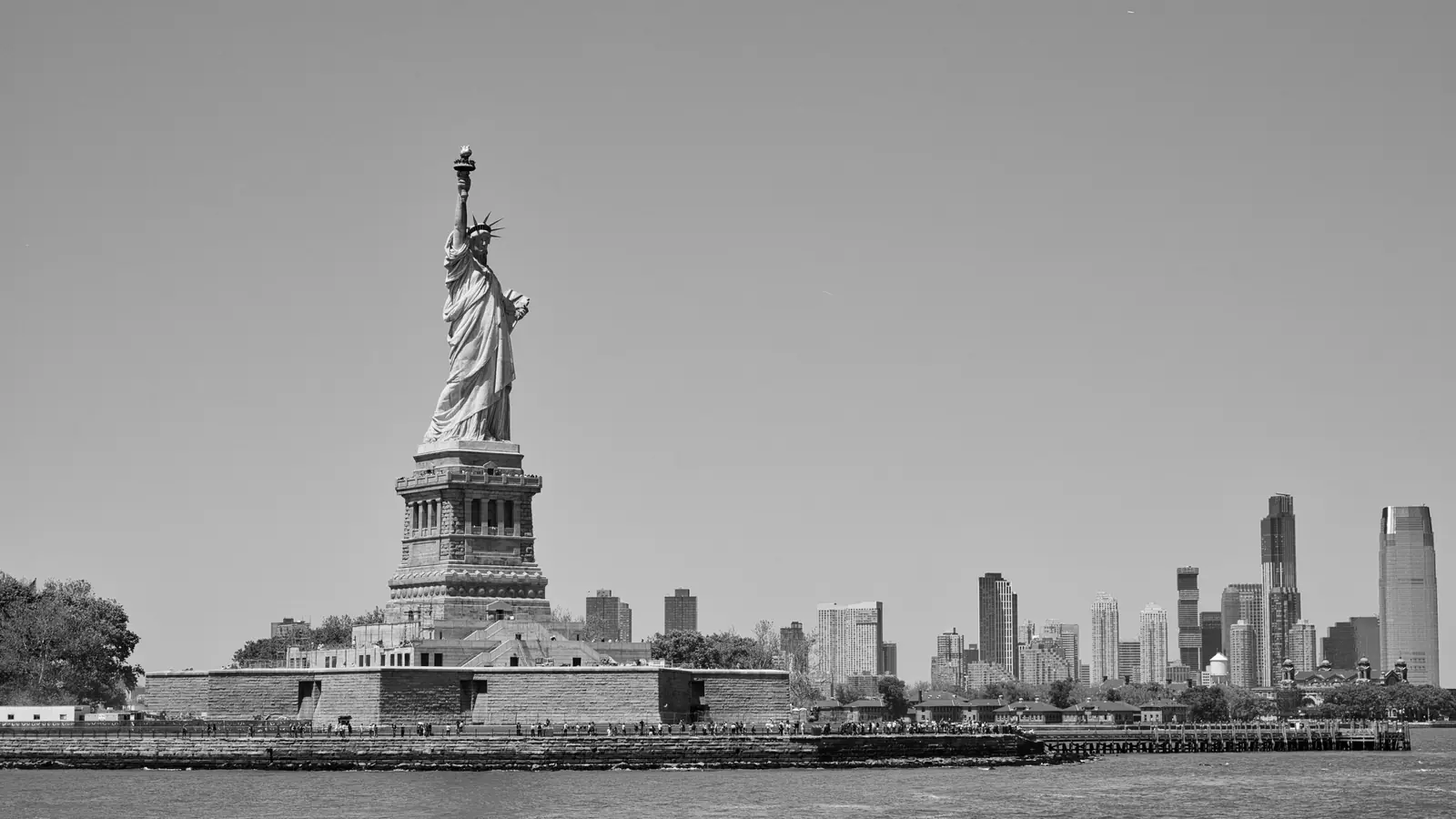
The Statue of Liberty stands on Liberty Island in New York Harbor, a short ferry ride from the southern tip of Manhattan. France gave the statue to the United States, and it was dedicated in October 1886. Frédéric Auguste Bartholdi designed the figure, Gustave Eiffel engineered the iron framework beneath the copper skin, and Richard Morris Hunt designed the stone pedestal. The National Park Service cares for the monument and the island.
The figure wears robes and holds a torch in her raised right hand and a tablet in her left. Seven rays rise from the crown. The copper surface has weathered to green since the statue went up, and the original torch, replaced in the 1980s, is now displayed in the museum on Liberty Island. Ferries pass close enough for a clear view of the statue from the water, and the harbor setting explains much of its effect.
Ellis Island and the museum
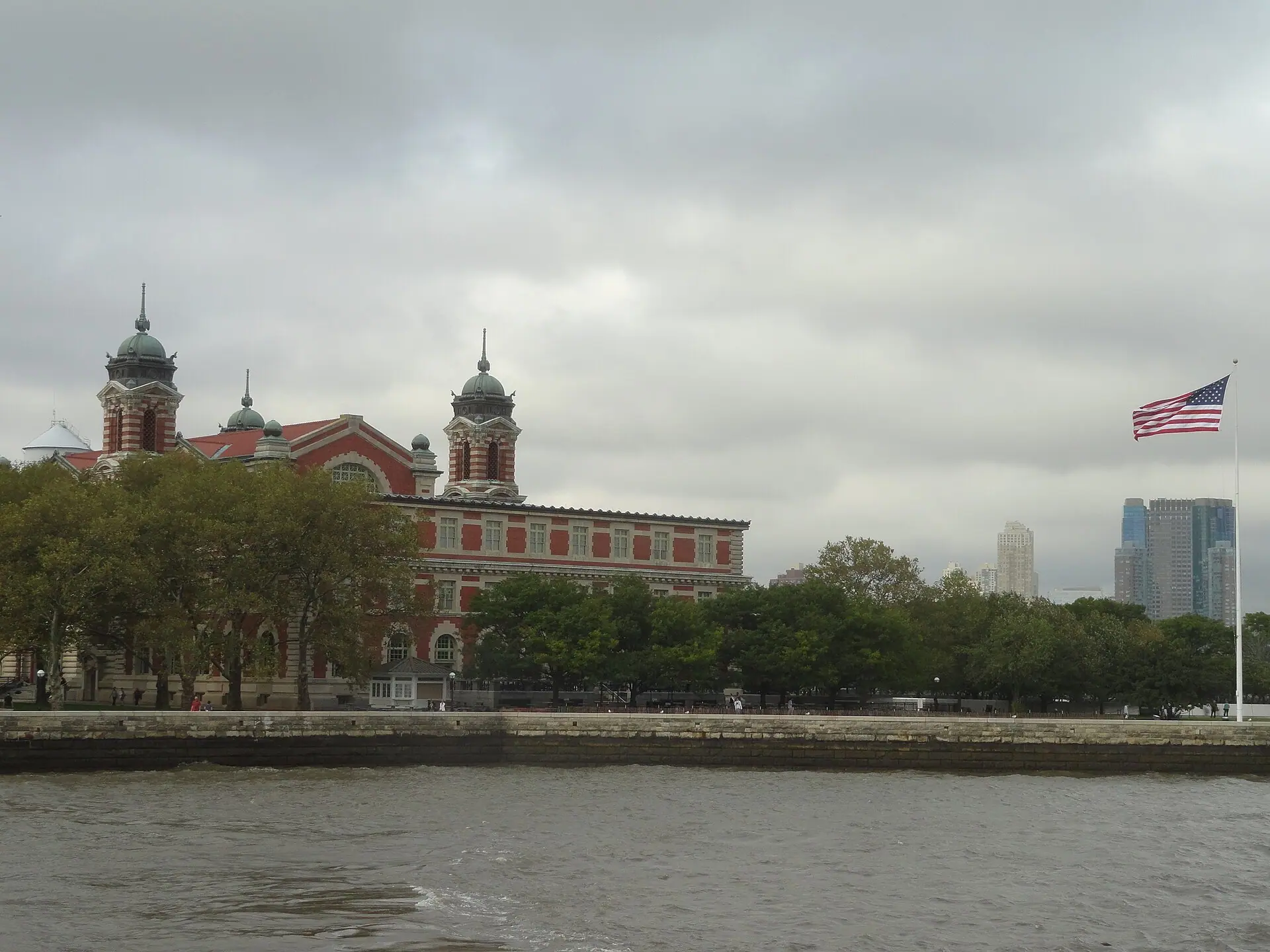
Ellis Island lies north of Liberty Island, closer to the New Jersey shore. A federal immigration station opened there in 1892 and processed millions of arrivals before it closed in 1954. Most of the people who entered New York during the great wave of European migration passed through its halls. After closure the buildings fell into disrepair. Restoration work brought the main building back into use as a museum of immigration, and the National Park Service now runs it with the statue.
The museum explains the crossing, the inspection process, and the way families settled across the country. Cases hold baggage, documents and clothing carried by arrivals; recordings carry their recollections. A research room lets you search passenger records of ships that docked in New York, and staff can help you start. Guided tours of the hospital buildings on the south side of the island run separately and need their own booking, so check availability before you travel.
What to see on the islands
A path circles Liberty Island and gives views back to the Lower Manhattan skyline, across to the Brooklyn Bridge and out to the harbor mouth. The star-shaped fort at the base of the statue, Fort Wood, predates the monument by decades. The pedestal holds a small museum and a viewing level; the crown sits higher again and is reached by a narrow spiral stair. Crown and pedestal access are limited and sold separately from the ferry, so book early.
On Ellis Island the main hall is the room most people remember, with a vaulted ceiling, tall windows and a floor worn by foot traffic. Beyond it are the inspection rooms, the hearing rooms where arrivals could be detained, and the staircase where families met after separation. Allow an hour for the museum and longer if you want the audio tour or the records room. The island has terraces and benches with views back to Manhattan.
- The museum on Liberty Island displays the statue's original torch from 1886.
- The main hall on Ellis Island has a vaulted tile ceiling and windows facing the harbor.
- Rangers give short talks on both islands; times are posted at the docks.
- The south side hospital buildings are shown on separate guided tours.
- The ferry between the two islands runs through the day; check the timetable at the dock.
Getting to the ferry at Battery Park
Ferries leave from Battery Park at the southern end of Manhattan, beside Castle Clinton, a circular stone fort that predates the park. Boats call at Liberty Island first and then Ellis Island before returning to the Battery. An entry fee applies, tickets are timed, and the fare covers both islands. Buy online before you travel or at the ticket office in the park on the day.
Reaching the Battery is simple. Bowling Green and South Ferry subway stations are a short walk from the ferry entrance, several bus routes stop along Broadway and State Street, and the Staten Island Ferry terminal at Whitehall is next door. From Midtown, take the subway downtown and walk. From JFK or Newark Liberty, allow 45 to 75 minutes by road and rail depending on traffic and connections. Cars and taxis can drop you at the park entrances on State Street and Battery Place.
- Book a timed ferry ticket before you travel, especially for weekends and school holidays.
- Go through security screening at Battery Park before boarding; allow extra time.
- Crown and pedestal reservations are separate from the ferry ticket and sell out early.
- The Staten Island Ferry leaves from Whitehall Terminal next door and passes the statue.
When to go and how long
Spring and autumn are the mildest seasons on the water, and autumn color in the parks peaks around early to mid November. Summer brings heat, haze and the longest queues. Winter is cold and windy on the islands, though lines are shorter and the harbor light can be clear. Early morning departures are usually quieter than midday ones, and weekdays outside school holidays are calmer than weekends in July and August.
Allow most of a day. A half day covers both islands at a walk with a short look at each museum. A full day allows the Ellis Island exhibits, the audio tour and time on the terraces. The statue faces the harbor mouth, so morning light falls on it from the water and afternoon light comes from behind. Ferry timetables change with the season, so check the day's schedule at the dock and plan the return crossing.
Nearby sights and where to stay
The Battery itself is worth an hour: lawns, harbor views, the flower beds and the memorials along the waterfront. The Staten Island Ferry leaves from Whitehall Terminal next door, is free and passes close to the statue. Inland, the 9/11 Memorial and the observatory at One World Trade Center are a short walk, and Wall Street, Federal Hall and Trinity Church sit a few blocks north. Tribeca begins about 1 mile (1.6 km) away.
Hotels cluster in the Financial District within walking distance of the ferry, which suits an early departure. Tribeca and the streets around City Hall are quieter and a short subway ride away. Lower Manhattan empties at weekends, when business travelers leave, so the streets are calmer. Check the total price with taxes and fees: city and state taxes and a per-night occupancy charge are added to the room rate, and some properties add a facility fee. This site shows no prices.
Statue of Liberty and Ellis Island: questions
Where do the ferries to the Statue of Liberty and Ellis Island leave from?
The ferries leave from Battery Park, at the southern end of Manhattan, beside Castle Clinton. The Staten Island Ferry terminal at Whitehall is next door, and Bowling Green and South Ferry subway stations are a short walk away. Boats call at Liberty Island and then Ellis Island before returning to the Battery.
How long should you allow for the Statue of Liberty and Ellis Island?
Allow most of a day for both islands. A half day is enough to walk Liberty Island and see the main hall and exhibits on Ellis Island. A full day leaves time for the audio tour, the records room and the terraces. Ferry queues and security screening add to the total, so keep the return crossing flexible.
Can you climb to the crown of the Statue of Liberty?
Crown access is limited and needs a reservation made separately from the ferry ticket, often well in advance. The climb is a narrow spiral stair and is not suitable for everyone. The pedestal also has its own ticket and gives an elevated view. Check the National Park Service guidance on access and security before booking.
Is the Ellis Island immigration museum included with the ferry?
There is no separate museum ticket. The ferry ticket covers Liberty Island and Ellis Island, and an entry fee applies to the ferry itself. Check the current fare and what it includes when you book. The statue's museum on Liberty Island and the ranger talks are part of the same visit.
What can you see at the Ellis Island immigration museum?
Exhibits cover the sea crossing, the medical and legal inspection, and the way immigrant families settled across the country. Cases hold baggage, documents and clothing, and recordings carry first-hand recollections. A research room lets you search passenger records of ships that docked in New York. Allow at least an hour, longer if you want the audio tour.
When is the quietest time to visit the Statue of Liberty and Ellis Island?
Weekday mornings outside school holidays are usually the calmest. Spring and autumn bring mild weather and shorter queues than midsummer. Winter is cold and windy on the water, but lines are shorter. December is the busiest holiday period in Manhattan, so book ahead if you travel then, and check the day's ferry timetable.
Do you need to book Statue of Liberty and Ellis Island ferry tickets in advance?
Booking ahead is wise at any time of year and essential in summer, at weekends and around holidays, when timed departures sell out. Tickets are available online and at the ticket office in Battery Park. Crown and pedestal reservations go faster than ferry tickets, so treat those as the first thing to secure.
What should you wear for the ferry to the Statue of Liberty and Ellis Island?
The harbor is cooler and breezier than the streets of Lower Manhattan, so bring a light layer even in summer. Wear shoes for walking: the paths on both islands are paved but the distances add up. In winter, a windproof outer layer matters more than a heavy one. Security screening means fewer bags are easier.