- Borough
- Manhattan, New York City
- Street grid
- 72nd to 96th Street
- JFK airport
- about 14 miles (23 km) away
- Times Square
- 2.1 miles (3.3 km) to the south
What the area is like
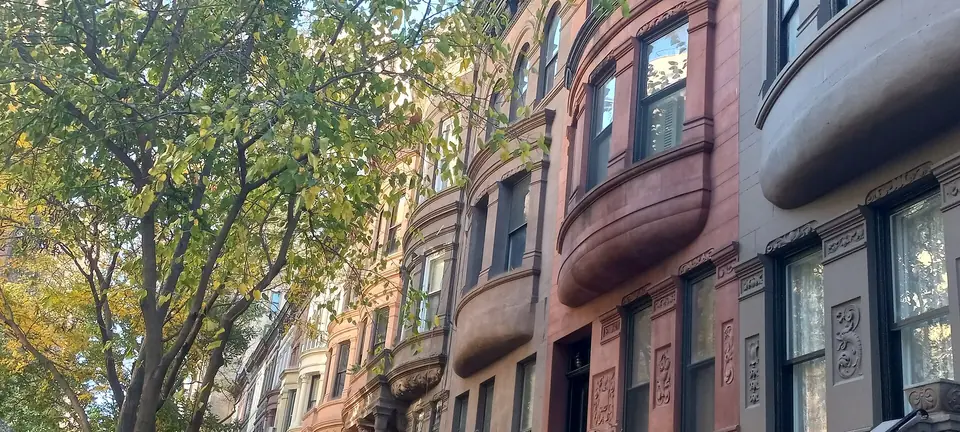
Upper West Side (Central) covers the middle of the neighborhood, from 72nd Street to 96th Street, between Central Park and the Hudson River. The side streets between Central Park West and Riverside Drive are lined with brownstones and prewar apartment houses, most of them six to twelve stories tall. Broadway cuts diagonally across the grid, and Columbus and Amsterdam Avenues carry most of the shops and cafés. The result is a residential district that feels lived in rather than visited, with a steady rhythm of school runs, dog walks and grocery shopping.
The street grid makes orientation easy. Numbered cross streets run east to west, so walking toward a lower number takes you toward Midtown and Central Park, and a higher number takes you toward Harlem. Fifth Avenue divides East from West addresses, which matters mainly when you give an address to a driver. Central Park forms the eastern edge for the whole area, so a room facing east often looks over trees, while rooms facing west catch the sunset over the Hudson River.
Who it suits
The area suits families and long-stay visitors who want a calm base with quick access to the sights. The streets are quiet at night, Central Park works as a playground, running track and picnic ground, and the Natural History Museum is a few minutes away on foot. Museum visitors do well here, with the Met a walk across the park. Travelers who want nightlife at the door, or who plan to spend most days in the Financial District, will find other neighborhoods more convenient.
Repeat visitors often settle here because it feels like a working neighborhood rather than a tourist district. Grocery stores, pharmacies, laundries and quiet cafés sit within a few blocks of most addresses, which matters on a longer stay. Business travelers can reach Midtown in a short subway ride, and Grand Central Terminal and Penn Station are each about 2.5 miles (4 km) away. Solo travelers usually find the area comfortable, since the main avenues stay busy and well lit in the evening.
Getting around and to the airports
The subway runs 24 hours a day, and several stations along Broadway and Central Park West put the whole island within reach. Fares are paid by tapping a contactless card or phone at the turnstile; spending is capped weekly after a set number of rides in seven days, and the MetroCard is being phased out. Buses run along Columbus and Amsterdam Avenues and cross the park on a few numbered streets. Driving in is straightforward, but vehicles entering Manhattan below 60th Street pay a congestion toll, so many visitors leave the car behind.
For the airports, the routes are all public transport. JFK is reached by the AirTrain to Jamaica, then a commuter train or subway into Manhattan, or by the AirTrain to Howard Beach for the subway. LaGuardia is closest by road, and a free shuttle bus links the airport with the subway. Newark Liberty has its own AirTrain station, with commuter trains running into Penn Station. JFK and Newark are typically 45 to 75 minutes from Midtown depending on traffic and connections, so check current service with the operator before you travel.
- The subway runs 24 hours a day; tap a contactless card or phone at the turnstile.
- Weekly spending on taps is capped after a set number of rides in seven days.
- Buses run along Columbus and Amsterdam Avenues and cross the park on some numbered streets.
- For JFK, take the AirTrain to Jamaica and continue by commuter train or subway.
- For Newark, the AirTrain links to commuter trains that run into Penn Station.
What is nearby
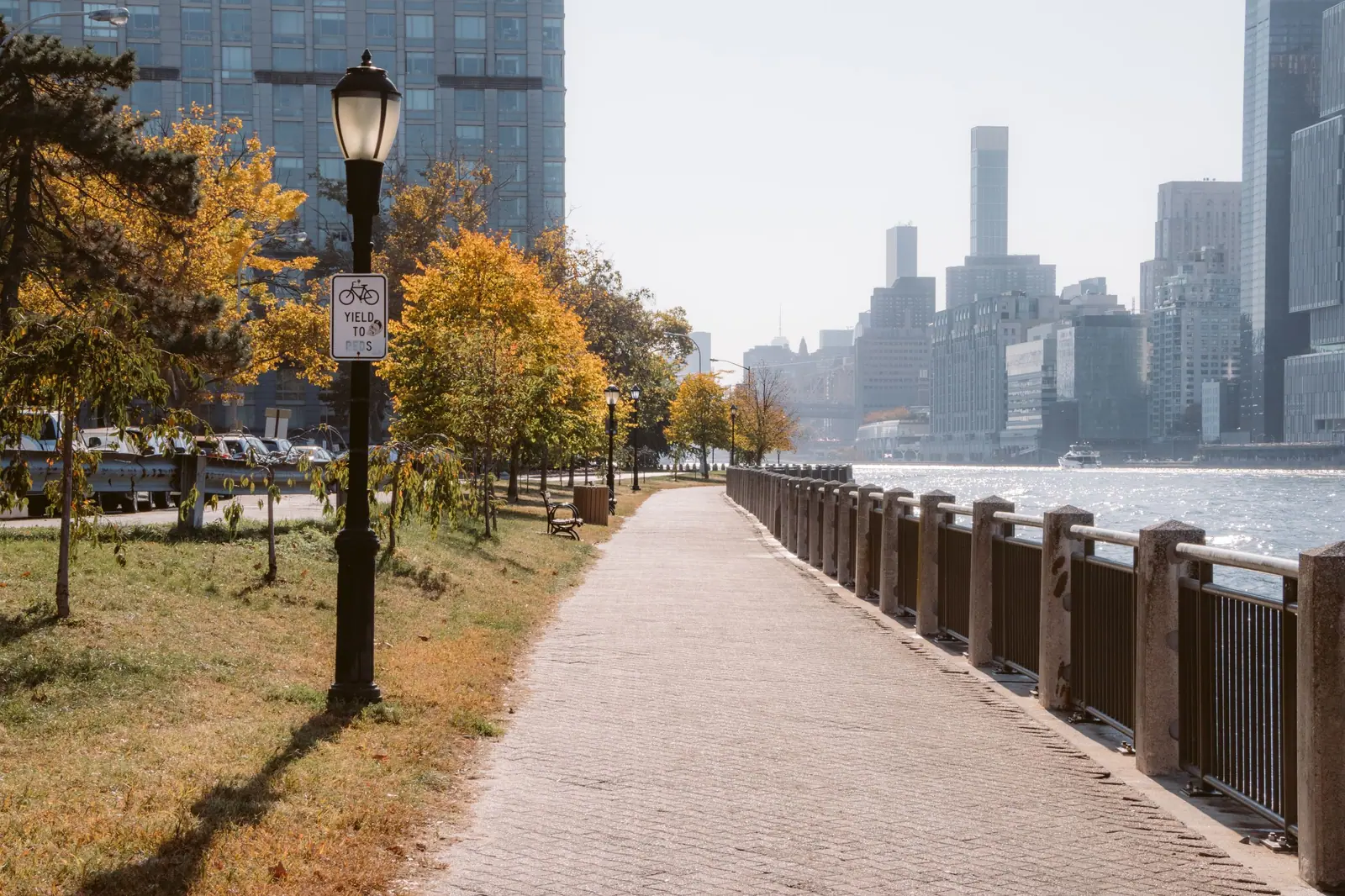
The American Museum of Natural History sits on Central Park West at 79th Street, about 0.4 miles (0.6 km) from the middle of the area, and Central Park itself begins across the avenue. Riverside Park follows the Hudson River along the western edge, with paths, lawns and river views. Across the park, the Metropolitan Museum of Art is at Fifth Avenue and 82nd Street, at the start of Museum Mile. MoMA is about 1.8 miles (2.9 km) south, the Broadway theaters around Times Square about 2.0 miles (3.2 km), and the Intrepid Museum on the Hudson about 2.0 miles (3.2 km) southwest.
Most of these are walkable, though crossing the park adds time and looks shorter on a map than it feels on foot. Museum opening days and timed-entry rules change through the year, so check with each museum before setting out. The 9/11 Memorial is about 5.6 miles (9 km) south, and the Financial District is a single subway ride away. For an evening show, check curtain times with the theater; most Broadway curtains fall at 7 or 8 pm.
- The American Museum of Natural History, about 0.4 miles (0.6 km) away, on Central Park West at 79th Street.
- Central Park, about 0.6 miles (1 km) east, free to enter at the cross-street entrances along Central Park West.
- The Metropolitan Museum of Art, about 0.8 miles (1.3 km) east, at Fifth Avenue and 82nd Street on Museum Mile.
- Broadway theaters around Times Square, about 2.0 miles (3.2 km) south; check curtain times with each show.
- The Intrepid Museum, about 2.0 miles (3.2 km) southwest on the Hudson River.
Eating and drinking
Columbus and Amsterdam Avenues are the everyday eating streets, with a mix that runs from bagel shops and coffee bars in the morning to pizza by the slice, taquerias, ramen shops, Thai and Indian kitchens, Middle Eastern counters and sushi late into the evening. Many places are small and casual, built for a quick lunch or a takeaway dinner. Grocery stores and food markets along Broadway make self-catering easy if the room has a kitchenette, and a few streets carry most of what you need for a picnic in the park.
Further along Broadway and on the side streets, the range widens to trattorias, wine bars, steakhouses and bakeries, with brunch queues on weekend mornings. Reservations help at dinner, particularly on Friday and Saturday. Table-service places expect a tip, and some bills add a service charge, so read the check before adding anything. For a special meal, the Theater District and Midtown are a short ride south.
Safety, practical tips and hotels
Upper West Side (Central) is a busy residential district, and the main avenues stay active well into the evening. Ordinary city habits cover most of it: keep phones out of sight on quiet side streets at night, stay aware near park entrances after dark, and use the paths through Central Park that other people are using. Riverside Park is quieter after dusk and better walked in company. For anything urgent, dial 911. The main avenues are well lit and well used at most hours.
Summer is hot and humid, winter is cold with snow in some years, and spring and autumn are the mildest seasons; Central Park's autumn color usually peaks in early to mid November. December is the busiest holiday period, while January to early March is the quietest. The subway runs all night, so a late dinner downtown does not strand you. Tap to pay rather than buying a card, and check service changes with the transit authority on the day.
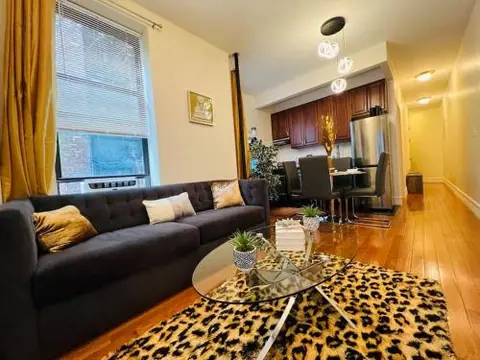
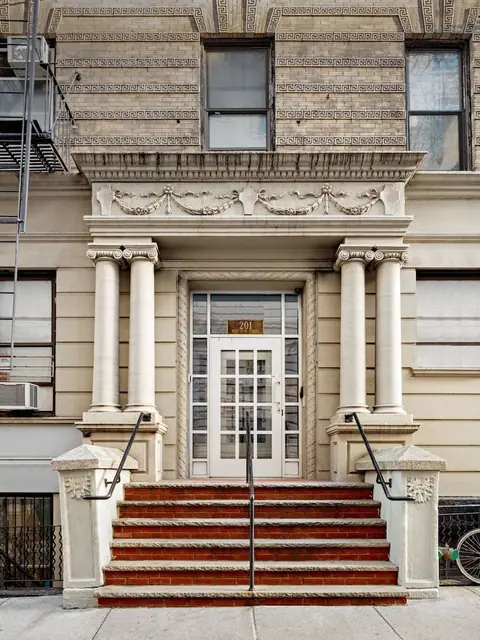
Hotels here come in two broad shapes: small conversions in brownstones and prewar buildings on the side streets, and larger buildings along Broadway and Central Park West. Small places may have walk-up stairs, compact rooms and courtyard views, so ask about the lift and the room position. Always check the total price with taxes and fees, since city and state taxes and a per-night occupancy charge are added to the room rate, and some hotels add a facility or destination fee.
Keep reading
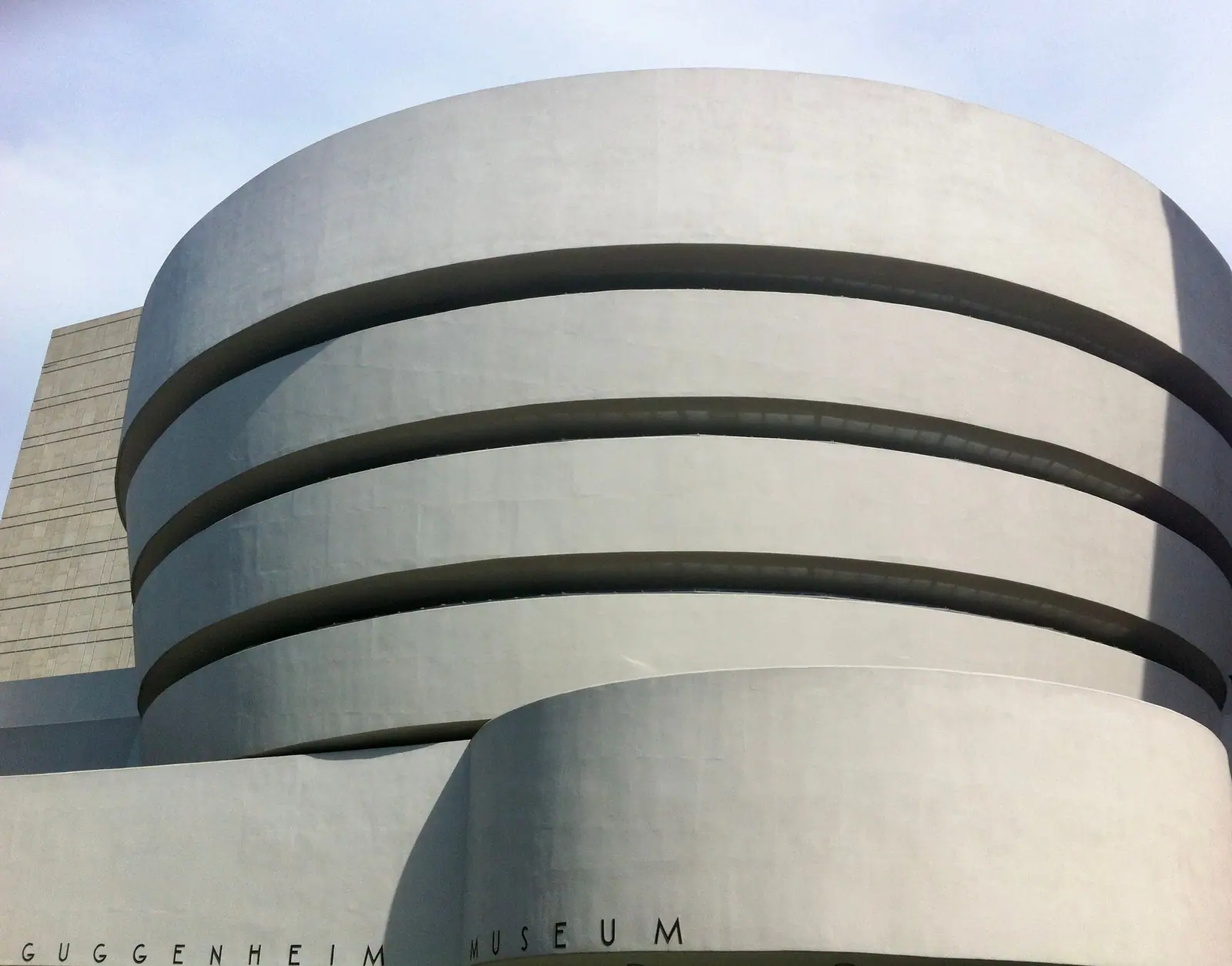
Staying in Upper West Side (Central): questions
Where is Upper West Side (Central) in Manhattan?
Upper West Side (Central) covers the middle of the Upper West Side, from 72nd Street to 96th Street, between Central Park on the east and the Hudson River on the west. Broadway cuts diagonally through it, and Columbus and Amsterdam Avenues carry most of the shops. Times Square is about 2.1 miles (3.3 km) south, and the park edge at 59th Street about 1.6 miles (2.5 km).
How do you get from Upper West Side (Central) to JFK airport?
The usual route uses the subway or a commuter train to Jamaica, where the AirTrain runs to the airport terminals; the AirTrain from Howard Beach also connects to the subway. Allow for traffic and connections, since JFK is typically 45 to 75 minutes from Midtown. Check current service with the transit operator before traveling.
Which museums are near Upper West Side (Central)?
The American Museum of Natural History is on Central Park West at 79th Street, about 0.4 miles (0.6 km) from the center of the area. The Metropolitan Museum of Art is about 0.8 miles (1.3 km) east, at Fifth Avenue and 82nd Street on Museum Mile. MoMA is about 1.8 miles (2.9 km) south. Check opening days and timed entry with each museum.
Is Upper West Side (Central) a good area for families?
It works well for families. Side streets are quiet, Central Park is a short walk east and Riverside Park runs along the Hudson, both free to enter. Grocery stores, pharmacies and casual restaurants sit close to most addresses, and the subway reaches Midtown quickly. Rooms in brownstone conversions can be compact, so check bed sizes and stairs before booking.
How do you pay for the subway from Upper West Side (Central)?
Tap a contactless bank card or phone on the reader at any station along Broadway or Central Park West. Spending is capped weekly after a set number of rides in seven days, which suits a stay of several days. The MetroCard is being phased out, so tap to pay where you can. Check current arrangements with the transit authority.
When is a good time of year to stay in Upper West Side (Central)?
Spring, from April to June, and autumn, from September to November, are the mildest seasons and the most comfortable for walking. Central Park's autumn color usually peaks in early to mid November. December is the busiest holiday period, while January to early March is the quietest. Summer is hot and humid, and winter is cold with snow in some years.
How do you choose a hotel in Upper West Side (Central)?
Decide first between a small conversion in a brownstone or prewar building on a side street and a larger property on Broadway or Central Park West. Ask about stairs, room size and street noise. Then compare the total price with taxes and fees, including the per-night occupancy charge and any facility fee, before you book.
Is Upper West Side (Central) safe at night?
The main avenues stay busy and well lit into the evening, and the area is residential rather than a nightlife district. Use ordinary city habits: keep phones out of sight on quiet side streets, stay aware near park entrances after dark, and walk through Central Park on paths that other people are using. For anything urgent, dial 911.
Hotels in Upper West Side (Central)
 ★★★★ 4-star
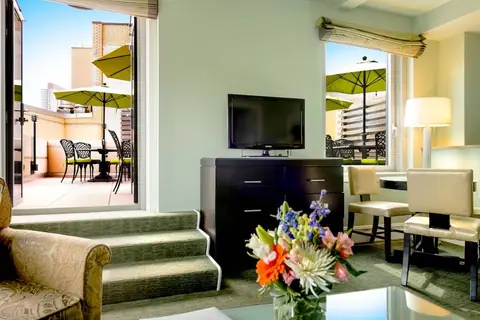 ★★★★ 4-star
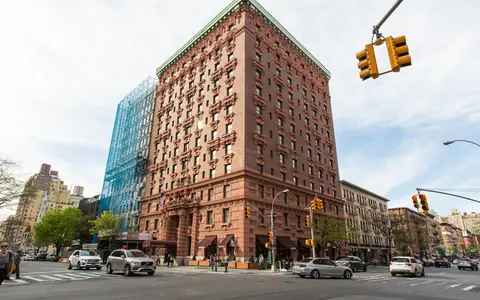 ★★★★ 4-star
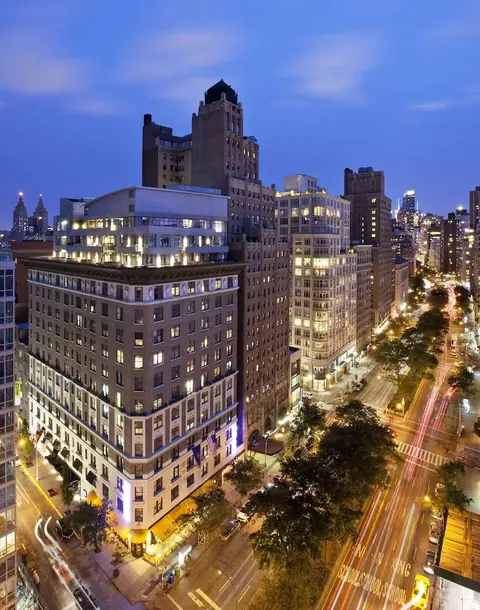 ★★★★ 4-star
Arthouse Hotel New York City
Central Upper West Side4.1Guest score from the booking supplier · 2224 reviews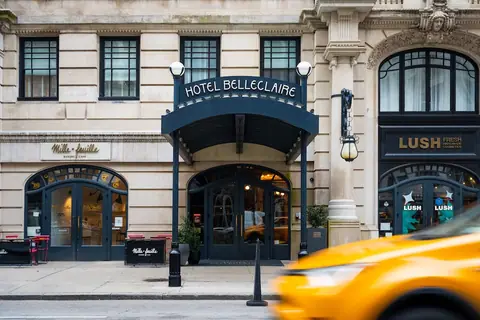 ★★★★ 4-star
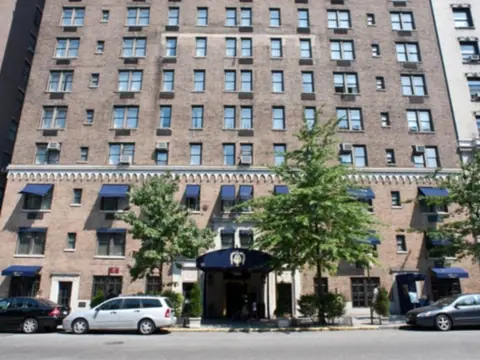 ★★★ 3-star
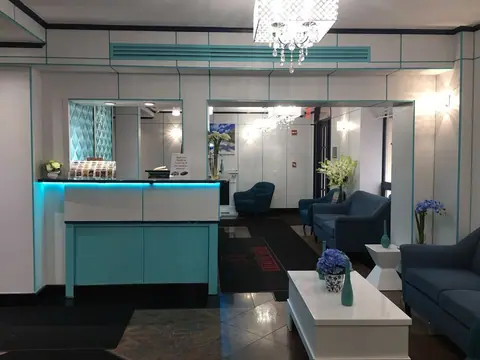 ★★ 2-star
 ★★★ 3-star
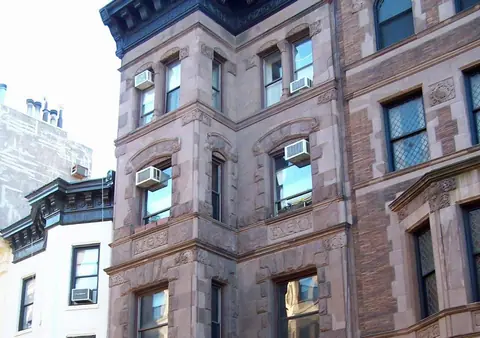
Upper West Side Brownstone
Central Upper West Side4.0Guest score from the booking supplier · 1 review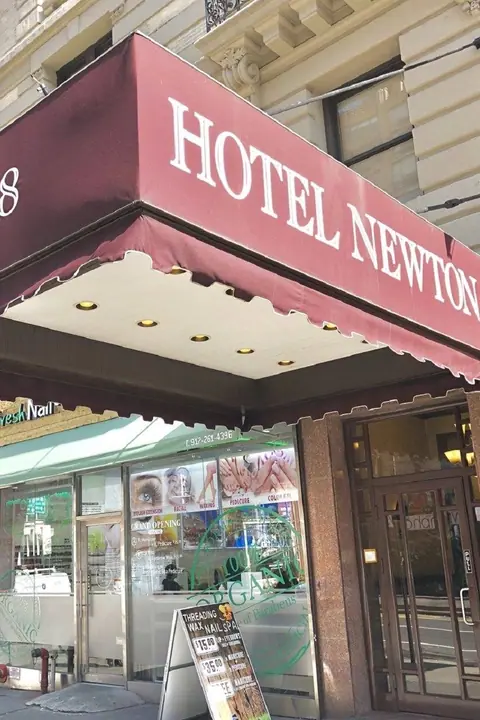 ★★★ 3-star
 ★★ 2-star
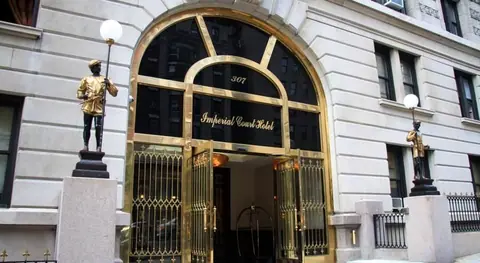 ★★ 2-star
 ★★ 2-star
Royal Park Hotel and Hostel
Central Upper West Side3.2Guest score from the booking supplier · 603 reviews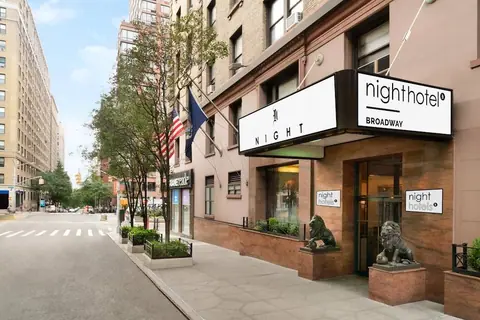 ★★★ 3-star
 ★★ 2-star
 ★★ 2-star
 ★★ 2-star
 ★★ 2-star
 ★ 1-star
 ★ 1-star