- Borough
- One of the five New York City boroughs
- Districts
- Five, from the tip to Upper Manhattan
- Land area
- About 22.7 square miles
- Subway
- Runs 24 hours a day
How the districts differ
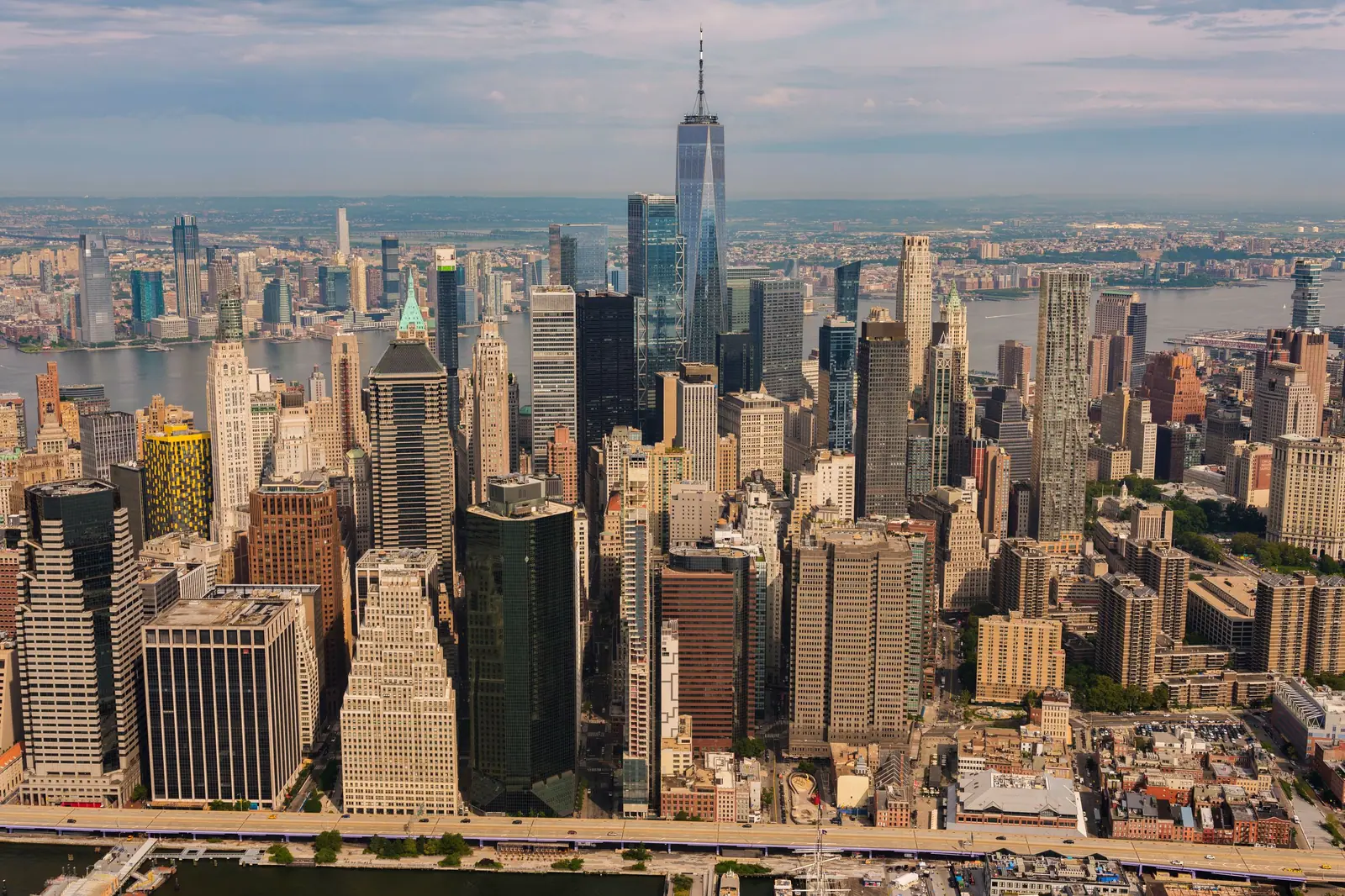
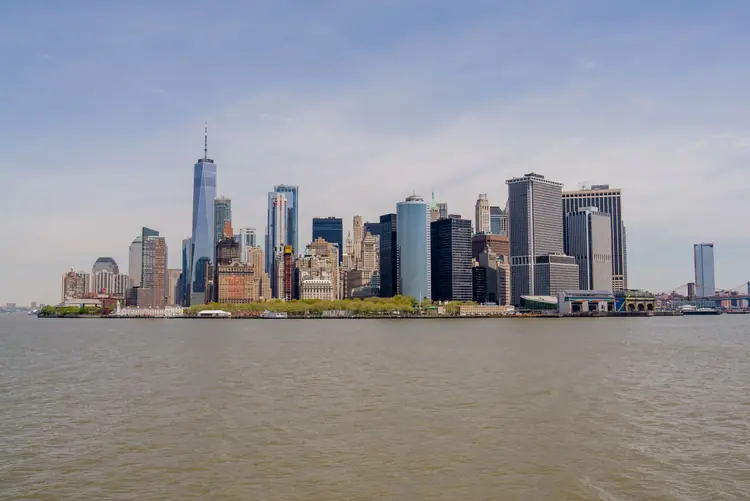
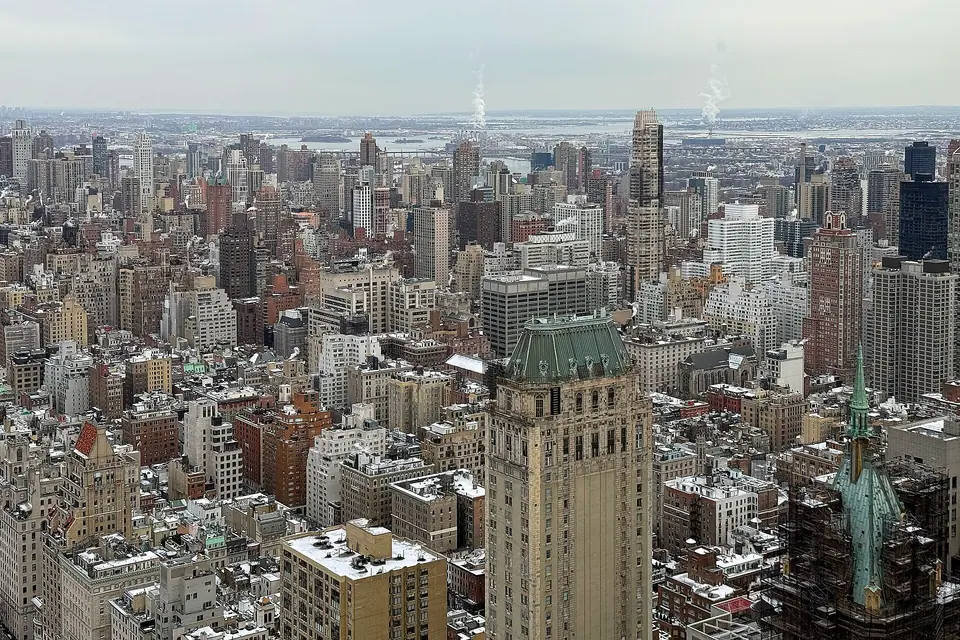
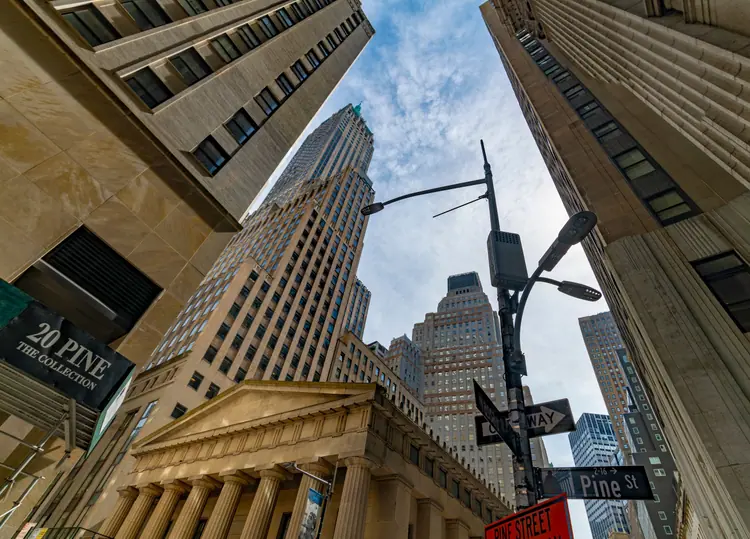
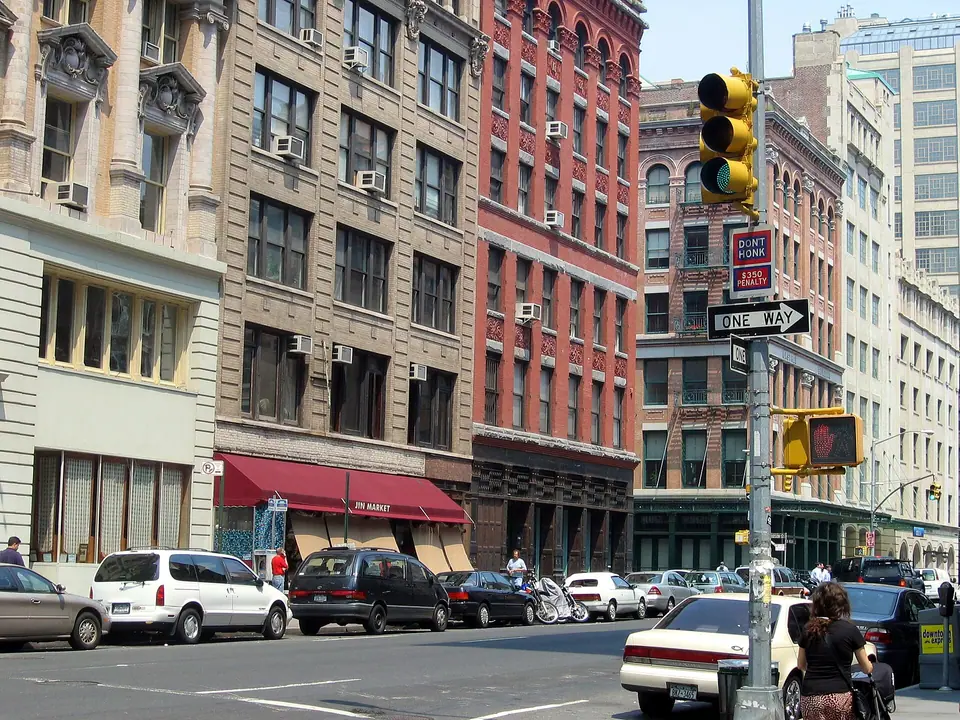
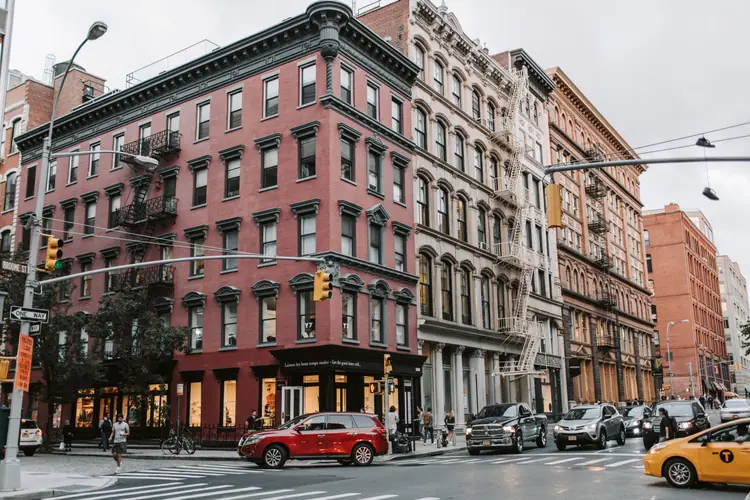
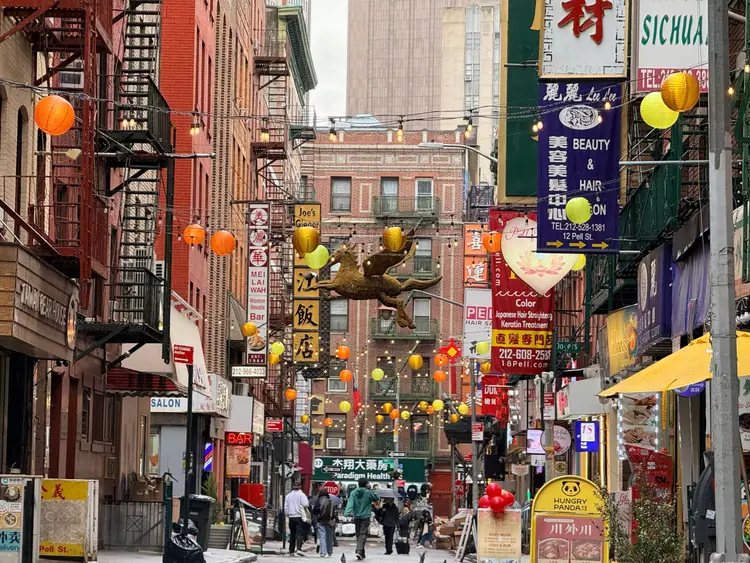
Manhattan is one island with several distinct characters, and where you stay shapes a trip more than the room does. Downtown, below 14th Street, has older and irregular streets, with the Financial District, Tribeca, SoHo, Chinatown, the Lower East Side, the East Village and the two Villages packed close together. Midtown, from 14th Street to 59th Street, follows the Commissioners' Plan of 1811: numbered streets run east to west, avenues run north to south, and Fifth Avenue divides East from West street numbers.
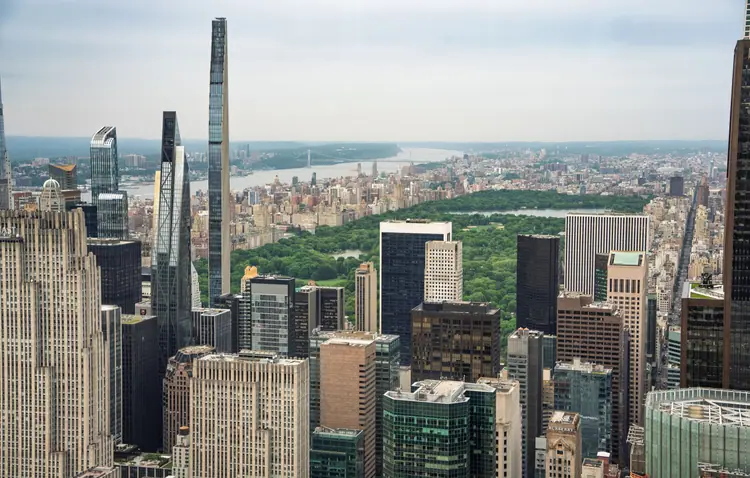
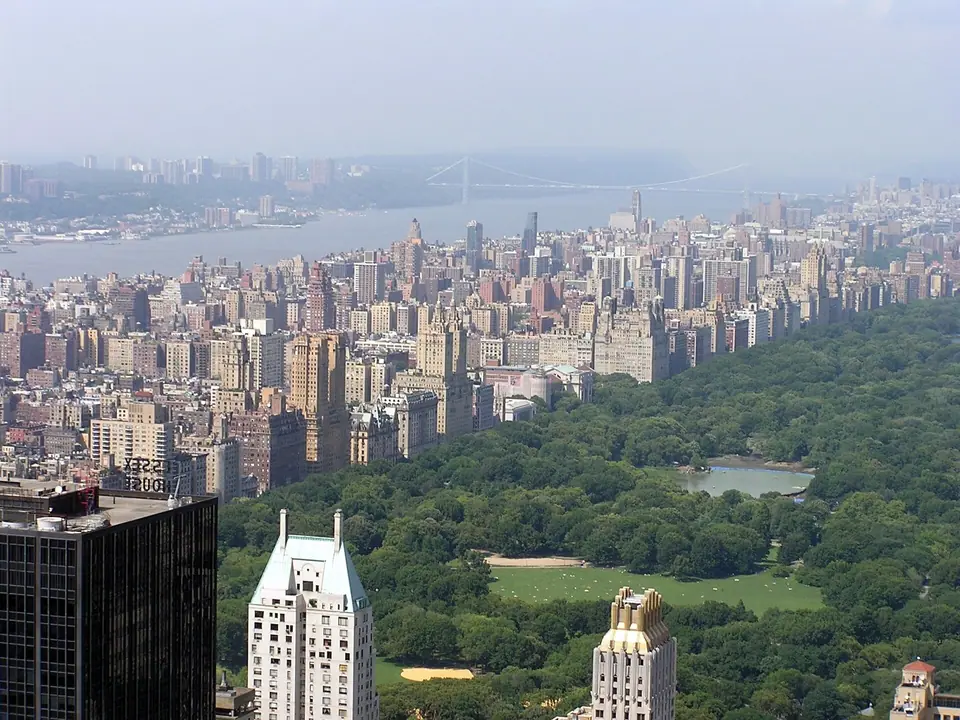
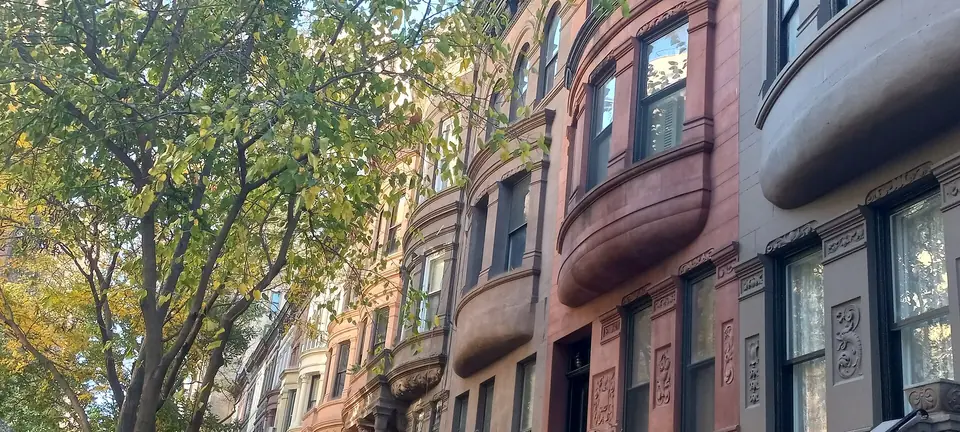
Those differences show up in daily rhythm rather than in star ratings. Downtown rewards walking, because the neighborhoods change block by block. Midtown puts you near Grand Central Terminal, Penn Station and the Broadway theaters around Times Square, which suits short trips and late evenings. The Upper West Side and the Upper East Side are quieter and greener, with Central Park as a shared front yard. Harlem and Upper Manhattan sit further north, and the pace there is set by local streets rather than by visitors.
Scale is worth holding in mind. The island covers about 22.7 square miles, runs roughly 13.4 miles from the southern tip to the north, and is about 2.3 miles wide at its widest point. Uptown means north and downtown means south, a habit of speech that confuses visitors reading the grid for the first time. A base near a subway line that runs express through the middle of the island saves more time than a base a few blocks closer to one sight.
Who each district suits
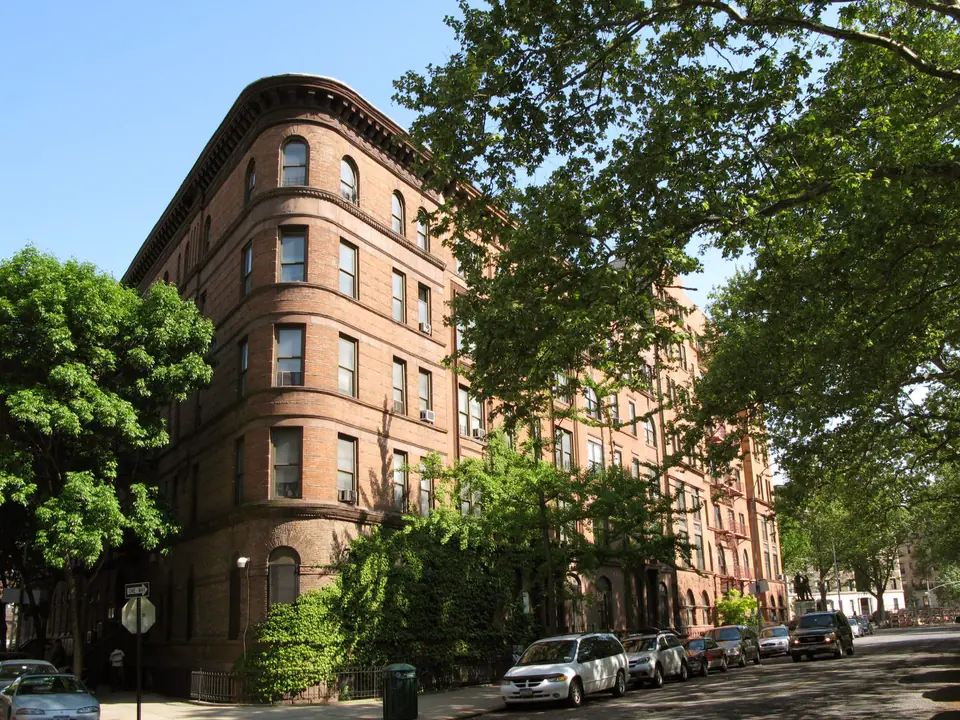
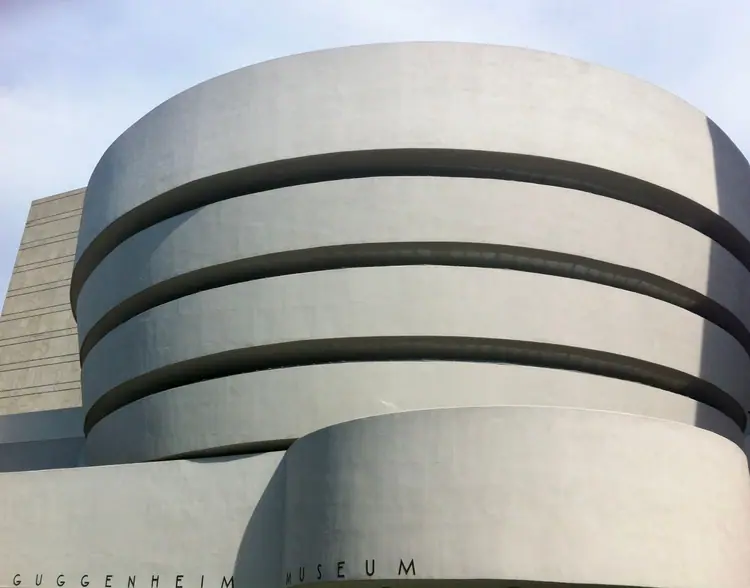
Choosing a district comes down to how you plan to spend each day. A first visit often works with a base in Midtown or Downtown, where the sights, the main stations and evening entertainment cluster. Museum trips pull toward the Upper East Side and Museum Mile, or the Upper West Side for the American Museum of Natural History at 79th Street. Longer stays and repeat visits can move north to Harlem and Upper Manhattan, where the streets are quieter at night and the daily rhythm is local.
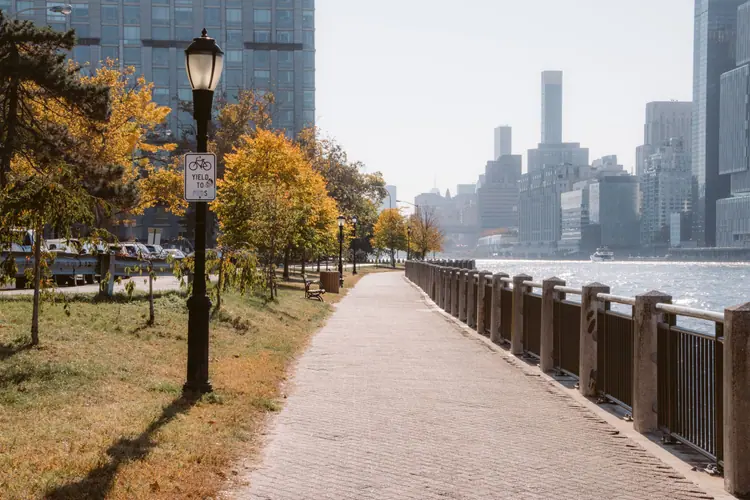
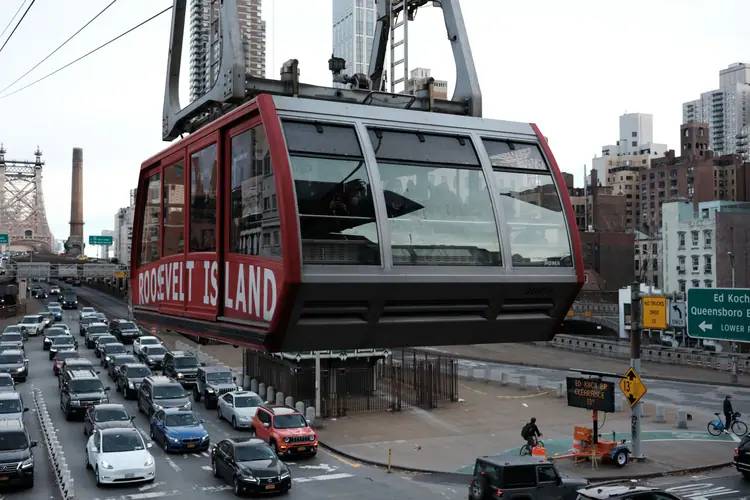
Each district asks something different in return. Downtown and Midtown give you short walks and frequent subway stops, at the cost of street noise and crowded sidewalks. The Upper West Side and Upper East Side trade nightlife for space, trees and calmer evenings, with Roosevelt Island within easy reach of the East Side group. Harlem and Upper Manhattan ask for a little more travel time and reward it with lower buildings, longer views and a stronger sense of local life.
- Downtown Manhattan: first-time visitors who want the Financial District, Tribeca, SoHo, Chinatown and the Villages within walking distance.
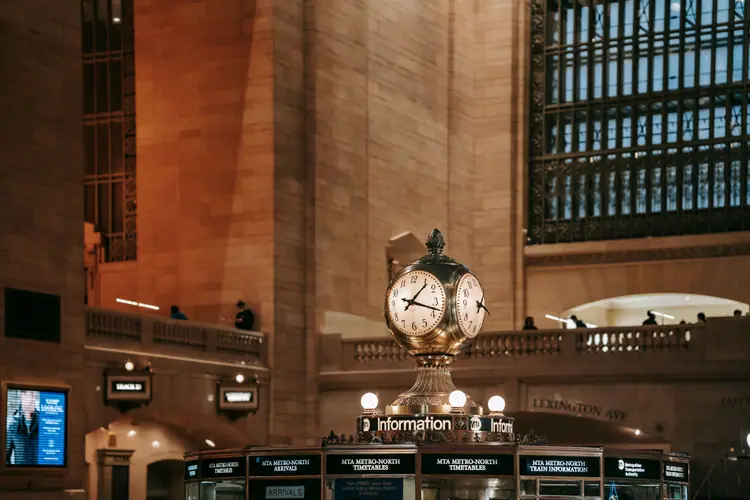
- Midtown Manhattan: short trips, theater evenings and travelers arriving or leaving by train from Grand Central Terminal or Penn Station.
- Upper West Side: families and museum days, with the American Museum of Natural History on Central Park West at 79th Street.
- Upper East Side: museum-goers working along Museum Mile and travelers who prefer calm residential streets east of the park.
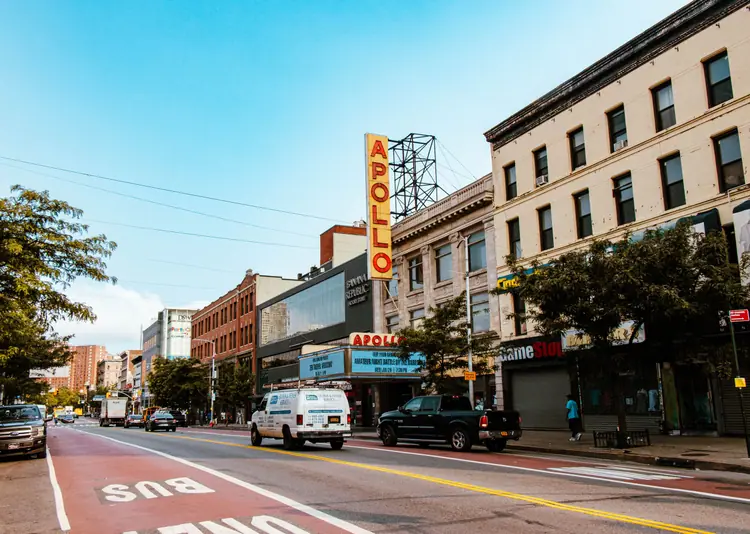
- Harlem and Upper Manhattan: repeat visitors and longer stays, with the Apollo Theater on West 125th Street as a northern anchor.
Getting between the districts
The subway is the practical way to move between districts, and it runs 24 hours a day. Tap to pay at the turnstile with a contactless card or phone, and weekly spending is capped after a set number of rides in seven days. Broadway runs diagonally across the grid, which makes some cross-town trips shorter on foot than by train. Weekend service changes are common, so check the MTA's service updates before a long ride. Crosstown buses fill the gaps where no train runs directly.
Walking covers more than expected within a district, and buses help on streets without a direct train. Grand Central Terminal at 42nd Street and Park Avenue, Penn Station between Seventh and Eighth Avenues at 34th Street, and the Port Authority Bus Terminal at 42nd Street and Eighth Avenue are the main rail and bus gateways. From the southern tip, the Staten Island Ferry leaves Whitehall Terminal, is free and passes the Statue of Liberty in about 25 minutes. Allow more time than a map suggests for cross-town journeys in rush hours.
When to visit
Seasons matter more than a single forecast suggests. Summers are hot and humid, winters are cold with snow in some years, and spring from April to June and autumn from September to November are the mildest stretches. Central Park's autumn color usually peaks in early to mid November. December is the busiest holiday period, when the Rockefeller Center Christmas tree is lit and the Fifth Avenue department-store windows are dressed, while January to early March is usually the quietest. Heat waves and winter storms each change how much walking a day can hold.
The season also changes which district works well. In December, Midtown puts you within walking distance of the holiday lights, at the cost of crowds and higher demand for rooms. In spring and autumn, the Upper West Side and Upper East Side are at their easiest, with the park on the doorstep. Summer evenings favor the High Line and the West Side waterfront. Manhattanhenge, when sunset aligns with the cross streets, falls a few days a year, usually in late May and mid-July. Book well ahead for the weeks around the holidays, when rooms in every district fill quickly.
How to choose where to stay
Start with the shape of the trip. Three nights built around theater and museums point to Midtown; a week of neighborhood walking points downtown; a slower stay with children often suits the Upper West Side. Then check the practical side: the nearest subway entrance, the walk to the places you plan to see each day, and how much street noise the room faces. Room size varies widely across the island, and older buildings rarely match new ones. Rooms facing a main avenue hear traffic all night; rooms at the back of the same building are usually quieter.
Compare the total, not the headline rate. New York City hotel bills add state and city taxes and a per-night occupancy charge to the room rate, and some hotels add a facility or destination fee, so ask for the total price with taxes and fees. This site shows no prices: every booking button opens live prices in the IMPT app, where you can compare districts on the same dates. Booking early helps in December and around major events. Ask directly about anything the room description leaves vague.
- Match the district to your days: Downtown for walking, Midtown for stations and theaters, the Upper sides for the park.
- Ask for the total price with taxes and fees, including any facility or destination charge, before comparing rooms.
- Check the walk from the nearest subway entrance, especially for late-evening returns.
- For longer stays, weigh a kitchen or a larger room against a shorter commute to the sights.
Hotels in Manhattan, by District: questions
Which Manhattan district suits a first visit?
Midtown and Downtown are the easiest first bases. Midtown puts Grand Central Terminal, Penn Station, the Theater District and the Empire State Building within a short walk or ride, while Downtown covers the Financial District, Tribeca, SoHo, Chinatown and the Villages. Choose Midtown for a short trip built around shows, Downtown for a week of walking.
How do Manhattan hotels differ between Downtown and Midtown?
Downtown hotels sit among older, irregular streets and converted buildings, and the area quiets down in the evening outside the nightlife blocks. Midtown hotels cluster around the stations, the Theater District and Midtown East, with more late-evening activity and more street noise. Downtown suits walking; Midtown suits short trips and train connections.
Are Manhattan hotels on the Upper East Side quieter than in Midtown?
Generally, yes. The Upper East Side, from 59th Street to 96th Street, runs through Lenox Hill, Museum Mile, Carnegie Hill and Yorkville, and its side streets are residential and calm at night. Midtown carries traffic, theaters and late-night crowds. The trade-off is travel time: a museum day on the Upper East Side is easy, while evening plans in Midtown need a subway or bus ride.
How do you reach Manhattan hotels from the airports?
From JFK, take the AirTrain to Jamaica for the LIRR or the E, J and Z subway lines, or to Howard Beach for the A train. From Newark Liberty, the AirTrain connects to the Newark Liberty International Airport station, then NJ Transit or Amtrak to Penn Station. LaGuardia is closest by road, and the free Q70 LaGuardia Link bus connects to the subway. Journeys to Midtown are typically 45 to 75 minutes.
When should you book Manhattan hotels for the holiday season?
December is the busiest period on the island, when the Rockefeller Center Christmas tree is lit and the Fifth Avenue department-store windows are dressed. Book well ahead for those weeks. January to early March is usually the quietest stretch, which gives more choice across districts. Spring from April to June and autumn from September to November are mild and popular, so reserve early for those too.
What extra charges appear on Manhattan hotel bills?
Hotel bills in New York City add state and city taxes and a per-night occupancy charge to the room rate, and some hotels add a facility or destination fee. Ask for the total price with taxes and fees before comparing districts or dates. This site shows no prices: every booking button opens live prices in the IMPT app.
Which Manhattan district suits families with children?
The Upper West Side is the usual answer, with Central Park, the American Museum of Natural History on Central Park West at 79th Street and quieter side streets. The Upper East Side works in a similar way, with the park and Museum Mile within walking distance. Midtown suits short family trips built around a few big sights, though evenings there are busier.
Is Upper Manhattan a practical base for Manhattan hotels?
Yes, for longer stays. Harlem, Morningside Heights, Hamilton Heights and Washington Heights sit north of Central Park, with the Apollo Theater on West 125th Street as a familiar anchor. The subway runs 24 hours, so late returns are workable, but allow more travel time to Midtown sights. Buildings are lower and streets quieter, and the trade is a longer ride south.
Manhattan by district
By neighborhood
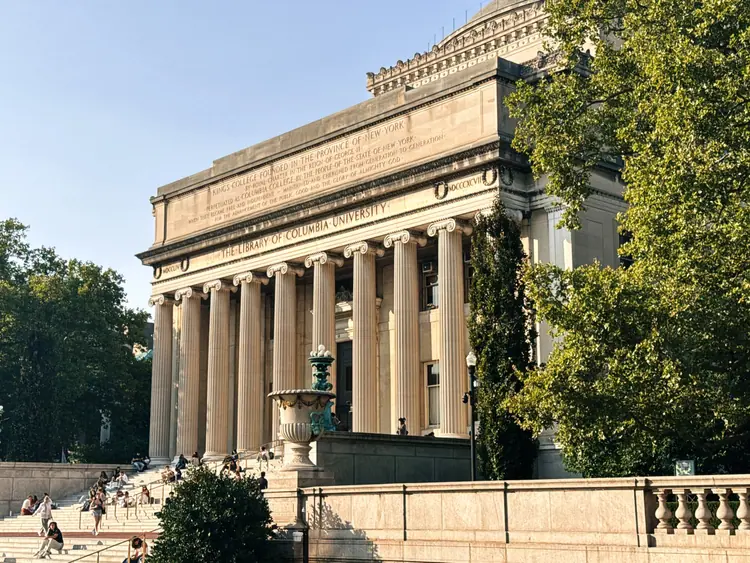
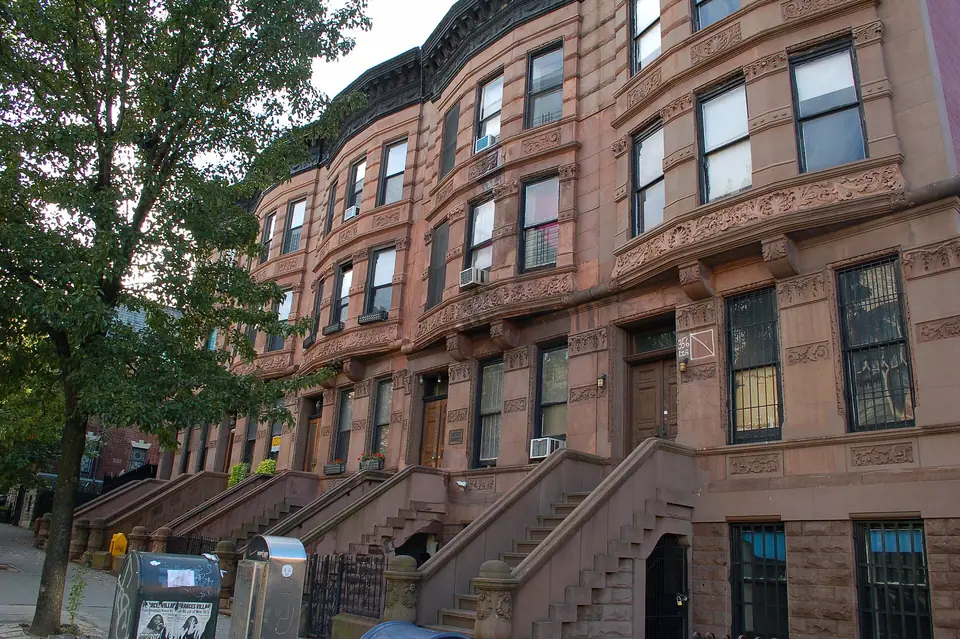
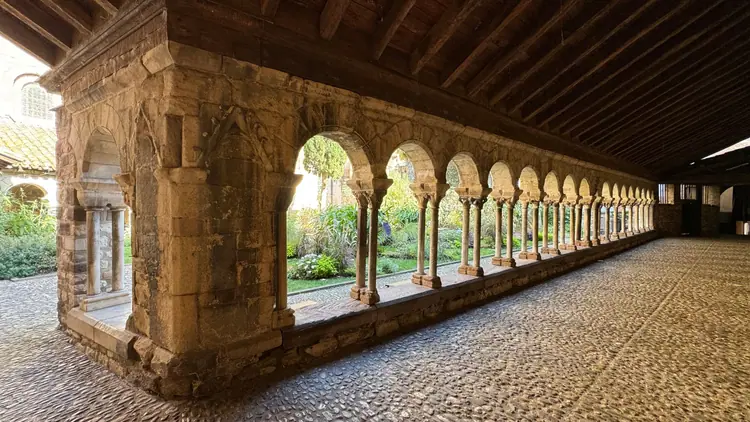
Top-rated stays
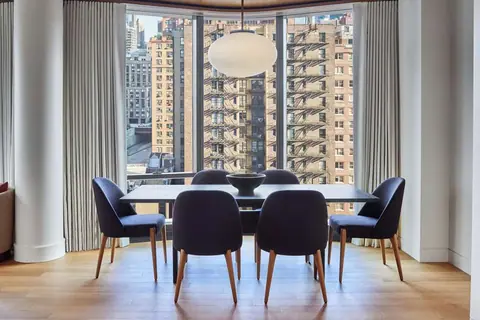 ★★★★★ 5-star
 ★★★★★ 5-star
 ★★★★★ 5-star
 ★★★★★ 5-star
 ★★★★★ 5-star
 ★★★★★ 5-star
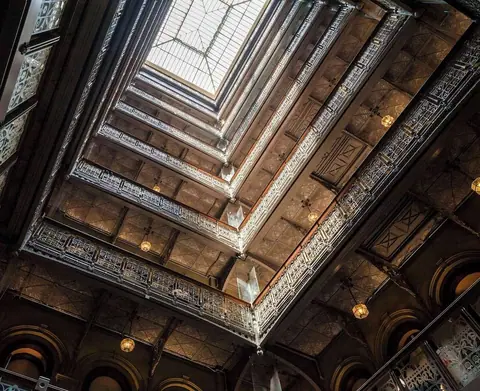
The Beekman A Thompson Hotel by Hyatt
Financial District4.6Guest score from the booking supplier · 2129 reviews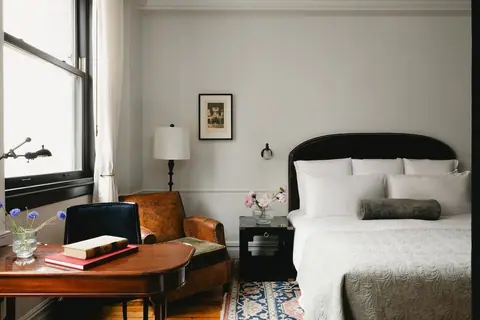 ★★★★★ 5-star
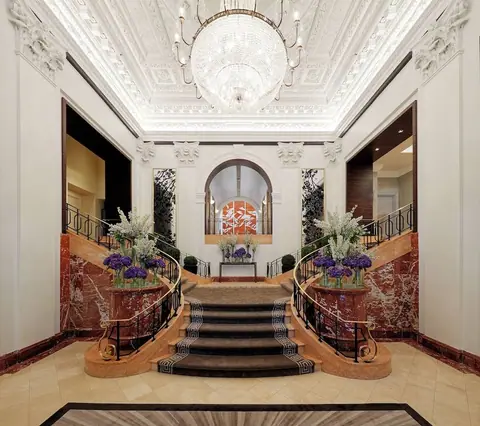 ★★★★★ 5-star
 ★★★★★ 5-star
The Langham New York Fifth Avenue
Herald Square4.6Guest score from the booking supplier · 1655 reviews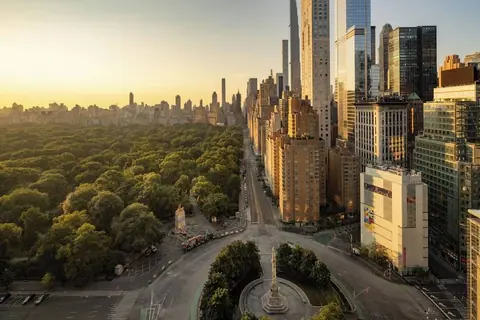 ★★★★★ 5-star
 ★★★★★ 5-star
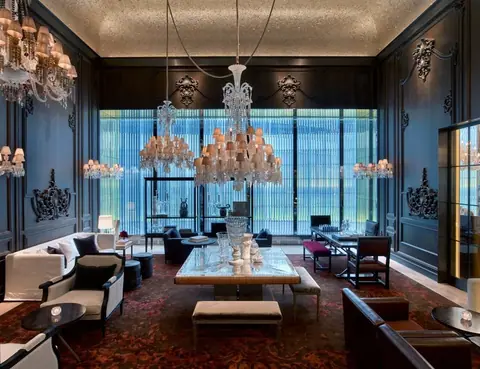 ★★★★★ 5-star