- Bounded by
- Houston Street and Canal Street
- Neighbors
- Little Italy and Hudson Square
- Penn Station
- 1.9 miles (3.1 km) away
- Subway
- Runs 24 hours a day
The shape of SoHo
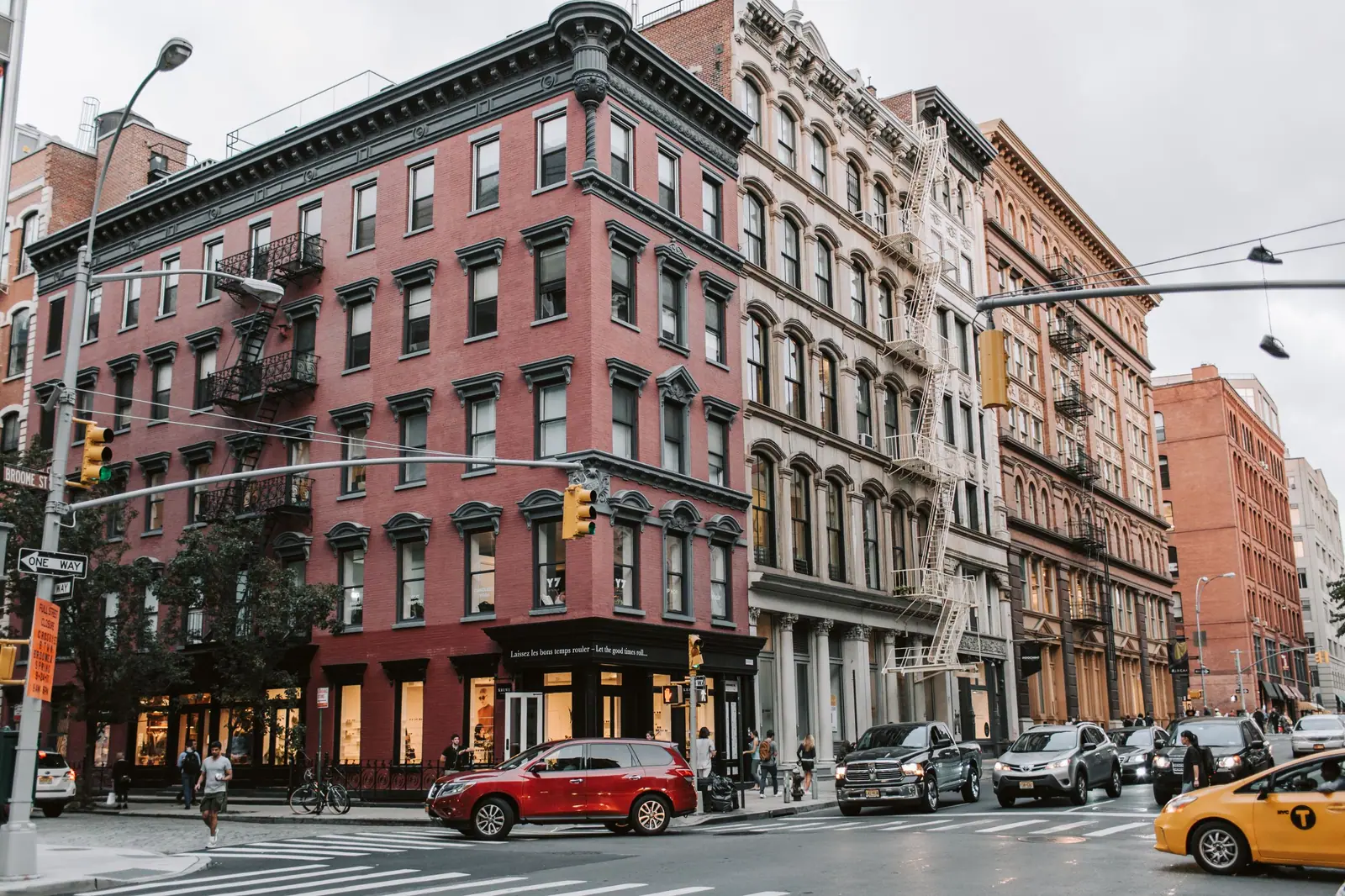
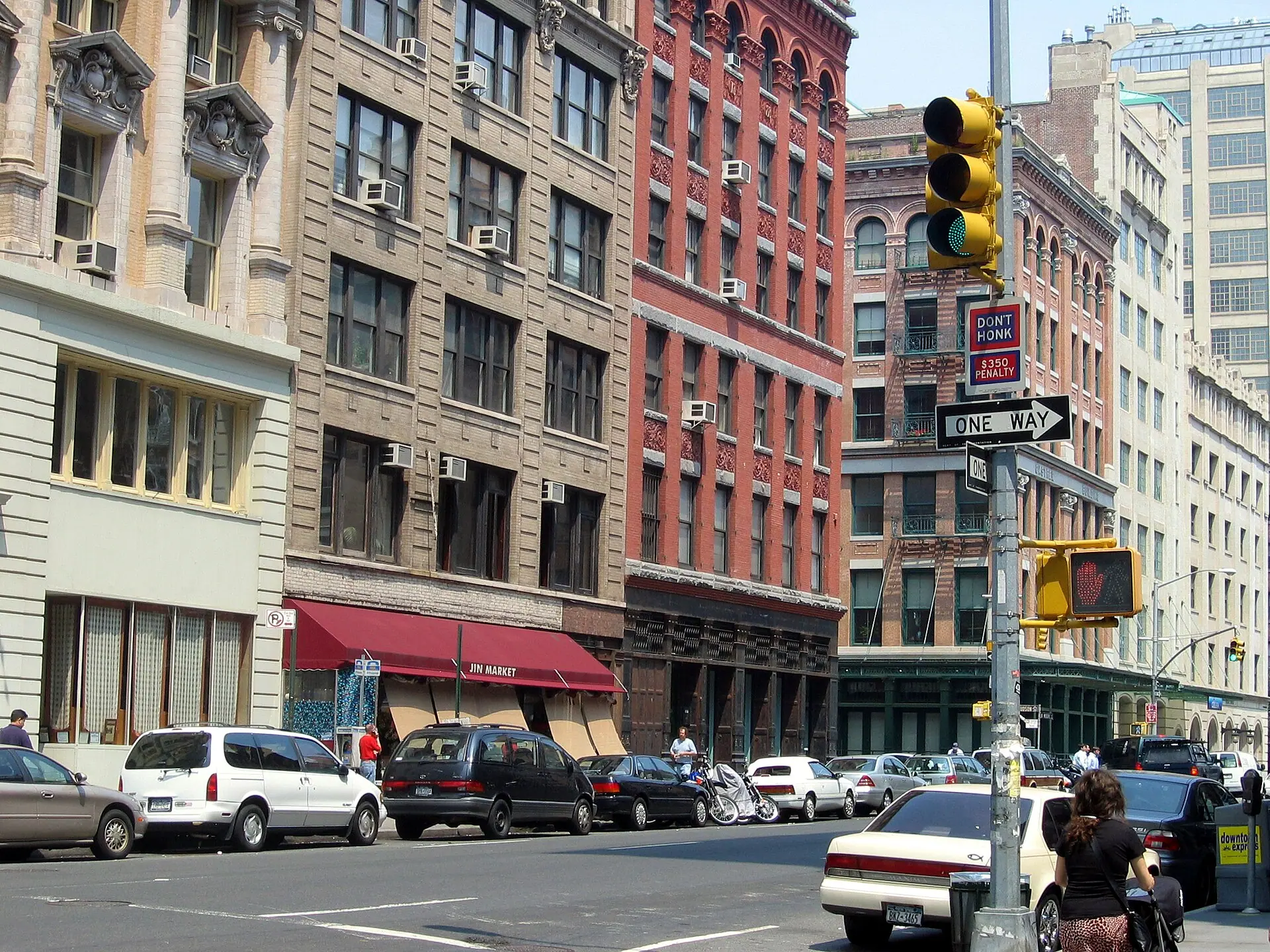
SoHo sits in downtown Manhattan between Houston Street to the north and Canal Street to the south. The name comes from the district's position south of Houston, and the streets themselves are older than the grid that governs most of the island, so they meet at irregular angles. The defining architecture is cast-iron: tall loft buildings with large windows and ornate facades, put up in the middle of the nineteenth century for warehouses and light manufacturing.
Today those lofts hold apartments, galleries, studios and shops. Broadway cuts diagonally through the district, and the side streets are paved with stone blocks that give the area a distinct texture underfoot. Shopping is the loudest activity by day, concentrated on Broadway, Prince Street and Spring Street, while the western edge toward Hudson Square is quieter and more office-like. Little Italy begins to the east, around Mulberry Street, and the two districts run into each other without a clear seam.
Who SoHo suits
SoHo suits travelers who want to be inside downtown rather than above it. If the plan is galleries in the afternoon, dinner within walking distance, and a short ride to the Brooklyn Bridge or the 9/11 Memorial, the district works well. It also suits shoppers, since the main streets are given over to clothing, design and homeware stores. Travelers who want quiet evenings may prefer the side streets west of Broadway, where foot traffic drops after the shops close.
Families with small children often find the area short on playgrounds and long on pavement, though a few small parks sit within a few blocks. Business travelers are well placed for offices in Hudson Square and the Financial District, both a short walk or ride away. Anyone who dislikes crowds should weigh the daytime bustle: the shopping core is busy most days, and the narrow sidewalks fill quickly. Light sleepers should ask for a room away from the street.
- You want shops, galleries and restaurants within a few blocks of your room.
- You plan to spend most days downtown, near the bridge, the memorial or the river.
- You value subway links over quiet, and can sleep through some street noise.
- You would rather stay in a converted loft building than a large full-service property.
Getting around and to the airports
SoHo is compact and best covered on foot. Streets run at odd angles here, so a paper map or a phone map helps on the first day. Broadway is the main diagonal, with Houston Street forming the northern border and Canal Street the southern one. Crossing Canal Street takes patience: traffic is heavy and the intersections are wide. Sidewalks along the shopping streets are narrow, and delivery vans stop in the roadway at most hours.
The subway is the fastest way to reach Midtown and the Upper East and West Sides. Several lines pass under Broadway and near Houston and Canal, so most addresses sit within a few minutes of a station entrance. The system runs 24 hours a day. Fares are paid by tapping a contactless card or phone at the turnstile, and the MetroCard is being phased out, so tap to pay is the simplest choice. Penn Station is about 1.9 miles (3 km) away and Grand Central Terminal about 2.5 miles (4 km).
For airports, JFK is about 13 miles (21 km) away in a straight line and typically 45 to 75 minutes from Midtown by road, depending on traffic; the AirTrain links to the subway at Howard Beach and to rail and subway services at Jamaica. LaGuardia is closest by road, and a free shuttle bus connects it to the subway. Newark Liberty sits in New Jersey, with an AirTrain to a rail station and trains into Penn Station. Drivers entering Manhattan below 60th Street pay a congestion toll. Check current routes and times before you travel.
What is nearby
The compact downtown location puts several major sights within walking distance or a short ride. The walk onto the Brooklyn Bridge begins about about two-thirds of a mile away, and the bridge itself is best crossed early in the morning before the pedestrian lane fills. The 9/11 Memorial and Museum is roughly 1 mile (1.6 km) south, and the Staten Island Ferry leaves from Whitehall Terminal at the island's southern tip, passing the Statue of Liberty on a free crossing.
Little Island and Hudson River Park are about 1.4 miles (2.2 km) west along the waterfront, and the High Line starts about 1.7 miles (2.8 km) away, running north to Hudson Yards and the Vessel. Ferries to the Statue of Liberty and Ellis Island leave from Battery Park and are ticketed. In the other direction, Times Square is 2.5 miles (4.1 km) north and Central Park begins at Fifth Avenue and 59th Street, 3.2 miles (5.2 km) away, both a short subway ride.
- Walk the Brooklyn Bridge early, before the pedestrian lane fills.
- The 9/11 Memorial pools are free; the museum charges an entry fee.
- The Staten Island Ferry is free and passes the Statue of Liberty.
- The High Line runs from Gansevoort Street north to Hudson Yards.
- Little Island and Hudson River Park sit along the western waterfront.
Eating in SoHo
Restaurants here range from quick counter places to long-established dining rooms, and the mix shifts block by block. Broadway and the side streets around Prince and Spring carry the heaviest concentration of casual spots, coffee bars and bakeries, many of them busy at lunch. The western edge toward Hudson Square is quieter, with more offices and fewer tables. Little Italy, just to the east, has a dense run of Italian restaurants along Mulberry Street, with red-sauce menus and sidewalk seating in warm weather.
Cuisines reflect the wider city: Italian, French, Japanese, Korean, Thai, Middle Eastern and Latin American places all sit within a few blocks, alongside pizza slices, dumplings and noodle shops. Reservations help at dinner, especially on weekends and during the holiday season. Many kitchens close between lunch and dinner, and some small rooms shut on Mondays. Tipping is expected at sit-down restaurants, and the amount is added to the bill at your discretion. Check current opening hours before setting out.
Safety, tips and choosing a hotel
SoHo is a busy, well-lit district with heavy foot traffic through most of the day, and street crime is not a common concern for visitors. The usual city rules apply: keep phones and bags close in crowds, use licensed car services late at night, and stay aware on quieter side streets after the shops close. Canal Street and the subway entrances around it are the busiest crossings; take care with traffic, which sometimes ignores signals.
Wear shoes suited to stone paving, which is uneven and slick after rain. Carry a card or phone for transit rather than relying on a paper ticket. Summer heat and humidity are intense in July and August, and winter cold bites in January and February, so plan indoor breaks. Spring and autumn are the mildest seasons for walking. Cell reception is reliable above ground and patchy on parts of the subway. Tap water is safe to drink.
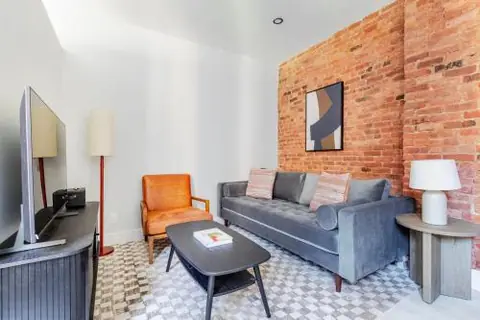
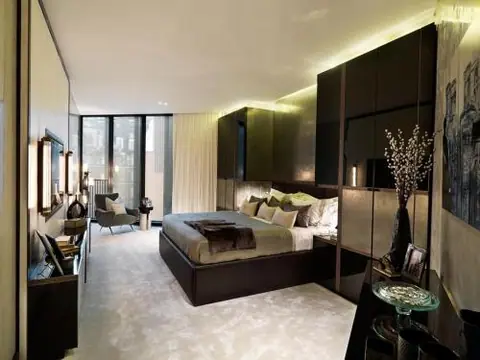
Hotel rooms here tend toward converted loft buildings with high ceilings and large windows, and the district has fewer large full-service properties than Midtown. Choose by street: rooms facing Broadway or the main shopping streets carry more noise, while side streets west of Broadway are calmer. Ask about the total price with taxes and fees, since city and state taxes and a per-night occupancy charge are added, and some properties add a facility fee. Confirm the cancellation terms before booking.
Keep reading
Staying in SoHo, Manhattan: questions
Is SoHo a good area to stay in Manhattan?
SoHo is a good base if you want a downtown location with shops, galleries and restaurants on the doorstep and quick subway access to the rest of Manhattan. The streets are busy by day and quieter at night. It suits travelers who prefer converted loft buildings to large full-service hotels with extensive facilities.
Which airport is closest to SoHo?
LaGuardia is the closest airport to SoHo by road, at roughly 7.7 miles (12.4 km) in a straight line. JFK is about 13 miles (21 km) away and Newark Liberty about 9.3 miles (14.9 km), with rail and AirTrain links into Manhattan. Journeys from Midtown typically take 45 to 75 minutes depending on traffic, so check current routes before traveling.
How do you get from SoHo to Midtown?
SoHo has several subway stations within a few blocks, with lines running under Broadway and near Houston and Canal Streets. Trains reach Midtown, Grand Central Terminal and Penn Station in a short ride, and Times Square is about 2.5 miles (4.1 km) north. Service runs 24 hours a day, so late returns are straightforward.
Do you need a car in SoHo?
A car is a hindrance in SoHo, where sidewalks are narrow, parking is scarce and vehicles entering Manhattan below 60th Street pay a congestion toll. Walking covers most of the district, and the subway connects to the rest of the island around the clock. Use a licensed car service or taxi when you need one.
What is there to see within walking distance of SoHo?
Walking from SoHo, you reach the Brooklyn Bridge in about 0.7 miles (1.2 km), the 9/11 Memorial and Museum in about 1 mile (1.6 km), and Little Island and Hudson River Park in about 1.4 miles (2.2 km). The High Line starts about 1.7 miles (2.8 km) away, and Hudson Yards about 2.1 miles (3.4 km). The Staten Island Ferry leaves from the southern tip of Manhattan.
Where can you eat in SoHo?
SoHo has quick counter places, coffee bars, bakeries and sit-down dining rooms, with Italian, French, Japanese, Korean, Thai and Latin American cooking within a few blocks. Little Italy to the east adds a dense run of Italian restaurants on Mulberry Street. Lunch is easier to book on the day than dinner, and weekend tables fill early.
Is SoHo safe at night?
SoHo is busy and well lit through the day and into the evening, and street crime is not a common concern for visitors. Take the usual city care: keep phones and bags close in crowds, watch traffic on Canal Street, and use a licensed car service late at night. Side streets are quieter after the shops close.
How do you choose a hotel in SoHo?
Choose a hotel in SoHo by street first: rooms on Broadway and the main shopping streets are louder, while side streets west of Broadway are calmer. Ask for the total price with taxes and fees, including any occupancy charge or facility fee, and confirm cancellation terms. Check the room size, since converted loft buildings vary widely.
Hotels in SoHo
 ★★★★★ 5-star
 ★★★★★ 5-star
11 Howard New York a Member of Design Hotels
SoHo3.8Guest score from the booking supplier · 738 reviews ★★★★ 4-star
 ★★★★ 4-star
The Manner The Unbound Collection by Hyatt
SoHo4.7Guest score from the booking supplier · 144 reviews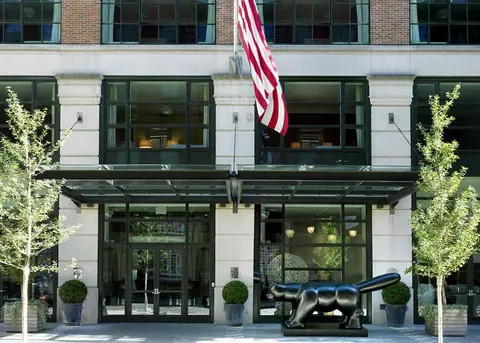 ★★★★ 4-star
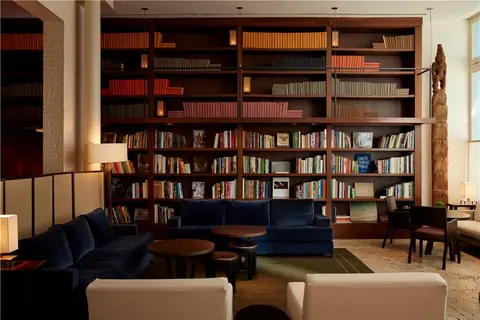 ★★★★ 4-star
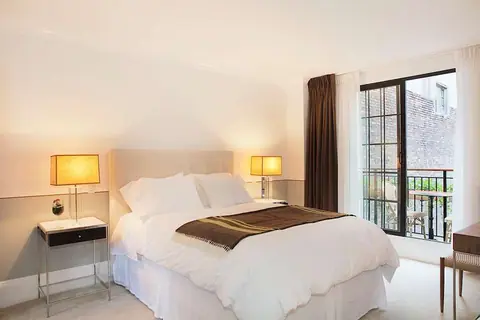 ★★★★ 4-star
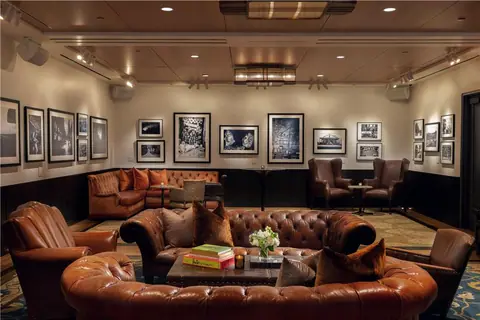 ★★★★ 4-star
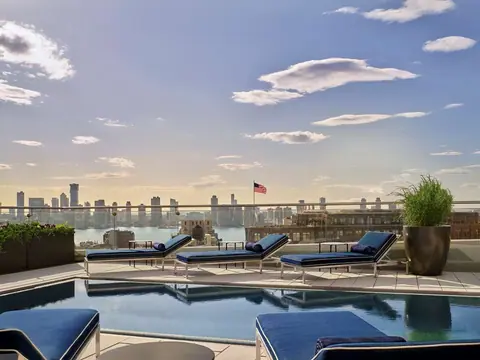 ★★★★ 4-star
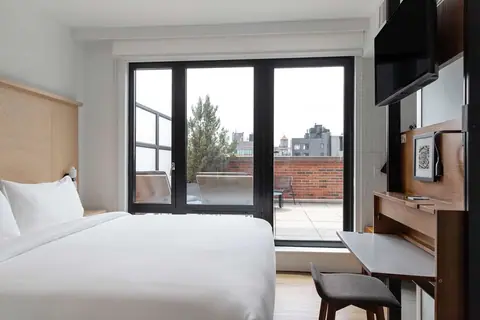 ★★★★ 4-star
 ★★★★ 4-star
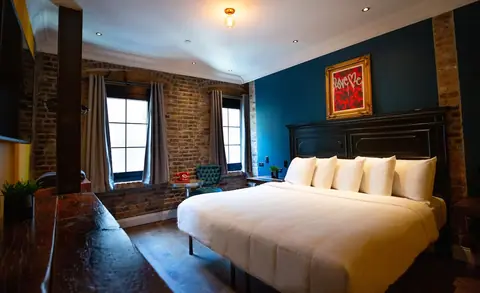 ★★★★ 4-star
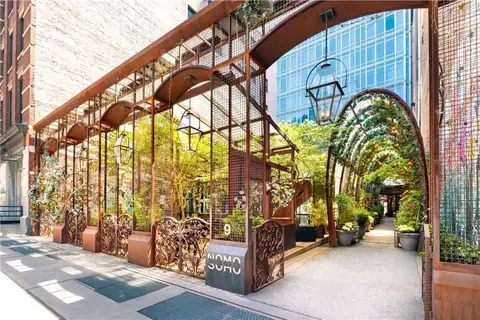 ★★★★ 4-star
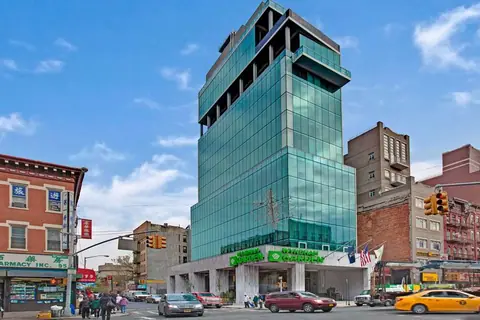 ★★★★ 4-star
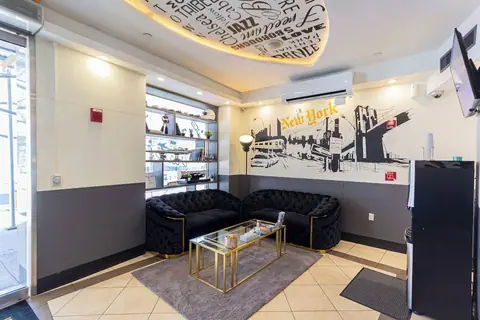 ★★★ 3-star
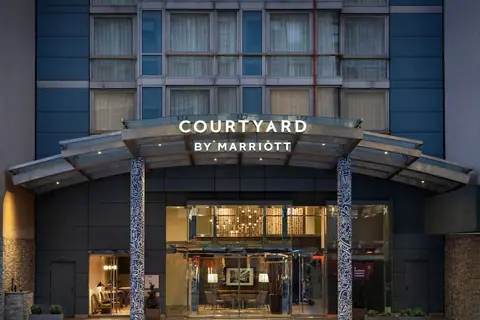 ★★★ 3-star
Courtyard by Marriott New York Manhattan SoHo
SoHo4.1Guest score from the booking supplier · 554 reviews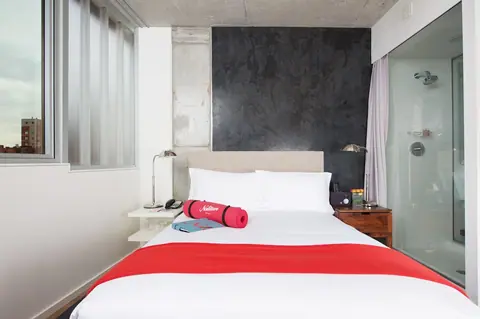 ★★★ 3-star
 ★★★ 3-star
 ★★★ 3-star
 ★★★ 3-star
Four Points by Sheraton Manhattan SoHo Village
SoHo3.8Guest score from the booking supplier · 966 reviews ★★★ 3-star
 ★★★ 3-star
 ★ 1-star
 ★ 1-star
 ★★ 2-star
 ★★ 2-star