- Streets
- Older, named and irregular below 14th Street
- Neighborhoods
- Seven, from Financial District to East Village
- Subway
- Runs 24 hours a day
- Ferry
- Free Staten Island Ferry from Whitehall Terminal
A zone of old streets
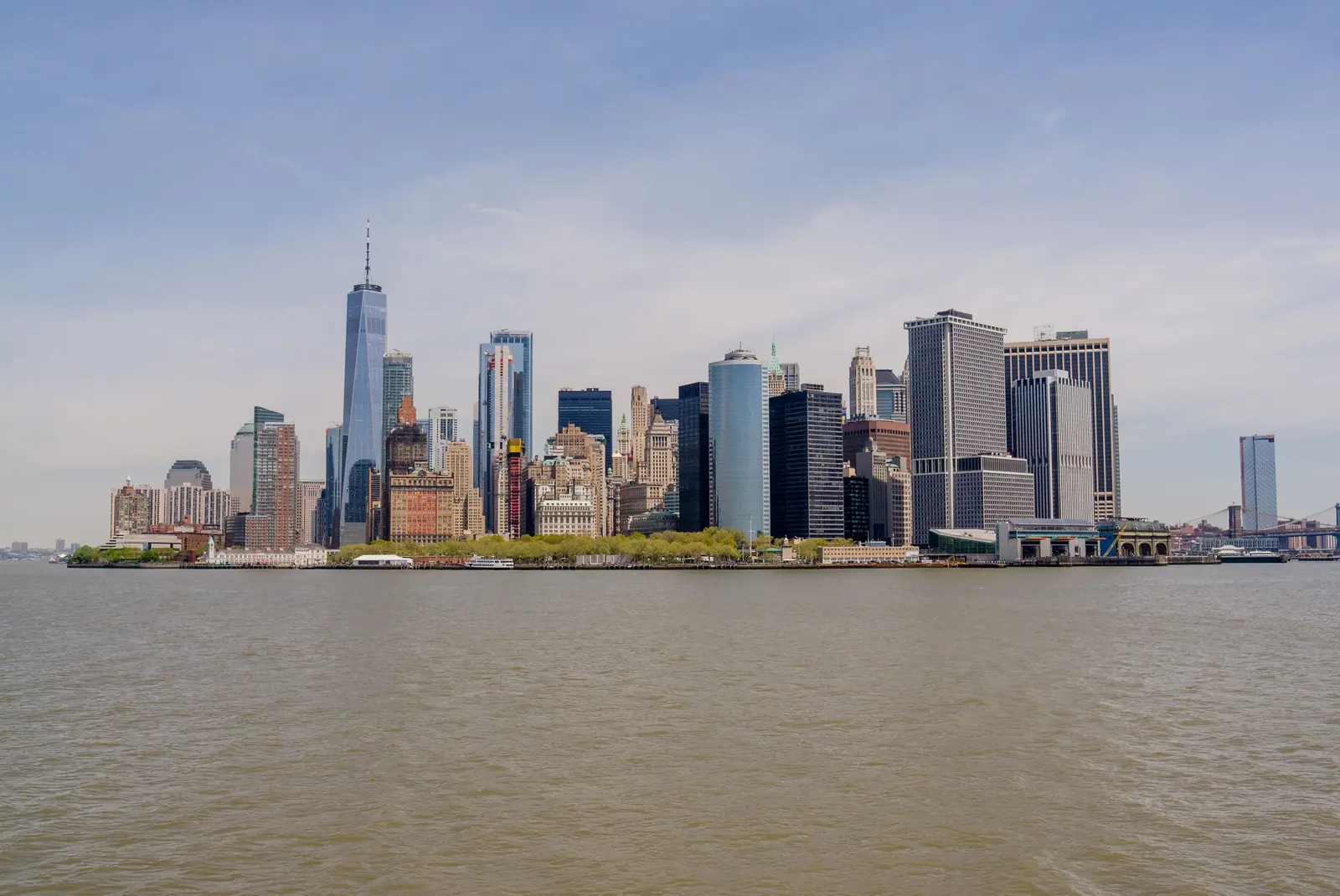
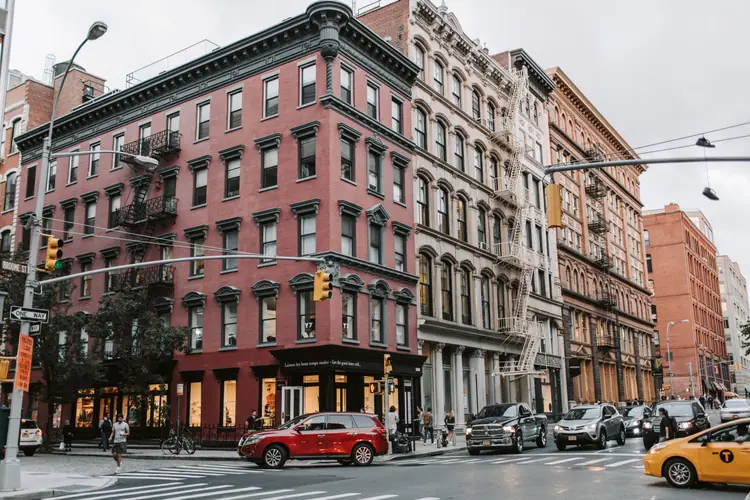
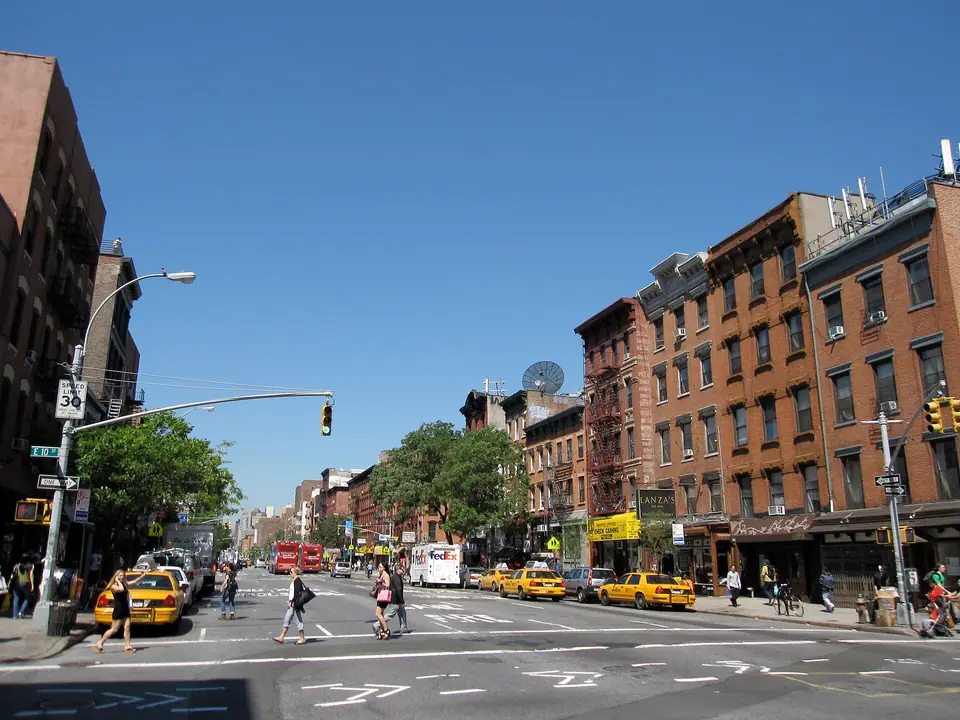
Below 14th Street the Commissioners' Plan of 1811 loses its grip. Numbered streets and long avenues give way to named lanes that follow old farm boundaries, docks and streams. Broadway cuts across at an angle and blocks shrink. This is the oldest settled part of Manhattan, and the street pattern records it: old farm lanes in the West Village, cast-iron frontages in SoHo, tenement blocks on the Lower East Side. Walking is the only sensible way to read the zone, and getting slightly lost is part of the process.
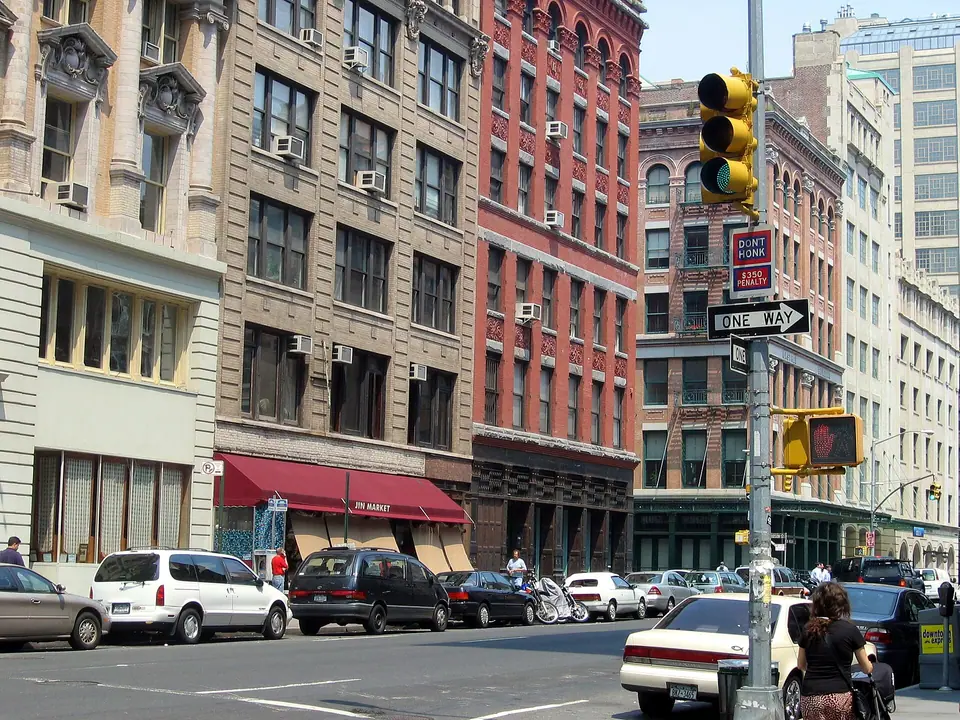
The zone holds several worlds at once. Finance and government cluster at the southern tip. Warehouses turned loft apartments fill Tribeca and SoHo. Chinatown and the Lower East Side are dense and lived-in. The East Village and the two Villages mix students, long-term residents and nightlife. Nothing here is a single story: an office lobby, a synagogue, a dumpling kitchen and a brownstone can share one block. Expect narrow sidewalks, low buildings and a scale that feels closer to older port cities than to Midtown.
How the neighborhoods differ
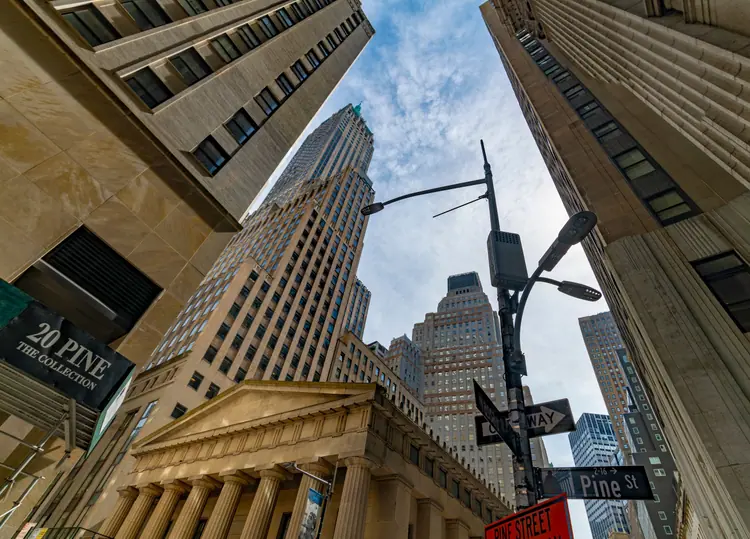
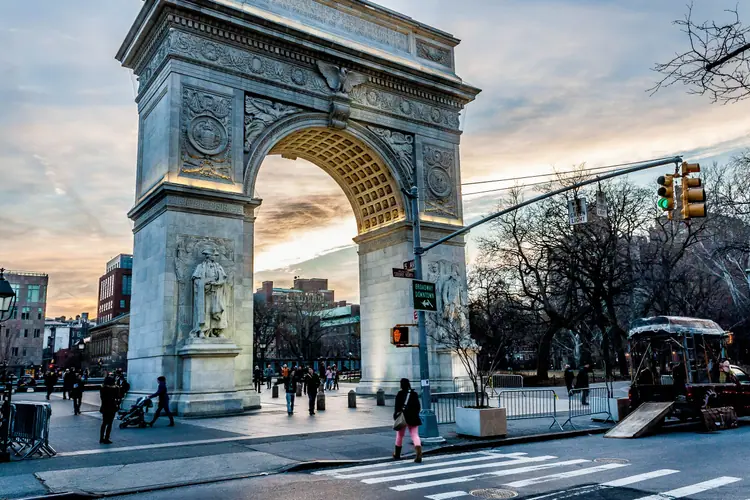
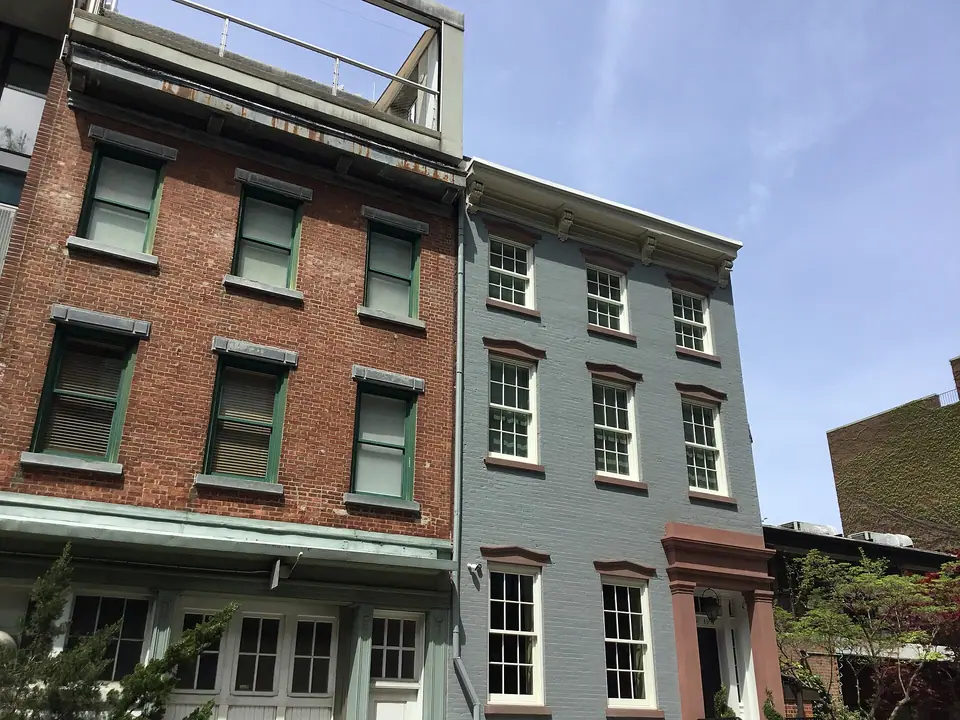
The Financial District is the oldest and the most contemporary at once: Wall Street, the 9/11 Memorial, Battery Park City and the harbor at the island's southern tip. Weekday crowds thin sharply after the evening commute. Tribeca, between Canal Street and Chambers Street, keeps warehouse lofts, cobbled streets and quiet residential blocks. SoHo, from Houston Street to Canal Street, is cast-iron lofts and shopping streets, with Little Italy and Hudson Square alongside. Greenwich Village centers on Washington Square Park and the old streets around MacDougal and Bleecker.
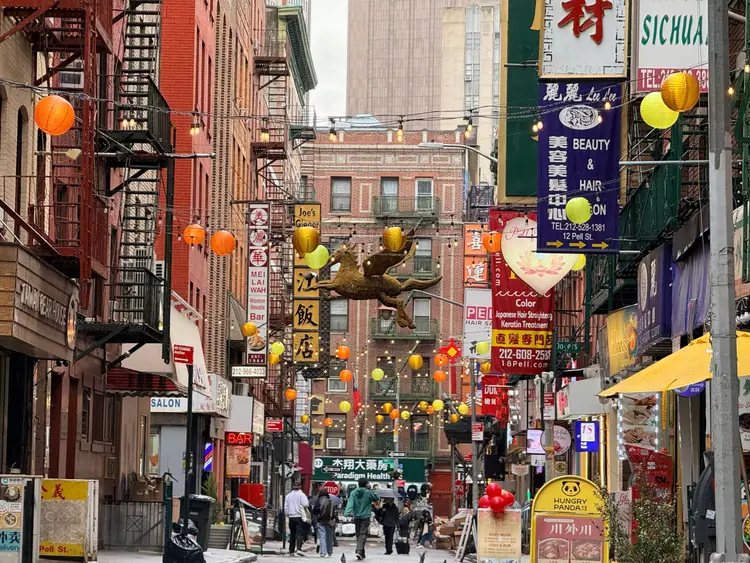
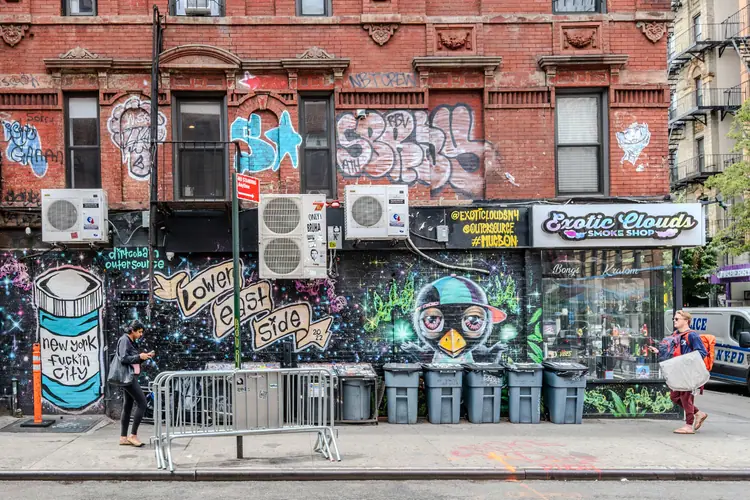
The West Village keeps crooked streets, brownstones and small restaurants west of Seventh Avenue, plus the Meatpacking District at its edge. Chinatown runs on Mott Street, dumpling shops, Columbus Park and the Two Bridges blocks by the Manhattan Bridge. The Lower East Side has tenement streets, the Tenement Museum, galleries and late bars around Orchard and Ludlow Streets. The East Village stretches from the Bowery to Avenue D, with St. Marks Place, Tompkins Square Park, small theaters and inexpensive food.
Two smaller areas sit inside the zone and are easy to miss on a map. Little Italy survives in a few blocks of Mulberry Street, mostly restaurants and banners, and merges into Chinatown to the south. Hudson Square, west of SoHo, is now mostly offices and media companies. The Meatpacking District, at the western edge of the West Village, mixes cobbles, the High Line's southern entrance and a crowd on weekend evenings.
Getting around downtown
The subway runs 24 hours a day and is the fastest way across the zone, though many trips are quicker on foot. Fares are paid by tapping a contactless card or phone at the turnstiles; the MetroCard is being phased out, so tap to pay. Service patterns change at weekends and on public holidays, so check the current service with the transit authority before you rely on one line. Stations are dense below 14th Street, but many of the oldest have stairs rather than elevators.
Distances are smaller than the map suggests, and most of the zone fits into a long walk. The Brooklyn Bridge and the Manhattan Bridge both start at the southern edge of Chinatown, and the Staten Island Ferry leaves from Whitehall Terminal at the island's tip. Buses run along the larger cross streets; check current routes with the transit authority. Cycling is popular on the waterfront, where the Hudson River greenway is separated from traffic for long stretches. Streets in the oldest blocks rarely run straight, so carry a map for the first day.
- Tap a contactless card or phone at the turnstile; the subway runs around the clock.
- Walking beats the subway for short hops, since stations sit close together.
- The free Staten Island Ferry leaves from Whitehall Terminal and passes the Statue of Liberty.
- Check service changes with the transit authority before relying on a weekend route.
Sights and the waterfront
The 9/11 Memorial's two reflecting pools are free to visit; the museum is ticketed. One World Trade Center's observatory occupies floors 100 to 102. Battery Park faces the harbor, where ticketed ferries leave for the Statue of Liberty and Ellis Island. Walking the Brooklyn Bridge is the classic downtown excursion, and it is best started early, before foot traffic builds. Little Island and Hudson River Park sit on the West Side, with lawns, paths and river views along the water. From the rail at the water's edge, harbor traffic and the statue are visible on clear days.
The High Line runs as an elevated park from Gansevoort Street to West 34th Street at Hudson Yards, and it is free. Hudson Yards holds the Vessel and the Edge observation deck, with an outdoor platform and a glass floor on the 100th floor. Other observation decks are a short subway ride away: SUMMIT One Vanderbilt beside Grand Central, Top of the Rock at Rockefeller Center, and the Empire State Building, with an open-air deck on the 86th floor and a second higher up.
- Walking the Brooklyn Bridge is free; go early to avoid the crowds.
- The 9/11 Memorial pools are free; the museum charges an entry fee.
- Ferries to the Statue of Liberty and Ellis Island leave from Battery Park.
- The High Line is free and runs from Gansevoort Street to West 34th Street.
- Grand Central Terminal is a short subway ride north of the zone.
Who should stay here
Downtown suits travelers who want to walk, eat and look at buildings rather than watch a skyline from a hotel window. The Financial District has the largest concentration of hotels and the quietest weekends, and it puts the harbor, the ferries and the memorial within a few blocks. Tribeca and SoHo are calmer and more residential, with fewer late-night options. The East Village and the Lower East Side stay lively well after midnight, which some guests enjoy and others do not.
Budget for the total bill. Hotel rates in New York City carry state and city taxes and a per-night occupancy charge, and some properties add a facility or destination fee, so check the total price with taxes and fees before booking. Weekend nights in the East Village and the Lower East Side bring street noise; ask for a room away from the bar streets. Opening days and hours change through the year, so confirm with the operator before setting out.
Keep reading
Downtown Manhattan: Below 14th Street: questions
What counts as Downtown Manhattan?
On this site Downtown Manhattan means everything below 14th Street: the Financial District, Tribeca, SoHo, Greenwich Village, the West Village, Chinatown, the Lower East Side and the East Village. It is a travel zone rather than an official boundary, and it follows the older street pattern that predates the 1811 grid.
How do you get around Downtown Manhattan without a car?
Most of Downtown Manhattan is compact and flat, so walking covers short hops faster than the subway. The subway runs 24 hours a day and fares are paid by tapping a contactless card or phone. Streets below 14th Street rarely run straight, so carry a map for the first day and check weekend service with the transit authority.
Is Downtown Manhattan a good base for a first visit?
Yes, if you want history and streets rather than a single skyline view. Downtown Manhattan holds the 9/11 Memorial, the ferry terminals, the Brooklyn Bridge walk, Washington Square Park and the Tenement Museum. Hotels cluster in the Financial District, which is quieter at weekends and close to the harbor.
Where can you walk across a bridge from Downtown Manhattan?
The Brooklyn Bridge and the Manhattan Bridge both begin at the southern edge of Chinatown in Downtown Manhattan. The Brooklyn Bridge walk is the more popular of the two and gets crowded, so start early in the morning. Both are free and open to pedestrians, and both connect to the subway network on the Brooklyn side.
Which parts of Downtown Manhattan are quietest at night?
Tribeca and the Financial District are the quietest after dark, especially at weekends, when office workers leave. SoHo calms down once the shops close. The East Village and the Lower East Side stay busy late into the night, and the Meatpacking District draws crowds on weekend evenings, so ask for a room away from those streets.
How do you reach the Statue of Liberty from Downtown Manhattan?
Ticketed ferries to the Statue of Liberty and Ellis Island leave from Battery Park, at the southern tip of Downtown Manhattan. The free Staten Island Ferry leaves from Whitehall Terminal nearby and passes the statue on its crossing, which takes about 25 minutes. Both are easy to reach on foot from the Financial District.
Which months are mildest for walking Downtown Manhattan?
Spring, from April to June, and autumn, from September to November, are the mildest seasons for walking Downtown Manhattan. Autumn color in the city's parks usually peaks in early to mid November. Summers are hot and humid and winters are cold, with snow in some years. December is the busiest holiday period, and January to early March is usually the quietest.
How do you pay for the subway in Downtown Manhattan?
The subway runs 24 hours a day and fares are paid by tapping a contactless card or phone at the turnstile. The MetroCard is being phased out, so tap to pay. Weekly spending is capped after a set number of rides in seven days. Check current fares and service changes with the transit authority.
Neighborhoods in Downtown Manhattan
Top-rated stays
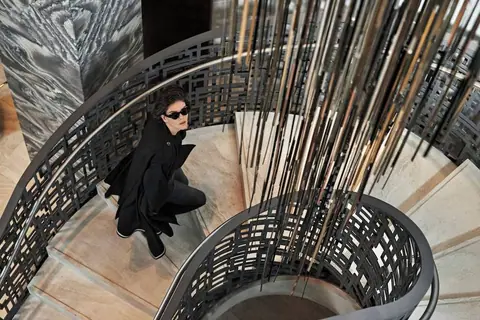 ★★★★★ 5-star
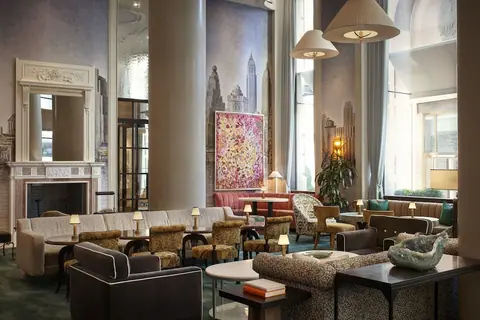 ★★★★★ 5-star
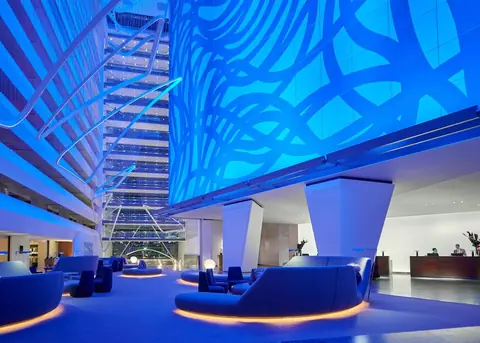 ★★★★★ 5-star
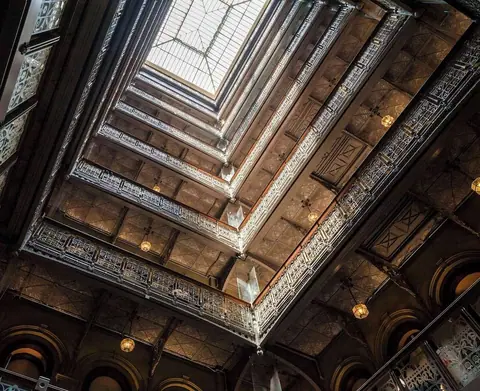 ★★★★★ 5-star
The Beekman A Thompson Hotel by Hyatt
Financial District4.6Guest score from the booking supplier · 2129 reviews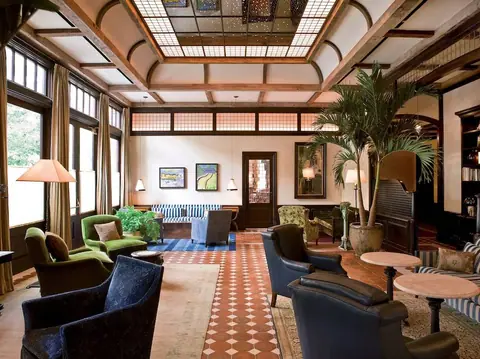 ★★★★★ 5-star
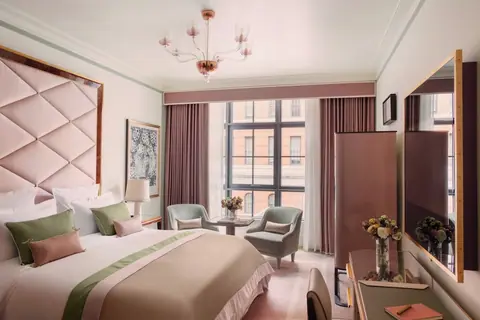 ★★★★★ 5-star
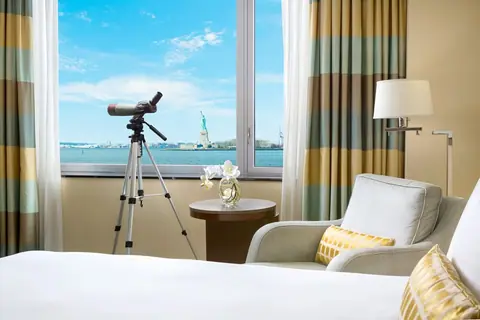 ★★★★★ 5-star
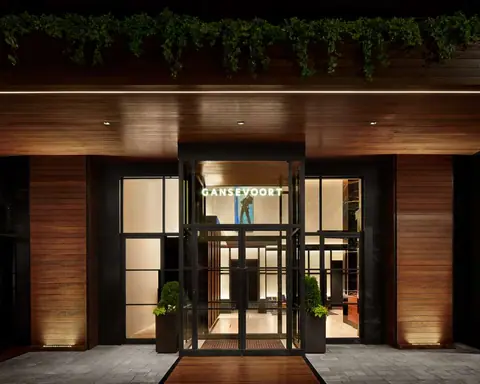 ★★★★★ 5-star
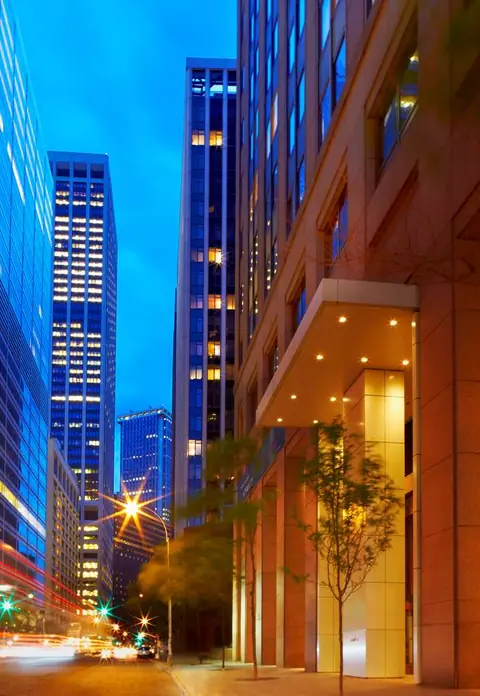 ★★★★★ 5-star
Hyatt Centric Wall Street New York
Financial District4.2Guest score from the booking supplier · 1686 reviews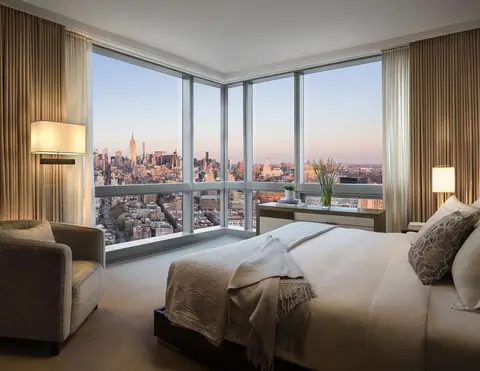 ★★★★★ 5-star
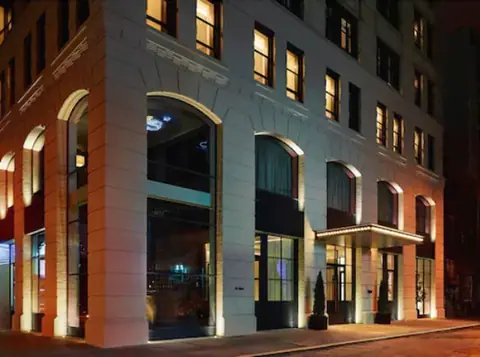 ★★★★★ 5-star
11 Howard New York a Member of Design Hotels
SoHo3.8Guest score from the booking supplier · 738 reviews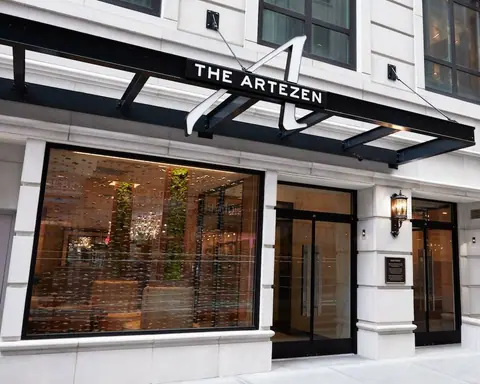 ★★★★ 4-star