
- Best weather
- Sep – Nov, May – Jun
- Quietest
- Jan – early Mar
- Busiest
- December
- Hottest
- Jul – Aug
Spring (April – June)
Mild days, blossoming parks and long evenings. Demand climbs through May and June — book early for weekends.
Summer (July – August)
Hot and humid, with free outdoor concerts and films. Many New Yorkers leave town at weekends.
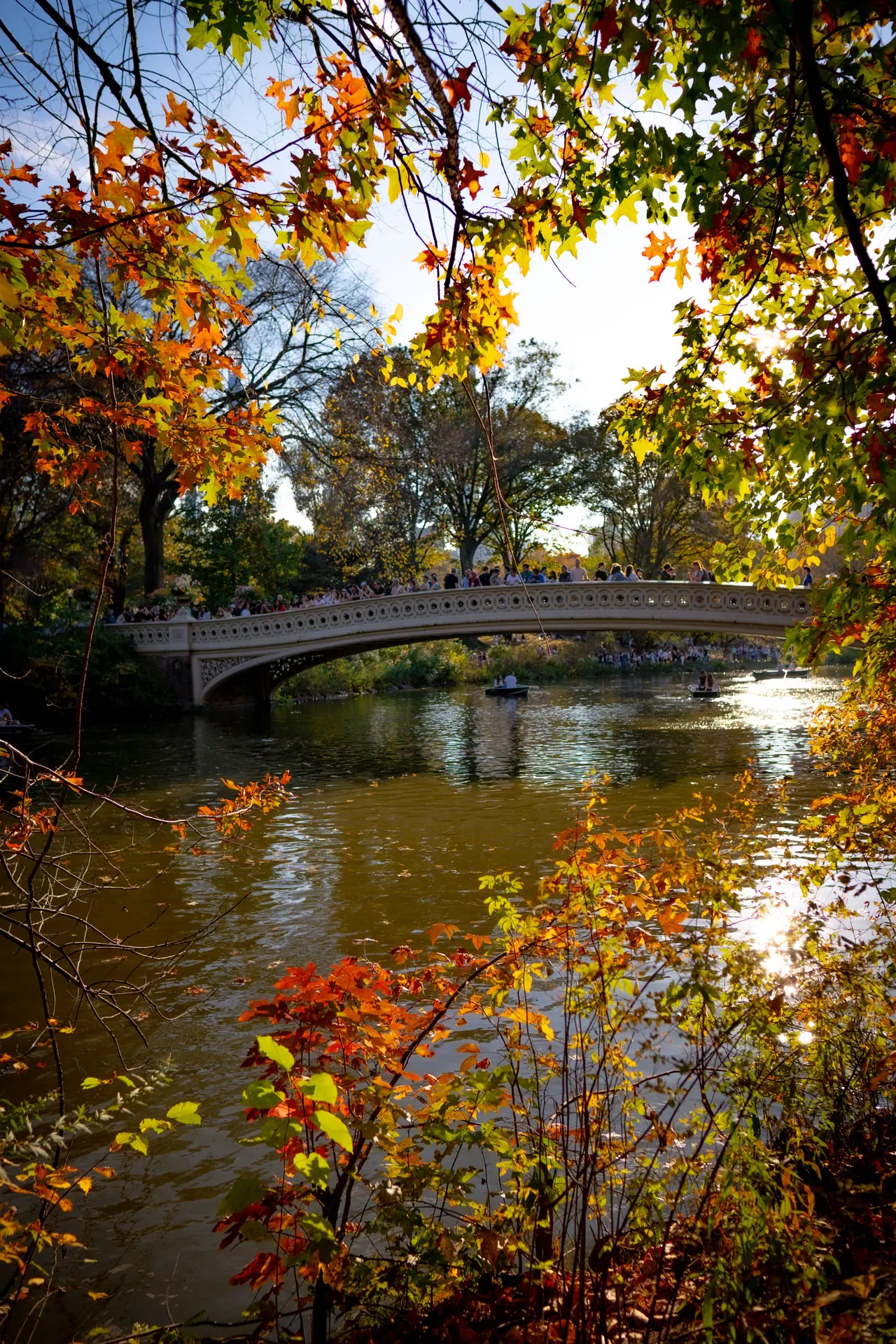
Autumn (September – November)
Cool, clear and golden — the favorite season of most locals, so book early.
Winter (December – March)
December is lights and crowds. January to early March is quieter. Pack a proper coat.
Month by month
- January–February: the coldest months; Restaurant Week.
- March: still cool; St Patrick’s Day parade.
- April–May: blossoms, mild days, busy weekends.
- June: long days, outdoor dining, Pride at the end of the month.
- July–August: hot and humid; free concerts and films outdoors.
- September–October: the sweet spot for weather; high demand.
- November: autumn color, the Marathon and Thanksgiving parade.
- December: holiday lights and the biggest crowds of the year.
Weekdays vs weekends
Downtown is built around offices and quiets down at weekends; Midtown stays busy all week. Compare a few check-in days in the IMPT app before you choose your dates.
Layering for Changeable Seasons
Manhattan weather can shift within a day, so pack layers rather than a single heavy coat in spring and autumn. A light waterproof shell and comfortable walking shoes serve well across the grid, where you may move between sunny avenues and shaded side streets. Summer calls for breathable fabrics and a refillable water bottle; winter needs a warm coat, hat and gloves. Check a forecast before you leave, and keep a small bag for extras as temperatures rise or fall.
Build a flexible daily plan that mixes outdoor and indoor stops. A morning walk in Central Park or on the High Line can be followed by a museum visit if rain arrives. The Metropolitan Museum of Art and the American Museum of Natural History are useful anchors, but check opening days and timed-entry rules before you go. In winter, shorter daylight hours favor earlier starts; in summer, long evenings allow a later outdoor walk. Keep travel times loose and avoid overfilling the day.
Booking Around Peak Dates
Peak periods fill quickly, especially December and major holiday weekends. Book observation decks, Broadway shows and museum tickets in advance when a specific date matters. Check the total price with taxes and fees for any hotel stay, since city and state charges and possible facility fees apply. The Rockefeller Center Christmas tree lighting date is set each year, and Fifth Avenue window displays run from late November into early January. Confirm schedules before you commit. A refundable booking can soften uncertainty when plans shift.
Shoulder seasons reward flexible travelers. Spring and autumn bring milder temperatures, but rain is possible and crowds gather at popular sights. Weekday visits to museums and parks are often calmer than weekends. Check opening days for any place you plan to see, and look for timed entry where offered. If a holiday event draws you, arrive early and expect lines. For quiet streets, January to early March is usually the least busy stretch. Many attractions post seasonal hours, so verify before setting out.
Keep reading
When to visit Manhattan: seasons, weather and crowds: questions
When is the best time to visit Manhattan for mild weather?
Spring (April to June) and autumn (September to November) are the mildest seasons. Spring brings gradual warming and park blooms; autumn offers crisp days and Central Park color that usually peaks in early to mid November. Summer is hot and humid, winter cold with snow some years. Check forecasts before packing.
Is winter a good time to visit Manhattan?
Winter is cold, with snow some years, and January to early March is usually the quietest period. December is the busiest holiday stretch, with the Rockefeller Center Christmas tree lit around late November or early December and Fifth Avenue window displays running into early January. Dates are set each year, so check current schedules.
What is the best time to visit Manhattan to avoid crowds?
January to early March is usually the quietest period, outside holiday weeks. Major sights still draw visitors in every season, so book timed entries where offered, and check opening days. December is the busiest holiday period, so plan around it if quiet streets matter. Weekday visits are often calmer than weekends.
How does summer heat affect a visit to Manhattan?
Summers are hot and humid, so plan outdoor sightseeing for morning or late afternoon. Central Park and the High Line are free and open, but shade and water breaks help. Museums such as the Metropolitan Museum of Art and the American Museum of Natural History offer indoor relief. Check each venue's hours, which can change seasonally.
When can you see fall color in Manhattan?
Central Park's autumn color usually peaks in early to mid November. Other parks also show seasonal change. Conditions vary by year, so check a foliage report before you go. Autumn (September to November) is one of the mildest seasons, making it a comfortable time for walking and for outdoor sights.
What should you know about visiting Manhattan in December?
December is the busiest holiday period. The Rockefeller Center Christmas tree is lit around the end of November or early December; the exact date is set each year, so check current announcements. Fifth Avenue department-store window displays run from late November into early January. Expect crowds and book any ticketed sights in advance.
Is spring a good time for a Manhattan sightseeing trip?
Spring (April to June) is one of the mildest seasons. Parks and gardens green up, and walking the High Line or Central Park is comfortable. Rain is possible, so pack layers and a compact umbrella. Major museums and observation decks can be busy; check opening hours and reserve timed tickets where available.
When is Manhattanhenge visible in Manhattan?
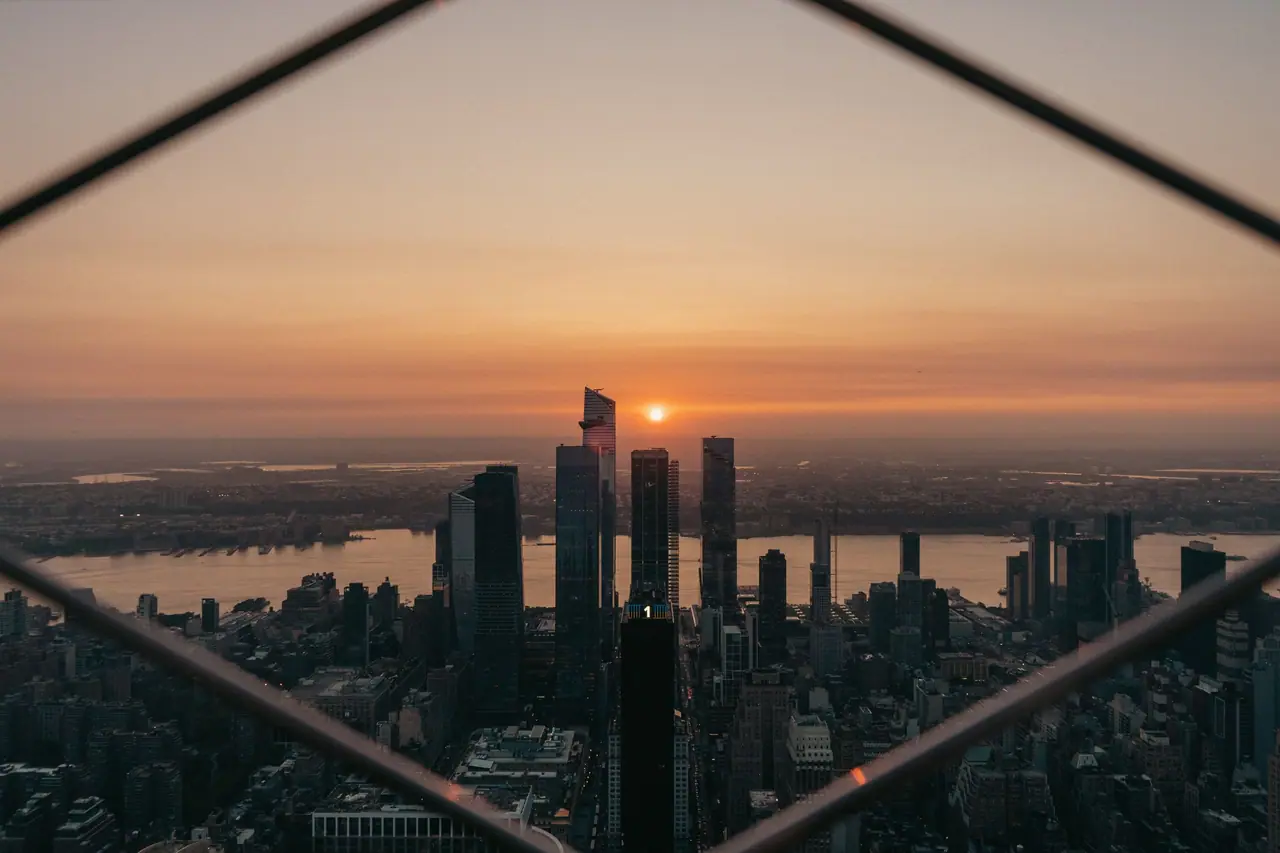
Manhattanhenge, when sunset aligns with the cross streets, happens a few days a year, usually in late May and mid-July. Exact dates and viewing spots change, so check a current schedule. Arrive early for a clear view along an east-west street. The event is free and draws crowds.