- Duration
- Two full days
- Split
- Downtown Saturday, Midtown Sunday
- Getting around
- Subway, tap to pay
- Quietest months
- January to early March
Split the island in two
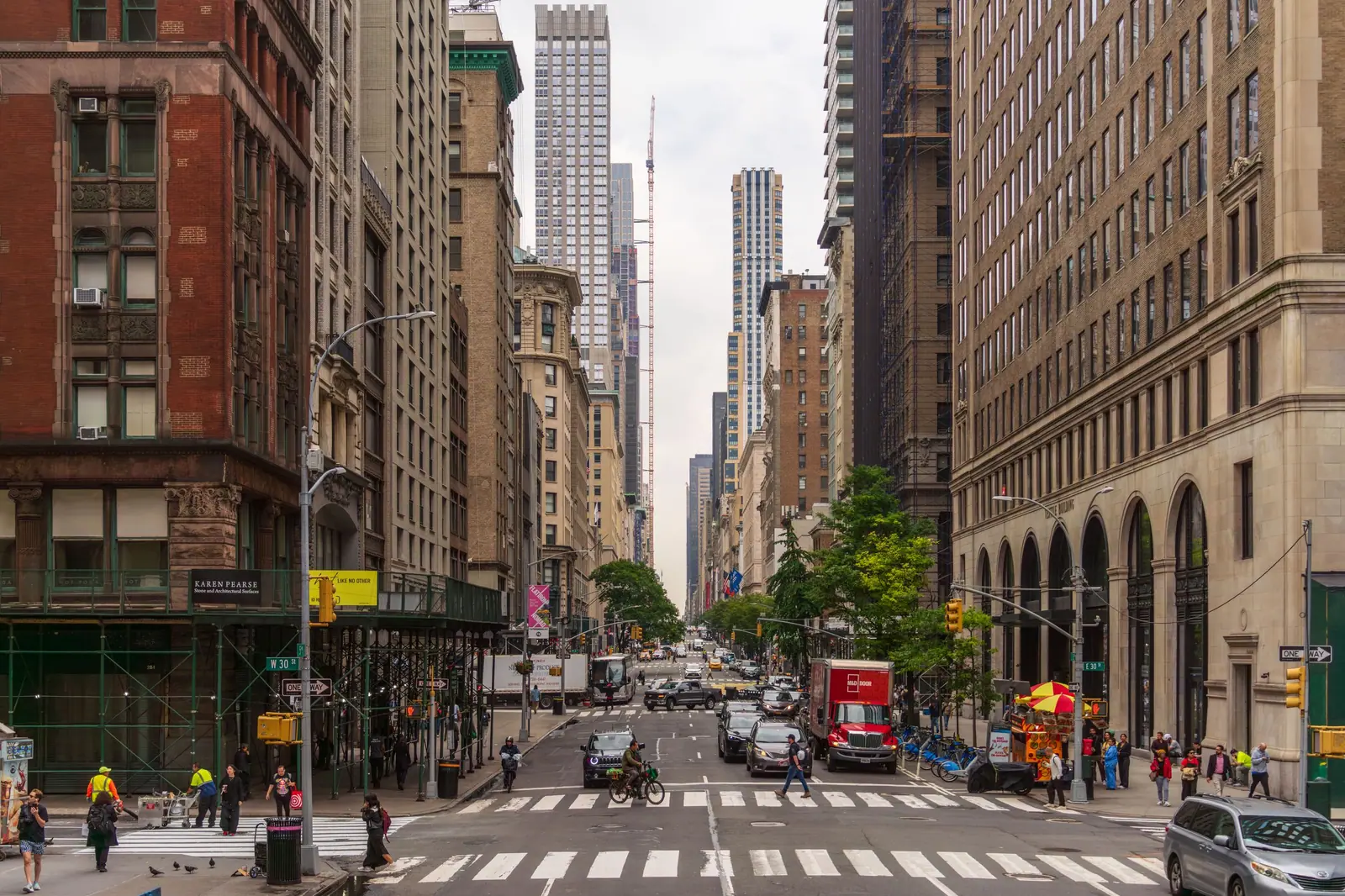
Manhattan is easiest to plan when you treat it as two halves. North of 14th Street the Commissioners' Plan of 1811 laid out numbered streets running east to west and avenues running north to south, with Fifth Avenue dividing East from West addresses. South of 14th Street the streets are older, named and irregular, and Broadway cuts across the grid on a diagonal. Give the lower half one day and the upper half the next, and let the subway carry you between them when the walking adds up.
Saturday stays south, roughly from the Battery up to the High Line. Sunday goes north, taking in Central Park, Museum Mile and the Theater District around Times Square. Uptown means north and downtown means south, so the words describe direction as well as districts. Weekend subway service changes often, and trains sometimes run on different tracks, so check the MTA's service notices on the day before you commit to a fixed order of sights. Keep both days loose enough to swap.
Saturday morning at the tip
Start at the southern tip of the island, where the ferry terminal and the memorial sit within a short walk of each other. The 9/11 Memorial's two reflecting pools are free to enter, while the museum below them is ticketed. One World Trade Center's observatory occupies floors 100 to 102, with views back over the harbor and up the island. Allow time to stand still here; the scale of the site takes longer to read than a map suggests.
Then take the Staten Island Ferry from Whitehall Terminal. It is free, the crossing takes about 25 minutes, and it passes the Statue of Liberty on the way. Ferries to the Statue of Liberty and Ellis Island are ticketed and leave from Battery Park, a short walk north. A round trip on the free ferry and a walk back through Battery Park make a good late morning without booking anything in advance, and the harbor views work in almost any weather.
- The 9/11 Memorial pools are free to visit; the museum is ticketed.
- One World Observatory sits on floors 100 to 102 of One World Trade Center.
- The Staten Island Ferry is free and leaves from Whitehall Terminal.
- Ferries to the Statue of Liberty and Ellis Island leave from Battery Park and require tickets.
Saturday afternoon on foot
Work north through the older streets, where the grid gives way to named roads and short blocks. Greenwich Village and the West Village reward walking without a fixed route: brick townhouses, small gardens behind fences, and corners that change character within a block. SoHo's cast-iron frontage sits a little east. Below 14th Street the addresses are not divided into East and West, so navigation depends on street names rather than numbers, and a paper map still helps.
End the afternoon on the High Line, the elevated park built on a former freight rail line. It runs from Gansevoort Street to West 34th Street at Hudson Yards, and its first section opened in 2009. Entry is free. Stairs and elevators reach the deck at intervals, and seats along the way make short stops easy, while the northern end lands beside Hudson Yards, where several subway lines meet and the Edge observation deck occupies the 100th floor of one tower.
Sunday morning in the park
Sunday belongs to the upper half. Central Park covers 843 acres between 59th and 110th Streets, from Fifth Avenue to Central Park West, and it is free to enter. Frederick Law Olmsted and Calvert Vaux designed it, and it first opened in 1858. Enter from the south and walk north at your own pace; the park is large enough that the crowd thins quickly once you leave the edges near the avenues, and the autumn color usually peaks in early to mid November.
Two museums anchor the park's edges. The Metropolitan Museum of Art stands on Fifth Avenue at 82nd Street, at the start of Museum Mile, which runs roughly from 82nd to 105th Streets. The American Museum of Natural History is on Central Park West at 79th Street. Both hold enough for a full day, so choose one and leave the other for a return visit. Check opening days before you go, since museums adjust their hours through the year.
- Central Park is free to enter and runs from 59th to 110th Streets.
- The Metropolitan Museum of Art sits on Fifth Avenue at 82nd Street.
- Museum Mile follows Fifth Avenue from roughly 82nd to 105th Streets.
- The American Museum of Natural History is on Central Park West at 79th Street.
Times Square and the Theater District
Sunday afternoon brings you back to Midtown. Times Square sits at the center of the Theater District, where about 40 Broadway houses cluster within a few blocks. Evening curtains are typically at 7 or 8 pm, but schedules vary by show, so confirm the time when you book. The square is busiest after dark, when the screens are at full brightness; mornings there are quieter and easier to cross on foot. From late November, crowds grow around Rockefeller Center, where the Christmas tree is lit on a date set each year.
Observation decks are the practical way to see the skyline from above. Top of the Rock occupies floors 67 to 70 of Rockefeller Center, Edge has an outdoor deck and a glass floor at Hudson Yards, SUMMIT One Vanderbilt stands next to Grand Central, and the Empire State Building offers an open-air deck on the 86th floor plus a second level on the 102nd. All of them sell timed tickets, so check the current entry fee and book a slot.
Subway rhythm and timing
The subway runs 24 hours a day, which makes a two-day plan easy to keep. Fares are paid by tapping a contactless card or phone at the turnstile under the OMNY system, and the MetroCard is being phased out. Spending is capped after a set number of rides within seven days, which suits a weekend of short hops between sights. Check the current cap and how it applies with the MTA before you travel.
If you drive into Manhattan below 60th Street, expect a congestion toll, in force since January 2025. Most weekend visitors do better without a car. From JFK, the AirTrain connects to Jamaica for the Long Island Rail Road and the subway, or to Howard Beach for the subway; from Newark Liberty, the AirTrain reaches the rail station for NJ Transit or Amtrak trains into Penn Station. Allow 45 to 75 minutes, typically.
A Weekend in Manhattan by Subway: questions
How is a weekend in Manhattan split between the two days?
The plan gives Saturday to the lower half of the island, from the Battery and the memorial up through the Village to the High Line. Sunday goes to the upper half: Central Park, Museum Mile, Times Square and the Theater District. The subway links the two, so the order can be swapped if service changes or weather interferes.
Can a weekend in Manhattan work without a car?
Yes. A weekend in Manhattan is simpler without a car, since the subway runs 24 hours a day and fares are paid by tapping a contactless card or phone. Driving brings a congestion toll below 60th Street and adds the search for parking. Use the subway and your feet, and check MTA service notices before each day starts.
Which day of a weekend in Manhattan suits Central Park?
Sunday morning suits Central Park best in this weekend plan. Enter from the south and walk north, then pick one museum on the edges: the Metropolitan Museum of Art on Fifth Avenue at 82nd Street, or the American Museum of Natural History on Central Park West at 79th Street. Check opening days before you go.
Do you need to book Broadway shows before a weekend in Manhattan?
Book ahead if a Broadway show is the point of the trip. About 40 theaters cluster around Times Square, and evening curtains are typically at 7 or 8 pm, but times vary by show. A weekend in Manhattan fills quickly in December, so check the schedule and the current ticket terms with the show itself rather than leaving it to the last evening.
How does the subway fit into a weekend in Manhattan?
The subway carries the whole weekend. It runs 24 hours a day, and fares are paid by tapping a contactless card or phone under the OMNY system. Spending is capped after a set number of rides within seven days, which suits short hops. Check the current cap and any weekend service changes with the MTA before you travel.
Is a weekend in Manhattan enough time for the museums?
Not in full. A weekend in Manhattan allows time for one collection properly, so choose the Metropolitan Museum of Art or the American Museum of Natural History and leave the other for a return visit. Museum Mile alone runs along Fifth Avenue from roughly 82nd to 105th Streets, and both museums hold enough for a full day.
What should a weekend in Manhattan plan for the Staten Island Ferry?
Give it a morning. The Staten Island Ferry is free, leaves from Whitehall Terminal at the southern tip of Manhattan, and passes the Statue of Liberty; the crossing takes about 25 minutes. Ferries to the Statue of Liberty and Ellis Island are ticketed and leave from Battery Park, so decide which trip suits before you set out.
When is the quietest time for a weekend in Manhattan?
January to early March is usually the quietest stretch for a weekend in Manhattan, and December the busiest. Spring and autumn are the mildest seasons, with Central Park's autumn color peaking in early to mid November. Summer heat and humidity slow walking, so plan more subway hops and fewer long blocks if you travel in July or August.