- Borough
- One of five in New York City
- Land area
- About 22.7 square miles
- Street grid
- Numbered streets, avenues; Fifth Avenue divides
- Subway
- Runs 24 hours; tap to pay
How the island is laid out
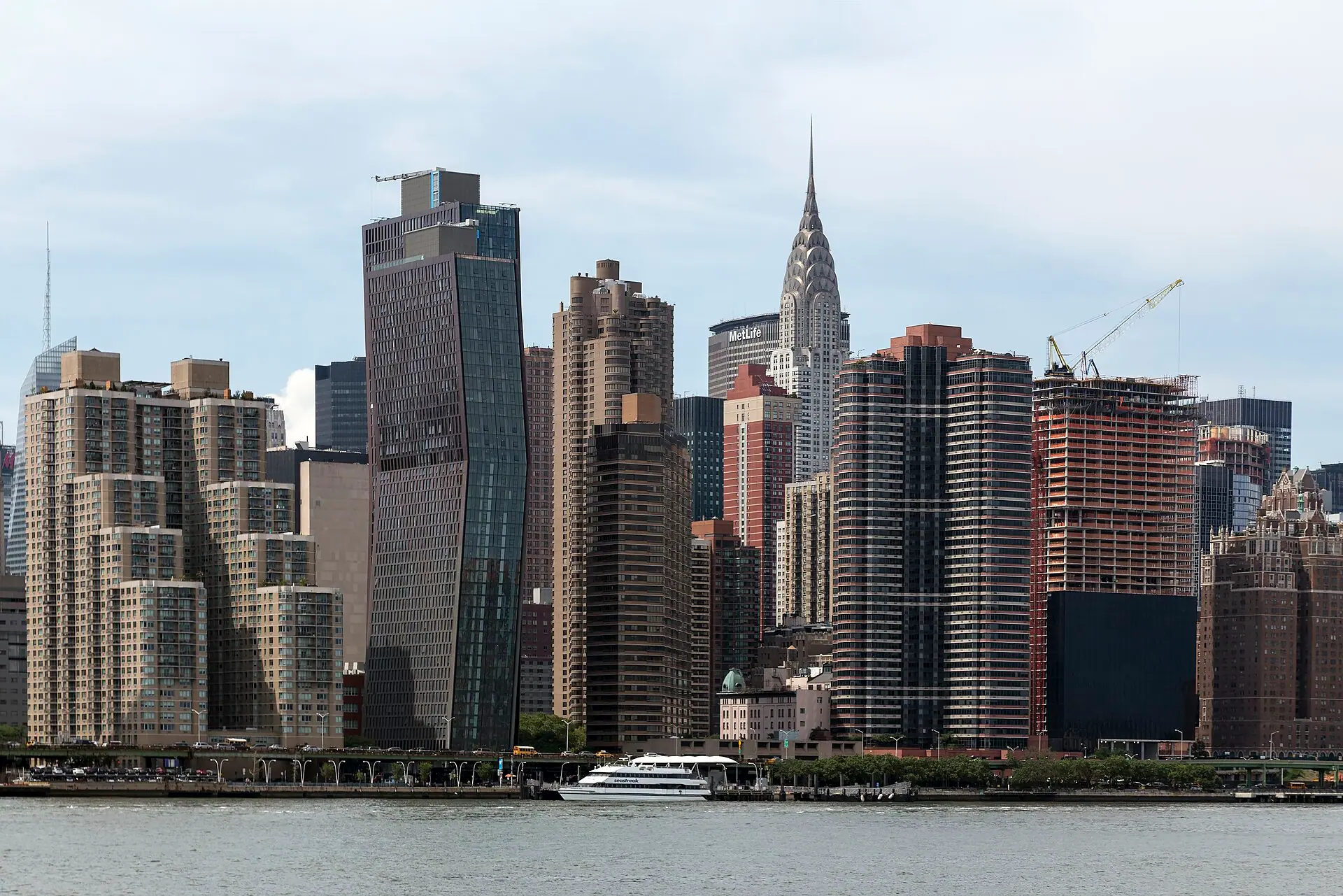
Manhattan is one of the five boroughs of New York City and sits between the Hudson River to the west, the East River to the east and the Harlem River to the northeast. The island covers about 22.7 square miles, roughly 13.4 miles long and 2.3 miles wide at its widest point. Most of it north of 14th Street follows the Commissioners' Plan of 1811, so numbered streets run east to west and avenues run north to south.
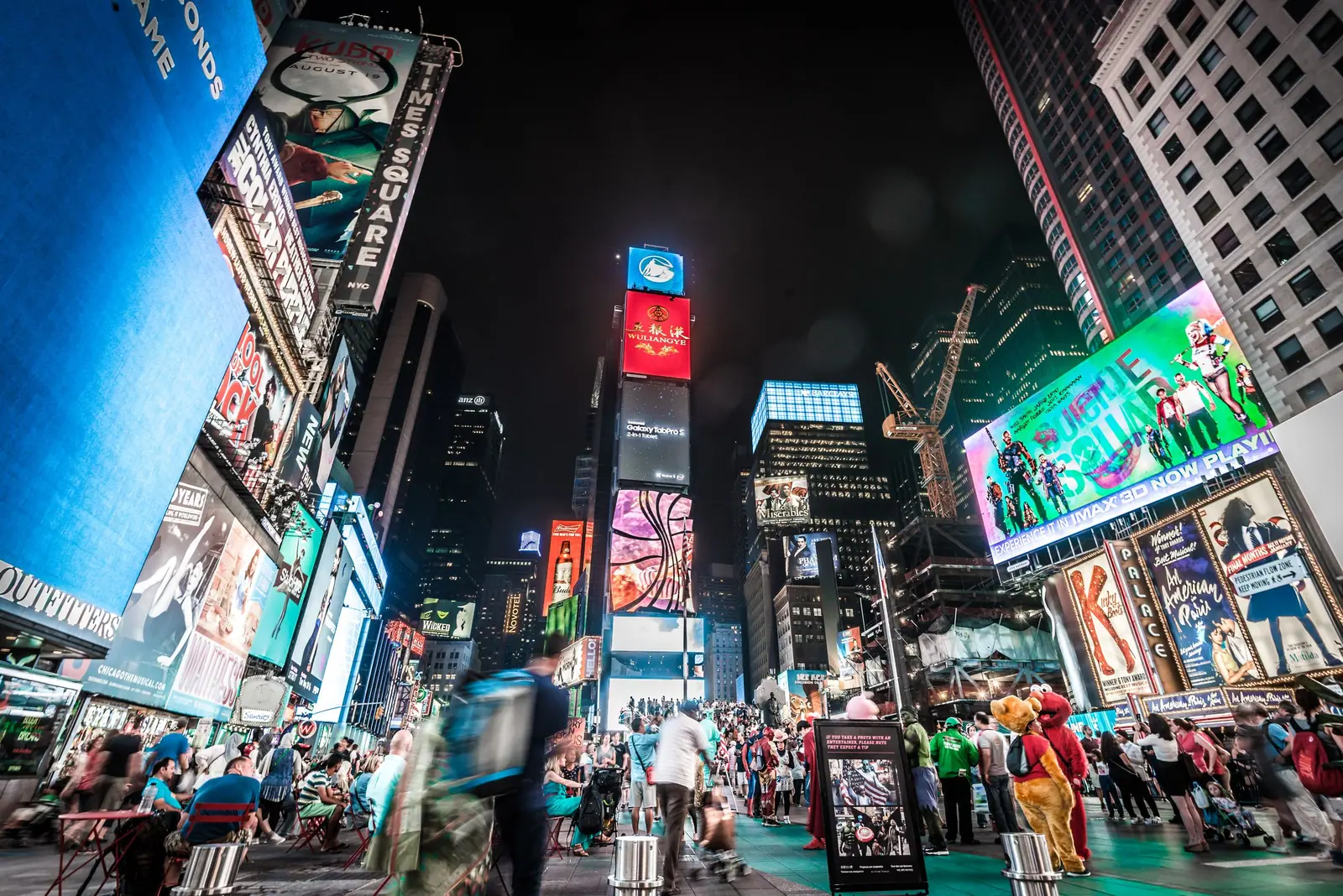
Uptown means north and downtown means south, which is worth fixing in your head before you book anything. Fifth Avenue divides East from West street numbers, so an address tells you where to stand. Below 14th Street, in Greenwich Village, SoHo, the Lower East Side and the Financial District, the grid gives way to older named streets, and Broadway runs diagonally across the whole island. Times Square sits where Broadway meets Seventh Avenue.
- Streets run east to west and avenues north to south, which makes most addresses easy to find.
- Fifth Avenue separates East from West street numbers, so check the prefix before you set off.
- Broadway crosses the grid at an angle, which is why Times Square sits where it does.
- Below 14th Street, trust a map rather than the grid, because the streets are older and irregular.
Setting a realistic pace
Manhattan looks small on a map and feels large on foot. Blocks are short east to west and longer north to south, and a route that reads as three stops on the subway can be a solid half hour of walking. Pick one area for the morning and one for the afternoon rather than crossing the island repeatedly. Plan two anchors a day and leave room for the unplanned. Museums, parks and neighborhoods reward time. A rushed list of sights leaves you with a blur of doorways and traffic.
The subway runs all day and night, which makes late evenings simple. Fares are paid by tapping a contactless card or phone at the turnstile, and the system caps weekly spending after a set number of rides in seven days, so tapping is usually cheaper than buying a card. The old MetroCard is being phased out. Check the current fare and the cap rules with the transit authority before you travel.
A workable first day starts early, takes a proper lunch break and ends before you are too tired to enjoy the evening. Mornings are the calmest time in the parks and at the big museums, and the light is better for photographs. Save Times Square and the Theater District for after dark, when the signs are lit and the crowds are part of the spectacle. Sleep matters more than one extra sight on the list.
Money, taxes and tipping
This site shows no prices, and every booking button opens live prices in the IMPT app so you can compare dates. Hotel bills in New York City add state and city taxes and a per night occupancy charge to the room rate, and some hotels add a facility or destination fee on top. Always check the total price with taxes and fees before you commit, because the nightly rate you first see is rarely the number you pay.
Tipping is customary in restaurants, bars and for services such as luggage handling and housekeeping, and many bills print suggested amounts for guidance. Check the bill before adding anything, since some places include a service charge. Cards and phones are accepted almost everywhere, though a little cash is useful for tips and small purchases. Congestion pricing applies to vehicles entering Manhattan below 60th Street, so if you arrive by car, check how it is charged.
Manners and sidewalk habits
New Yorkers walk with purpose, and the fastest way to make friends on a sidewalk is to keep moving and step aside when you need to check a phone or a map. Stand to the right on escalators and let passengers leave a train before you board. Queues are respected, and a person already waiting is ahead of you. Hold a door, say please and thank you, and nobody will mind that you are a visitor.
Inside museums and galleries, keep your voice low, put phones away where signs ask, and give other visitors room in front of the paintings. Churches and memorials ask for quiet and often for covered shoulders. Photography rules vary by place, so look for signs at the entrance. Tipping, greeting staff and waiting your turn cover most situations. If you are unsure about anything, watch what the people around you do and follow it.
- Let riders off the train before you step on, then move down the platform.
- Stand to the right on escalators so people in a hurry can pass on the left.
- Step to the side of the sidewalk to read a map or check a phone.
- Keep voices low in churches, memorials and galleries, and follow any sign about photography.
Choosing when to visit
Summers in Manhattan are hot and humid, and winters are cold, with snow in some years. Spring, from April to June, and autumn, from September to November, are the mildest seasons and the easiest for long walks. Central Park's autumn color usually peaks in early to mid November. December is the busiest holiday period, when the Rockefeller Center Christmas tree is lit around the end of November or early December and Fifth Avenue department store windows draw crowds.
January to early March is usually the quietest stretch, which suits museum days and lower hotel demand. The date of the tree lighting is set each year, so check it before planning a December trip. Manhattanhenge, when sunset lines up with the cross streets, falls a few days a year, usually in late May and mid July. Central Park is free to enter, which makes it a useful anchor whatever the weather. Holiday weeks fill hotels early, so book well ahead if your dates are fixed.
Arriving and getting in
Three airports serve the city. JFK is in Queens, with the AirTrain to Jamaica for the Long Island Rail Road or the E, J and Z subway, or to Howard Beach for the A train. LaGuardia is the closest by road, and the free Q70 LaGuardia Link bus connects to the subway. Newark Liberty is in New Jersey, with the AirTrain to the station and then NJ Transit or Amtrak into Penn Station. Journeys from JFK and Newark are typically 45 to 75 minutes from Midtown, depending on traffic and connections.
Grand Central Terminal sits at 42nd Street and Park Avenue, Penn Station at 34th Street between Seventh and Eighth Avenues, and the Port Authority Bus Terminal at 42nd Street and Eighth Avenue. From any of them, the subway or a short walk reaches most of Midtown. On a first afternoon, resist the urge to cross the island. Pick one district, walk it slowly, and let Times Square be a five minute look on the way rather than the whole evening.
First time in Manhattan: what to know: questions
What should a first time visitor know about the Manhattan street grid?
Most of Manhattan north of 14th Street follows a numbered grid: streets run east to west, avenues run north to south, and Fifth Avenue divides East from West street numbers. Below 14th Street the streets are older, named and irregular, so use a map. Broadway crosses the grid at an angle.
Is the subway practical for a first trip to Manhattan?
Yes. The subway runs 24 hours a day, and fares are paid by tapping a contactless card or phone at the turnstile. Weekly spending is capped after a set number of rides in seven days, and the older MetroCard is being phased out. Check current fare and cap rules with the transit authority before you travel.
How much walking does a first trip to Manhattan involve?
More than the map suggests. Blocks are short east to west and longer north to south, and a route that looks like three subway stops can be a long walk. Pick one area for the morning and one for the afternoon, wear comfortable shoes, and build in pauses. Crossing the island repeatedly is what tires people out.
What should a first trip to Manhattan know about hotel taxes and fees?
Hotel bills in New York City add state and city taxes and a per night occupancy charge to the room rate, and some hotels add a facility or destination fee. Always check the total price with taxes and fees rather than the headline nightly rate, and ask what a charge covers before you book.
Which months suit a first trip to Manhattan?
Spring, from April to June, and autumn, from September to November, are the mildest seasons and the easiest for long walks. December is the busiest holiday period, and January to early March is usually the quietest. Central Park's autumn color usually peaks in early to mid November, so plan around it if foliage matters.
Which airport should a first trip to Manhattan use?
JFK, LaGuardia and Newark Liberty all serve the city. LaGuardia is closest by road and links to the subway by the free Q70 LaGuardia Link bus. JFK and Newark use AirTrain connections to rail and subway lines, and journeys from either are typically 45 to 75 minutes from Midtown depending on traffic and connections.
How should visitors behave on a first trip to Manhattan?
Keep moving on sidewalks and step aside to check a phone or map. Let riders leave a train before boarding, stand to the right on escalators, and respect queues. Keep voices low in churches, memorials and galleries, and follow signs about photography. A please and a thank you cover most situations.
Can a first trip to Manhattan be timed for Manhattanhenge?
Manhattanhenge happens a few days a year, usually in late May and mid July, when sunset lines up with the cross streets. The dates shift, so check a local astronomy or parks source before booking. Other fixed points, including the Rockefeller Center tree lighting, are set each year and worth confirming too.