- Season
- April to June
- Weather
- Mild, with rain
- Blossom window
- Varies; check park updates
- Main setting
- Central Park, Upper West Side
What spring feels like
Spring in Manhattan runs from April to June, and it arrives unevenly. Early April can still feel like winter on a windy corner downtown, while late May is warm and the parks are full at lunchtime. Layers work better than one heavy coat, because a mild morning often turns into a warm afternoon and a cool evening. Rain falls in every month, so a light waterproof layer earns its place in a day bag. Mornings near the rivers are cooler than the streets inland.
If you can choose your week, aim for May: the trees are in leaf, the days are long, and the first real heat has not settled in. April brings more changeable weather and thinner crowds. June is warmer and busier but edges toward summer humidity. Whichever week you pick, keep one indoor plan in reserve for a wet afternoon, since rain is common and the museums are the obvious shelter.
Blossoms in Central Park
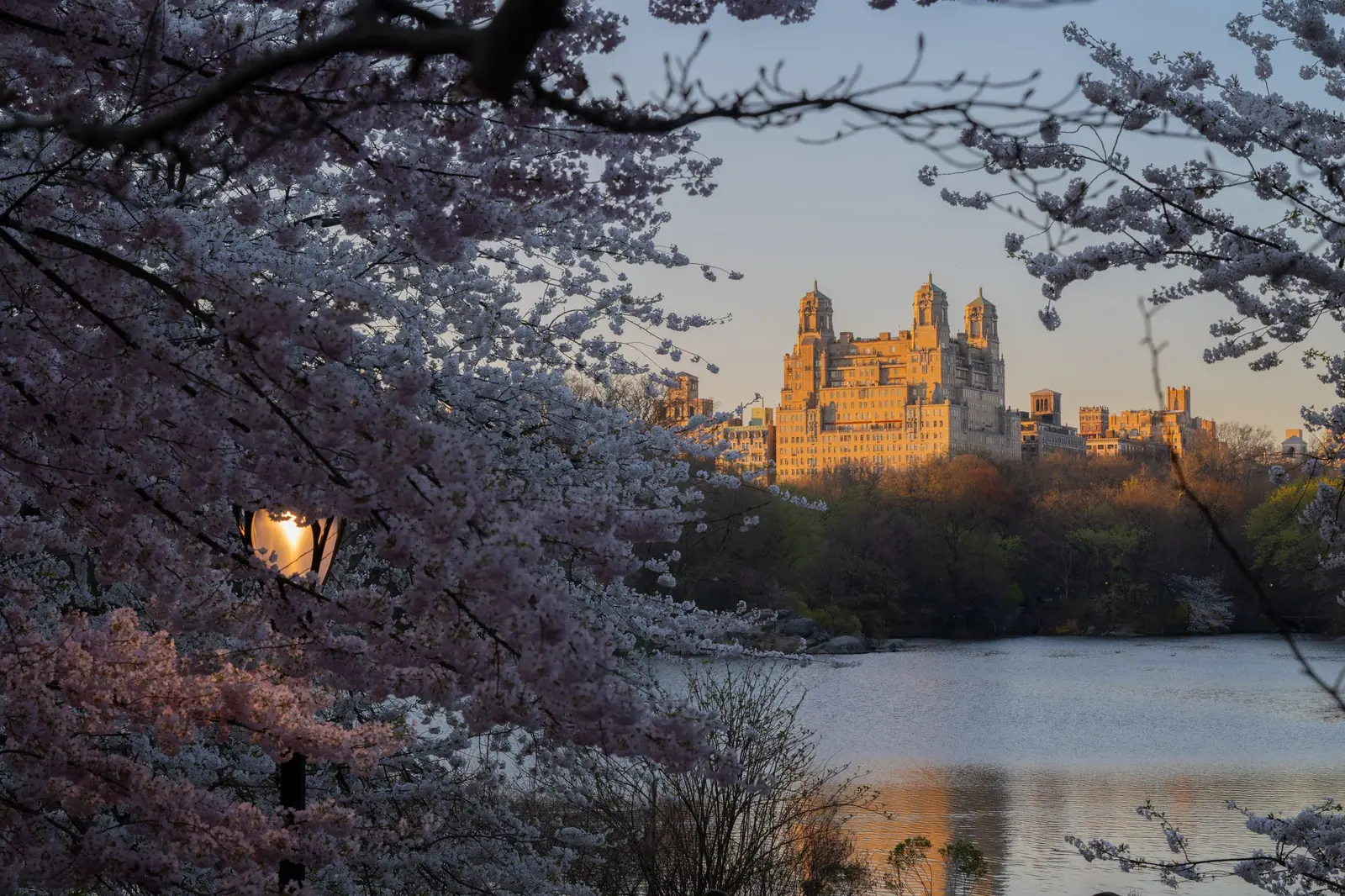
Central Park is the center of the season, and its 843 acres sit between 59th and 110th Streets, with the Upper West Side along Central Park West. Blossom timing shifts each year with the weather, so treat any date you read as a rough guide and check park updates before you travel. Magnolias and early cherries usually come first, with later flowering trees following; the same walk looks different a week apart. Later in May the park's own plantings take over as the flowering trees fade.
The west side of the park is the easiest approach from the Upper West Side and gives long views across the lawns and the drives. Enter from Central Park West and walk north; the ground is gentle and the paths are wide. Weekday mornings are calm. Weekend afternoons in late April and May bring crowds, especially near the lake, the Great Lawn and the mall. Bring a layer, since the park is cooler than the streets around it before noon.
- Walk north from 72nd Street for open views and quieter paths.
- Arrive before mid morning on weekends if you want empty paths.
- Stay on marked paths and open lawns so new plantings can establish.
- Check the park's own listings for guided walks and spring events.
Longer days and evening light
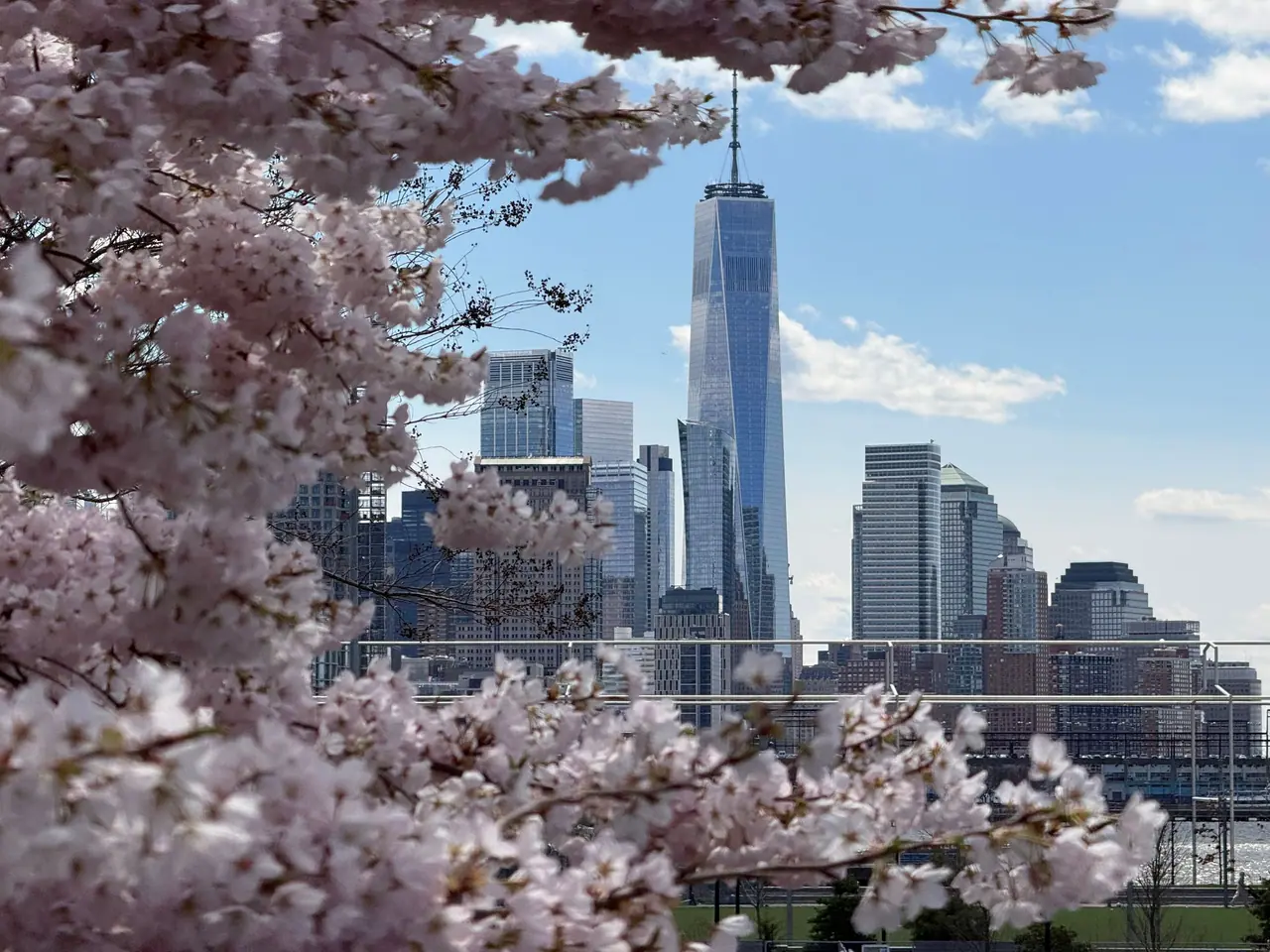
Daylight stretches through the season, and the evening becomes the best part of the day. In April the light fades soon after dinner; by late May the sky stays bright well into the evening and the streets stay busy later. This is the season to move your walking to the late afternoon, when museums begin to close, the light softens and the parks fill with people finishing work. A late stroll along the Hudson, with the sun low over New Jersey, is the reward for a long day.
Manhattanhenge, when the setting sun lines up with the cross streets, happens a few days a year, usually in late May and mid-July. The May dates fall inside spring. Crowds gather on the wider east-west streets to watch, so arrive early and expect company. The sky decides everything: a clear evening gives the full effect, and cloud gives none. Check the dates each year, since they move slightly. Late May evenings are usually warm enough to stand outside comfortably.
Parks beyond Central Park
The High Line, an elevated park on a former freight rail line, runs from Gansevoort Street to West 34th Street at Hudson Yards, and it is free to enter. In spring the planting is at its best, but the walkway is narrow and fills quickly. Go early or late. Riverside Park offers a quieter alternative, with the Hudson on one side and the Upper West Side on the other. It runs along the water for miles and is rarely as crowded as Central Park.
Smaller parks mark the season just as clearly. Bryant Park, behind the main public library, Madison Square Park in the Flatiron district and the squares of Greenwich Village all fill at lunchtime once the weather turns. Fort Tryon Park in the north, high above the Hudson, is worth the trip for a different view of the island. The Cloisters, the museum of medieval art, sits at the top of Fort Tryon Park. All of these are free and open every day.
- The High Line is narrow, so walk it early or after the lunchtime peak.
- Riverside Park runs along the Hudson and is quietest on weekday mornings.
- Bryant Park and Madison Square Park fill quickly at midday in May.
- Fort Tryon Park sits high above the Hudson and takes longer to reach.
Spring on the Upper West Side
The Upper West Side is a practical base for a spring visit, because Central Park forms the neighborhood's eastern edge. Central Park West runs its full length, with the American Museum of Natural History at 79th Street and the Metropolitan Museum of Art a short walk away on Fifth Avenue at 82nd Street. Riverside Park on the west side gives a second, quieter place to walk, and the side streets are good for morning errands.
The neighborhood is residential and moves more slowly than Midtown. Spring shows up in small ways: new leaves along the side streets, people back on stoops and benches, playgrounds full after school. The subway runs all night, so Midtown and the museums are a short ride away, and the walk across the park to the East Side is one of the season's pleasures. Return by the same path at dusk; the park paths are lit in the evening.
Practical notes for a spring visit
The subway runs 24 hours a day, and fares are paid by tapping a contactless card or phone; the MetroCard is being phased out. Check service changes before weekend travel, since maintenance work often closes lines. Hotel bills add state and city taxes and a per-night occupancy charge to the room rate, and some places add a facility fee, so check the total price with taxes and fees before booking.
Pack for two seasons: a warm afternoon can end cold once the sun drops. Book museums for a wet afternoon rather than a sunny one, since the parks are the point of the trip. Timetables, opening days and event dates change, so confirm details with the museum, the park or the transit authority before you go. Holiday weekends in May bring heavy demand for rooms and seats, so plan those dates ahead.
Spring in Manhattan: Blossoms and Long Evenings: questions
When does spring begin in Manhattan?
Spring in Manhattan is usually counted from April to June. March can still bring cold snaps and snow in some years, while early April often mixes mild days with raw ones. By May the season is reliable, with warm afternoons and long evenings. June is warmer still and edges toward summer humidity.
When are the blossoms at their best in Manhattan in spring?
Blossom timing in Manhattan in spring depends on the weather, so no fixed date holds every year. Magnolias and early cherries usually open first, with later flowering trees following over several weeks. Late April is often close to the peak, but a cold snap can push everything back. Check park updates before you travel, and expect the same walk to look different a week later.
Is spring a good time to visit Manhattan?
Spring is one of the mildest seasons in Manhattan, with moderate temperatures, longer days and the parks at their best. April is changeable but quieter; May is warmer and busier. Rain falls in every month, so plan one indoor afternoon. Rooms fill on holiday weekends, so book ahead and check the total price with taxes and fees.
What should you pack for spring in Manhattan?
Pack layers for spring in Manhattan, because a mild morning can turn into a warm afternoon and a cold evening. Add a light waterproof layer and an umbrella, plus shoes that handle wet pavement. Comfortable walking shoes matter most, since the best of the season is outdoors and the distances between neighborhoods add up.
Does Manhattanhenge happen in spring in Manhattan?
Yes. Manhattanhenge, when the setting sun lines up with the cross streets, happens a few days a year, usually in late May and mid-July, so the May dates fall inside spring in Manhattan. Crowds gather on the wider east-west streets. A clear sky is essential. The dates shift slightly each year, so confirm them before planning an evening.
How busy is Central Park in spring in Manhattan?
Central Park in spring is busiest on weekend afternoons in late April and May, especially near the lake, the Great Lawn and the mall. Weekday mornings are calm and best for a quiet walk. The park is free and open daily; check its own listings for guided walks, plantings and any seasonal closures on paths or lawns.
What can you do indoors on a rainy spring day in Manhattan?
Rainy days are the moment for the museums. The Metropolitan Museum of Art on Fifth Avenue at 82nd Street and the American Museum of Natural History on Central Park West at 79th Street both fill a wet afternoon. The 9/11 Memorial museum is ticketed, and observation decks depend on cloud. Check opening days before you go.
How do you get around Manhattan in spring?
Walking is the best way to see Manhattan in spring, and the mild weather makes long distances easier. The subway runs 24 hours a day, with fares paid by tapping a contactless card or phone; the MetroCard is being phased out. Check service changes before weekend trips, since maintenance work often closes lines.