
Streets and Sidewalks: The Ground Level
Manhattan's grid is flat and predictable, but sidewalk quality varies block by block. Midtown avenues like Sixth and Fifth have wide, well-maintained paths, while side streets in the East Village or Lower East Side may have tree roots, cellar doors, and scaffolding that force detours. The city requires curb ramps at most corners, but older infrastructure means some are steep or blocked. In winter, snow and ice can narrow paths; the city aims to clear major routes within hours, but side streets lag. Plan routes along major avenues and use Google Street View to preview tricky segments. The High Line, an elevated park from Gansevoort Street to 34th Street, is fully accessible with elevators at regular intervals.
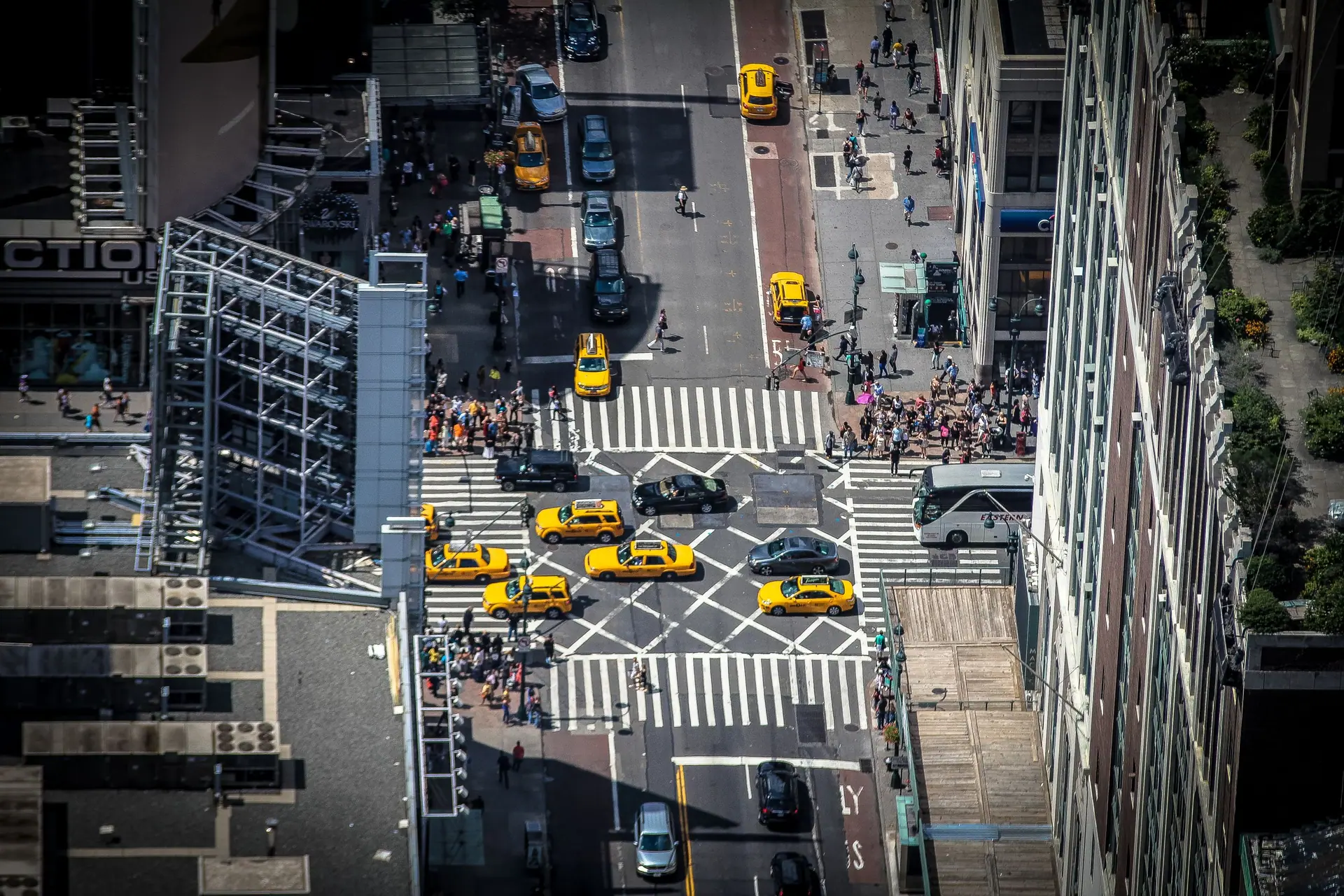
Crossing signals are generally timed for a slow walking pace, but some intersections in busy areas like Herald Square and Times Square require a brisk pace; use the pedestrian countdown and don't start if the number is low. For longer crosstown trips, consider the free Staten Island Ferry or the NYC Ferry (around $4) for a scenic, step-free alternative to traffic. The East River Ferry stops at East 34th Street and Wall Street, both with ramps. If you use a wheelchair or walker, note that many older buildings have a step at the entrance; hotels and major attractions are required to provide access, but call ahead to confirm.
Subways and Buses: The Workhorses
The subway is the fastest way around, but only about a quarter of stations are fully accessible with elevators. Key accessible stations include Times Square–42nd Street (multiple lines), Grand Central–42nd Street (4/5/6/7), and Jay Street–MetroTech in Brooklyn for the A/C/F/R. The MTA's website lists accessible stations and provides real-time elevator status; check before you go, as outages are common. Fares are $2.90 per ride, and the OMNY contactless system caps at $34 per week. If you use a wheelchair, the gap between train and platform can be several inches; staff at accessible stations can deploy a ramp if you ask. Avoid rush hour (7–9am and 5–7pm) when trains are packed and elevators have queues.
Buses are the unsung hero for limited mobility: every MTA bus is equipped with a front ramp and two wheelchair spaces. Routes like the M1, M2, M3, M4, and M5 run along Fifth and Madison Avenues and connect Midtown with Harlem and the Museum Mile. The M23 runs crosstown on 23rd Street, and the M42 shuttles between Times Square and the United Nations. Buses are slower than subways — a crosstown trip can take 20–30 minutes — but they drop you closer to your destination and eliminate stairs. Use the MTA app to see real-time arrival and crowding. For accessible trips, plan extra time and avoid peak hours when buses are full.
Taxis, Ride-Hail, and Accessible Vehicles
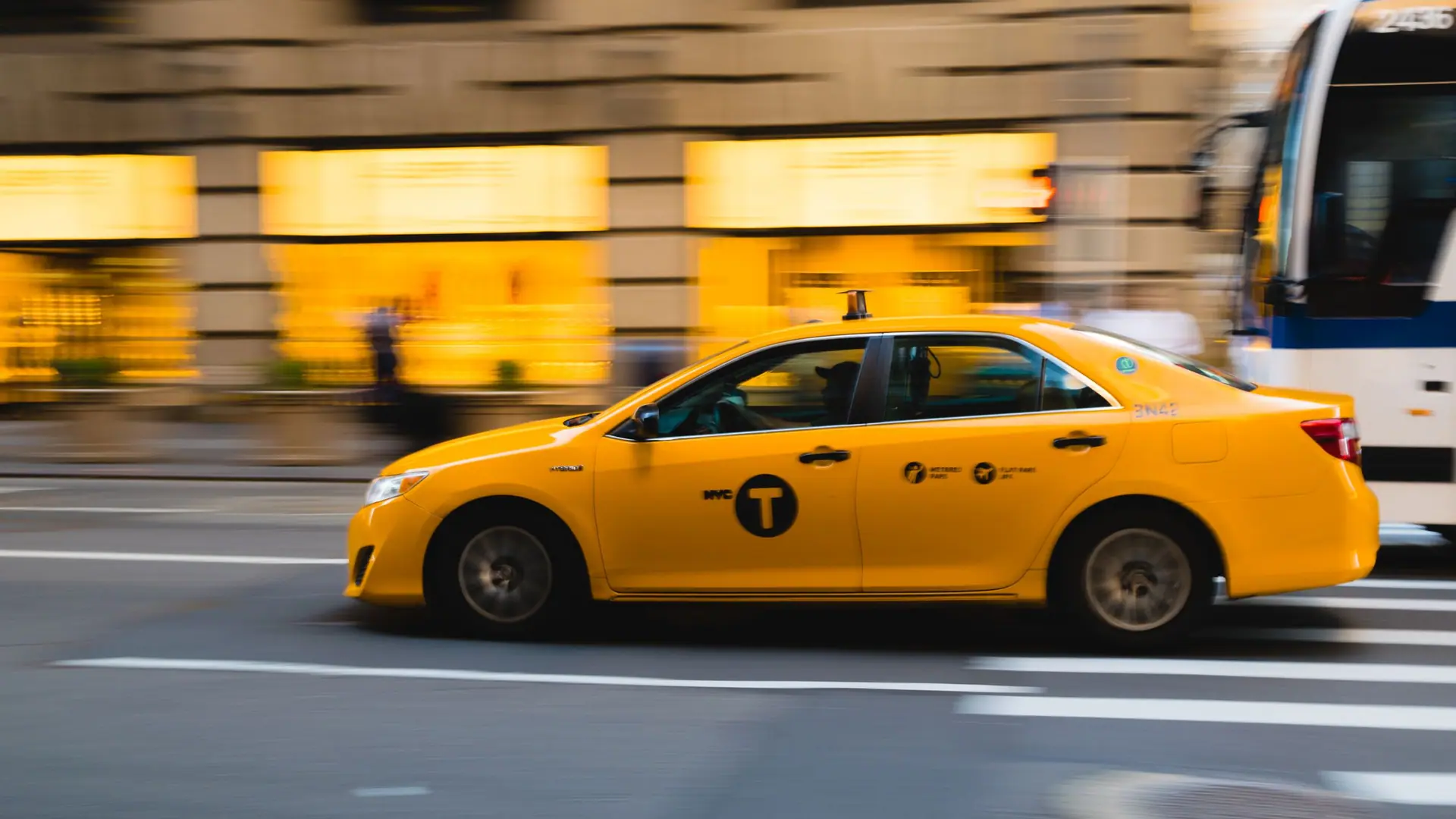
Yellow taxis are ubiquitous, but only a fraction are wheelchair-accessible; the city mandates that a growing share be accessible, and you can request one via the Accessible Dispatch program (book online or by phone). Ride-hail apps like Uber and Lyft offer wheelchair-accessible vehicles (WAV) in Manhattan, but availability can be spotty during peak times, and wait times may exceed 20 minutes. Fares vary, but a crosstown trip from Midtown to the Upper West Side might run $15–$25 before tip. For airport transfers, JFK is about 45–60 minutes by car (traffic-dependent) and $70–$90 flat rate; LaGuardia is 30–45 minutes and $40–$60. Always confirm the vehicle type when booking.
If you use a folding wheelchair or walker, standard taxis can often accommodate you if you can transfer into the seat, but the trunk may not fit larger devices. For power wheelchairs, you'll need a WAV. The MTA's paratransit service, Access-A-Ride, requires pre-registration and is best for residents, not short-term visitors. For visitors, the simplest option is to book a WAV through a ride-hail app or call a livery service like Carmel (around $50–$70 from Midtown to JFK). Skip gypsy cabs and unlicensed drivers. In cold or rainy weather, demand spikes, so schedule ahead or have a backup plan. Hotel concierges can often arrange accessible cars with notice.
Where to Stay and When to Go
For limited mobility, base yourself in Midtown or the Upper East Side, where sidewalks are wide and access to buses and accessible subway stations is easiest. Midtown around Times Square and Grand Central has the highest concentration of accessible hotel rooms and is within walking distance of Broadway theaters and major attractions. The Upper East Side along Museum Mile is quieter and has good bus service on Fifth Avenue. Avoid staying in the Financial District if you plan to spend most time in Midtown, as the subway connections are less accessible. Budget $250–$400 per night for a mid-range accessible room in Midtown; prices drop in January and February, the slowest months, but cold weather can complicate mobility.
Best months for a visit are April–June and September–October, when temperatures are mild and sidewalks are clear. Summer heat can be oppressive, especially on subway platforms, and winter snow can hinder wheelchair travel for days. If you visit in December, enjoy the holiday windows but expect crowded sidewalks and slow going. Book a hotel with a roll-in shower and confirm the room type directly; not all “accessible” rooms are equal. For a first trip, I'd book a Midtown hotel near a major accessible subway station like 42nd Street–Port Authority, which has elevators and serves multiple lines, and use buses for short hops.
Related articles
Keep reading
Questions
Are Manhattan sidewalks generally wheelchair-accessible?
Most are, but quality varies. Major avenues like Fifth and Sixth are wide and well-maintained, while side streets may have uneven pavement, tree roots, or scaffolding. Use Street View to check your route and stick to main thoroughfares. Curb ramps exist at most corners, though some are steep.
Which subway stations are fully accessible?
About 25% of stations have elevators. Key ones include Times Square–42nd Street, Grand Central–42nd Street, and Jay Street–MetroTech. Check the MTA website for real-time elevator status. Avoid rush hour when elevators are crowded. If you need a ramp, ask station staff for assistance.
How do I get an accessible taxi in Manhattan?
Request a wheelchair-accessible yellow taxi through the Accessible Dispatch program or book a WAV via Uber or Lyft. Wait times vary; schedule ahead during peak hours. Standard taxis can accommodate folding wheelchairs if you can transfer. Fares are metered; crosstown trips typically cost $15–$25.
Are MTA buses accessible for wheelchair users?
Yes, all MTA buses have front ramps and two wheelchair spaces. They are a reliable option for short trips, though slower than subways. Routes like the M1–M5 along Fifth/Madison Avenues and the M23 crosstown are useful. Use the MTA app for real-time arrivals and avoid peak crowding.
What's the best neighborhood to stay in for limited mobility?
Midtown or the Upper East Side. Midtown has the most accessible hotel rooms and attractions within walking distance, plus major accessible subway stations. The Upper East Side is quieter with good bus service. Avoid the Financial District if you'll spend most time in Midtown, as subway connections are less accessible.
When is the best time to visit Manhattan with limited mobility?
April–June and September–October offer mild weather and clear sidewalks. Summer heat can be tough on subway platforms, and winter snow can hinder wheelchair travel. December is festive but crowded. If you visit in winter, check weather forecasts and plan indoor activities.
How do I get from the airport to my Manhattan hotel with limited mobility?
From JFK, a wheelchair-accessible taxi or ride-hail costs $70–$90 and takes 45–60 minutes. From LaGuardia, $40–$60 and 30–45 minutes. Book in advance through apps or your hotel. Public transit is cheaper but less accessible; AirTrain connects to the subway, but not all stations have elevators.