
Jazz in Harlem
Harlem holds the deepest jazz history on the island, and live music still runs through the neighborhood most weeks of the year. The Apollo Theater on West 125th Street is the address most associated with the area's music, with a long record of launching careers and a calendar that mixes concerts with variety and community events. Smaller rooms near 125th Street and further north toward Hamilton Heights book local bands, often with a cover charge at the door and a late set at weekends.
Sunday morning services in Harlem churches draw visitors for their music, but these are working congregations first: check a church's own visitor guidance, dress simply and keep phones out of sight during the service. For jazz, decide which set you want and reserve if the room takes bookings, since weekend bills fill. Ask about the cover charge and any table minimum when you book, so the evening holds no surprises at the end.
Jazz in the Village
Greenwich Village is the other pole of Manhattan jazz, and its rooms are smaller and more informal than Harlem's. Most sit on side streets south of 14th Street, some of them below street level, with a bar at the back and a stage that holds a quartet. Sets run through the evening with short breaks, and the crowd drifts in and out between them. Check who is playing that week, because bookings change often and a Tuesday can differ from a Saturday.
Book ahead for weekend sets in the Village, and expect a cover charge or a minimum at the table; ask when you reserve so the total is clear. Weeknights are easier and often bring the same players in a calmer room. The neighborhood is well served by subway, and the streets around it stay busy late, which makes the walk back to a station straightforward.
Concert Halls and Recital Rooms
Manhattan's concert halls cluster in two areas: Midtown around 57th Street, and the performing arts campus at Lincoln Square on the Upper West Side. The large rooms present orchestras, recitals and touring ensembles, with most of the season running from autumn to spring and lighter programming in summer. Tickets for the most sought-after nights go on sale months ahead. Check each hall's own calendar, and ask about same-day seats, standing room and rush policies, which change from season to season.
Beyond the big halls, churches and university auditoriums across the island host chamber music, choral programs and new-music series, often with free or low-cost tickets. These rooms are smaller, so the sound is close and the evening shorter than a full orchestral program. Many sell tickets at the door only. Look at the music schools and conservatories too: student and faculty recitals are open to the public and give a good hearing of the classical repertoire.
Free Summer Shows Outdoors
Summer is when live music in Manhattan moves outdoors. Central Park's lawns and the High Line's terraces host free concerts and performances through June, July and August, and smaller parks across the island do the same. Lineups and dates are set each year, so check the parks department listings and each park's own calendar in late spring before you build an evening around a show. Most outdoor events need no ticket, and none of them requires a reservation.
Arrive early with a blanket or a folding chair, since space at the front of a lawn fills first. The High Line is narrow, so performances there fill quickly and the walkway stays crowded. Summer evenings are hot and humid, and a thunderstorm can cancel a set at short notice; check the organizer's channel before you set out. Bring water and watch the forecast before the ride home.
The Year in Live Music
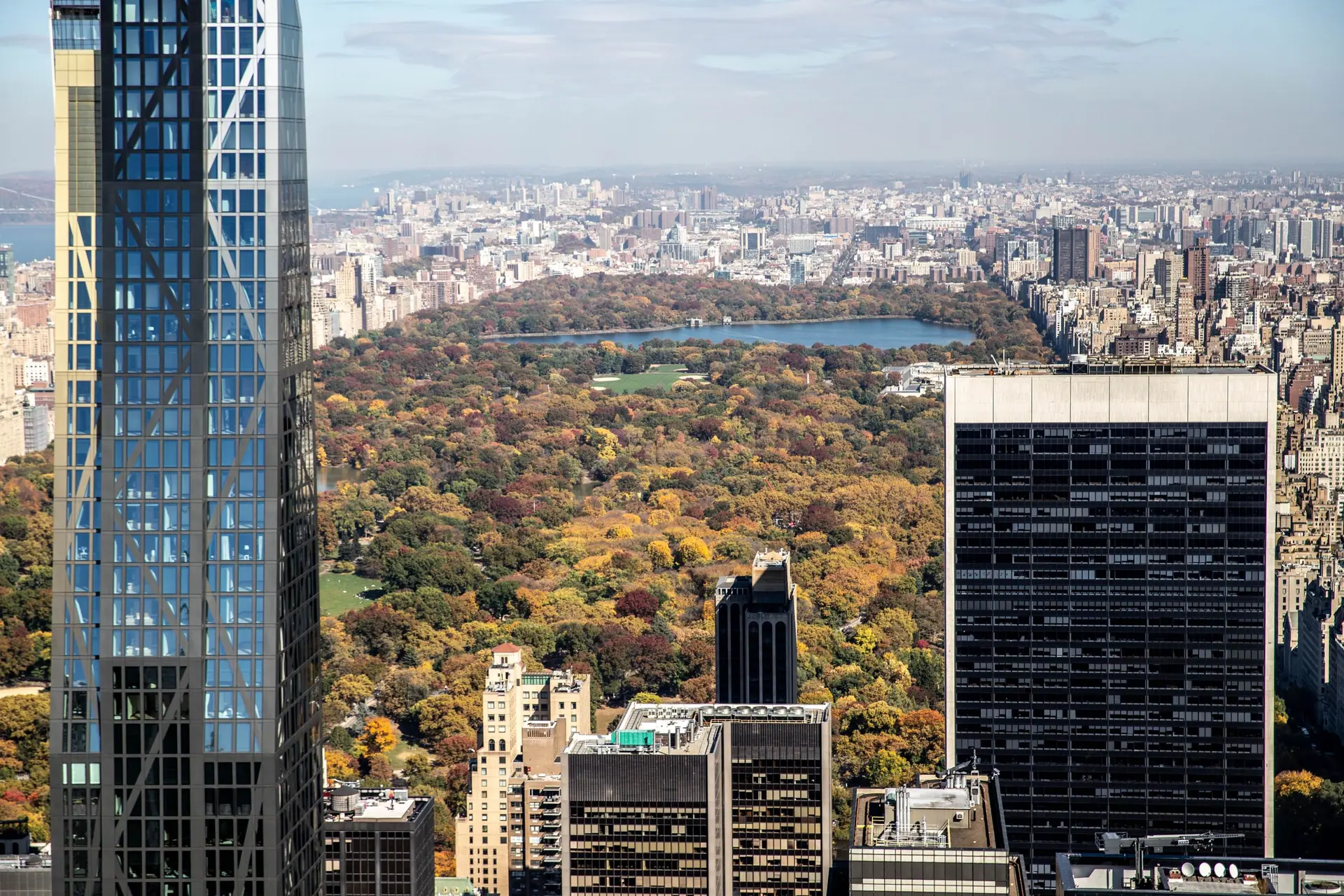
Live music in Manhattan keeps to the calendar. The classical halls program most heavily from autumn through spring, and December is the busiest holiday period of the year, when seasonal concerts fill quickly. January to early March is usually the quietest stretch, which makes it the easiest time to find seats for a program you had meant to hear. Autumn is also when the city looks its finest: the color in Central Park usually peaks in early to mid November.
Spring and early summer bring outdoor series back, and September to November is mild enough for both indoor halls and open-air stages. The Rockefeller Center Christmas tree is lit around the end of November or early December, and the weeks around it bring carols and seasonal programs in churches across the island; the date is set each year, so check before you plan. Book holiday weeks well ahead, and confirm times with each venue.
Planning the Night
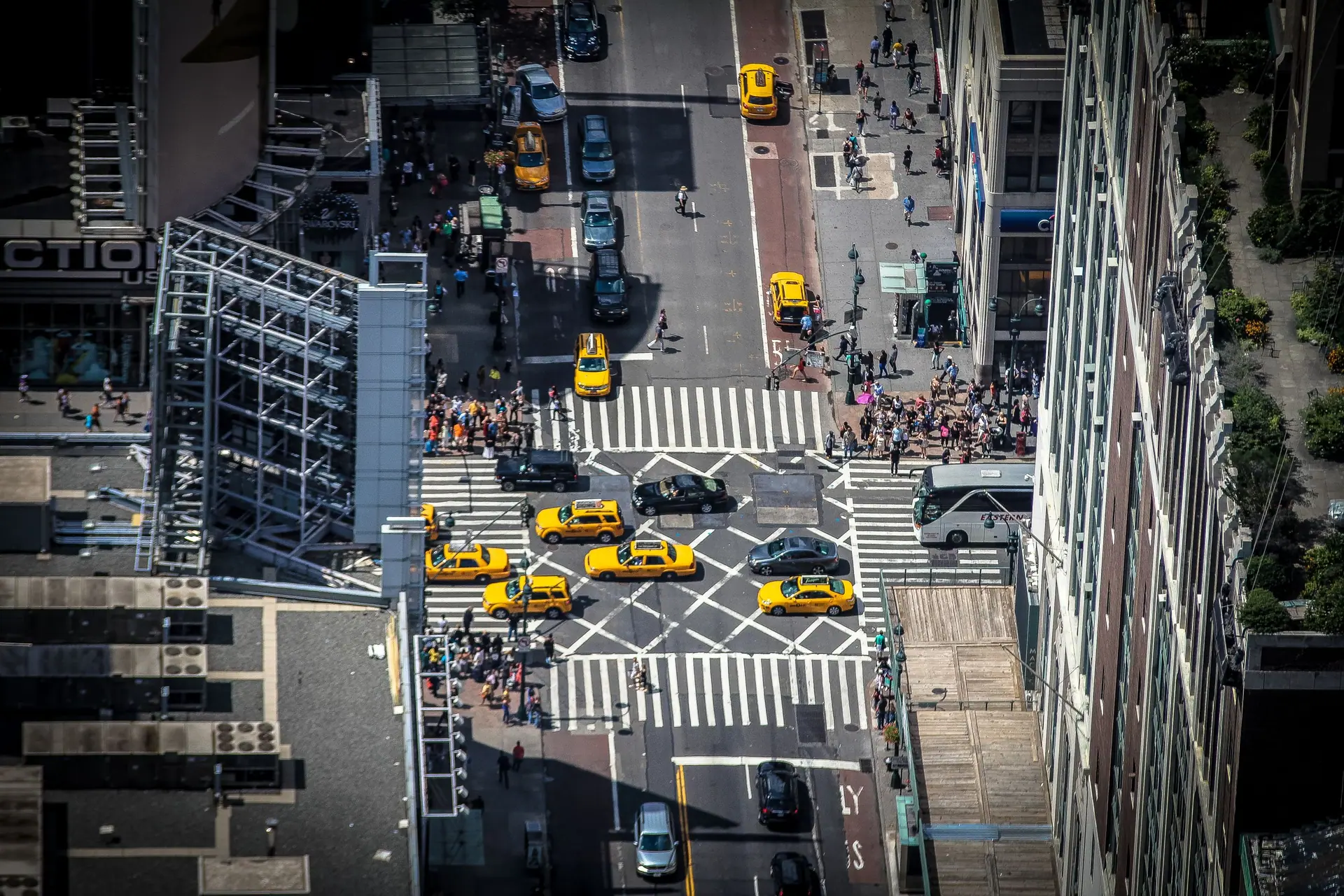
Plan the evening around start times. Jazz sets usually begin between 7 and 9 pm, Broadway curtains are typically 7 or 8 pm, and each show sets its own times, so confirm before you book. Arrive a little before the start so you are not walking in during a first number. If you are seeing two things in one night, leave a generous gap, since Midtown traffic and subway waits eat into a tight schedule.
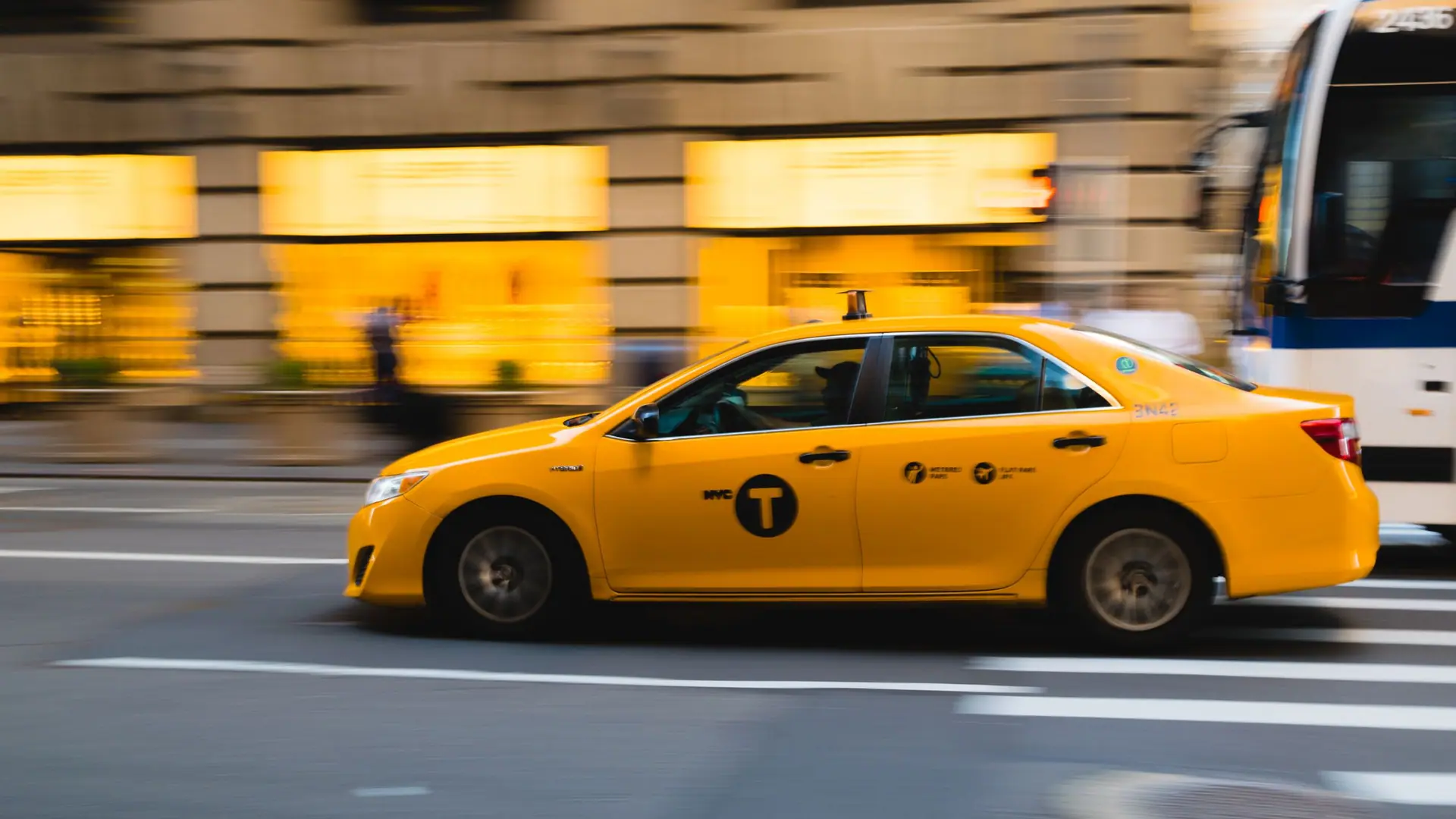
The subway runs 24 hours a day, and fares are paid by tapping a contactless card or phone at the turnstile. Weekend service changes are common, so check the current status with the transit agency before a late set, and allow more time than a weekday trip needs. Cars for hire are easy to find around the Theater District after curtains, but the subway is quicker on a crowded night. Check the total price with taxes and fees if you are staying overnight.
Keep reading
Questions
Where can you hear jazz as part of live music in Manhattan?
Harlem and Greenwich Village are the two main districts. In Harlem, the Apollo Theater on West 125th Street anchors the scene, with smaller rooms nearby. In the Village, most rooms sit on side streets south of 14th Street, several below street level. Check listings for the week you visit, because bills change often.
Do you need to book ahead for live music in Manhattan?
For weekend jazz sets and for the big concert halls, yes. Bills fill, and the most sought-after nights in the classical season go on sale months ahead. Weeknights are easier. Free outdoor shows in summer rarely need a ticket, but arrive early for a spot on the grass.
Is there free live music in Manhattan in summer?
Yes. Central Park and the High Line host free outdoor concerts and performances through the summer, and smaller parks across the island do the same. Lineups and dates are set each year, so check the parks department listings and each park's own calendar in late spring before you plan an evening.
What time do shows start for live music in Manhattan?
Jazz sets in the Village and Harlem usually begin between 7 and 9 pm. Broadway curtains are typically 7 or 8 pm, and each show sets its own times. Concert halls vary by program. Confirm the start time with the venue when you book, and arrive a little early.
Can you take children to live music in Manhattan?
Some of it. Free park concerts and daytime classical programs suit families, and student recitals at the music schools are open to the public. Many small jazz rooms are bars and admit adults only. Ask the venue about its age policy before you buy, since rules differ from room to room.
How do you get home after live music in Manhattan late at night?
The subway runs 24 hours a day, and fares are paid by tapping a contactless card or phone at the turnstile. Weekend service changes are common, so check the current status with the transit agency before a late set. Cars for hire are easy to find around the Theater District after curtains fall.
When is the quietest time for live music in Manhattan?
January to early March is usually the quietest stretch in the city, which makes it the easiest time to find seats for concerts you had meant to hear. December is the busiest holiday period, with seasonal programs filling fast. Summer moves much of the programming outdoors.
What should you wear to live music in Manhattan?
There is no dress code at most jazz rooms; people come as they are after work. The big concert halls draw a range, from casual to formal, and none of it is required. Outdoor summer shows call for light clothes, something to sit on and a layer for later.