
How food halls work
A food hall is an indoor space with several food counters and shared seating. You order at the counter that matches your appetite, then carry your tray to a table. This format suits a quick lunch because each person can choose a different dish without splitting a restaurant check. Manhattan food halls range from market buildings with long histories to modern halls near transit and office towers. The mix changes, so check the current directory before you go.
The main variable is timing. Midday brings office workers, students and visitors, and seating can be tight. Arriving before the noon rush or after the main lunch hour usually gives more room. Some halls serve breakfast, some close between meals, and some keep evening hours. Opening days and vendor lineups change, so confirm details on the hall's own website or the building directory. Payment and seating rules also vary by venue.
Flatiron and Union Square
Flatiron and Union Square sit in the center of Manhattan, with good subway access and a mix of offices, schools and parks. That makes the area useful for a quick lunch before or after a walk through Union Square or a meeting nearby. Food halls here attract a midday crowd, so a slightly early or late arrival helps. Check opening days, because some counters close on weekends or between service periods.
Union Square itself is a public gathering point with a farmers market on some days. It is not an indoor food hall, but it helps orient a lunch route: the surrounding blocks hold cafes, market counters and larger food halls. Use the park as a landmark, then walk toward Broadway or Fifth Avenue. Keep the visit short by choosing a hall with clear seating and one or two counters that suit your group. Confirm current hours before setting out.
Chelsea and the West Side
Chelsea and the West Side combine market halls, galleries and the High Line, the free elevated park from Gansevoort Street to West 34th Street. A food hall lunch fits neatly between a walk on the High Line and a visit to Hudson Yards. The area is busier on weekends and around popular park entrances. Check the High Line's current hours and access points, then choose a hall near your route rather than crossing the neighborhood twice.
For a weekday lunch, the West Side serves office workers and residents, so counters near Penn Station and Hudson Yards can fill quickly. The market hall in Chelsea is a useful landmark for visitors, but the surrounding blocks also hold smaller indoor markets and counter-service spots. Seating is usually shared, which makes solo dining easy. Payment methods vary, so carry a card and check the venue's policy if that matters. A midday visit avoids the longest lines at the most popular counters.
Downtown and the Financial District
Downtown Manhattan rewards a lunch planned around transit. Fulton Center and the World Trade Center transportation hub sit near office towers, the 9/11 Memorial and Battery Park. Food halls in the area serve weekday crowds, so weekends can be quieter but also have shorter hours. The Staten Island Ferry leaves from Whitehall Terminal and is free, which makes a downtown lunch easy to combine with a harbor crossing. Check ferry and hall schedules before you go.
The 9/11 Memorial's two reflecting pools are free to visit, while the museum is ticketed. A food hall lunch can fit before or after a visit, but allow time for security and crowds. The Oculus and nearby stations connect several subway lines, so downtown is a practical lunch stop between meetings or sights. Opening days vary by counter. Confirm the current lineup and hours with the venue, especially on public holidays. Allow extra time if you visit at peak hours with a group.
Midtown and the Theater District
Midtown has many lunch options, including food halls near Grand Central Terminal, Penn Station and the Port Authority Bus Terminal. These halls suit a quick meal between trains, meetings or a Broadway show. The Theater District around Times Square is busiest before evening curtains, which are typically at 7 or 8 pm. Check your show time, then leave a buffer for the walk and for security at larger public buildings. The area is easy to reach on foot from nearby stations.
At lunch, Midtown food halls can be crowded, especially on weekdays. A counter near the entrance may have a shorter line, but seating deeper in the hall is often calmer. Some halls are in office buildings and follow weekday hours, while others stay open later for theater crowds. Check the building directory and the hall's own site for current opening days. Tap to pay on the subway with a contactless card or phone.
Harlem and Upper Manhattan
Upper Manhattan has fewer food halls than Midtown, so lunch needs a little more planning. Harlem's main lunch routes cluster around 125th Street, where the Apollo Theater stands, and near the museums along Fifth Avenue and Central Park West. A food hall visit can fit with a museum morning or an afternoon in Central Park. Check opening days, because some counters serve lunch only on weekdays and others close between services. The area is less dense with lunch counters than Midtown, so a short list helps.
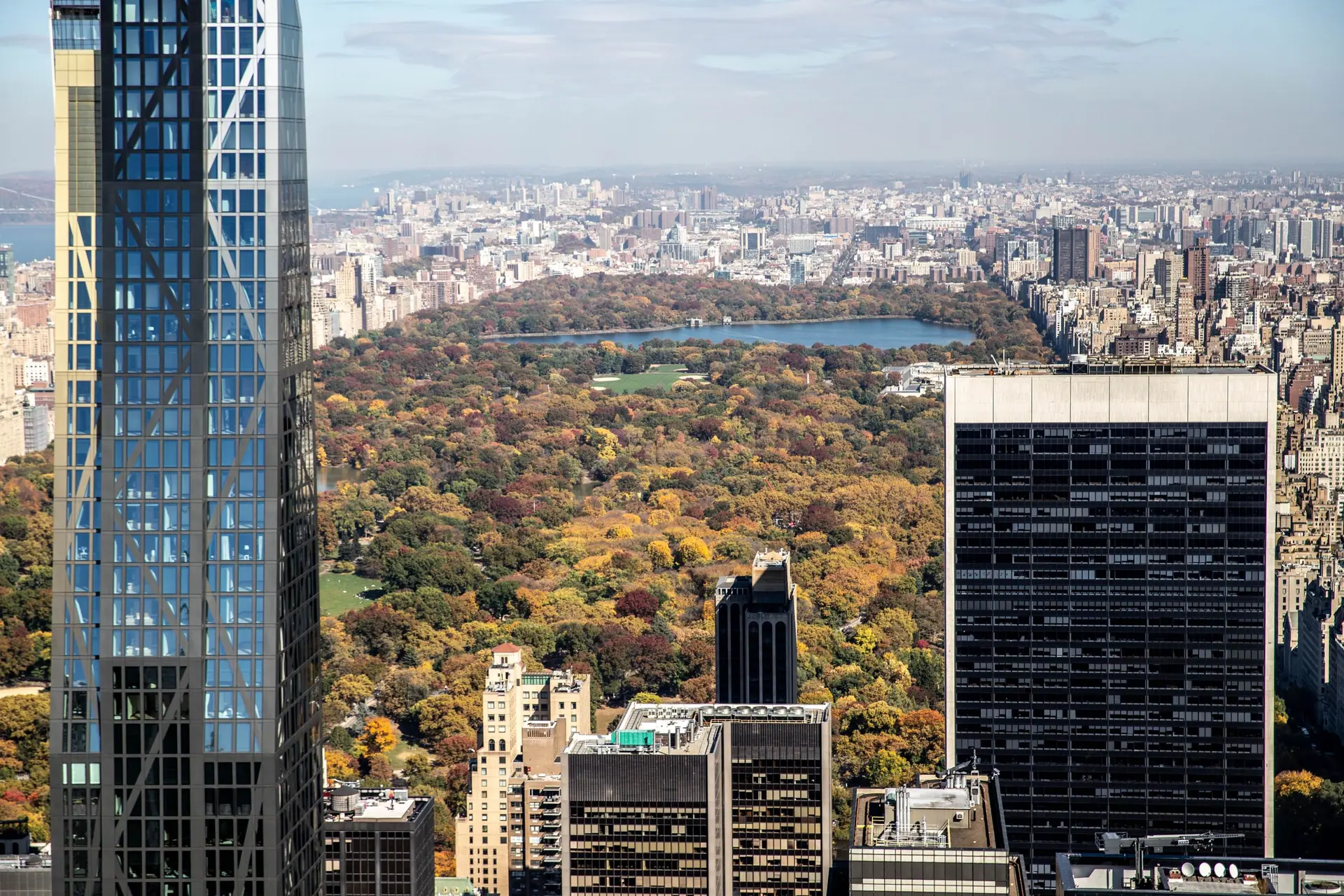
Central Park is free and stretches from 59th to 110th Streets, which makes it a useful anchor for an upper Manhattan lunch. The American Museum of Natural History is on Central Park West at 79th Street, and the Metropolitan Museum of Art is on Fifth Avenue at 82nd Street. Food halls near these sights can be busy at weekends. Confirm hours and seating before crossing the park, and keep the meal simple if time is short.
Keep reading
Questions
What makes a Manhattan food hall useful for a quick lunch?
A Manhattan food hall gathers several counters in one indoor space with shared seating. Each person can order a different dish, which suits mixed groups and solo diners. The format saves time because you do not need a full restaurant reservation or a long sit-down meal. Check current hours and the vendor directory before you go.
Where are Manhattan food halls usually found?
Manhattan food halls cluster near transit hubs, office districts and major sights. Midtown has a large concentration, around Grand Central Terminal, Penn Station and the Theater District. Downtown has halls near Fulton Center and the World Trade Center transportation hub. Chelsea, the Flatiron district, Union Square and Harlem have smaller clusters. Check each venue's current opening hours.
Are Manhattan food halls open on weekends?
Some Manhattan food halls keep weekend hours, but many counters in office districts close or shorten service on Saturdays and Sundays. Downtown and Midtown halls near offices are most likely to follow weekday schedules. Halls near parks and major sights often stay open for visitors. Confirm opening days on the hall's own website or the building directory before making a weekend trip.
Can solo diners use Manhattan food halls easily?
Yes. Manhattan food halls suit solo diners because shared tables and counter seating make a single lunch less awkward than in a full-service restaurant. You can order one dish, eat at your own pace and leave without waiting for a check. Busy lunch periods may limit seating, so arrive slightly early or after the main rush. Check the hall's seating layout if you need space.
Which Manhattan food halls are near Union Square?
Several Manhattan food halls and indoor market counters sit within walking distance of Union Square, in the Flatiron district and along Broadway. The area has good subway access, so it works as a central lunch stop. Union Square also has a public market on some days, which is outdoors. Check current opening days and the venue directory before choosing a hall.
Do Manhattan food halls have seating for groups?
Many Manhattan food halls provide shared tables and open seating that can absorb small groups, but large groups may need to split up at peak lunch times. Some halls have quieter seating away from the main aisle. Check the venue's layout and current rules before bringing a group. Arriving early or late improves the chance of sitting together.
When should you arrive at Manhattan food halls for lunch?
Manhattan food halls are quietest before the main midday rush and again after the peak lunch hour. Aim to arrive early or later rather than at the center of the noon period. Weekday crowds near offices are heavier than weekend crowds in the same halls, though weekend hours can be shorter. Check current hours before you plan the timing.
Are Manhattan food halls a good choice on a rainy day?
Manhattan food halls work well in wet weather because the counters and seating are indoors. They also sit near subway stations in many neighborhoods, which limits time outside. Expect more competition for tables on rainy weekdays, when office workers stay close to their buildings. Check opening hours and bring a plan for a nearby indoor sight if the hall is full.