
Winter weather and daylight
Winter in Manhattan runs from December into March, and the coldest stretch usually falls in January and February. The island sits between two rivers, so damp air and wind make a raw day feel sharper than the thermometer suggests. Snow comes in some years and not in others. Daylight is short, with sunset in the late afternoon and dark streets by the time offices empty. Layering matters more than a single heavy coat.
Wind is the variable that decides how a winter day feels. The grid channels it down the avenues, and the cross streets between the tall buildings can be calmer or harsher depending on direction. A clear, still, cold day is the one for walking; a wet day is the one to spend indoors. Check the forecast each morning and plan the outdoor part of the day around the warmest hours, usually early afternoon.
Snow days change the pace of the city rather than stop it. Sidewalks get cleared quickly, crosswalks turn slushy, and the parks hold the snow longer than the streets do. Central Park in the days after a snowfall is the calmest place on the island, with the paths quieter than the avenues. Boots with grip matter more than an umbrella on a snowy day, and a spare pair of socks is worth carrying.
The quietest weeks of the year
January to early March is the year's lowest demand. December is the busiest holiday period, and the first week of January still carries some of that traffic, but the city empties out quickly once the holidays end. Hotels have rooms, museum queues shorten, and restaurant reservations become possible again. This is the stretch when a Manhattan visit demands the least patience. Check the total price with taxes and fees when you book, since city hotel bills add taxes and a per-night occupancy charge, and some hotels add a facility fee.
Weekends still draw local visitors to the museums and to Midtown, so a Tuesday or Wednesday in January can feel quieter than a Saturday. School holidays vary by district and by country, and February break weeks bring families to the observation decks and the theaters. Broadway curtains run through the winter; check the show and the date, since schedules shift. If your dates are flexible, aim for the middle of January or the first half of March.
Museums without the crowds
The Metropolitan Museum of Art sits on Fifth Avenue at 82nd Street, at the start of Museum Mile, the run of Fifth Avenue institutions from roughly 82nd to 105th Streets. In winter the galleries are warm, the coat rooms are busy, and the largest exhibitions still draw queues on weekends. Weekday mornings are the calmest. Check opening days and timed entry before you go, since both change through the season, and buy tickets in advance when a show is expected to be popular.
The American Museum of Natural History faces Central Park on Central Park West at 79th Street, a short walk across the park from the Met in good weather and a subway ride in bad. Smaller museums along the avenue and in the neighborhoods fill a cold afternoon well. Plan one large museum per day: the walking inside these buildings is real, and two in a day leaves little energy for the evening.
Fifth Avenue after the holidays
Department-store window displays on Fifth Avenue run from late November into early January, and the Rockefeller Center Christmas tree is lit around the end of November or early December, with the date set each year. Those two traditions make the weeks around New Year the most crowded of the season around Rockefeller Center and along the avenue. Once the windows come down in January, the same walk is calm, and you can see the buildings instead of the backs of other visitors.
The plaza at Rockefeller Center holds an ice rink in winter; check the season dates and opening hours before traveling across town for it. St. Patrick's Cathedral stands across Fifth Avenue, and the surrounding blocks reward a slow walk: stone facades, flags, and the low winter sun at the corners. Cold weather clears the sidewalk, so this is the time to look up at the buildings rather than navigate around crowds.
Getting around in the cold
The subway runs 24 hours a day and is the warmest way to cross town. Fares are paid by tapping a contactless card or phone at the turnstile, and the system caps weekly spending after a set number of rides in seven days. Tap to pay as you enter. Stations vary: some are deep and warm, others are open to the street. Grand Central Terminal at 42nd Street and Park Avenue, and Penn Station at 34th Street between Seventh and Eighth Avenues, both connect to the subway.
Walking is still the way to see the grid, but break it up. A crosstown walk on a cold day is longer than it looks on the map, and the blocks between avenues are the exposed part. Use the avenues for north-south trips and duck into a station, a library, or a museum lobby to warm up. The New York Public Library's main building at Fifth Avenue and 42nd Street is open to the public.
Views, water and short days
The Staten Island Ferry is free, leaves from Whitehall Terminal at the southern tip of Manhattan, passes the Statue of Liberty and takes about 25 minutes each way. In winter the open deck is cold and the wind is strong, but the cabin windows do the job and the harbor is quieter than in summer. Check the current timetable before you set out, since sailing times change with the season and with the day of the week.
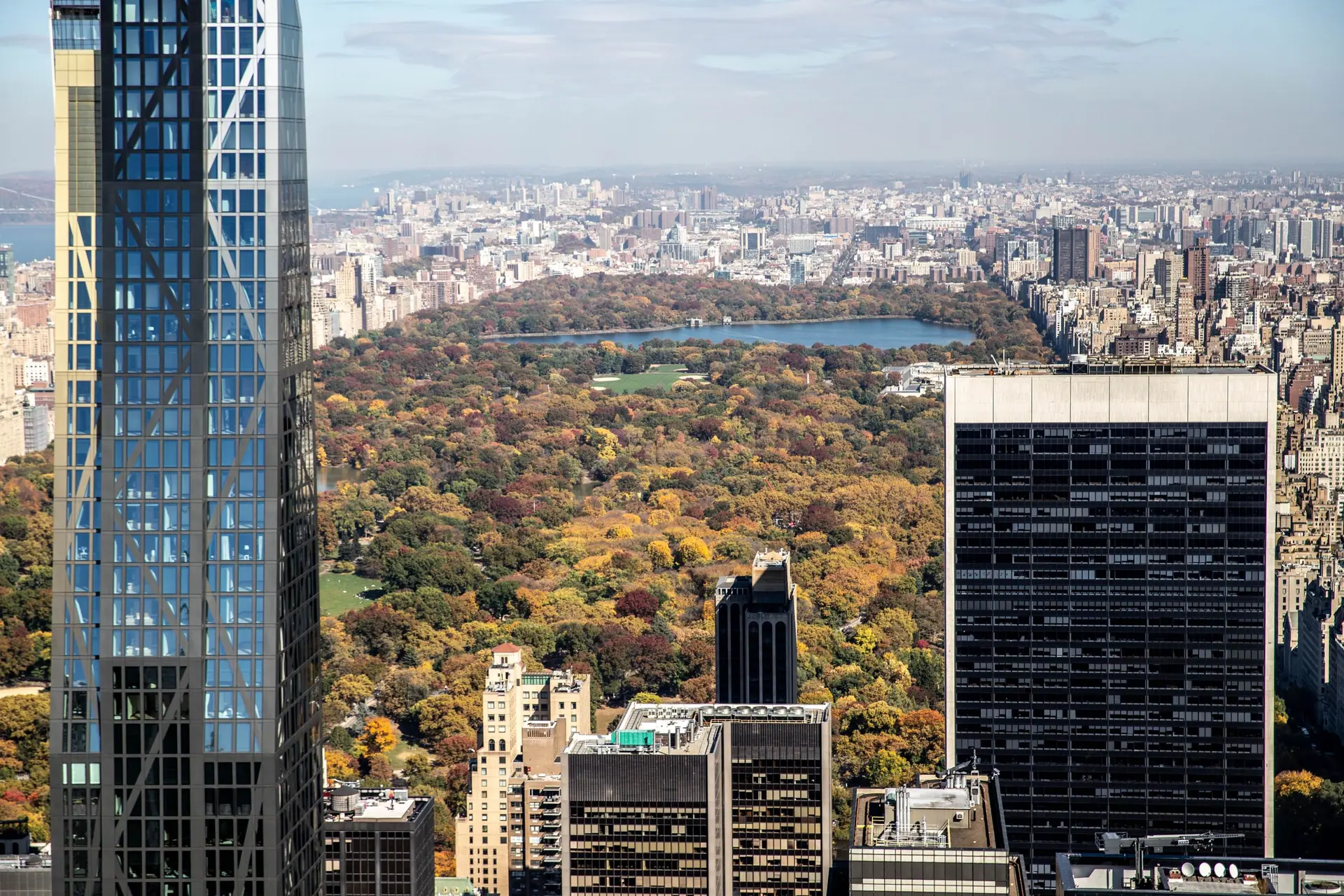
Observation decks are the other cold-weather view. Top of the Rock, on floors 67 to 70 of Rockefeller Center, puts the Empire State Building and Central Park in one frame; the Empire State Building has an open-air deck on the 86th floor and a higher one on the 102nd. Expect wind and a long wait for the elevators. Book a time slot, check the day's visibility, and go in the hour before sunset if the sky is clear.
Keep reading
Questions
How cold are Manhattan winters?
Cold and damp rather than extreme. Days often sit near freezing and nights drop below it, and wind coming off the Hudson River and the East River makes the air feel sharper than the numbers suggest. Snow falls in some years and barely at all in others. Layering is the practical answer: a warm base layer, a windproof outer layer, a hat and gloves.
When is the quietest week to visit Manhattan in winter?
The middle of January and the first half of March are usually the calmest. The holiday period ends in early January and the city empties out quickly after that, while February school breaks bring families back to Midtown. Weekdays are quieter than weekends throughout. If your dates are flexible, avoid the holiday weeks and the school break weeks on either side.
Are Manhattan museums quieter in winter?
Yes, outside holiday weekends. The Metropolitan Museum of Art on Fifth Avenue and the American Museum of Natural History on Central Park West both fill up on Saturdays, and major exhibitions draw queues at any time of year. Weekday mornings are the calmest hours. Check opening days and timed entry before you go, since both change through the winter.
Is Manhattan's Rockefeller Center Christmas tree still lit in January?
The tree is lit around the end of November or early December, and the date is set each year. It usually stays up into early January, though the exact takedown date changes; check before you plan a visit around it. Fifth Avenue's department-store window displays run from late November into early January. After that, the same blocks are far quieter.
Does it snow in Manhattan in winter?
In some years, yes; in others, barely. Manhattan gets snow most winters, but heavy falls are not guaranteed and the streets are usually cleared quickly. Cold rain is at least as common as snow. Snow changes how the city works: sidewalks get slippery, and walking becomes slower. Watch the forecast and wear boots with grip if snow is expected during your stay.
Are the observation decks open in Manhattan in winter?
They are open through the winter, with exceptions for high wind, ice or heavy snow, so check on the day. Top of the Rock at Rockefeller Center, the Empire State Building's open-air deck on the 86th floor and One World Observatory in the Financial District all stay in business through the cold months. Clear winter days give long views. Book a time slot and go in the hour before sunset.
How do you get around Manhattan in the cold?
The subway runs 24 hours a day and is the warmest way to travel. Tap a contactless card or phone at the turnstile to pay; the system caps weekly spending after a set number of rides in seven days. Above ground, use the avenues for north-south walks and keep crosstown walks short. Duck into a station or a museum to warm up.