
Start uptown, where the morning is quiet
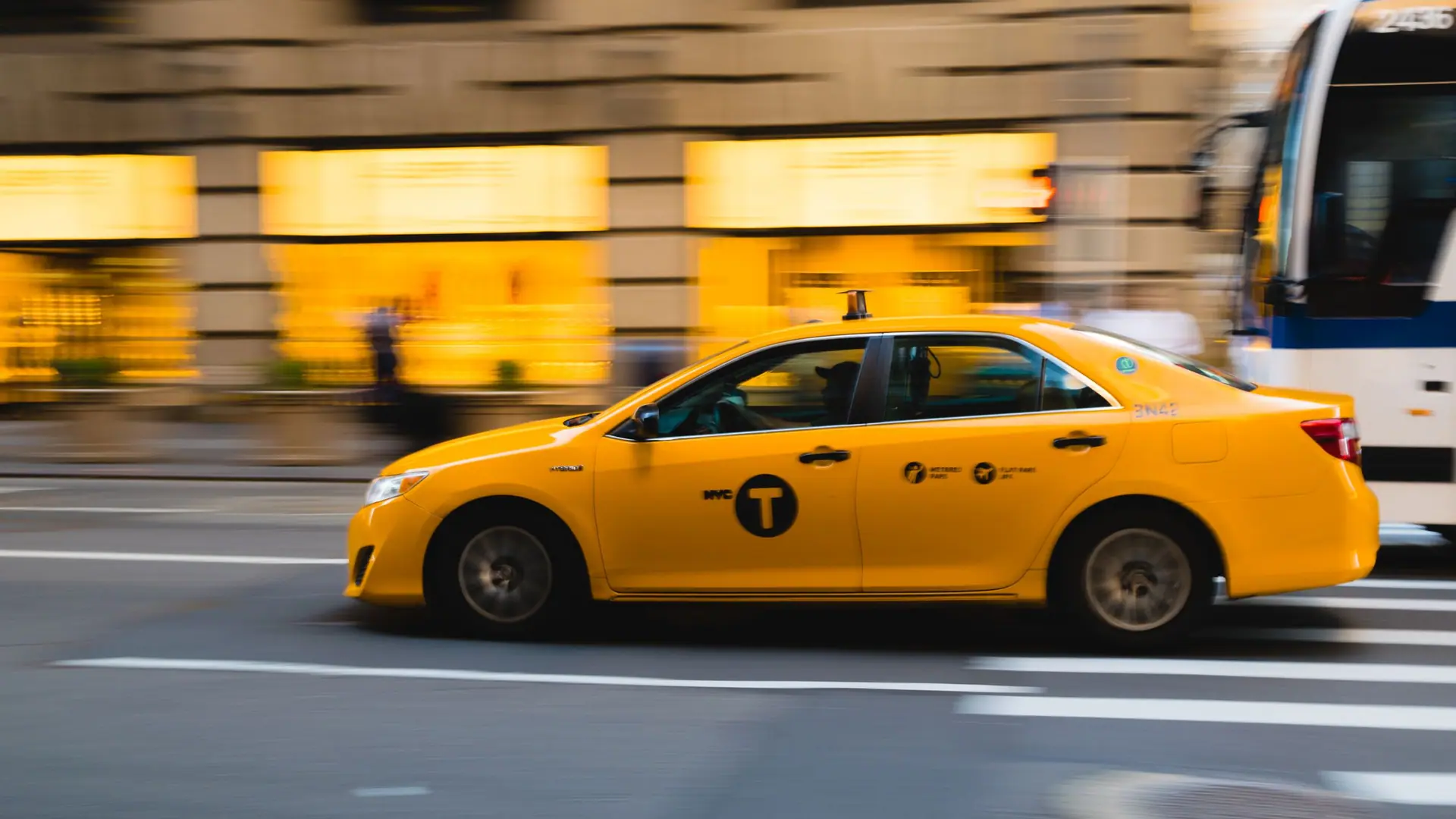
Begin at the American Museum of Natural History on Central Park West between West 77th and 81st Streets, opening time is the calmest hour and the dinosaur halls on the fourth floor absorb attention for a solid ninety minutes. Book timed entry online the week before; weekends in July and August sell out. The 81st Street–Museum of Natural History station on the B and C lines puts you at the door. From Midtown hotels the ride is roughly fifteen minutes; a taxi from Times Square takes about the same outside rush hour but costs considerably more.
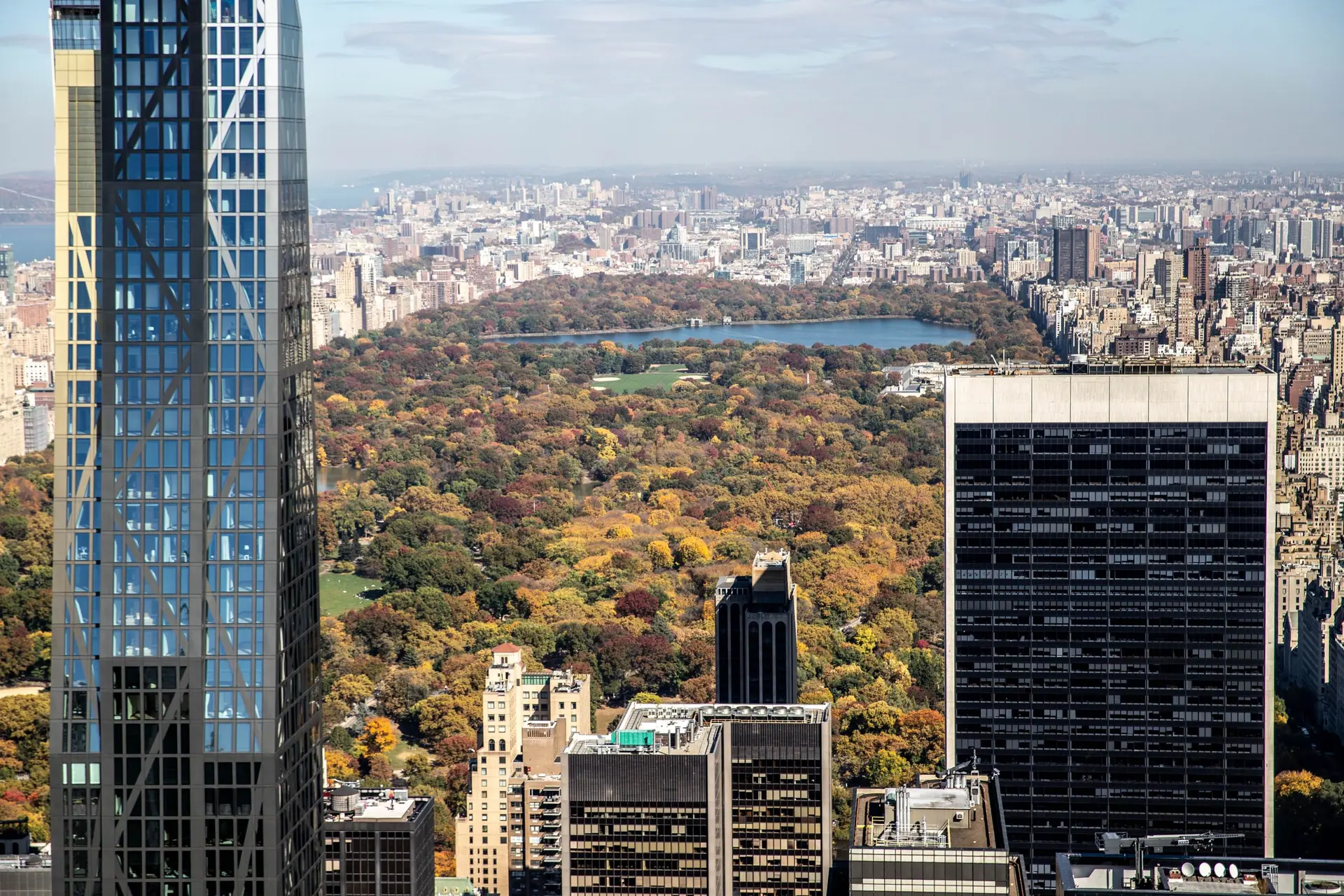
Walk east through Central Park afterwards rather than doubling back to the street. Belvedere Castle, the Turtle Pond and the Great Lawn sit within a twenty-minute stroll and give children room to run after two hours indoors. The Diana Ross Playground at West 81st Street is a reliable stop if energy is still high. Skip the horse-drawn carriage rides along Central Park South; they are expensive, slow in traffic, and children under five lose interest within ten minutes. Late September through October is the best window: mild air, foliage starting, crowds thinner than June.
Midday: cross the park and head downtown
Come out at Fifth Avenue and 79th Street and walk south past the Metropolitan Museum steps, or take the M1, M2 or M3 bus down Fifth if legs are tired. Rather than queue for a full museum visit, use the subway at 77th Street on the 6 line down to 51st Street and visit the Rockefeller Center plaza, where the flags and the sunken rink hold attention for free. Lunch in the concourse below is quick and predictable, or walk west to the Ninth Avenue strip in Hell's Kitchen between 46th and 54th Streets for a wider choice of family-friendly rooms and counter service.
Allow twenty minutes more than you think for any transfer with children; Manhattan blocks are longer than they look on a map. Avoid scheduling a sit-down lunch between noon and 1:30pm on weekdays, when office crowds fill Midtown restaurants and service slows. If the weather turns, the New York Public Library's Stephen A. Schwarzman Building at Fifth Avenue and 42nd Street is free, dry, and the children's collection in the lower level is genuinely welcoming. This is also the moment to note that staying within walking distance of these stops saves a surprising amount of the day.
Afternoon on the water and under the bridge
Take the 4 or 5 train from Grand Central to Bowling Green for the Staten Island Ferry at Whitehall Terminal. The ferry is free, runs every thirty minutes most of the day, and the twenty-five minute crossing gives close views of the harbour and the Statue of Liberty without a paid cruise. Children treat the boat itself as the attraction. Return on the same vessel and walk north through Battery Park, where the SeaGlass Carousel at State Street is a ten-dollar-scale treat that runs year-round and takes about fifteen minutes.
From Battery Park, walk fifteen minutes to the Brooklyn Bridge pedestrian entrance at Centre Street for the classic crossing, or shorten it by taking the A or C train one stop to High Street and walking back toward Manhattan for the skyline view. The full crossing takes about forty minutes at child pace each way. Skip the queues for the Empire State Building observation deck with young children; the wait often exceeds the view. Spring, from April to early June, gives the best ferry weather and the least拥挤 on the bridge before 11am.
Evening, and where to sleep
Finish in the South Street Seaport area or take the 2 or 3 from Fulton Street back uptown. For dinner, Chinatown around Mott and Canal Streets offers fast, inexpensive plates that suit tired children, while the Lower East Side along Orchard Street has more relaxed rooms. Aim to eat by 6pm; Manhattan restaurants fill quickly after 7pm and a hungry child in a queue undoes a good day. End with a walk along the East River Esplanade or a short ride on the Roosevelt Island Tramway from Second Avenue at 59th Street, which children consistently enjoy more than expected.
For accommodation, base yourself in Midtown near Grand Central or on the Upper West Side near the 79th Street subway entrances. Midtown shortens transfers to the ferry and Rockefeller Center; the Upper West Side is quieter in the evening and closer to the park and museum. Both keep a one-day itinerary workable without long cabs. Book directly through the hotel's own page when comparing, and check whether the room rate includes breakfast, which saves a genuine twenty minutes and a queue each morning. Winter visits from December to February are cheaper and the museums are quieter, but daylight is short by 4:30pm.
Related articles
Keep reading
Questions
How much walking is realistic for a child in one day in Manhattan?
Plan for four to six miles total with rests. Grouping the museum, park and one downtown cluster keeps walking manageable, and children aged six to ten handle that distance better when a ferry or tram ride breaks the middle of the day.
Is the Staten Island Ferry really free?
Yes. It departs Whitehall Terminal at Bowling Green roughly every thirty minutes and takes about twenty-five minutes each way. Boarding early gets you an outdoor spot on the starboard side heading out, which gives the clearest harbour views.
Which subway lines are easiest with a stroller?
The B, C and 6 lines serve the museum and Upper East Side well. Many older stations have stairs only, so plan routes through larger stations such as 59th Street–Columbus Circle, Grand Central and Fulton Street where elevators are available.
What is the best month for this itinerary?
Late September through October and April through early June give the best balance of mild weather, long daylight and manageable crowds. July and August are workable but require earlier starts, and the ferry and bridge are far more pleasant before 11am.
Do I need to book the American Museum of Natural History in advance?
Timed-entry tickets purchased online a week ahead are advisable, particularly for weekends and school holidays. Arriving at opening time means the dinosaur halls are noticeably quieter for the first hour.
Should we stay in Midtown or the Upper West Side?
Midtown near Grand Central shortens transfers to downtown sights and suits a single overnight. The Upper West Side around 79th Street is calmer in the evening and closer to the park, which helps if children need an early finish.
What should we skip with limited time?
Observation decks and guided cruises often consume more time queuing than viewing. Horse-drawn carriage rides around Central Park South are slow in traffic and rarely hold young children's attention for long.
Where can we eat quickly with children in the evening?
Chinatown around Mott and Canal Streets offers fast, inexpensive plates, and the Ninth Avenue strip in Hell's Kitchen has plenty of counter service. Eating by 6pm avoids the post-7pm rush at most Manhattan restaurants.