
Shoes for long blocks
Manhattan is a walking city before it is anything else. The grid north of 14th Street is regular, but a crosstown errand can still mean several long avenue blocks, and a walk from Times Square to a museum entrance adds up over a day. Pack shoes that were comfortable on day one rather than shoes that need breaking in. Soles with grip help on wet pavement and subway stairs, where steps are steep and often crowded.
Bring a second pair if the trip runs several days, and rotate them so each pair dries out between walks. Sneakers are the default and are accepted nearly everywhere in daylight. A pair of plain leather shoes or low boots covers evenings, when a restaurant or a theater expects something neater. Pack socks that cushion and dry quickly, since blisters come from damp feet more than from distance. A spare pair of socks in the day bag rescues a wet afternoon.
Layers for the season
Summers in Manhattan are hot and humid, and winters are cold, with snow in some years. Spring, from April to June, and autumn, from September to November, are the mildest stretches. Whatever the forecast says, indoor spaces swing the other way: museums, theaters and shops are cooled hard in July and heated hard in January. A light layer that packs flat answers both and earns its place in a day bag for much of the year. Cotton holds damp; wool and synthetic blends dry faster.
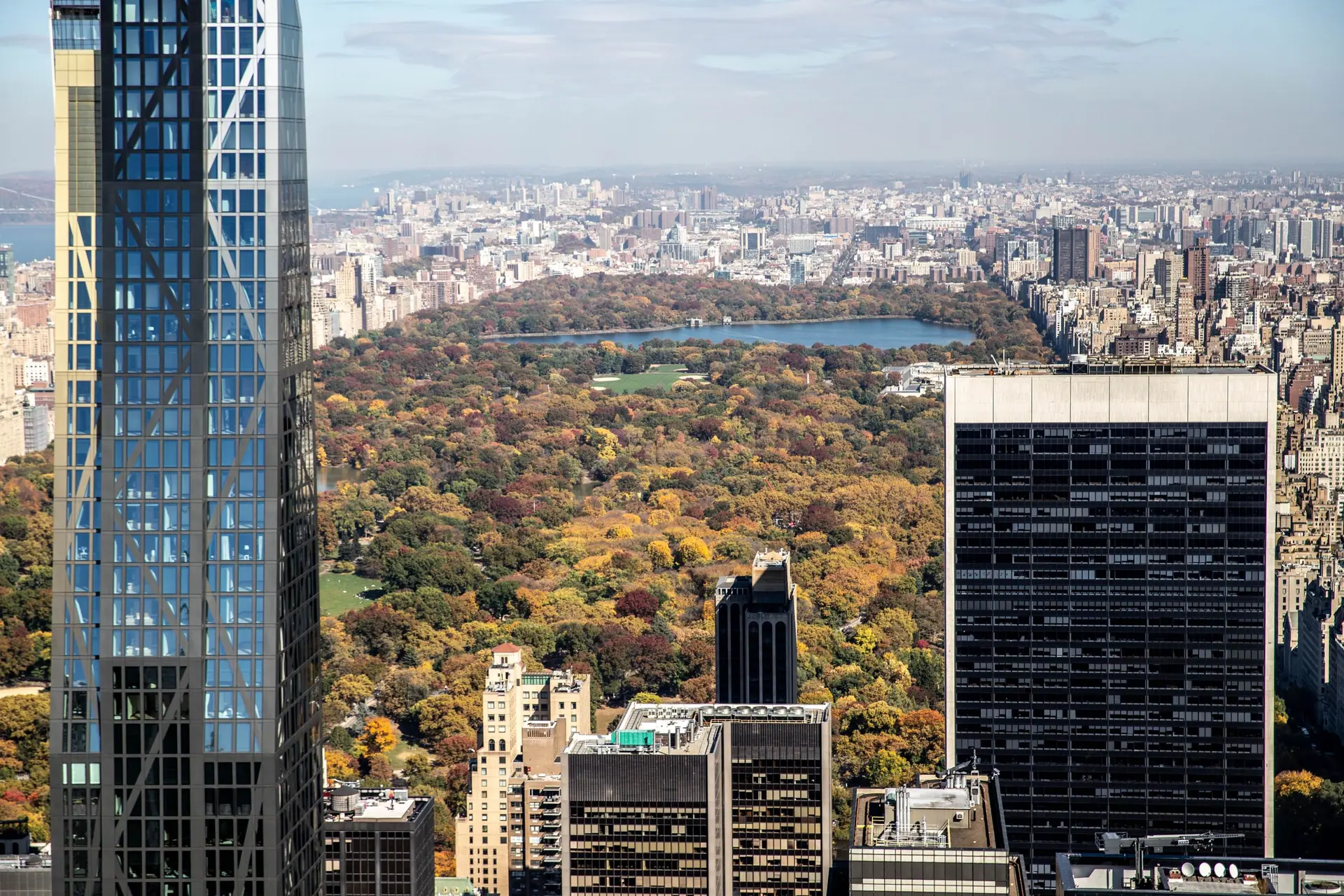
In winter a warm coat matters more than a heavy sweater, because a subway platform is warm and a street corner is not. Gloves, a hat that covers the ears and a scarf cover the parts that complain first. In autumn the color in Central Park usually peaks in early to mid November, and the Rockefeller Center Christmas tree is lit around the end of November or early December. A December trip needs the full winter set, with shoes that leave room for thick socks.
Rain, wind and the grid
On an island between two rivers the weather arrives fast, and a morning that looks clear can turn wet by the afternoon. A small folding umbrella lives in a day bag without complaint. A rain shell over a light layer is better on windy days, when an umbrella turns inside out on an avenue. Pack one item that keeps a phone dry, since the phone is map, payment method and camera at once. Keep the shell within reach without unpacking.
Wind is part of the grid. Long avenues and tall buildings funnel air, and the cross streets that frame Manhattanhenge in late May and mid-July run open to the sky. In winter that argues for a scarf and a hat rather than a hood alone. In summer the same funnel brings relief in the shade, and the evening temperature drops enough that a light layer feels right after sunset. A hat and a scarf are most missed on an avenue corner.
A day bag that works
A cross-body bag or a small backpack that closes properly is more useful than a large tote. It keeps both hands free on subway stairs and in dense crowds such as Times Square, where a swinging bag becomes a nuisance. Museums and theaters often ask that large bags be checked, and some refuse them at the door, so a bag that fits under a seat saves a stop at the cloakroom. Choose one with a zip or a flap.
Inside it, a phone, a contactless card or a phone set up to pay, a small charger and a refillable water bottle cover most of a day. Subway fares are paid by tapping a contactless card or phone, and the MetroCard is being phased out, so a card that taps matters more than a wallet of cash. Keep a thin foldable layer in the bottom for cold museums and cool evenings. Keep the charger in the same pocket each day.
Small items that help
Sunscreen belongs in the bag from April to October, and it matters at any time of year on an observation deck. The open-air 86th floor of the Empire State Building, the outdoor deck at Edge in Hudson Yards and the top floors of One World Trade Center are exposed to sun and wind. A small battery pack keeps a phone alive through a day of maps, timed tickets and photographs. A hat helps in both sun and wind.
Carry booking confirmations offline. Museum tickets and observation deck slots are often timed, and a weak signal at the entrance wastes the slot. A small foldable tote handles shopping and a spare layer. Earplugs help in a hotel room on a busy avenue, and a sleep mask helps in June and July, when daylight lasts late. None of these takes much room, and each removes a small friction from the day. A small pouch for cards keeps the bag tidy.
Evening clothes and theater
Dress codes in Manhattan are looser than many visitors expect. Clean and neat is enough almost everywhere, and a jacket is optional. Broadway theaters cluster around Times Square in the Theater District, and evening curtains are typically at 7 or 8 pm, so check the show for the exact time. The practical rule is comfort for the walk to the theater and back, plus a layer for the auditorium air conditioning. Arrive with time in hand.
One pair of dark, comfortable shoes that passes for evening wear covers dinners and shows. A single smarter outfit is enough for most trips: build it around one item, a jacket or a dress, and keep the walking shoes for the rest of the day. Winter evenings call for the warm coat rather than a light one, since the walk from a subway entrance to a door can be longer than expected. A scarf doubles as a layer in a cold auditorium.
Keep reading
Questions
What shoes are worth packing for a Manhattan trip?
Pack shoes that are already comfortable for a full day on foot, with grip for wet pavement and subway stairs. Bring a second pair to rotate, and add one plain pair for evenings. Sneakers work for most daytime activities in Manhattan; a neat leather shoe or low boot covers dinners and theater evenings.
How many layers are needed for Manhattan in winter?
Winter in Manhattan is cold, and snow falls in some years, so pack a warm coat, gloves, a hat that covers the ears and a scarf. Two or three thin layers under the coat work better than one heavy sweater, because subway platforms and shops are heated. Shoes should leave room for thick socks.
What should be packed for a Manhattan visit in summer?
Summer in Manhattan is hot and humid, so pack light, loose clothing, a hat and sunscreen. Add one layer for air-conditioned museums, theaters and shops, which are cooled hard. A refillable water bottle and a small umbrella help on hot afternoons, when storms arrive quickly. Comfortable walking shoes matter as much in July as in any other month.
Does a packing list for Manhattan need rain gear?
Yes. Weather on an island between two rivers can change within a day, and a folding umbrella or a light rain shell takes little room. A shell is better on windy days, when an umbrella turns inside out on an avenue. Add something that keeps a phone dry, since the phone is map, payment method and camera.
What should go in a day bag for Manhattan?
A day bag for Manhattan should hold a phone, a contactless card or a phone set up to pay, a small charger, a refillable water bottle and a thin foldable layer. Subway fares are paid by tapping, so a card that taps matters. Choose a bag that closes and fits under a seat, since museums and theaters often ask that large bags be checked.
What should be packed for an evening at a Broadway theater in Manhattan?
Pack one neat, comfortable outfit and shoes that can handle the walk to the theater and back. Evening curtains are typically at 7 or 8 pm, so check the show for the exact time. Add a layer for air conditioning, and keep the bag small, since theaters often ask that large bags be checked.
Should a Manhattan packing list change for observation decks?
Observation decks in Manhattan are exposed, so pack for sun and wind whatever the season. The open-air 86th floor of the Empire State Building, the outdoor deck at Edge and the top floors of One World Trade Center take a hat, sunscreen and a layer. Timed tickets mean arriving on time, so keep the phone charged.
What is worth leaving out of a suitcase for Manhattan?
Leave out anything that only works in a car. Manhattan days are spent on foot and on the subway, where stairs and turnstiles punish heavy bags and hard cases. Two pairs of shoes and a week of clothes that mix and match are enough. Laundry takes less time than carrying a heavier bag up a flight of stairs.