
Start With the Grid
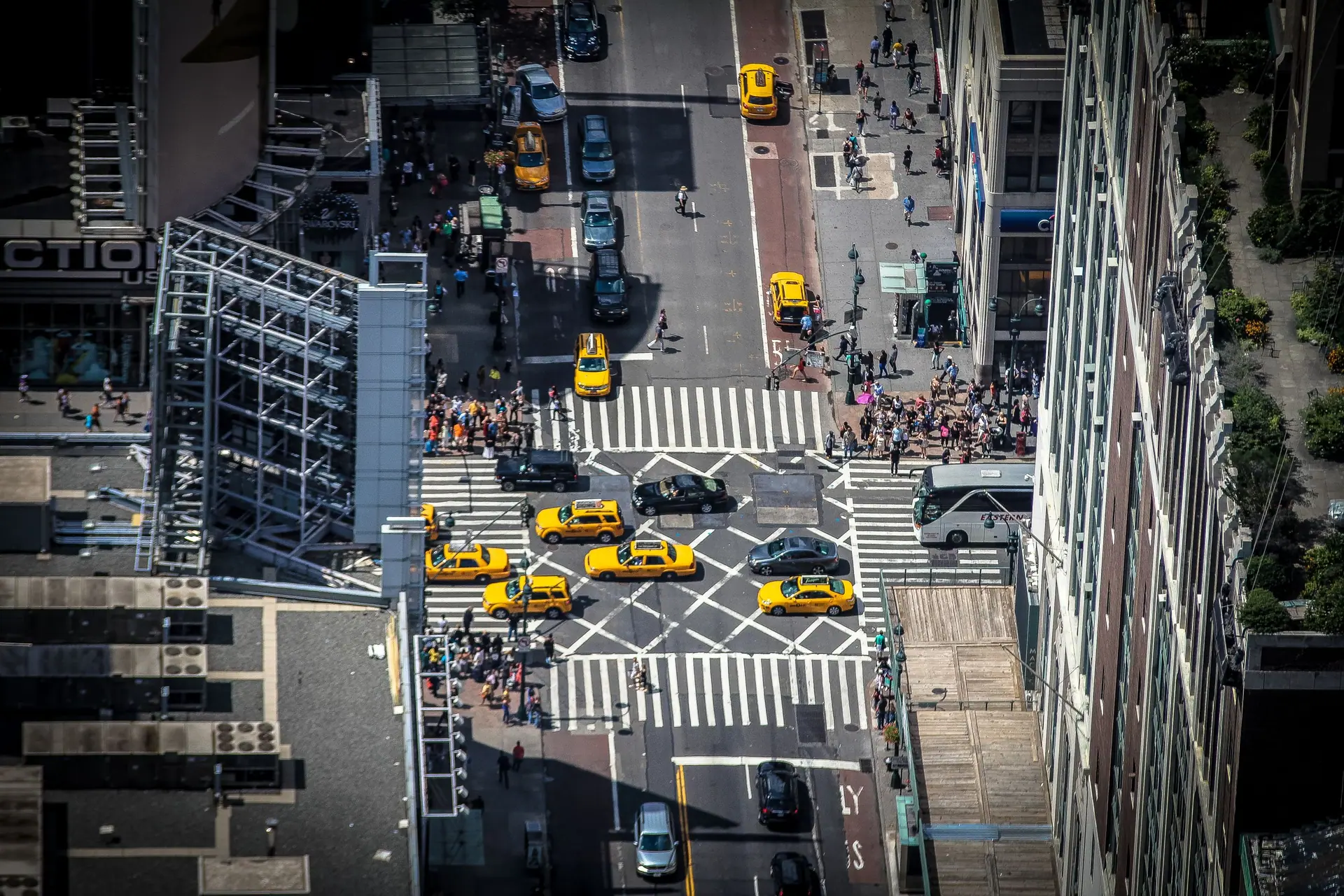
Manhattan is easiest to read as a grid north of 14th Street. Numbered streets run east and west, avenues run north and south, and Fifth Avenue divides East from West street numbers. Broadway cuts across the grid on a diagonal, so it can be a useful landmark when a block looks unfamiliar. For solo travel, this means you can plan a day by street number and avenue, then adjust on foot without needing a fixed tour. A quick look at the street sign often tells you how far you have drifted.
Below 14th Street, the grid gives way to older named streets in Greenwich Village, the West Village, SoHo, the Lower East Side and the Financial District. A solo walk there needs a little more attention to corners and subway entrances. Keep a paper or offline map as backup, because the street pattern turns and names change quickly. The reward is a slower day of small blocks, public squares and waterfront views, with less need for a strict schedule. Allow extra time for crossings and one-way streets.
Flatiron and Union Square Day
Flatiron and Union Square make a useful first solo day because the two areas sit close together and connect to many subway routes. Start around Union Square, where the market and open space give you an easy orientation point. Walk north along Broadway or Fifth Avenue toward the Flatiron blocks, pausing at the small parks that break up the route. The streets are busy with offices and shops, so a weekday visit shows a working side of Manhattan. The area also has good subway access for a change of plan.
For a slower solo afternoon, use the area for errands and breaks rather than a single sight. Union Square has seating and subway access, and the Flatiron blocks have bookshops, food counters and quiet side streets. Check current opening days before you build a plan around a specific shop or market stall. In the evening, the area empties as offices close, so it suits an early meal or a short walk before you move north for a show or a cinema. Keep the afternoon loose enough to sit for a while.
A Central Park and Museum Day
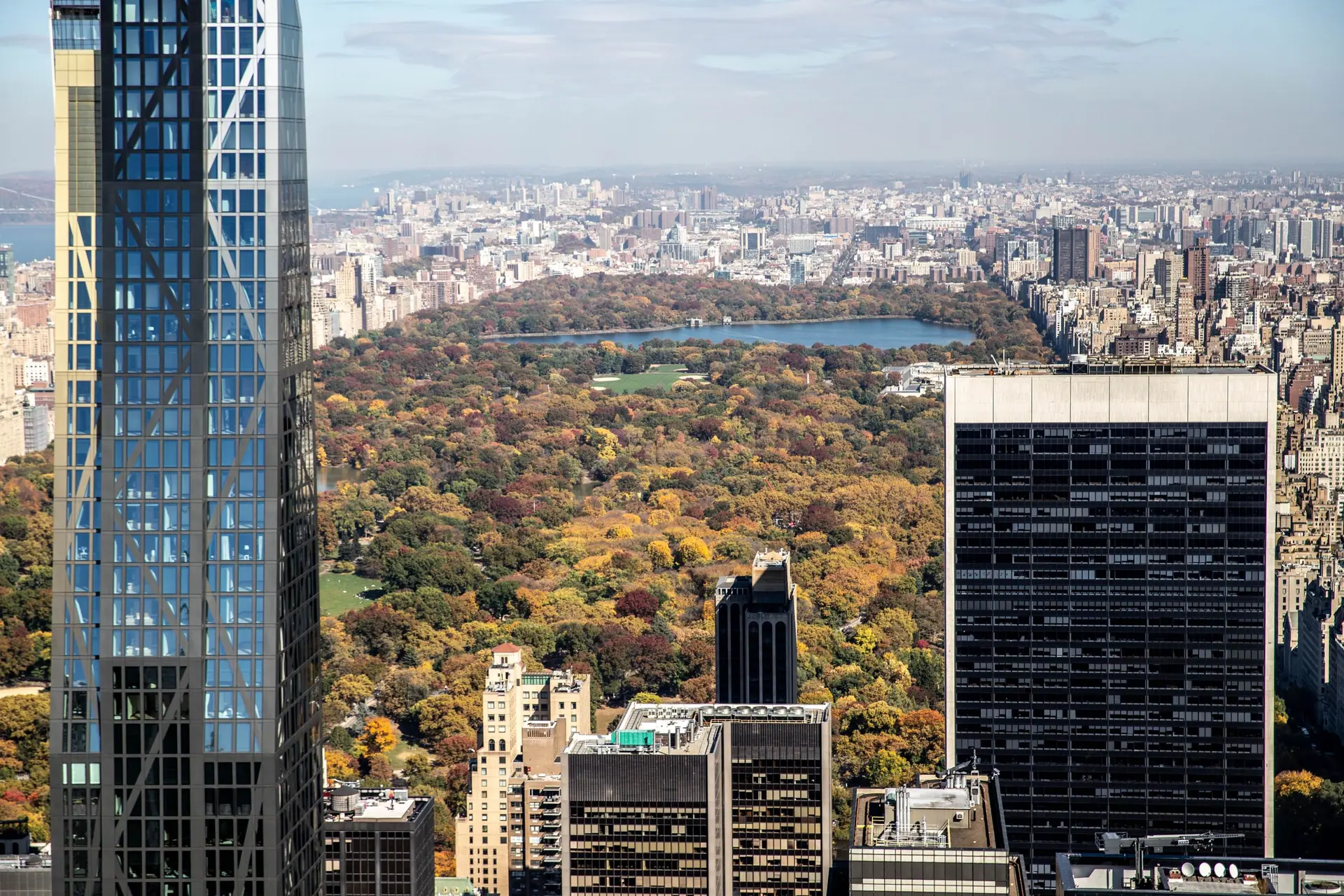
Central Park is between 59th and 110th Streets and Fifth Avenue and Central Park West. It is a public park, and for solo travel it works best as a series of short stops rather than one long march. Enter at a familiar corner, follow a path to a lake or lawn, and leave by a different subway entrance. The park is large, so pick one section and keep the rest for another day. Wear shoes for walking and carry water in warm months.
Museum Mile runs along Fifth Avenue roughly from 82nd to 105th Streets. The Metropolitan Museum of Art is at Fifth Avenue and 82nd Street, and the American Museum of Natural History is on Central Park West at 79th Street. A solo traveler can choose one museum and leave without negotiating a group schedule. The larger rooms reward a focused visit. Check opening days and timed entry before you go, because both museums can draw long lines. Leave time to sit in the park between museum rooms.
Lower Manhattan and the Ferry
A solo day in Lower Manhattan can combine the 9/11 Memorial, the waterfront and the Staten Island Ferry. The memorial's two reflecting pools are open to visit, and the museum is ticketed. One World Trade Center's observatory is on floors 100 to 102. The Staten Island Ferry leaves from Whitehall Terminal at the southern tip of Manhattan and passes the Statue of Liberty. The crossing takes about 25 minutes, so it makes a calm break from crowded streets. Stand on the outer deck for the view if weather allows.
Ferries to the Statue of Liberty and Ellis Island leave from Battery Park, and those are ticketed. Check the current schedule and security rules before you set out. For a simple solo evening, walk north through the Financial District toward the river and use a main subway station rather than a quiet side entrance. The area is quieter after office hours, which can suit a short, early walk before dinner. The memorial pools are outdoors and can be visited without a museum ticket.
Evenings and Broadway
Evening plans for solo travel in Manhattan should stay flexible. The Theater District around Times Square has about 40 Broadway houses, and evening curtains are typically at 7 or 8 pm. Check the show's current start time before you buy a ticket. A single seat can be easier to find at short notice than a pair, but popular shows still sell out. Build in a buffer for subway delays and security lines at larger venues. Arrive early if you want a quiet seat before the crowd.
If a show is not the aim, use the evening for a walk through a neighborhood that feels different after dark. The High Line is open as an elevated park from Gansevoort Street to West 34th Street, but check seasonal hours before an evening visit. In winter, the Rockefeller Center Christmas tree is lit around the end of November or early December, and the date is set each year. Fifth Avenue window displays run from late November into early January. Check the current lighting date and seasonal hours before you plan around either.
Eating and Downtime Alone
Solo travel in Manhattan works well with casual counters, market stalls and bakery counters, where one person can order without a reservation. Union Square and the Flatiron blocks have many options at different times of day. Check current opening days, because some places close on weekends or take a break between lunch and dinner. A late lunch is often calmer than the dinner rush, and it leaves the evening free for a show or a walk. A counter seat can also make a quick meal feel less formal.
For quiet downtime, use public libraries, park benches and hotel lobbies as short rests, but check access rules at each place. A solo day can include a movie, a museum room or a long coffee stop without needing to fill every hour. Keep a simple backup plan for rainy days: a museum, a covered market or an early return to the hotel. The aim is a steady pace, not a full checklist. A short rest can make an evening plan more enjoyable.
Keep reading
Questions
Is solo travel in Manhattan practical without a car?
Yes. The subway runs 24 hours a day, and buses and walking fill the gaps. Use a contactless card or phone to tap at the turnstile, and check the current payment rules before you travel. A car is a burden in Midtown and Lower Manhattan, where congestion pricing applies below 60th Street.
How can solo travel in Manhattan use Flatiron and Union Square?
Use the two areas as a gentle first day. Union Square gives you open space, market stalls and subway access. The Flatiron blocks add short streets, food counters and places to sit. Check opening days before you count on a specific shop or stall, then keep the evening open.
What should solo travel in Manhattan plan for evenings?
Keep evenings flexible. The Theater District around Times Square has about 40 Broadway houses, with curtains typically at 7 or 8 pm. Check the show's current start time before you buy a ticket. Without a show, choose a short walk, a museum visit or an early meal, then return by a main subway entrance.
How does solo travel in Manhattan handle the subway?
Treat the subway as the main tool for longer hops. Tap a contactless card or phone at the turnstile and check how the weekly cap works before you rely on it. The system runs 24 hours a day. Keep to staffed entrances at night, and allow extra time for service changes on weekends.
Where can solo travel in Manhattan find quiet daytime stops?
Central Park, the High Line and the waterfront paths give open air breaks. Public libraries and park benches work for short rests, but check access rules. Museums offer focused indoor time, and you can move at your own pace. Union Square and the Flatiron blocks have small parks and side streets between the busier avenues.
When is solo travel in Manhattan quietest?
January to early March is usually the quietest period. December is the busiest holiday season, and spring and autumn are mild but popular. For park color, Central Park's autumn peak usually falls in early to mid November. Check event dates and holiday hours before you build a plan around a quiet week.
How does solo travel in Manhattan work around Broadway shows?
The Theater District is around Times Square, and most Broadway houses are there. Evening curtains are typically at 7 or 8 pm, so check the show's current time. A single seat can be easier to find at short notice than a pair, but popular shows still sell out. Arrive early for security lines and subway delays.
What should solo travel in Manhattan know about museum days?
Choose one museum rather than several. The Metropolitan Museum of Art is on Fifth Avenue at 82nd Street, at the start of Museum Mile. The American Museum of Natural History is on Central Park West at 79th Street. Check opening days and timed entry, then leave time to sit in Central Park between rooms.