
Learn the grid first
Most of Manhattan north of 14th Street follows the Commissioners' Plan of 1811. Numbered streets run east and west, while avenues run north and south. Fifth Avenue divides East and West street numbers, and Broadway cuts diagonally across the grid. Knowing whether you are walking uptown or downtown helps you keep your bearings after leaving a subway station, especially when phone service drops or a street sign is hard to see.
Below 14th Street, in Greenwich Village, the West Village, SoHo, the Lower East Side and the Financial District, streets are older, named and irregular. A map that shows the nearest subway entrance and a cross street is more useful than a route that relies on block numbers alone. Before a late night, note the station names at both ends of your journey and the avenue you will use to surface. That small habit makes a wrong turn easier to correct.
Subway habits that help
The subway runs 24 hours a day, so late trains are part of Manhattan life. Fares are paid by tapping a contactless card or phone through OMNY, and the MetroCard is being phased out. Keep your card or phone out of sight after you tap. On platforms, stand back from the edge and let riders leave before you board. If a car feels empty, move to one with more people. Transit staff can help with directions and service changes.
Keep bags closed and in front of you, particularly when a train is crowded. Do not block the doors or hold a phone where it can be grabbed at a stop. If you are unsure about a route, check the map inside the station before going through the turnstile, then keep moving. Service changes are common, so check the transit authority's current advice before a late trip. Allow extra time rather than rushing down stairs or across a platform.
Crowds around Times Square
Times Square is the busiest pedestrian setting many visitors will meet in Manhattan. Keep walking when you stop to look, and step to the side rather than halting at the top of stairs or in a doorway. Agree on a meeting point before you enter the crowd, ideally at a recognizable public place rather than a store entrance. Keep children within reach and carry a written address for your lodging, since a phone can fail in a dense crowd.
The Theater District sits around Times Square, and its roughly 40 Broadway houses release audiences at similar times. Evening curtains are typically 7 or 8 pm, so check the show before you plan dinner or a return route. Holiday periods bring heavier crowds, including the Rockefeller Center Christmas tree lighting around the end of November or early December and Fifth Avenue window displays from late November into early January. Keep purchases close and move with the flow.
Late nights after shows
After a Broadway curtain, the streets around Times Square fill quickly. Decide on your route before the show ends, and leave by a main avenue rather than a quiet side street you do not know. If you are walking, keep to the direction you have already checked on a map. If you are taking the subway, note the entrance closest to the theater and the station name at the other end. Crowds thin within a few blocks, so do not rely on following the group.
Late-night subway service can change, so check the transit authority's current advice before you leave. Wait in a visible place and board a car with other riders. Keep your phone charged and your route saved offline. If you feel unsure, return to a busy avenue and use a licensed taxi or a staffed station entrance rather than waiting on an empty platform. Tell someone at your lodging roughly when you expect to return, and keep the front door key separate from your wallet.
Street crossings and traffic
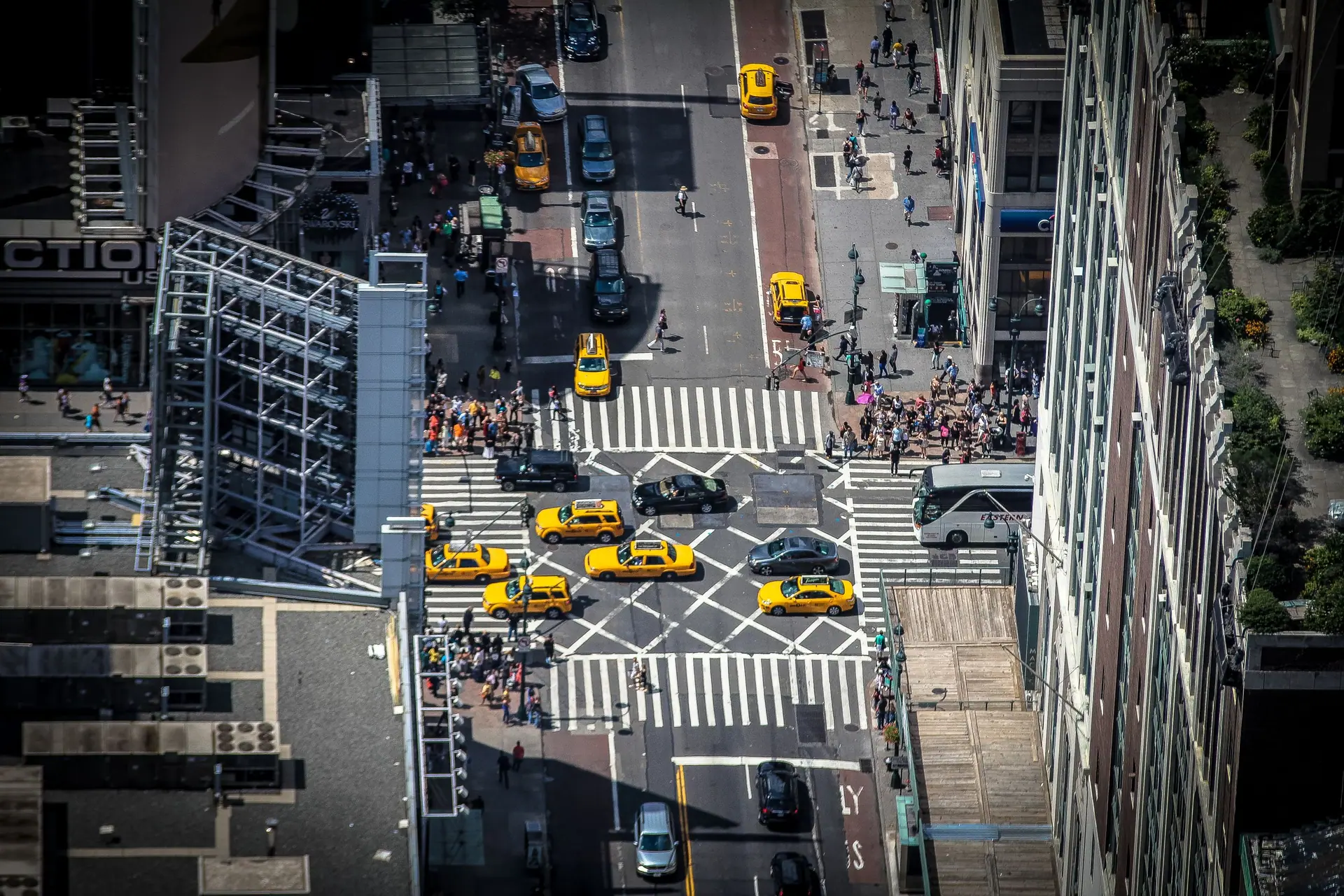
Manhattan traffic moves on the street grid, but turning vehicles and delivery bikes can cross a walk signal. Use marked crosswalks and wait for the signal, even when a group starts moving early. Look left and right again before stepping off the curb, and do not assume a driver has seen you. On Broadway, the diagonal street can meet an avenue at an awkward angle, so give yourself time to read the crossing before you commit.
Congestion pricing applies to vehicles entering Manhattan below 60th Street, in force since January 2025. That does not change your walk, but it can affect traffic patterns near the boundary. If you are meeting a car, choose a legal pickup point and stand on the sidewalk, not in the road. Keep an eye on cycle lanes when you cross, and never step between parked vehicles where drivers cannot see you. In rain or snow, allow more time at crossings.
Weather, parks and emergencies
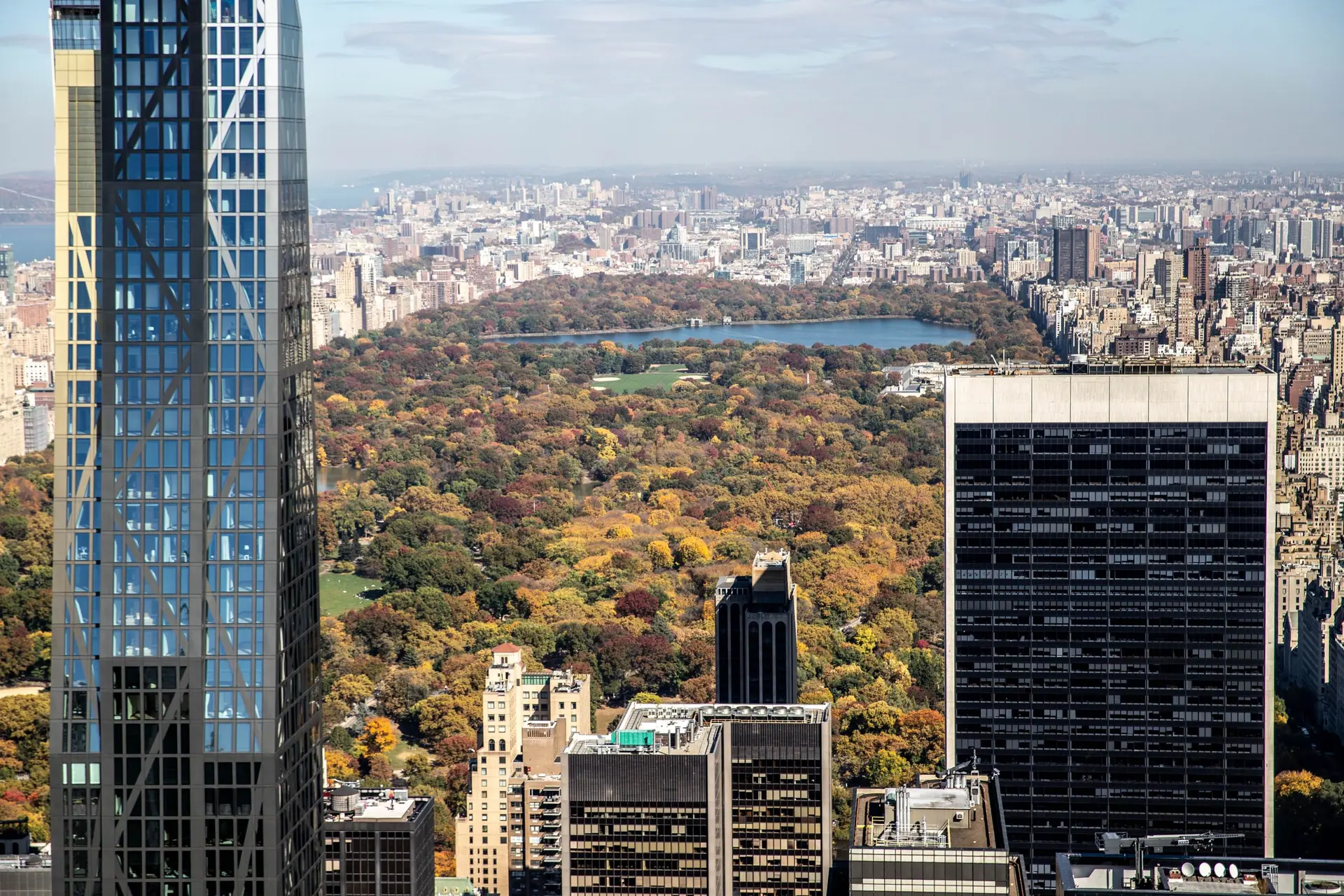
Summers in Manhattan are hot and humid, and winters are cold, with snow some years. Carry water in summer and plan indoor breaks during the hottest part of the day. In winter, watch for ice on steps and station stairs, and wear footwear with grip. Spring and autumn are the mildest seasons, though autumn color in Central Park usually peaks in early to mid November. December is the busiest holiday period, so allow more time for crowded sidewalks and stations.
Central Park covers 843 acres between 59th and 110th Streets. Note the nearest park exit before you walk in, especially near dusk, and keep to paths with other people. For an emergency, call 911 and give the nearest cross street, park entrance or subway station. The NYPD can direct you to help. If you become separated, return to a fixed public meeting point rather than searching in a crowd. Carry a charged phone and a written address.
Keep reading
Questions
Is the Manhattan subway safe late at night?
The subway runs 24 hours, and late trains are normal in Manhattan. Stay in a car with other riders, keep bags closed and in front of you, and wait back from the platform edge. Check the transit authority's current service advice before a late trip, because routes and station access can change. If you feel unsure, use a staffed station entrance or a licensed taxi.
How should you handle crowds in Times Square while staying safe in Manhattan?
Keep walking when you stop to look, and step to the side rather than blocking stairs or doorways. Agree on a meeting point before entering the crowd, ideally at a recognizable public place. Keep children within reach and carry a written address for your lodging. If you become separated, return to that fixed point instead of searching through the crowd.
What should you do if you get separated in a Manhattan crowd?
Choose a fixed public meeting point before you arrive, such as a park entrance, station entrance or well-known square. If you become separated, return there and wait rather than moving through the crowd. Keep a written address and a charged phone with you. If the person is a child, ask a police officer or transit staff member for help and give a clear description.
Are Manhattan streets safe after a Broadway show?
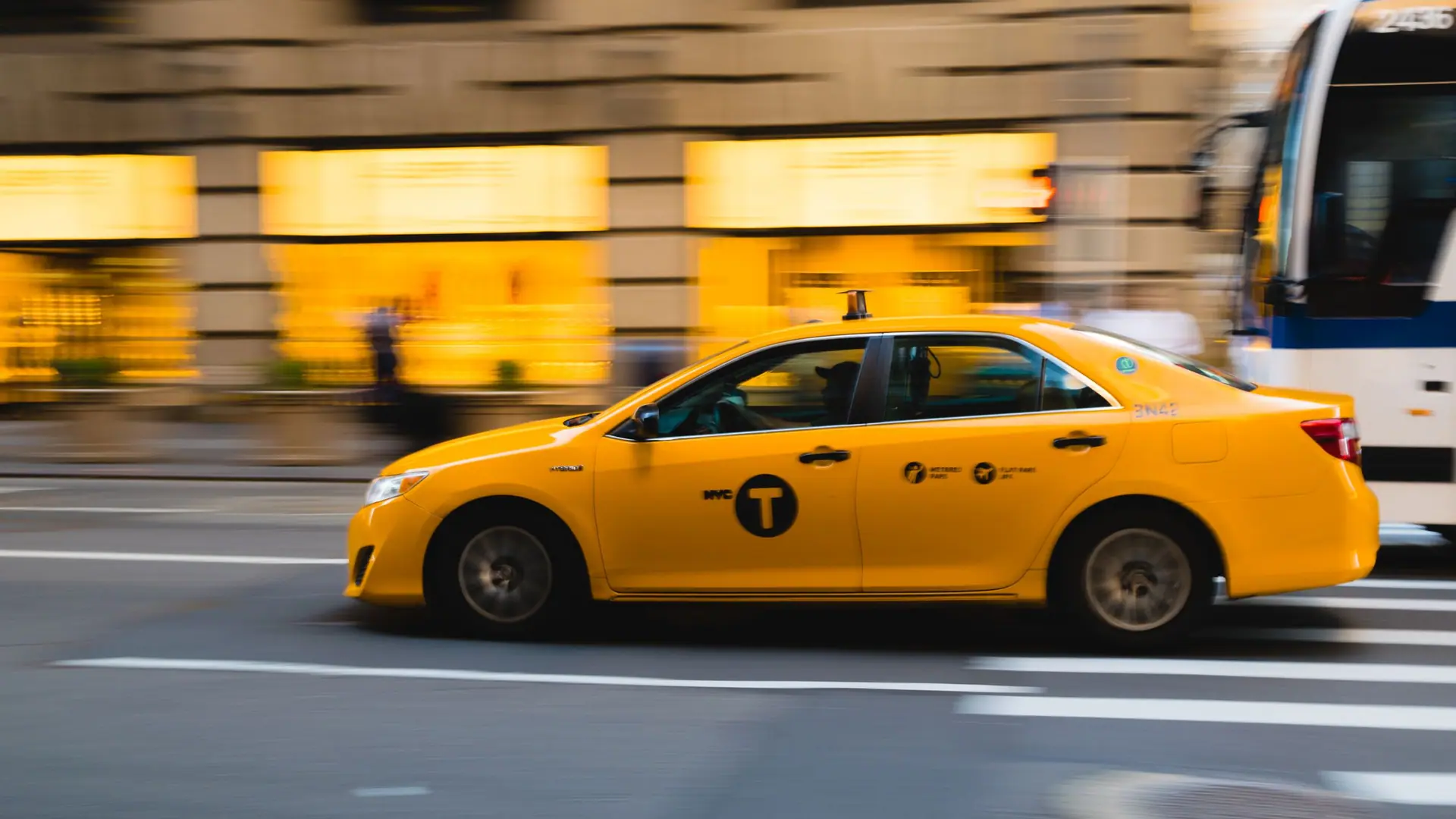
The Theater District empties quickly after a curtain, so decide your route before the show ends. Leave by a main avenue rather than an unfamiliar side street, and note the nearest subway entrance. Evening curtains are typically 7 or 8 pm, so check the show. If you feel unsure, return to a busy avenue and use a licensed taxi or a staffed station entrance.
How can you avoid pickpocketing while staying safe in Manhattan?
Keep bags closed and in front of you, especially on crowded trains and in Times Square. Do not hold a phone near an open train door, where it can be grabbed at a stop. Carry only what you need for the day and keep a front door key separate from your wallet. In a crowd, stop to the side if you need to check a map or message.
Is Central Park safe after dark for visitors staying in Manhattan?
Central Park covers 843 acres, so it is easy to lose track of exits. Note the nearest park entrance before you walk in, especially near dusk, and keep to paths with other people. For an emergency, call 911 and give the nearest cross street or park entrance. The NYPD can direct you to help. A charged phone and a written address are useful.
What should you know about late-night subway service in Manhattan?
The subway runs 24 hours, but service can change for maintenance or events. Check the transit authority's current advice before a late trip and note the station entrance closest to your destination. Wait in a visible place and board a car with other riders. Keep your phone charged and your route saved offline. If you feel unsure, use a staffed station entrance or a licensed taxi.
How do you handle an emergency while staying safe in Manhattan?
For an emergency, call 911 and give the nearest cross street, subway station or park entrance. The NYPD can direct you to help. Keep a written address for your lodging and a charged phone with you. If you are in a crowd, step to the side before making the call. Tell someone at your lodging where you are going and when you expect to return.