
Midtown: The Convenient but Generic Choice
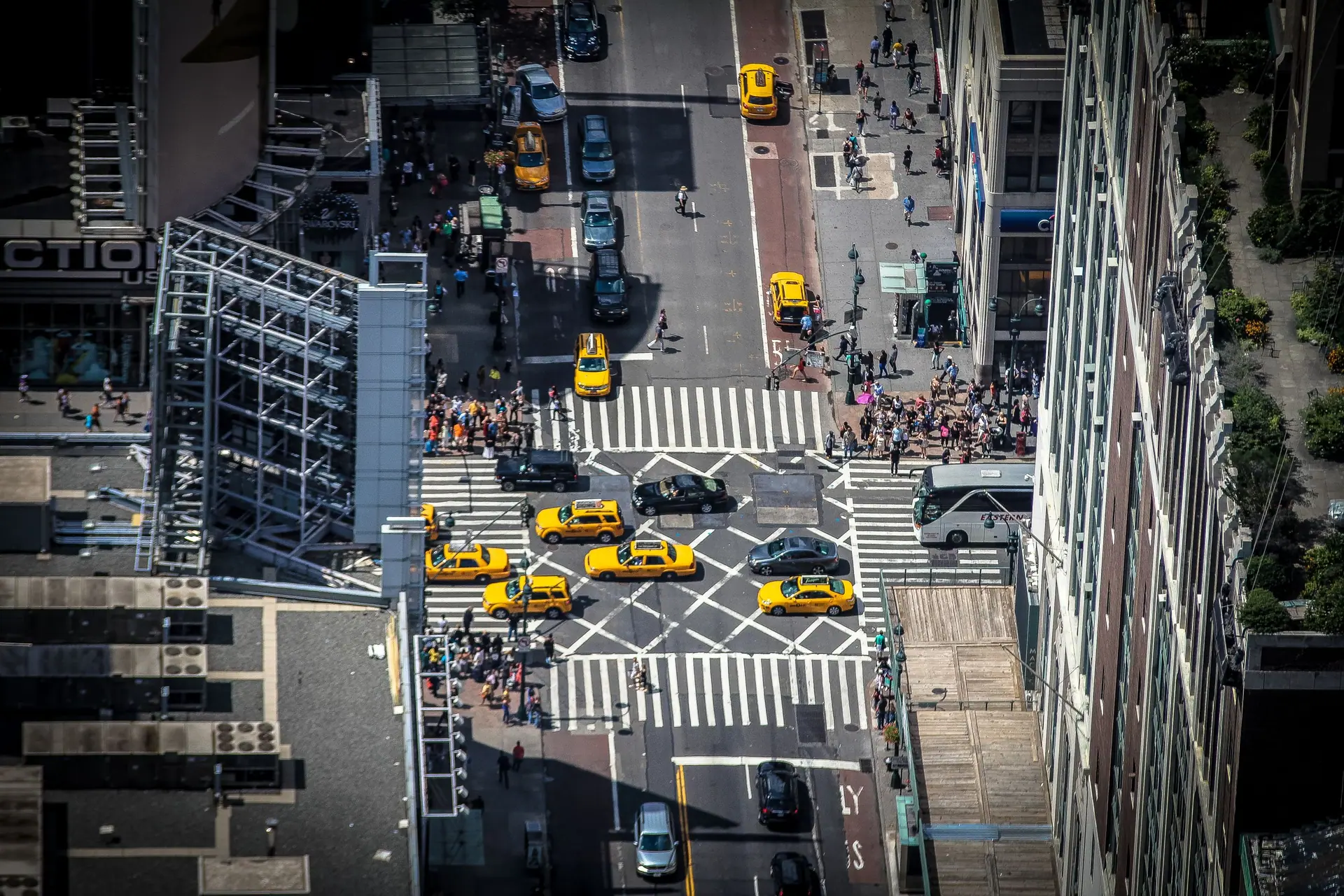
Midtown Manhattan, roughly from 34th to 59th Street between Fifth and Eighth Avenues, puts you within walking distance of Times Square, Rockefeller Center, the Empire State Building, and Central Park. Hotels here range from budget chain options near Penn Station to luxury properties in the Plaza district. You will pay for the location: expect small rooms and higher rates than downtown, but you save on subway fares and time. The area is busy and lacks a local feel, but for a first trip focused on iconic sights, it is hard to beat. Book a hotel near a subway stop like 42nd Street–Port Authority or 57th Street–Seventh Avenue for easy access.
If you choose Midtown, aim for the eastern side around Lexington Avenue or the western side near Ninth Avenue for slightly quieter blocks. Avoid the immediate vicinity of Times Square if you want to sleep before midnight; the lights and crowds persist. For families, the area around Bryant Park offers a central base with open space and the New York Public Library. I would book a Midtown hotel only if your itinerary is packed with uptown attractions and you value walking over neighborhood charm. Otherwise, consider the next two areas.
Downtown: History, Food, and a Local Vibe
Downtown Manhattan encompasses several distinct neighborhoods: Tribeca, SoHo, Greenwich Village, the Lower East Side, and the Financial District. Each has its own character and price point. Tribeca and SoHo offer cobblestone streets, boutiques, and loft-style hotels, often at a premium. Greenwich Village is quieter, with tree-lined blocks and a strong cafe culture, while the Lower East Side is edgier, with nightlife and trendy restaurants. The Financial District, around Wall Street and the World Trade Center, has convenient subway connections and often lower weekend rates. For a first-time visitor who wants to experience Manhattan like a local, downtown is my top recommendation.
Base yourself near a subway station like West 4th Street–Washington Square or Broadway–Lafayette Street for easy access to the rest of the city. The area is well-served by the A, C, E, B, D, F, and M lines. You can walk to the High Line, Chelsea Market, and the 9/11 Memorial. Expect hotel rooms to be compact, but many boutique properties offer character and helpful staff. I would book a hotel in Greenwich Village or SoHo for a balance of atmosphere and convenience. Skip the Financial District if you want lively evenings; it empties out after business hours.
Upper East and Upper West Sides: Quiet and Residential
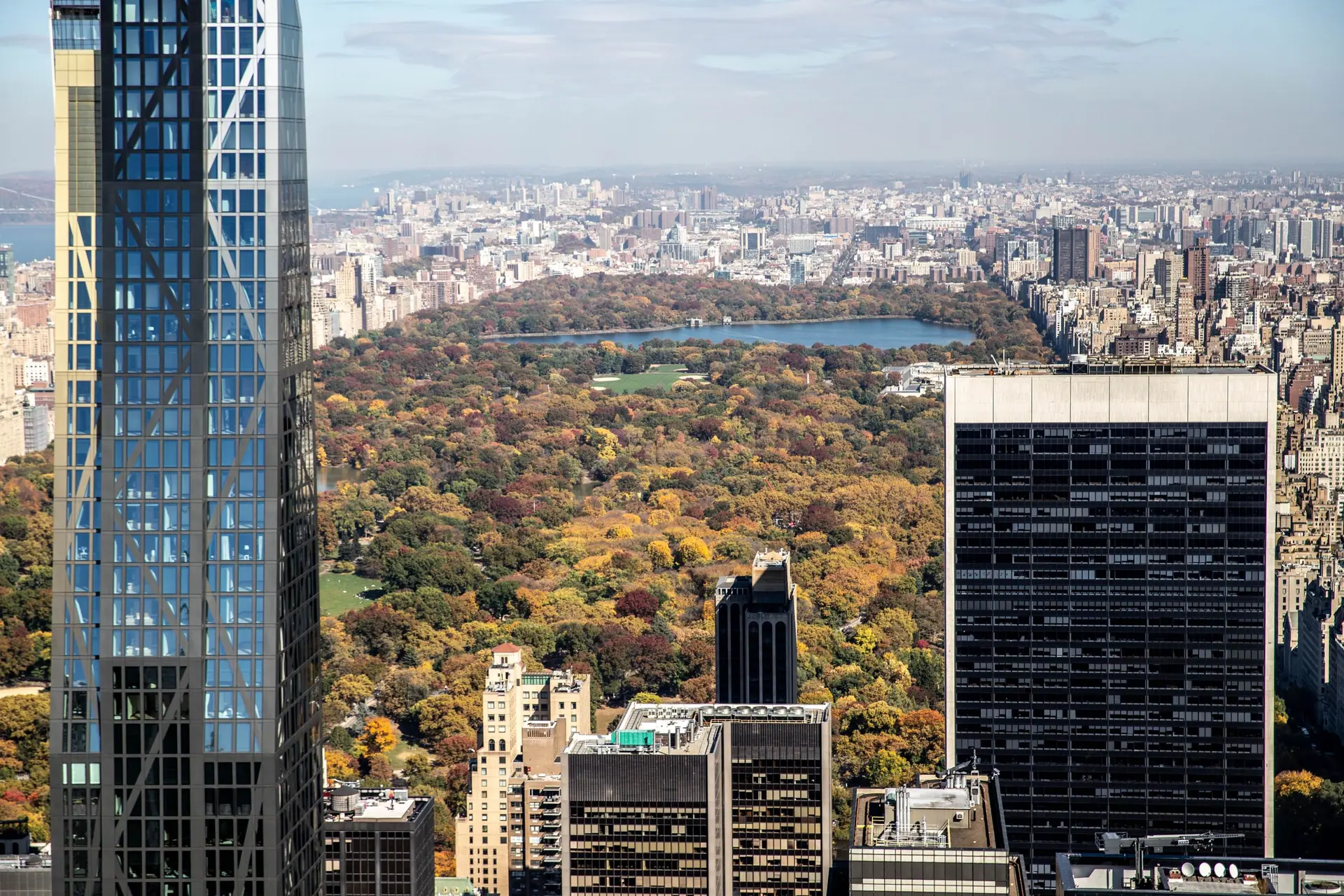
The Upper East Side, running from 59th to 96th Street east of Central Park, and the Upper West Side, from 59th to 110th Street west of the park, are primarily residential. They offer a quieter, more local experience with easy access to Central Park and museums like the Metropolitan Museum of Art and the American Museum of Natural History. Hotels are fewer and often smaller, but you can find charming bed-and-breakfasts and boutique properties. The subway lines (4, 5, 6 on the East Side; 1, 2, 3, B, C on the West Side) connect you to Midtown in 10–15 minutes. For a first trip, these areas suit travelers who prioritize peace and park access over nightlife.
The Upper West Side has a more relaxed, family-friendly vibe, with good restaurants along Columbus and Amsterdam Avenues. The Upper East Side is quieter and more formal, with fewer late-night options. I would book on the Upper West Side for its proximity to Central Park and the Natural History Museum, especially if traveling with children. Skip these areas if you want to be in the middle of the action; you will spend more time on the subway. Also, note that some hotels here are farther from subway stops, so check the walk to the nearest station.
Brooklyn and Queens: Value and Space, with a Commute
While the request focuses on Manhattan, considering nearby Brooklyn and Queens can stretch your budget and offer larger rooms. Areas like Williamsburg, Brooklyn, and Long Island City, Queens, are just one or two subway stops from Manhattan. They have become destinations in their own right, with thriving food scenes and waterfront parks. Hotels in these areas often cost less than Manhattan equivalents, and you get more space. The commute to Midtown is typically 15–25 minutes on the subway. For first-time visitors who want to experience both boroughs, this can be a smart choice, but you will sacrifice the convenience of walking to major sights.
In Long Island City, the 7, E, M, and G trains provide quick access to Midtown. Williamsburg is served by the L train, which connects to Union Square in about 10 minutes. Both areas have a youthful, creative energy. However, if this is your first trip and you want to maximize sightseeing time, I would stick to Manhattan. The time saved commuting adds up. Book in Brooklyn or Queens only if you are comfortable using the subway daily and want a more local experience. Otherwise, choose a Manhattan neighborhood that matches your interests.
Related articles
Keep reading
Questions
Is Midtown the best area for first-time visitors?
Midtown is convenient for iconic attractions like Times Square and Central Park, but it can be crowded and lacks a local feel. For a balanced experience, consider downtown neighborhoods like Greenwich Village, which offer more character and easy subway access.
How far in advance should I book a hotel in Manhattan?
For the best rates and availability, book at least two to three months ahead, especially during peak seasons (spring and fall). Last-minute deals exist but are risky for first-timers. Use the hotel booking site to compare options and secure a refundable rate.
What is the best month to visit Manhattan?
April to June and September to early November offer pleasant weather and outdoor activities. December is festive but crowded and expensive. July and August can be hot and humid, while January and February are cold but cheaper with fewer crowds.
Which subway lines connect downtown Manhattan to Midtown?
The A, C, E, B, D, F, and M lines run from downtown to Midtown, with stations like West 4th Street–Washington Square and Broadway–Lafayette Street providing convenient access. The 1, 2, 3 trains also serve the west side.
Are there budget hotels in Manhattan?
Yes, but they are limited. Look at areas like the Lower East Side or the Financial District for lower rates. Budget hotels often have small rooms and fewer amenities. Consider staying in Brooklyn or Queens for better value if you don't mind commuting.
Is it safe to stay in downtown Manhattan?
Downtown Manhattan is generally safe, like most of Manhattan. As in any big city, use common sense: stay aware of your surroundings, especially at night, and keep valuables secure. The area is well-lit and busy, with a police presence.
What should I skip when choosing a hotel in Manhattan?
Skip hotels directly on Times Square if you value quiet, and avoid booking far from a subway stop. Also, be wary of rooms without windows or with shared bathrooms if you prefer privacy; these are rare but exist in older buildings.