- Borough
- Manhattan, New York City
- Also called
- El Barrio
- Museum Mile
- Fifth Avenue, 82nd to 105th Streets
- JFK airport
- 14 miles (21.9 km) in a straight line
What East Harlem is like
East Harlem fills the northeast corner of Manhattan, running from around East 96th Street north to the Harlem River and from Fifth Avenue east to the water. Most people call it El Barrio, a name that took hold with the Puerto Rican migration of the mid twentieth century and still shapes its identity. Housing is mostly walk-up tenements and later apartment towers. Lexington Avenue and East 116th Street carry most of the shops and foot traffic.
The area is largely residential, so its rhythm comes from schools, churches, bodegas and small storefronts rather than from visitor attractions. Murals cover side-street walls and schoolyards, many of them portraits or Puerto Rican and Mexican motifs. Fifth Avenue marks the western edge, where the upper end of Museum Mile runs into the neighborhood and East 96th Street separates it from the Upper East Side. Blocks vary a lot: one street is quiet, the next has a steady line of shops.
Who East Harlem suits
East Harlem suits travelers who want a residential base with fast, simple subway access to the rest of Manhattan. Museum Mile and Central Park are close: the Metropolitan Museum of Art is about 1.7 miles (2.7 km) away in a straight line, Central Park about 1.6 miles (2.6 km). Midtown is further. Times Square lies about 3.5 miles (5.7 km) south and Grand Central Terminal about 3.6 miles (5.8 km), which means a few stops and a short walk, not a doorstep location.
The neighborhood rewards travelers who care about Puerto Rican and Mexican culture, street murals and food cooked for residents rather than for visitors. Longer stays and families often prefer the calmer evenings. It is a poor fit if you want to walk out of the hotel and onto a major sight, or if you plan late nights in the Theater District and want a short walk home. Travelers who value quiet over proximity do well here.
Getting around and to the airports
The subway runs 24 hours a day and is the easiest way in and out. Stations sit along Lexington Avenue and near the crossings at East 116th Street and East 125th Street, so most of East Harlem is within a short walk of a platform. Fares are paid by tapping a contactless card or phone. Weekly spending is capped after a set number of rides in seven days, and older fare cards are being phased out. Buses run along the avenues and across town.
JFK is 14 miles (21.9 km) away in a straight line, LaGuardia 3.7 miles (5.9 km) and the closest by road, Newark Liberty 14 miles (23.1 km). From JFK, take the subway to Jamaica or Howard Beach and change to the AirTrain; commuter rail also runs from Jamaica into Manhattan. From Newark, the AirTrain reaches a rail station with trains to Penn Station. A free connecting bus links LaGuardia with the subway. JFK and Newark trips are typically 45 to 75 minutes from Midtown depending on traffic and connections, so check live times.
Grand Central Terminal is about 3.6 miles (5.8 km) south and Penn Station about 4.2 miles (6.8 km), both reachable by subway. Driving in is possible but parking is scarce and avenue traffic is slow. Vehicles entering Manhattan below 60th Street pay a congestion toll, in force since January 2025, so check the current rules before setting off. For most stays a car is a hindrance rather than a help.
Sights and places nearby
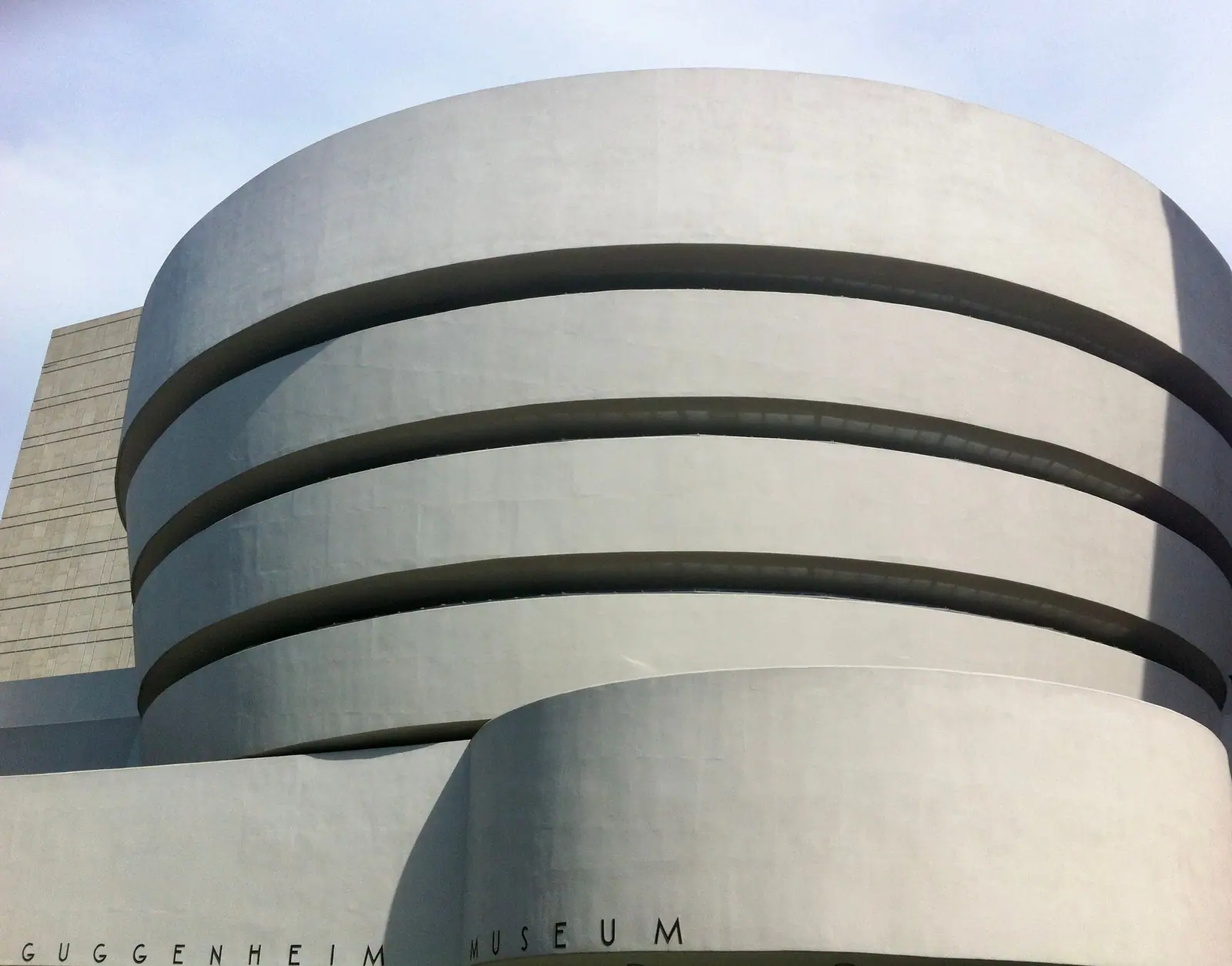
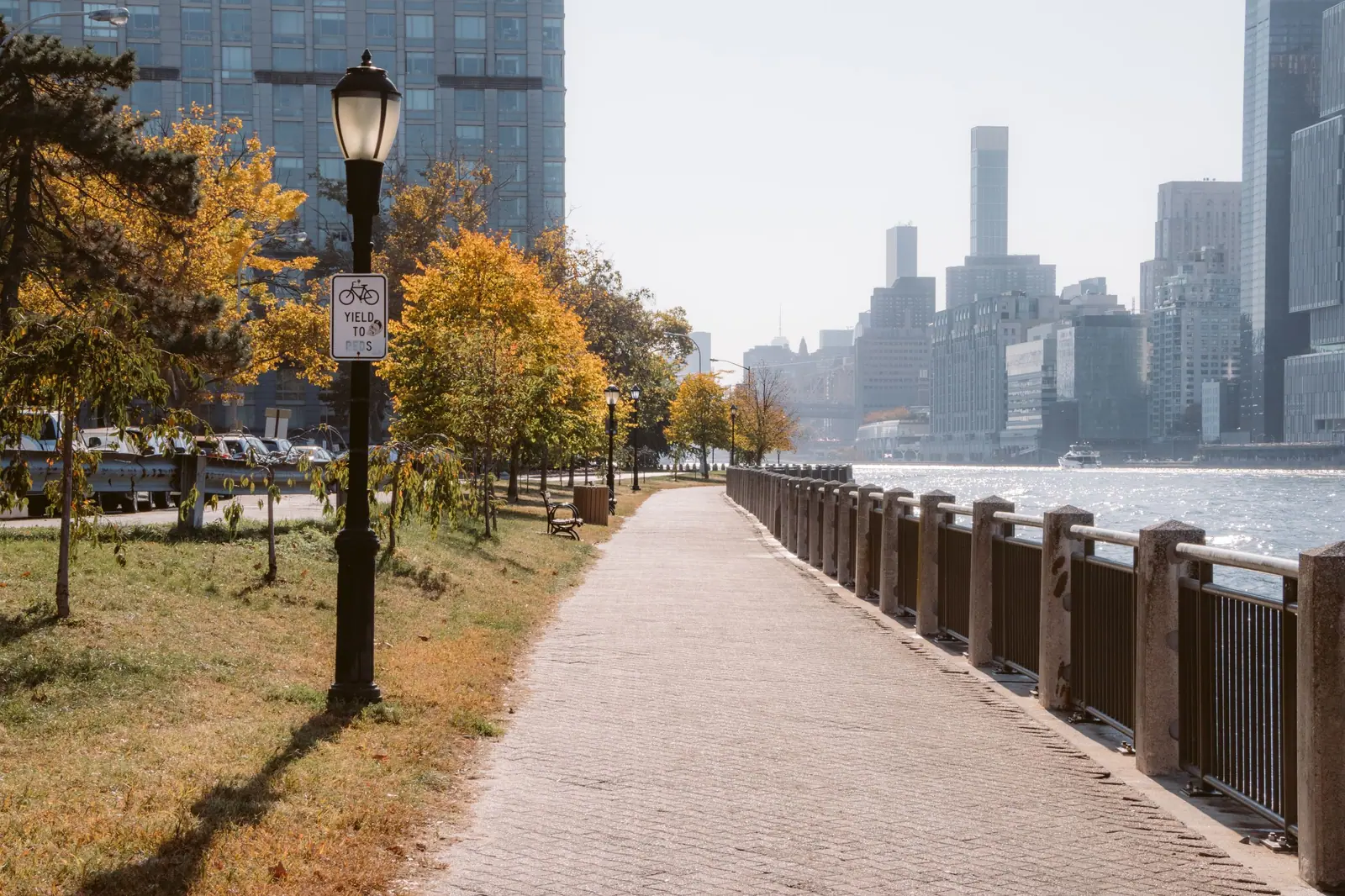
Museum Mile begins at the southern edge of the neighborhood and continues along Fifth Avenue to 82nd Street, so several museums are a walk or one short ride away. Central Park is about 1.6 miles (2.6 km), the Metropolitan Museum of Art about 1.7 miles (2.7 km) and the American Museum of Natural History about 2.1 miles (3.4 km), all measured in a straight line. The riverside parks along the Harlem River are closer still and give open views across the water.
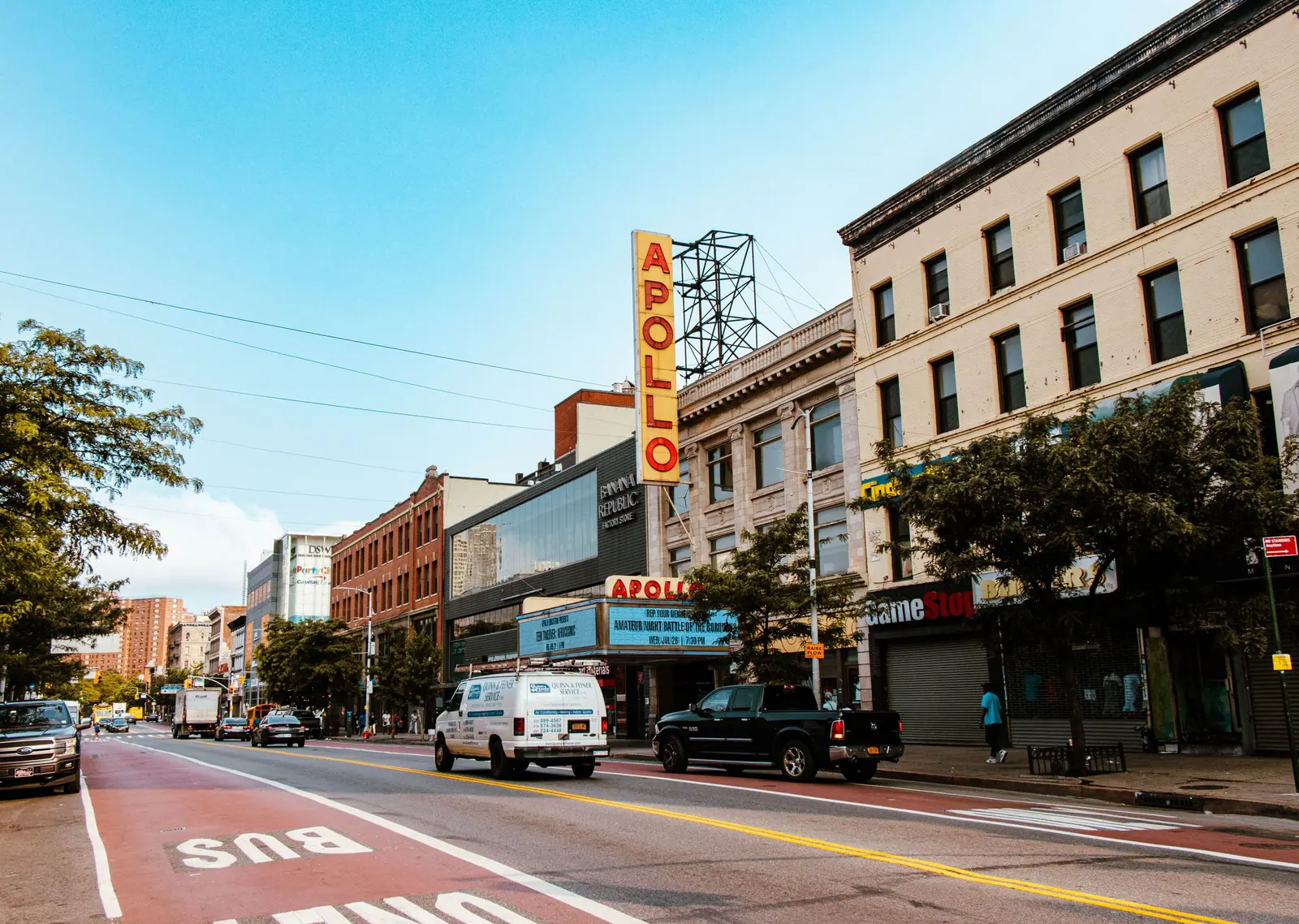
Downtown sights take longer. The 9/11 Memorial is about 7.0 miles (11.3 km) south, with free reflecting pools and a ticketed museum, and the observation decks at the Empire State Building, Top of the Rock and One World Observatory are all a subway ride away. The Apollo Theater on West 125th Street sits west of East Harlem. Broadway theaters around Times Square usually curtain at 7 or 8 pm; check the show.
- Central Park, about 1.6 miles (2.6 km) away, free to enter and 843 acres in size.
- The Metropolitan Museum of Art on Fifth Avenue at 82nd Street, about 1.7 miles (2.7 km) away, at the start of Museum Mile.
- The American Museum of Natural History on Central Park West at 79th Street, about 2.1 miles (3.4 km) away.
- El Museo del Barrio, which anchors the upper end of Museum Mile on Fifth Avenue in East Harlem.
- The 9/11 Memorial, about 7.0 miles (11.3 km) south, where the reflecting pools are free and the museum is ticketed.
Eating in East Harlem
East 116th Street is the commercial spine and the best place to start. Counters and small dining rooms serve Puerto Rican and Dominican home cooking: roast pork, rice and beans, plantains, fried snacks and soups. Mexican taquerias, tortillerias and bakeries have spread along the avenues and side streets, and West African kitchens, mostly small and family run, sit nearby. Expect plain rooms, quick service and food aimed at people who live in the area.
Hours follow the neighborhood rather than the visitor trade. Breakfast places and bodegas open early, lunch counters fill at midday, and many kitchens close by late evening. Cash still helps in smaller spots, though cards are widely accepted now. Bakeries sell sweet breads and pastries through the day, and juice carts appear in warm weather. Church and school groups sometimes sell tamales or pastries at sidewalk tables on weekends.
- Puerto Rican and Dominican counters serving roast pork, rice and beans, plantains and fried snacks.
- Mexican taquerias, tortillerias and bakeries with tacos, tortas and sweet breads.
- West African kitchens on the side streets, usually small and family run.
- Soul food and Caribbean takeout spots for ribs, chicken and rice.
- Bodegas and juice carts for coffee, fruit and a quick breakfast.
Safety, tips and where to stay
East Harlem is a busy residential neighborhood, and safety varies block by block and hour by hour. The avenues are well lit and full of people for most of the evening; side streets quiet down earlier. Standard city habits cover most situations: keep phones and wallets out of sight, walk on lit streets late at night, and take a bus or the subway rather than an empty block. Ask at your hotel about the immediate streets and check current local advice before you go.
Summers are hot and humid, winters cold with snow in some years. Spring from April to June and autumn from September to November are the mildest seasons, and Central Park's autumn color usually peaks in early to mid November. December is the busiest holiday period, when department store windows on Fifth Avenue run from late November into early January. January to early March is usually the quietest. The Rockefeller Center Christmas tree is lit around the end of November or early December, with the date set each year.
Choose a hotel by its distance to a subway entrance rather than by the avenue's reputation, and check how the walk feels after dark. Rooms facing Lexington Avenue or East 125th Street pick up traffic and delivery noise, so a higher floor or a room at the back helps. Hotel bills add state and city taxes and a per-night occupancy charge, and some properties add a facility or destination fee, so check the total price with taxes and fees. The IMPT app opens live prices for each stay.
Keep reading
Staying in East Harlem, Manhattan: questions
Where is East Harlem in Manhattan?
East Harlem is the northeast corner of Manhattan, roughly from East 96th Street north to the Harlem River and from Fifth Avenue east to the water. It is also called El Barrio. East 116th Street is its commercial heart, and the upper end of Museum Mile runs along its southern edge on Fifth Avenue.
Is East Harlem a good base for a Manhattan visit?
It works well for travelers who prefer a residential neighborhood. Central Park is about 1.6 miles (2.6 km) away in a straight line and the Metropolitan Museum of Art about 1.7 miles (2.7 km), while Times Square is about 3.5 miles (5.7 km) and Grand Central Terminal about 3.6 miles (5.8 km). The subway runs 24 hours, so Midtown and downtown stay reachable.
How do you get from East Harlem to JFK airport?
JFK is 14 miles (21.9 km) away in a straight line. Ride the subway to Jamaica or Howard Beach and change to the AirTrain; commuter rail from Jamaica also runs into Manhattan. Allow for traffic and connections, since JFK and Newark trips are typically 45 to 75 minutes from Midtown. Check live travel times before leaving.
How do you reach LaGuardia Airport from East Harlem?
LaGuardia is 3.7 miles (5.9 km) away in a straight line and the closest of the three airports by road. A free connecting bus links the airport with the subway, and taxis or ride apps cover the trip directly. Traffic on the approaches can be heavy, so leave a margin and check live times rather than relying on a fixed schedule.
How do you choose a hotel in East Harlem?
Start with the walk to a subway entrance, then ask about noise from the avenue. Check whether the rate includes state and city taxes, the per-night occupancy charge and any facility or destination fee, and compare totals rather than headline rates. Higher floors and rooms at the back are quieter. The IMPT app shows live prices.
What food is East Harlem known for?
Puerto Rican and Dominican cooking is the foundation: roast pork, rice and beans, plantains and fried snacks. Mexican taquerias, tortillerias and bakeries are widespread, and West African kitchens are usually small and family run. Soul food and Caribbean takeout spots sit alongside bodegas and juice carts. East 116th Street is the best place to start.
Is East Harlem safe for visitors?
East Harlem is a residential neighborhood in a large city, and conditions vary from block to block. The avenues are busy and lit for most of the evening, while side streets empty earlier. Keep valuables out of sight, stay on lit streets late at night, and ask your hotel about the immediate surroundings before walking back after dark.
When is the best time to stay in East Harlem?
Spring from April to June and autumn from September to November are the mildest seasons. Central Park's autumn color usually peaks in early to mid November. December is the busiest holiday period, with Fifth Avenue window displays running into early January, while January to early March is usually the quietest.
Hotels in East Harlem
 ★★★ 3-star
 ★★ 2-star
 ★★ 2-star
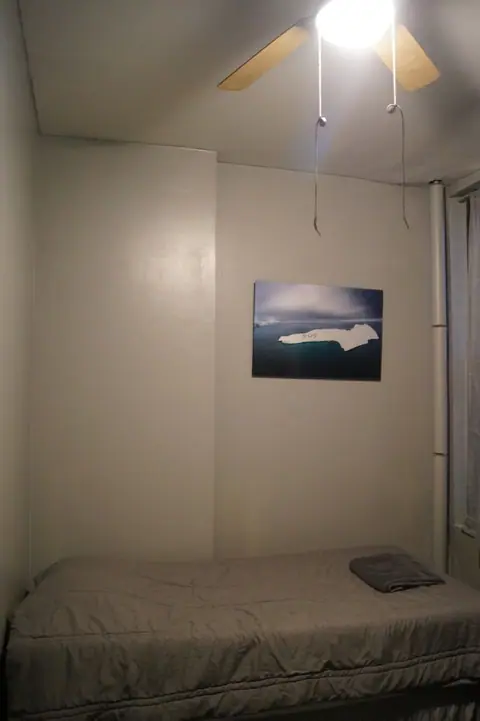 ★ 1-star
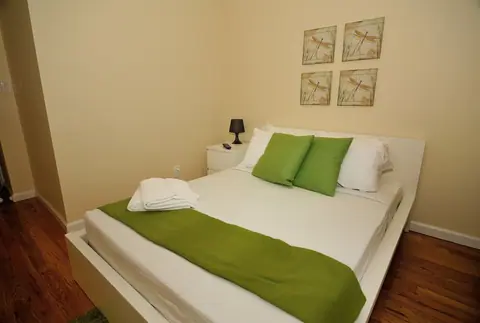 ★ 1-star