- Borough
- Manhattan, New York City
- Setting
- Upper Manhattan, above the Hudson
- Landmarks
- City College, Hamilton Grange, Sugar Hill
- To Midtown
- Times Square about 5.0 miles (8 km)
What the area is like
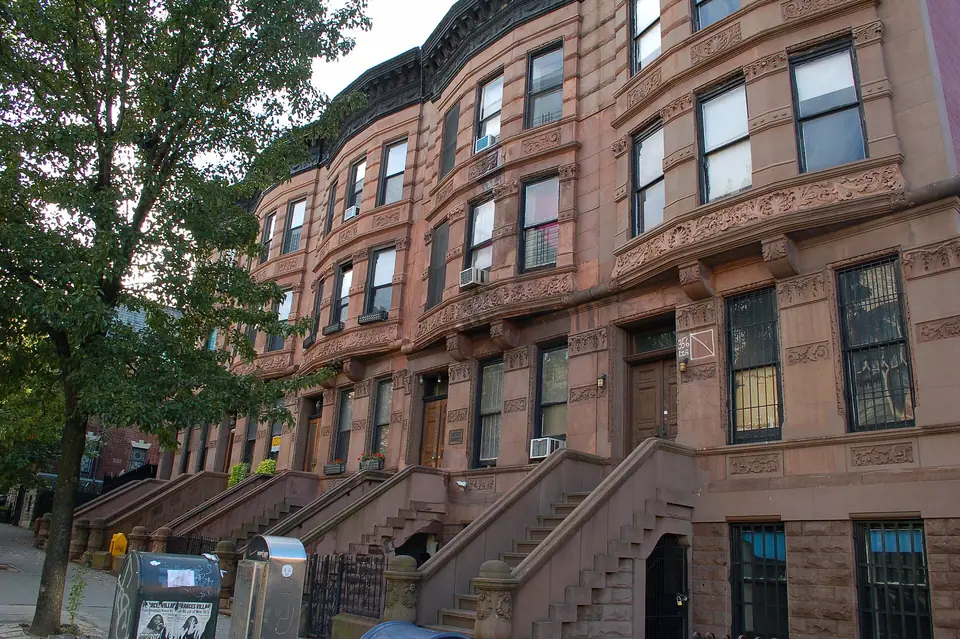
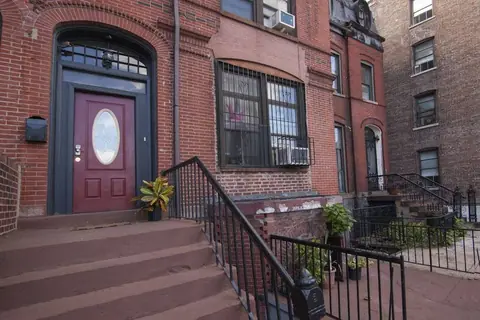
Hamilton Heights occupies the ridge in Upper Manhattan, north of Harlem and above the Hudson. The neighborhood is best known for Sugar Hill, the blocks of early twentieth-century row houses that climb the slope, and for the City College of New York campus, whose stone buildings sit on the crest. Alexander Hamilton's country house, Hamilton Grange, stands nearby. Streets here are quieter than in Midtown, with schools, churches and long residential blocks. The terrain is the defining feature: the ground rises steeply from the Harlem River and levels off above the river.
The street pattern follows the Commissioners' Plan of 1811, so numbered streets run east-west and avenues run north-south. Fifth Avenue divides East from West street numbers, and Broadway cuts diagonally across the grid. Uptown means north and downtown means south, a habit worth adopting early. Because the grid is regular, addresses are easy to follow and most walks need no map once you know your cross street.
Who Hamilton Heights suits
Hamilton Heights suits travelers who want a residential base in Manhattan and do not need to be in the middle of the Theater District. It works well for longer stays, for families who want a kitchen or a second room, and for anyone visiting City College or the upper reaches of the island. Evenings are calm. Central Park's north end is a few stops south, and Midtown is a straight ride on the subway, so the city remains close without the noise.
It suits less well if you plan late nights and want to walk home from restaurants and theaters, or if stairs and slopes are difficult. The hill is real, and some blocks are steep. Travelers who value a doorman building, room service and a lobby will find more choice further south. Anyone who prefers a quiet street, a local grocery and a view over the Hudson will be comfortable here.
Getting around and to the airports
The subway runs 24 hours a day and is the simplest way south. Lines follow Broadway and St Nicholas Avenue through the neighborhood, with stations spread along both. Fares are paid by tapping a contactless card or phone at the turnstile, and the system caps weekly spending after a set number of rides in seven days. The older fare card is being phased out. Buses run along the avenues, and the grid makes walking easy once you are up on the ridge.
Airports take planning. LaGuardia is the closest by road. For JFK, the AirTrain runs to Jamaica, where subway and commuter rail lines connect, or to Howard Beach for the A train. Newark Liberty has an AirTrain to the airport station, then a regional train into Penn Station. From Midtown, JFK and Newark are typically 45 to 75 minutes away depending on traffic and connections, and this neighborhood starts further north. Check current service before setting out.
- Tap a contactless card or phone at the turnstile; trains run around the clock.
- Check the transit agency's service alerts before weekend trips, when planned work slows some lines.
- A free bus link connects LaGuardia with the subway network.
- For JFK, the AirTrain runs to Jamaica and to Howard Beach.
What is nearby
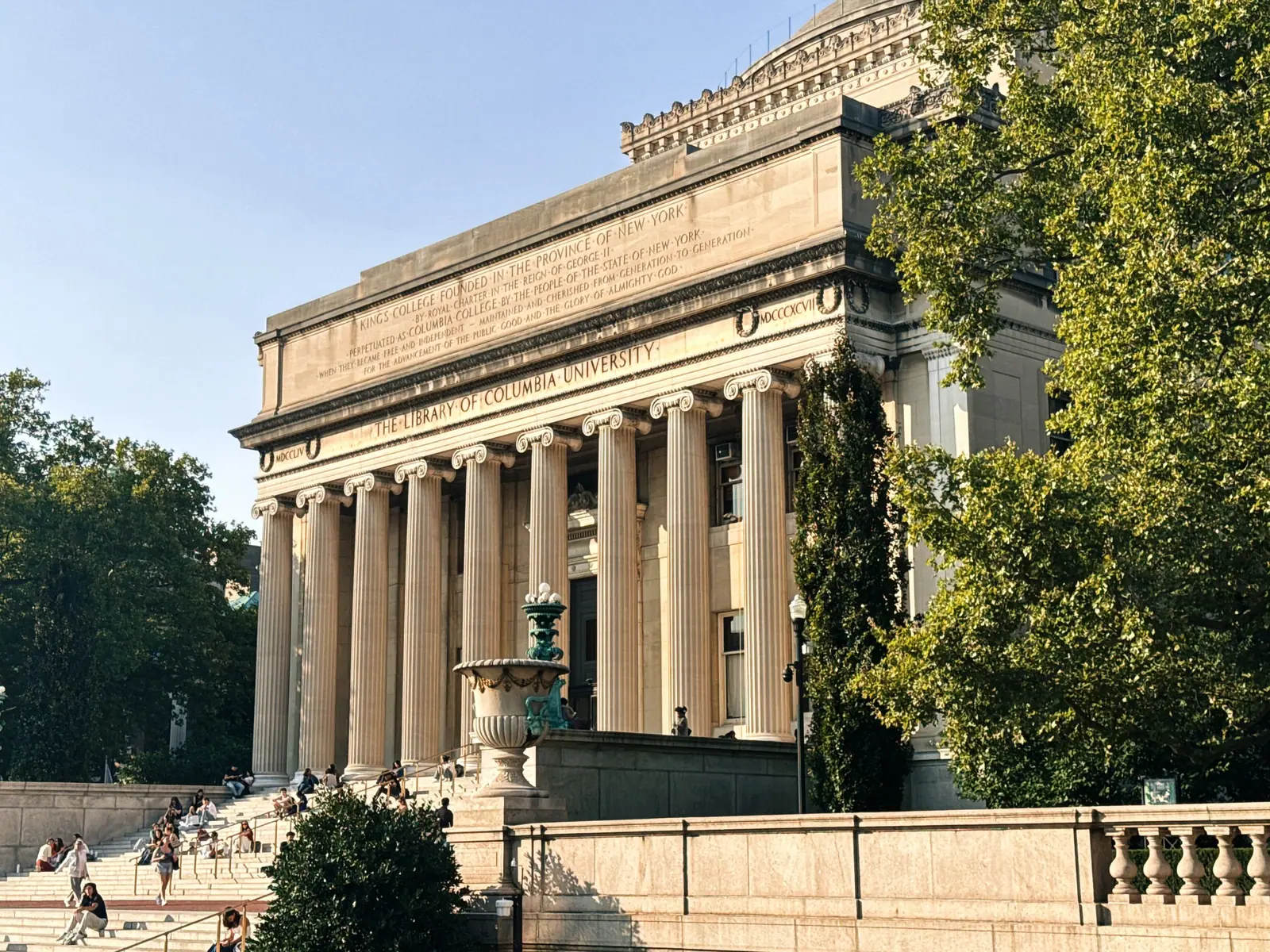
Within the neighborhood, the walk is the attraction. The City College campus opens onto Convent Avenue, and its lawns and stone facades give the ridge an unexpected calm. Hamilton Grange, the house Alexander Hamilton built as a country retreat, is a national memorial with limited visiting hours, so check before setting out. The Sugar Hill blocks reward a slow wander, especially where the row houses face the river. Paths along the Hudson sit at the foot of the hill.
Beyond the neighborhood, the wider city is a subway ride away. Times Square is about 5.0 miles (8.1 km) in a straight line, Grand Central Terminal about 5.2 miles (8.4 km), Penn Station about 5.7 miles (9.1 km), and the 9/11 Memorial about 8.5 miles (13.7 km). Central Park begins at Fifth Avenue and 59th Street, about 4.3 miles (7 km) off, though its northern end is much nearer. Museum Mile and the large observation decks lie south of here, so plan whole days rather than single stops.
- City College of New York holds a hilltop campus of stone buildings and open lawns.
- Hamilton Grange National Memorial preserves Alexander Hamilton's former country house; check opening days.
- The Sugar Hill row houses line the streets between the ridge and the river.
- Riverside paths along the Hudson run at the bottom of the hill.
Eating in Hamilton Heights
Eating here is mostly local and mostly informal. Broadway and the avenues carry the greatest concentration of places, with Dominican and Mexican cooking well represented, alongside West African, Caribbean and Latin American kitchens. Expect counter-service spots, small dining rooms, bakeries, pizzerias and groceries that sell hot food to take away. Menus are usually posted at the door or above the counter. Many kitchens close earlier than in Midtown, so a late dinner needs a plan.
The range is broad for a residential district: a quick breakfast, a long weekend brunch, a takeaway dinner, or groceries for a kitchen. For more choice, Harlem's restaurant strips lie to the south and Washington Heights to the north, both a short ride away. Vegetarian dishes appear on many menus, and halal kitchens are part of the mix. Reservations are rare in the smallest rooms, so arrive early or expect a wait at peak times.
Safety, tips and choosing a hotel
Hamilton Heights is a residential neighborhood and feels like one, with schools, churches and families on the street through the day. The usual city precautions apply: keep to lit avenues after dark, carry only what you need, keep a phone out of sight on quiet blocks, and treat the parks as daytime places. Ask at your accommodation which route back they recommend at night. Nobody here will think the question strange.
Two practical notes shape a stay. The first is the hill: the ground climbs from the Harlem River to the ridge, so a hotel two blocks from the subway can still mean a stiff walk with luggage; check the route on a map before booking. The second is the season. Summers are hot and humid, winters are cold with snow in some years, and spring and autumn are mildest. Central Park's autumn color usually peaks in early to mid November.
Most stays here are small: converted row houses, walk-up buildings and modest hotels rather than large chains. Ask about stairs and elevators, whether the bathroom is private, and whether a minimum stay applies. Confirm the walk to the nearest station and read the cancellation terms before booking. Bookings made through this site open live prices in the IMPT app, which is the quickest way to compare the options.
Keep reading
Staying in Hamilton Heights, Manhattan: questions
Is Hamilton Heights a good place to stay in Manhattan?
It suits travelers who want a quiet, residential base with subway access to Midtown and downtown. Row houses, City College and Hamilton Grange give the area character, and evenings are calm. It suits less if you want to walk out of a hotel into theater crowds or if steep streets are difficult.
How do you get from Hamilton Heights to the airports?
LaGuardia is the closest by road. For JFK, take the AirTrain to Jamaica for subway or commuter rail connections, or to Howard Beach for the A train. For Newark Liberty, the AirTrain reaches the airport station, then a regional train runs to Penn Station. Allow time and check current service before leaving.
How far is Hamilton Heights from Times Square and Midtown?
Times Square is about 5.0 miles (8.1 km) away in a straight line, Grand Central Terminal about 5.2 miles (8.4 km) and Penn Station about 5.7 miles (9.1 km). Street distance is longer. Subway lines along Broadway and St Nicholas Avenue cover the trip south, and trains run around the clock.
Is Hamilton Heights safe for visitors?
Hamilton Heights is a residential neighborhood with schools, churches and families on the street through the day. The usual city precautions apply: stay on lit avenues after dark, keep valuables out of sight, and treat the parks as daytime places. Ask your accommodation which route back they recommend at night.
What can you see in Hamilton Heights?
The City College campus sits on the ridge with stone buildings and open lawns, and Hamilton Grange, Alexander Hamilton's former country house, is a national memorial nearby. The Sugar Hill blocks of row houses reward a slow walk. Paths along the Hudson run at the foot of the hill.
Is Hamilton Heights walkable?
Within the neighborhood, yes: the grid makes addresses easy to follow and most streets have sidewalks. The catch is the slope, since the ground climbs from the Harlem River to the ridge above the Hudson. A stay two blocks from the station can still mean a steep walk with luggage, so check the route before booking.
How do you choose a hotel in Hamilton Heights?
Ask about stairs, elevators, private bathrooms and any minimum stay, since many properties occupy converted row houses. Confirm the walk to the nearest station and the total price with taxes and fees, including any per-night occupancy charge or facility fee. Bookings through this site open live prices in the IMPT app.
When is the quietest time to stay in Hamilton Heights?
January to early March is usually the quietest stretch in the city, which means easier hotel choice and shorter queues. December is the busiest holiday period, and summers are hot and humid. Spring and autumn are the mildest seasons, with Central Park's autumn color usually peaking in early to mid November.
Hotels in Hamilton Heights and Sugar Hill
 ★★★ 3-star