- Borough
- Manhattan, New York City
- High ground
- Fort Tryon Park and the Cloisters
- To Times Square
- About 6.2 miles (10 km) south
- Nearest airport
- LaGuardia, by road
The shape of the neighborhood
Washington Heights covers the high ground at the north end of Manhattan, running from about 155th Street to Dyckman Street, where Inwood begins. The land rises steeply from the Hudson River on the west and from the Harlem River side on the east, and several streets are flights of steps rather than roads. Broadway and St. Nicholas Avenue carry most of the traffic and most of the shops. Numbered streets run east to west and avenues run north to south, following the Commissioners' Plan of 1811.
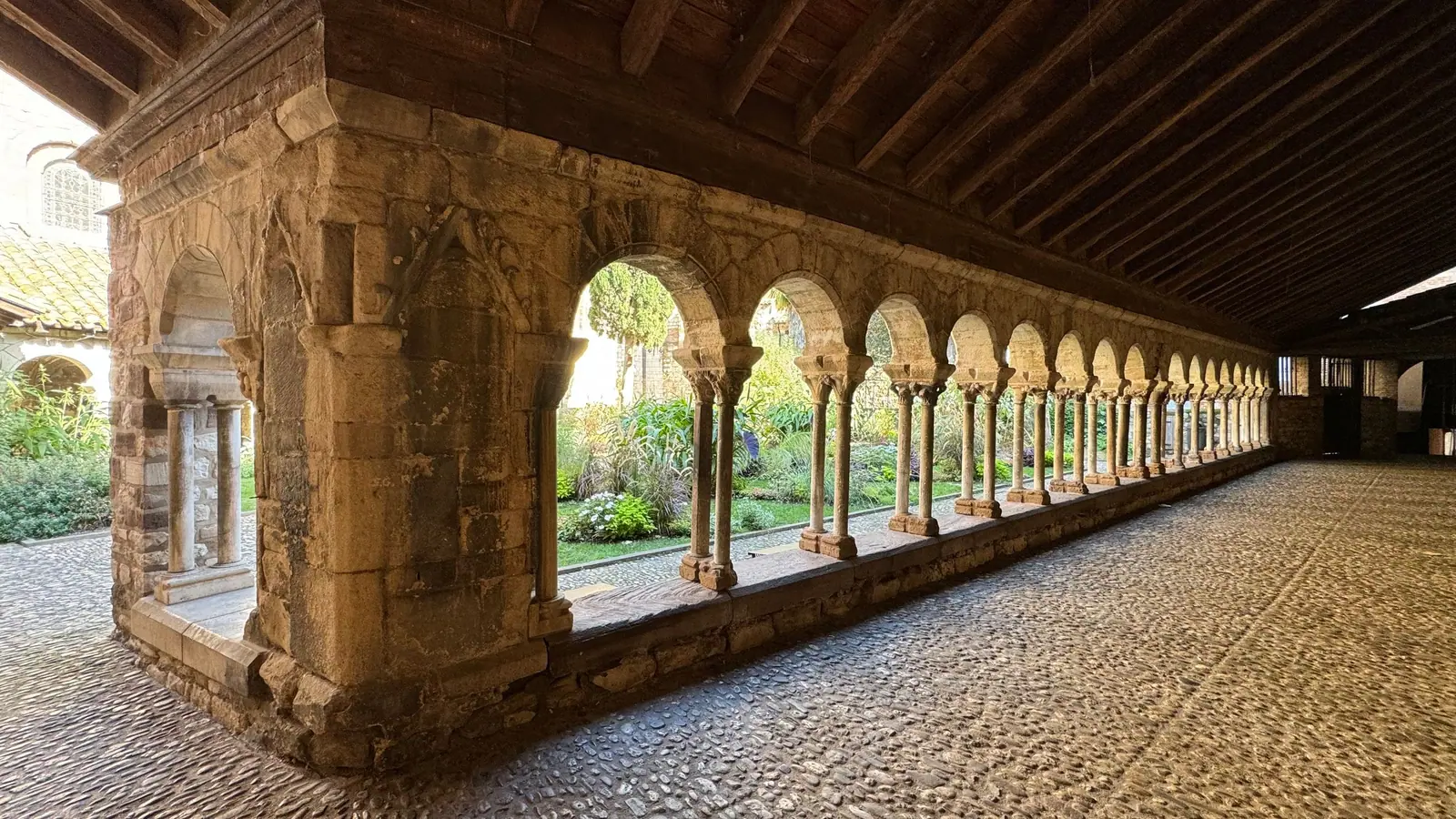
Fort Tryon Park occupies the ridge above the Hudson, and the Cloisters, the Metropolitan Museum of Art's branch for medieval art, stands at its high point. The park and the museum give the neighborhood a landmark that many visitors do not expect this far north. Below the park, the streets are mostly residential, with apartment blocks from the early and mid twentieth century, churches, schools and the busy shopping strip around 181st Street.
Who Washington Heights suits
Washington Heights suits travelers who want a quieter base and are willing to trade a short commute for parkland, lower buildings and a residential pace. It is a good fit for people who plan to spend daylight hours outdoors, in Fort Tryon Park or along the riverside paths, and for anyone whose main reason to travel north is the Cloisters. It also works for longer stays, when a full apartment and a neighborhood grocery matter more than a lobby.
Families and groups often prefer the neighborhood for the same reasons: more space, quieter nights and streets where children walk to school. Travelers with limited mobility should note the hills, the stair streets and the deep subway platforms; a hotel near a station entrance on level ground makes a difference. Anyone whose days center on Midtown, the Theater District or the Financial District should weigh the ride south before booking. For a first visit built around Broadway shows and the big museums, a base nearer Midtown usually saves time.
- The area suits travelers who want a quiet base and do not mind a longer ride to Midtown.
- It works well for visitors whose main reason to come north is the Cloisters and Fort Tryon Park.
- Long-stay guests get more from a residential street, a kitchen and a local grocery than from a lobby.
- Families and groups often need more space than a Midtown room provides.
Getting around and onward
The subway is the main way in and out. Lines run under St. Nicholas Avenue and under Broadway, both continuing south toward Midtown and the tip of the island. Stations are spaced along both routes, and the platforms at the deepest stops are a long climb from the street. The ride to Midtown is longer than from most Manhattan bases, so plan for it and check current service before a fixed appointment, since weekend work can change routes and stops.
Buses run along the avenues and across the island, and the George Washington Bridge crosses the Hudson at the north end of the neighborhood. LaGuardia is the closest airport by road, about 5.6 miles (9 km) away in a straight line. JFK and Newark are typically 45 to 75 minutes from Midtown depending on traffic and connections, and from Washington Heights allow more; the AirTrain links both to regional trains and the subway. Grand Central Terminal and Penn Station are roughly 10 to 6.8 miles (11 km) south in a straight line.
What is nearby
Fort Tryon Park and the Cloisters are the neighborhood's own sights. The park has lawns, stone terraces and long views over the Hudson, and it is free to enter. The Cloisters, the Metropolitan Museum's branch for medieval art, fills a building assembled from European monastic fragments; an admission fee applies, and the current policy is worth checking with the museum. Both sit at the top of a steep climb from the subway, so allow time for the hill.
Beyond the neighborhood, the wider city is a subway ride away. Central Park begins about 5.6 miles (9 km) south at Fifth Avenue and 59th Street, Times Square is about 6.2 miles (10 km) south, and the 9/11 Memorial is about 9.9 miles (16 km) south. North of Dyckman Street, Inwood Hill Park continues the green edge of the island, and to the south Highbridge Park follows the Harlem River with paths and a public pool open in summer.
- Fort Tryon Park has terraces, lawns and views across the Hudson, and entry is free.
- The Cloisters, the Metropolitan Museum's medieval branch, stands at the top of the park.
- The George Washington Bridge is best seen from the riverside paths below the park.
- Inwood Hill Park, north of Dyckman Street, adds woodland trails and shoreline.
- Highbridge Park, to the south, follows the Harlem River with paths and a summer pool.
Eating and drinking
St. Nicholas Avenue and the blocks around 181st Street are the center of everyday eating. Dominican cooking is the anchor: roast chicken, rice and beans, plantains, stews and soups, served in small cafeterias and counter-service places where the line moves quickly at lunch. Caribbean and other Latin American kitchens are mixed in, along with bakeries selling pastries and sandwiches, juice bars, pizzerias, Chinese takeaway counters and old diners that have served the neighborhood for decades.
Further north, Broadway and Dyckman Street widen the choice with more cafes, bakeries and small restaurants, and the streets off the avenues hold groceries, fruit stands and delis for self-catering. Hours vary: some small kitchens close between lunch and dinner, and many shut earlier on Sundays. Portions are generous, and a plate of rice, beans and meat often covers a full dinner. Vegetarian choices exist but can be limited in the traditional places.
Practical tips and hotels
Washington Heights is a large residential neighborhood with busy commercial avenues and quieter side streets, and it feels different from block to block. Take ordinary city precautions: stay aware on late walks, keep to lit streets, and use the main subway entrances after dark. The hills and stair streets matter if you have limited mobility or heavy luggage, and winter ice on steps and park paths can be slippery. Pharmacies, groceries and laundries are spread along the avenues.
Choose a hotel by its distance to a subway entrance, not by the neighborhood name alone, because a few blocks of hill change the walk with luggage. Read the total price with taxes, fees and any per-night occupancy charge or facility fee before booking; the room rate on its own is not the bill. Ask about late arrival, luggage storage, elevators in older buildings and whether breakfast is included. If a listing is vague about extra charges, ask in writing before you commit.
Keep reading
Staying in Washington Heights: questions
Is Washington Heights a good base for a first visit to Manhattan?
It depends on the plan. Washington Heights is a quiet, residential base with parkland and the Cloisters on the doorstep, but Times Square and the big Midtown museums are about 6.2 miles (10 km) south. For a short first visit built around Broadway and Midtown sights, a more central base saves time. For longer stays and repeat visits, the space and calm can outweigh the ride.
How do you get from Washington Heights to Midtown?
Subway lines run under St. Nicholas Avenue and under Broadway, and both continue south toward Midtown and the tip of the island. The ride is longer than from most Manhattan bases, so allow time and check current service before a fixed appointment. Buses along the avenues are an alternative for shorter hops.
Which airport is easiest to reach from Washington Heights?
LaGuardia is the closest of the three by road, about 5.6 miles (9 km) away in a straight line. JFK and Newark are typically 45 to 75 minutes from Midtown depending on traffic and connections, and Washington Heights adds to that. Both have AirTrain links to regional trains and the subway, so check the route and leave a wide margin.
What can you see in Washington Heights itself?
Fort Tryon Park is the neighborhood's own landmark, with terraces, lawns and views over the Hudson, and it is free to enter. The Cloisters, the Metropolitan Museum's branch for medieval art, stands at the top of the park and charges admission. The George Washington Bridge and the riverside paths below the park fill an afternoon, and Inwood Hill Park continues north.
Is Washington Heights safe for visitors?
It is a large residential neighborhood with busy commercial avenues and quieter side streets, and it feels different block to block. Ordinary city precautions apply: stay aware on late walks, keep to lit streets, and use the main subway entrances after dark. The hills and stair streets are worth planning around, especially with luggage or in winter.
What food is Washington Heights known for?
Dominican cooking is the anchor, served in small cafeterias and counter-service places: roast chicken, rice and beans, plantains, stews and soups. Caribbean and other Latin American kitchens are mixed in, along with bakeries, juice bars, pizzerias, Chinese takeaway counters and older diners. The busiest cluster is along St. Nicholas Avenue and around 181st Street, with more choice on Broadway and Dyckman Street.
Do hotel rates in Washington Heights include taxes and fees?
Usually not. New York City hotel bills add state and city taxes and a per-night occupancy charge to the room rate, and some properties add a facility or destination fee. Ask for the total price with taxes and fees before booking, and get any extra charge confirmed in writing if a listing is vague about it.
How far is Washington Heights from Central Park and Times Square?
Central Park begins about 5.6 miles (9 km) south, at Fifth Avenue and 59th Street, and Times Square is about 6.2 miles (10 km) south; both figures are straight-line distances. The subway covers the gap, but the ride is longer than from most Manhattan bases. Allow time and check current service before a fixed appointment.
Hotels in Washington Heights and Inwood
 ★★★★ 4-star
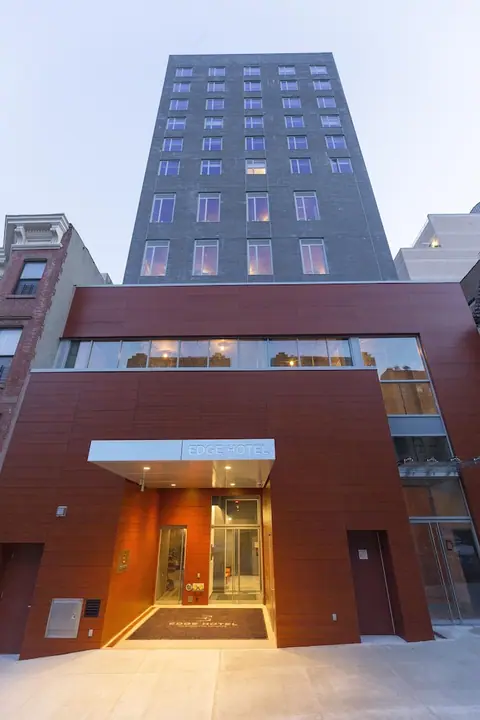 ★★★ 3-star
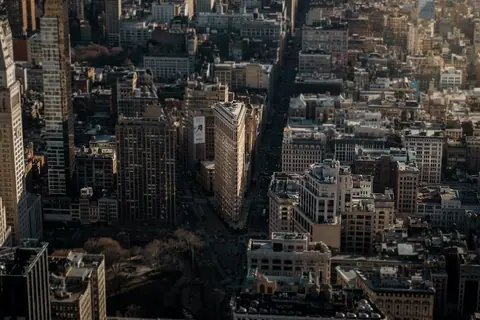 ★★ 2-star
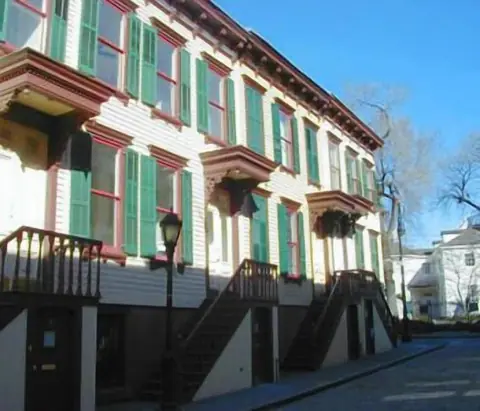 ★★ 2-star