- Area
- Downtown Manhattan
- JFK airport
- 13 miles (20.2 km) away
- Penn Station
- 2.4 miles (3.9 km) away
- Brooklyn Bridge
- 0.4 miles (0.7 km) away
What the area is like
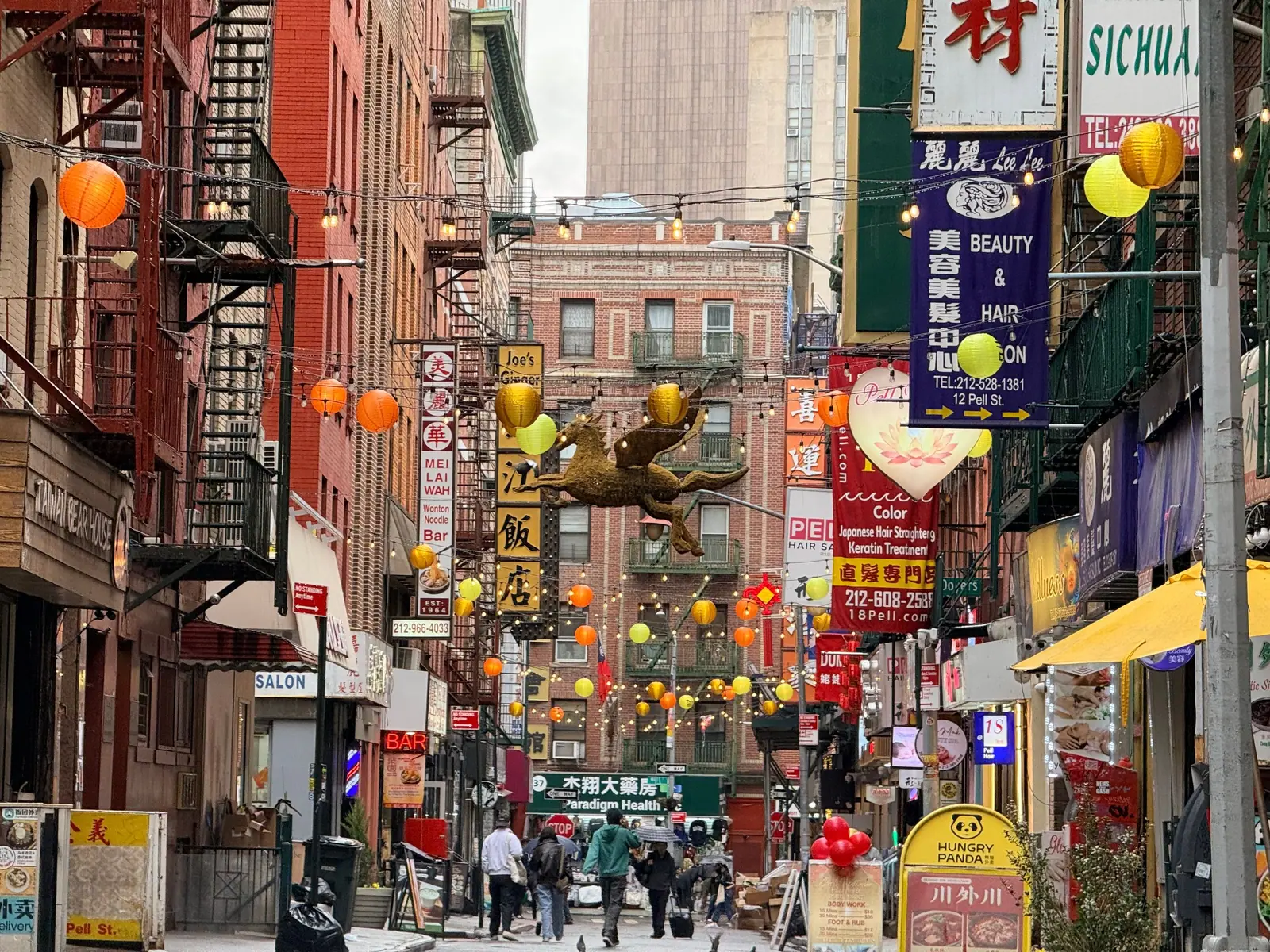
Chinatown occupies a compact stretch of lower Manhattan around Mott Street, Canal Street and East Broadway. It is dense, busy and largely low-rise, with tenements, storefronts, markets and small parks woven together. The Two Bridges blocks near the Manhattan Bridge add taller housing and open waterfront views. Streets here are older and irregular, so addresses do not follow the uptown grid. Expect crowds, delivery traffic and a steady street life through most of the day.
Columbus Park is the district's main open space, a flat, shaded square used for exercise, games and conversation. Around it, side streets hold produce markets, bakeries, tea shops and family-run businesses that serve both residents and visitors. The neighborhood changes block by block: souvenir shops near Canal Street, quieter residential stretches toward East Broadway, and the Two Bridges blocks closer to the bridge ramps. It feels less polished than Midtown and more lived-in, which is part of its appeal.
Who it suits
Chinatown suits travelers who want a central, walkable base without the polish or quiet of Midtown. It works well for people who value food, street life and easy access to lower Manhattan sights, and who plan to spend most of the day out. Rooms tend to be smaller and simpler than uptown options, so the area is a practical choice for short city breaks and repeat visitors who know how to use the subway.
It is less suitable for travelers who need spacious rooms, resort-style facilities or a very quiet street at night. Families may prefer blocks away from the busiest market streets, while light sleepers should ask about street noise before booking. Anyone with limited mobility should check subway access and sidewalk conditions along the exact route, because crowds and older buildings can slow movement. The area rewards travelers who treat the neighborhood as part of the trip.
Getting around and to airports
The subway is the fastest way around lower Manhattan for most trips, and several stations serve the Chinatown area. Buses run on the main avenues, but traffic can be slow. Walking is often quickest for short hops between Chinatown, Little Italy, the Lower East Side and the Civic Center. For plans that change, check the MTA website or app before setting out, because service changes and weekend work can affect routes.
For the airports, allow generous time and check current routes before leaving. JFK is reached by AirTrain to Jamaica, where commuter rail and subway lines connect, or by AirTrain to Howard Beach for the subway. LaGuardia is closest by road, and the free Q70 bus links to the subway. Newark Liberty uses AirTrain to the airport station, then a train to Penn Station. Journeys from Midtown to JFK and Newark typically take 45 to 75 minutes depending on traffic and connections.
- For JFK, take the AirTrain to Jamaica for commuter rail or the subway.
- For LaGuardia, the free Q70 bus connects to the subway network.
- For Newark Liberty, ride the AirTrain to the airport station, then take a train to Penn Station.
- Check the MTA and airport websites before traveling, because routes and service patterns can change.
What is nearby
The Brooklyn Bridge is a short walk away, and its pedestrian path is a popular free route with wide views. Go early to avoid the heaviest crowds. The 9/11 Memorial and Museum sit about 0.9 miles (1.5 km) from the neighborhood, and the Statue of Liberty and Ellis Island ferries leave from Battery Park. Little Italy, the Lower East Side and the Civic Center are close enough to reach on foot, while SoHo and Tribeca are a little farther but still manageable.
Farther afield, the High Line and Hudson River Park are within a few kilometers, and Central Park is about 3.6 miles (5.8 km) away. Times Square and the Theater District are roughly 3.0 miles (4.8 km) from Chinatown, so an evening show is possible without changing hotels. The Manhattan Bridge and the waterfront near Two Bridges give open views and a quieter edge to the district. For a change of pace, the Seaport district and the East River promenades are easy walks from the neighborhood.
Eating and food culture
Eating is central to a stay here. The neighborhood covers several Chinese regional cuisines, including Cantonese, Sichuan, Fujian and Shanghainese, alongside Malaysian, Vietnamese and other Asian cooking. Dumpling shops, noodle counters, bakeries and dim sum parlors range from quick and plain to comfortable and busy. Many places are small, cash-friendly and geared to turnover, so queues move quickly. Menus often include pictures, and sharing dishes is common. Vegetarian and halal choices exist, but verify ingredients if you have strict dietary needs.
Beyond Chinese food, the surrounding blocks add Italian bakeries and cafes toward Little Italy, plus delis and casual places in the Lower East Side. Breakfast can be dim sum, congee, noodles or a simple bakery item. Lunch is often the busiest meal, especially on weekends, when market streets fill with visitors. For a quiet meal, eat slightly before or after the standard rush. Late evening options are fewer than in Midtown, but several places stay open for noodles and snacks.
- Look for dumpling shops and noodle counters on the side streets off Mott Street.
- Dim sum parlors are busiest at weekend lunch, so arrive early or expect a wait.
- Bakeries sell portable breakfasts and snacks, useful for a day of walking.
- Check menus outside before sitting down, and confirm ingredients for allergies.
How to choose a hotel
Choose a hotel by matching the room to the trip. Light sleepers should ask for a room away from Canal Street and the busiest market blocks, and confirm whether windows are single or double glazed. Travelers with heavy luggage should check for elevators, because some older buildings have stairs at the entrance. Ask about room size, natural light and bathroom layout before booking. Compare the total price with taxes and fees, not just the headline rate, and check whether a facility or destination fee applies.
Location within Chinatown matters more than a few blocks suggest. A room near Canal Street is handy for subway connections but can be loud; blocks toward East Broadway or the Two Bridges area are often quieter and still walkable. Check the walking route to the nearest station, especially at night, and look for a lobby that feels secure. Read recent guest reviews for noise, cleanliness and staff response, and confirm cancellation terms. Book well ahead for spring and autumn, which are popular seasons.
Keep reading
Staying in Chinatown, Manhattan: questions
Is Chinatown, Manhattan, a good area to stay for a first trip to New York City?
Chinatown suits first-time visitors who want a central base in lower Manhattan and easy access to the Brooklyn Bridge, the Financial District and the 9/11 Memorial. It is less polished and quieter than Midtown in the evening, though some streets stay busy. Travelers who want spacious rooms or a calm residential setting may prefer another neighborhood.
How do you get from Chinatown, Manhattan, to JFK airport?
Take the subway to a JFK AirTrain connection, usually via Jamaica or Howard Beach, then ride the AirTrain to the airport. From Jamaica, commuter rail and subway lines connect to Midtown and downtown. Allow generous time and check the MTA and airport websites before leaving, because service patterns and transfer details can change.
What is there to see near Chinatown, Manhattan?
The Brooklyn Bridge is a short walk away, and the 9/11 Memorial and Museum are about 0.9 miles (1.5 km) from the neighborhood. Ferries to the Statue of Liberty and Ellis Island leave from Battery Park. Little Italy, the Lower East Side and the Civic Center are close enough to reach on foot, while the High Line and Central Park need a subway ride.
What food is Chinatown, Manhattan, known for?
Chinatown is known for Chinese regional cooking, including Cantonese, Sichuan, Fujian and Shanghainese dishes, as well as dumplings, noodles, dim sum and bakery items. The area also has Malaysian, Vietnamese and other Asian food, and nearby blocks add Italian bakeries and delis. Many places are small and busy, so check menus and opening days before you go.
Is Chinatown, Manhattan, safe at night?
Chinatown is a busy district with late food shops and steady foot traffic on main streets, and it generally feels active in the evening. Use the same caution you would anywhere in New York City: keep valuables secure, stay aware of your surroundings and choose well-lit routes. Some side streets are quieter after dark, so check your walking route and ask at your hotel if you are unsure.
How do you choose a hotel in Chinatown, Manhattan?
Match the room to your priorities. Ask about street noise, room size, natural light and elevator access, especially in older buildings. Check the total price with taxes and any facility fee, and confirm cancellation terms. A block near Canal Street is handy for subway connections but can be loud; blocks toward East Broadway or Two Bridges are often quieter and still walkable.
When should you plan a stay in Chinatown, Manhattan?
Spring and autumn are the mildest seasons for walking and sightseeing, and autumn color in Central Park usually peaks in early to mid November. Summer is hot and humid, while winter is cold with snow in some years. December is the busiest holiday period, and January to early March is usually the quietest. Book early for spring and autumn, when demand is strongest.
What practical tips should you know before staying in Chinatown, Manhattan?
Wear comfortable shoes and expect crowded sidewalks, especially around market streets on weekends. Carry a contactless card or phone for subway travel, and check service changes before setting out. Summer heat can be intense, so carry water. Confirm opening days for small shops and restaurants, since schedules can vary. Keep a paper or offline map for older irregular streets.
Hotels in Chinatown and Two Bridges
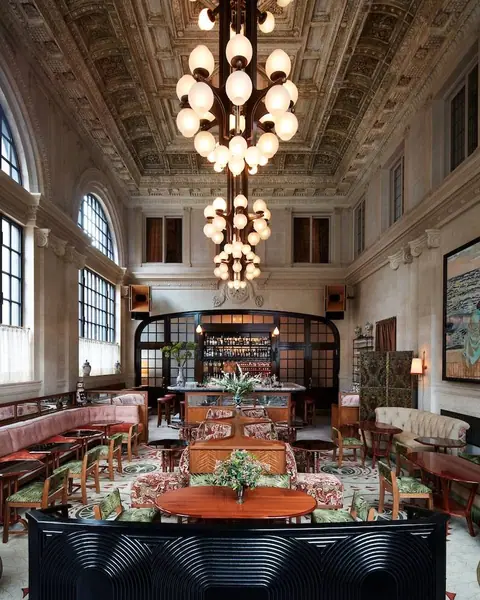 ★★★★ 4-star
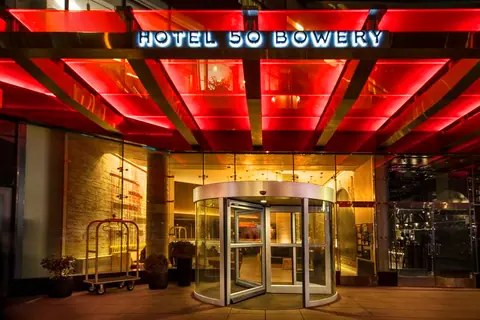 ★★★★ 4-star
Hotel 50 Bowery part of JdV by Hyatt
Chinatown and Two Bridges4.5Guest score from the booking supplier · 2009 reviews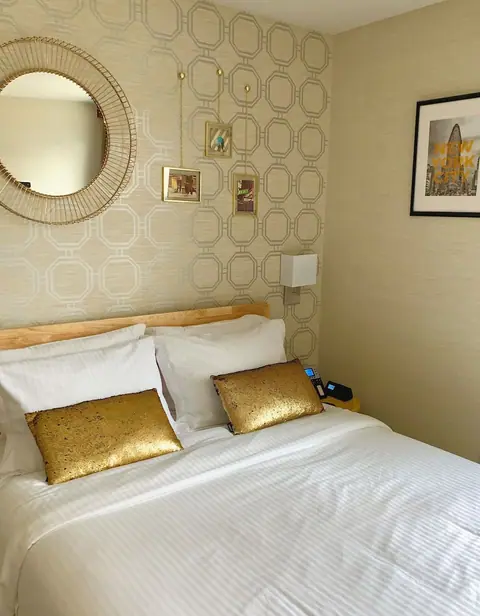 ★★ 2-star
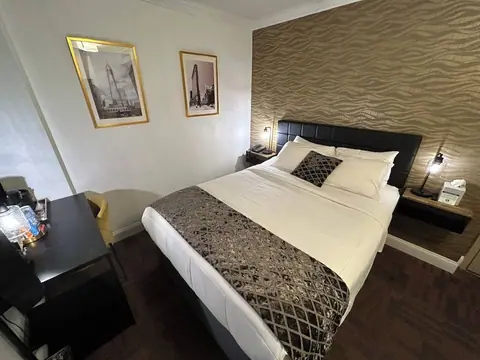 ★★★ 3-star
 ★★★ 3-star
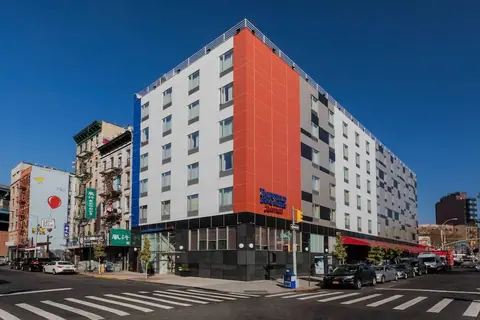
Fairfield Inn & Suites New York Manhattan Downtown East
Chinatown and Two Bridges4.1Guest score from the booking supplier · 1102 reviews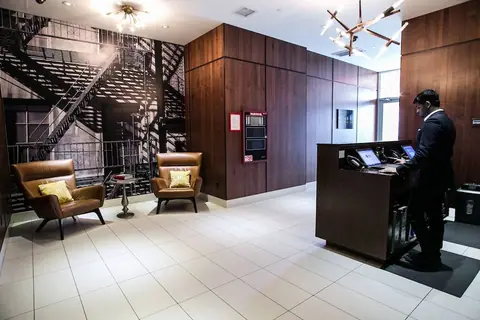 ★★★ 3-star
 ★★★ 3-star
 ★★ 2-star
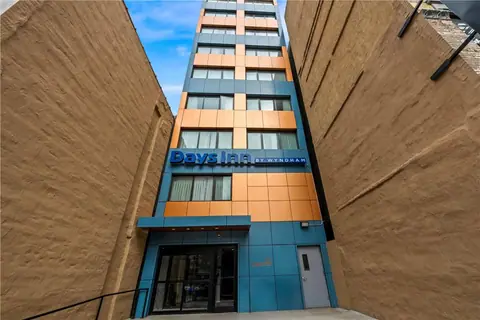
Days Inn by Wyndham New York Chinatown
Chinatown and Two Bridges3.8Guest score from the booking supplier · 28 reviews ★★ 2-star
 ★ 1-star
 ★★ 2-star