- Area
- Lower East Side, Downtown Manhattan
- Known for
- Tenement Museum, Orchard and Ludlow Streets
- Subway
- runs 24 hours, tap to pay
- Airports
- JFK 12 miles (19 km), LaGuardia 7.5 miles (12 km)
What the area is like
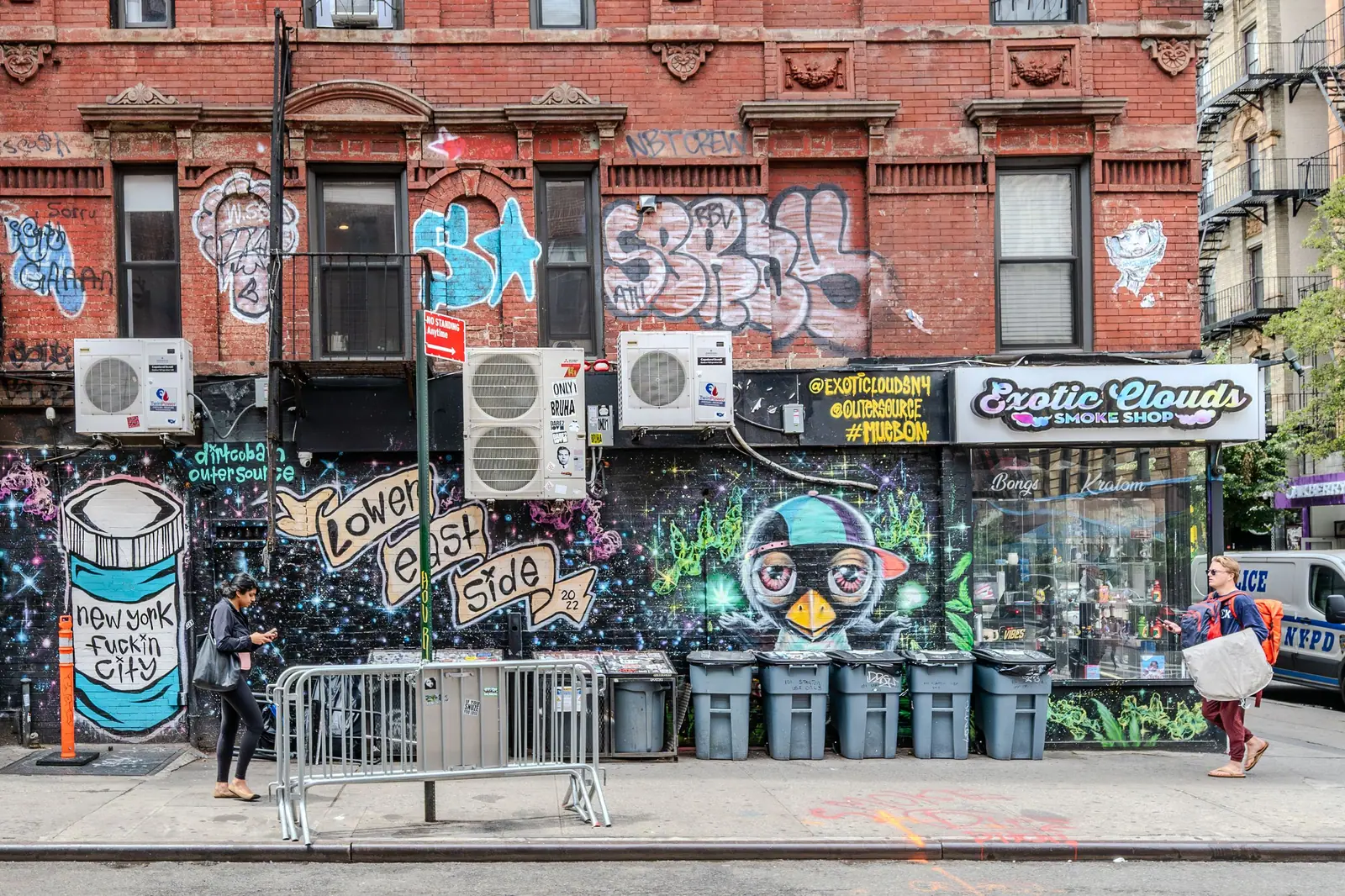
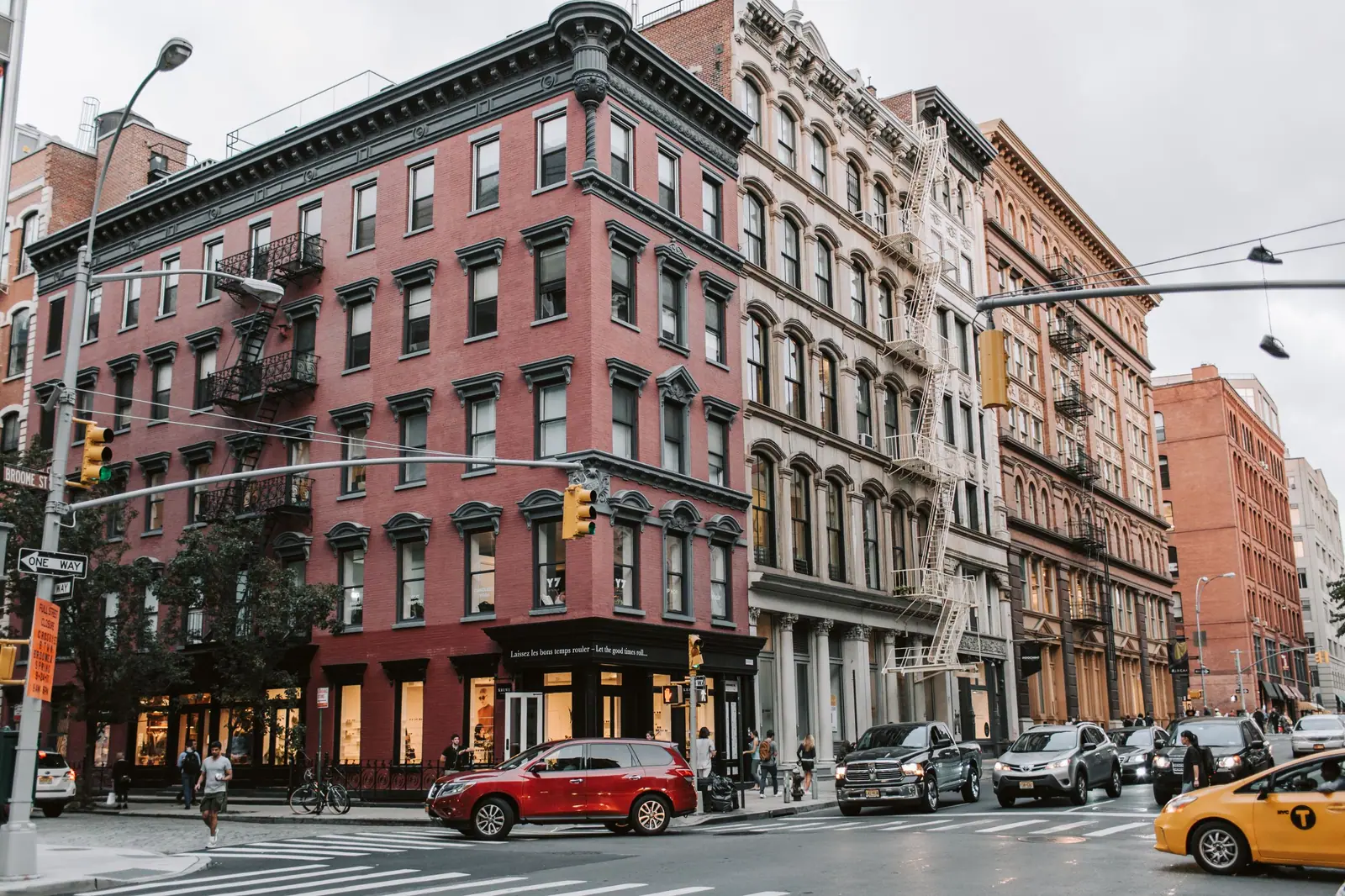
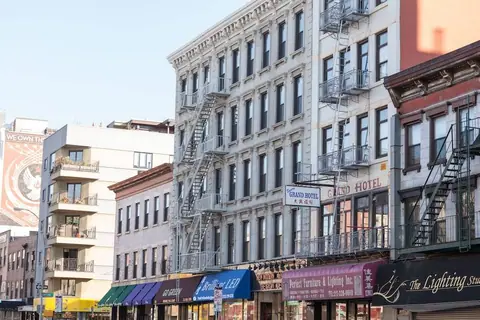
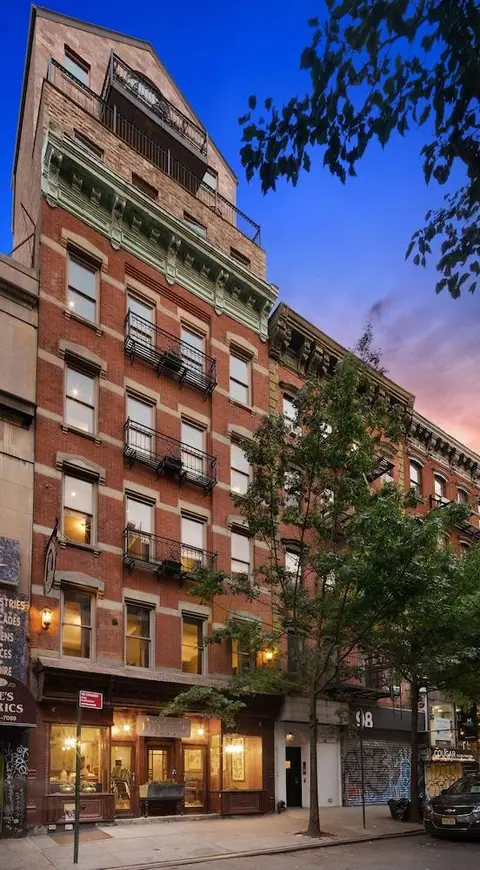
The Lower East Side occupies the east side of Manhattan below 14th Street, where the grid gives way to older, named streets that bend and meet at odd angles. Tenement buildings, many five or six stories with fire escapes over the sidewalk, still line block after block. Orchard Street and Ludlow Street hold the densest mix of small galleries, bars and late-night food, and the Tenement Museum on Orchard Street explains how the housing came to look this way.
Days and nights here feel different. Mornings are quiet: shutters down, delivery vans, coffee at the counter. Afternoons bring shoppers, gallery visitors and museum tours. Evenings are the busiest stretch, when small bars and music rooms fill and the sidewalks stay lively well past midnight, especially at weekends. The neighborhood is residential too, so much of that life happens directly below apartments, which shapes both the atmosphere and the noise you can expect in a street-facing room.
Who the area suits
The Lower East Side suits travelers who want a downtown base with street life at the door: people who plan evenings around small bars, galleries and music, and who are happy to walk ten or fifteen minutes to a subway station. It also works for repeat visitors who have already covered Midtown and want a neighborhood that feels lived in rather than polished. If you need quiet nights, a staffed lobby and a short walk to Central Park, look further uptown.
Tolerance for noise matters more here than budget or style. Rooms facing Orchard Street or Ludlow Street catch the late bars; rooms at the back of a building are usually calmer. Light sleepers, families with small children and anyone who wants an early start may prefer a quieter block or another neighborhood entirely. Travelers who treat the room as a place to sleep and shower, and the street as the reason to be here, tend to be happiest.
- Ask for a room at the back of the building if late-night street noise is a concern.
- Plan evenings on foot, since galleries, bars and food cluster around Orchard and Ludlow Streets.
- Expect a short walk to the subway rather than a station at the door.
- Travelers who need quiet nights should compare blocks, not just rooms.
Getting around
The subway runs 24 hours a day and is the fastest way in and out of the neighborhood. Fares are paid by tapping a contactless bank card or phone at the turnstile through OMNY, and weekly spending is capped once you reach a set number of rides in seven days. The MetroCard is being phased out, so tap to pay where you can. Several stations serve the Lower East Side, and for short hops walking is often quicker.
Above 14th Street the Commissioners' Plan of 1811 takes over: numbered streets run east-west, avenues run north-south, and Fifth Avenue divides East from West street numbers. Below 14th Street, where the Lower East Side sits, streets are older and irregular, so a map helps for the first day or two. Broadway cuts diagonally across the grid. Driving in means paying the congestion toll for vehicles entering Manhattan below 60th Street.
Airports and stations
From John F. Kennedy International Airport, the AirTrain connects to Jamaica, where the Long Island Rail Road and the E, J and Z subway lines continue into Manhattan, or to Howard Beach for the A train. Allow about 45 to 75 minutes from Midtown depending on traffic and connections. From LaGuardia, the airport is closest by road, and the free Q70 LaGuardia Link bus connects to the subway.
From Newark Liberty International Airport, the AirTrain runs to the Newark Liberty International Airport station, where NJ Transit and Amtrak trains continue to Penn Station. Penn Station sits about 2.5 miles (4 km) from the Lower East Side and Grand Central Terminal about 2.6 miles (4.2 km); both are reachable by subway. Check service updates with the airport operators and the transit agencies before setting out, especially at weekends, when engineering work can affect trains.
What is nearby
The walkway on the Brooklyn Bridge starts about 1.1 miles (1.7 km) away, an easy walk to the East River and across to Brooklyn. The 9/11 Memorial and Museum is about 1.6 miles (2.5 km) south, and the ferries to the Statue of Liberty and Ellis Island leave from Battery Park roughly 1.9 miles (3 km) away. Little Island and Hudson River Park are about 2.3 miles (3.7 km) west along the waterfront. All of these are walkable from the neighborhood, and the last stretch follows the East River waterfront.
The Staten Island Ferry is free, leaves from Whitehall Terminal at the southern tip of Manhattan and passes the Statue of Liberty; the crossing takes about 25 minutes. The High Line, an elevated park on a former freight rail line, runs from Gansevoort Street to West 34th Street and is free to enter. Times Square is about 3.0 miles (4.8 km) north, Central Park about 3.5 miles (5.6 km), and the Metropolitan Museum of Art at Fifth Avenue and 82nd Street is a subway ride away.
- Visit the two reflecting pools at the 9/11 Memorial, which are free; the museum is ticketed.
- Take the free Staten Island Ferry for a close pass of the Statue of Liberty.
- Walk the Brooklyn Bridge early, before the walkway gets crowded.
- Combine the High Line with Hudson River Park in one afternoon.
- Allow a full morning for the Metropolitan Museum of Art, at Fifth Avenue and 82nd Street.
Eating, safety and where to stay
Eating here covers a wide range without much formality. Expect counter-service shops, bakeries, sandwich counters, taquerias, ramen bars, pizza by the slice and small-plates places with wine. Old storefronts and new openings sit side by side, and many kitchens stay open late, which suits the neighborhood's nightlife. Reservations help for dinner at weekends; walk-in counters and takeaway are easier at other times. Check opening days, since small places often close early in the week.
The Lower East Side is a busy residential neighborhood and feels much like the rest of downtown Manhattan. Ordinary city sense applies: keep valuables out of sight, stay on lit streets late at night, and expect crowds and noise around Orchard and Ludlow Streets at closing time. Sidewalks can be uneven, and winter ice makes them slippery. Check opening days before crossing town for a particular gallery or museum, and carry a contactless card for the subway.
When choosing a hotel, ask three things: the total price with taxes and fees, the room's position relative to the street, and the walk to the nearest subway station. Hotel bills in New York City add state and city taxes and a per-night occupancy charge, and some properties add a facility or destination fee, so compare totals rather than room rates alone. This site shows no prices; every booking button opens live prices.
Keep reading
Staying in the Lower East Side: questions
Where is the Lower East Side in Manhattan?
The Lower East Side sits on the east side of Manhattan, below 14th Street, where the street grid gives way to older, named streets. It runs toward the East River. Times Square is about 3.0 miles (4.8 km) north, Penn Station about 2.5 miles (4 km), and Grand Central Terminal about 2.6 miles (4.2 km), all reachable by subway.
What is the Lower East Side known for?
It is known for tenement streets, the Tenement Museum on Orchard Street, and a dense cluster of small galleries and late bars around Orchard and Ludlow Streets. Housing from the immigrant era still shapes the blocks, and much of the neighborhood's evening life happens at street level below apartments.
Is the Lower East Side a good base for a Manhattan visit?
It suits travelers who want a downtown base with nightlife, galleries and food within a few blocks, and who do not mind a short walk to the subway. It is less suited to light sleepers, families who need quiet evenings, or anyone who wants Central Park at the door. Midtown sights are a short subway ride north.
Is the Lower East Side safe at night?
It is a busy residential neighborhood and feels much like the rest of downtown Manhattan. Use ordinary city sense: keep valuables out of sight, stay on lit streets, and expect crowds and noise around Orchard and Ludlow Streets at closing time. Rooms at the back of a building are quieter if you turn in early.
How do you get from JFK to the Lower East Side?
Take the AirTrain from John F. Kennedy International Airport to Jamaica, where the Long Island Rail Road or the E, J and Z subway lines continue into Manhattan, or to Howard Beach for the A train. Allow about 45 to 75 minutes from Midtown depending on traffic and connections, and check service updates before you travel.
Do you need a car in the Lower East Side?
No. The subway runs 24 hours a day, fares are paid by tapping a contactless card or phone through OMNY, and most sights nearby are within walking distance. Driving into Manhattan below 60th Street also means paying the congestion toll. Use the subway, walk, and check current OMNY terms with the MTA.
What can you walk to from the Lower East Side?
The Brooklyn Bridge walkway is about 1.1 miles (1.7 km) away, the 9/11 Memorial and Museum about 1.6 miles (2.5 km), and the ferries to the Statue of Liberty and Ellis Island leave from Battery Park roughly 1.9 miles (3 km) away. Little Island and Hudson River Park are about 2.3 miles (3.7 km) west. Times Square and Central Park need the subway.
How do you choose a hotel in the Lower East Side?
Compare the total price with taxes and fees, since New York City hotel bills add state and city taxes, a per-night occupancy charge and sometimes a facility or destination fee. Then ask about the room's position relative to the street and the walk to the nearest subway station. This site shows no prices; booking buttons open live prices.
Hotels in Lower East Side
 ★★★★ 4-star
 ★★★★ 4-star
 ★★★★ 4-star
 ★★★★ 4-star
 ★★★★ 4-star
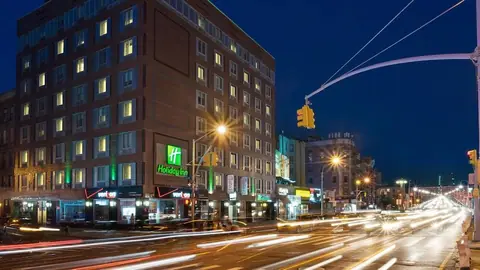 ★★★★ 4-star
Holiday Inn NYC Lower East Side by IHG
Lower East Side4.1Guest score from the booking supplier · 950 reviews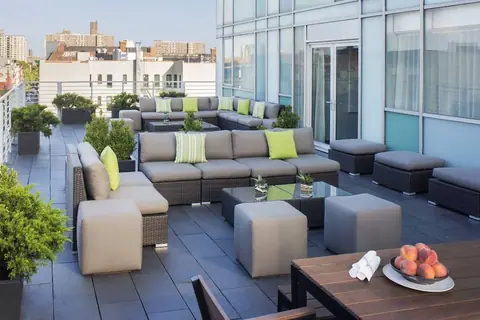 ★★★★ 4-star
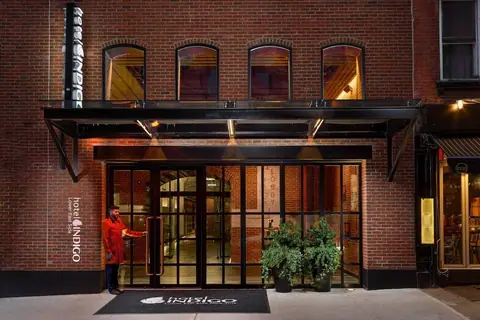 ★★★★ 4-star
Hotel Indigo Lower East Side New York by IHG
Lower East Side3.9Guest score from the booking supplier · 2174 reviews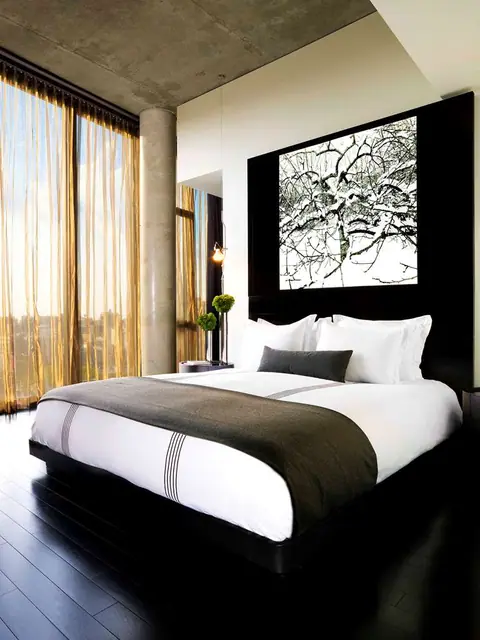 ★★★★ 4-star
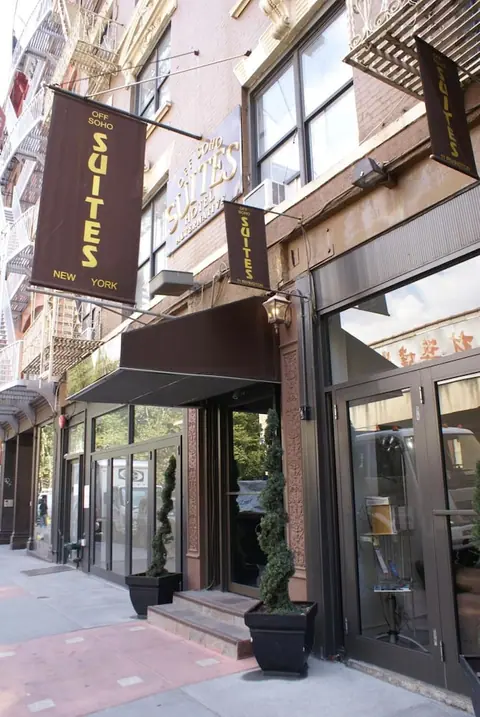 ★★ 2-star
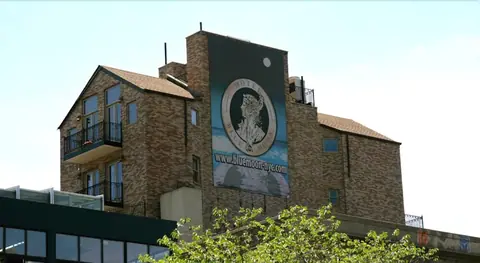 ★★★ 3-star
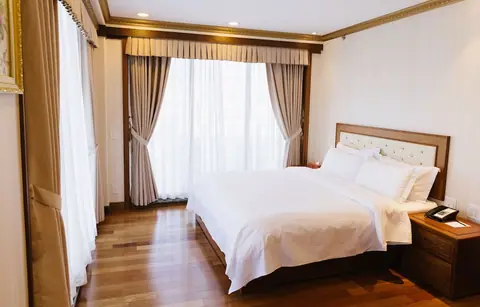 ★★★ 3-star
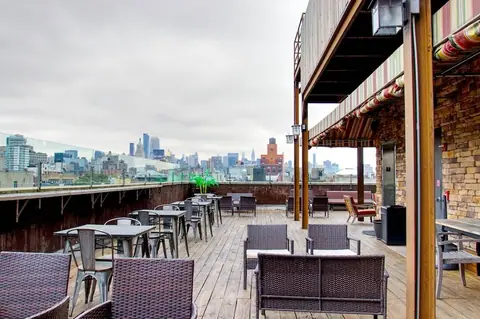 ★★★ 3-star
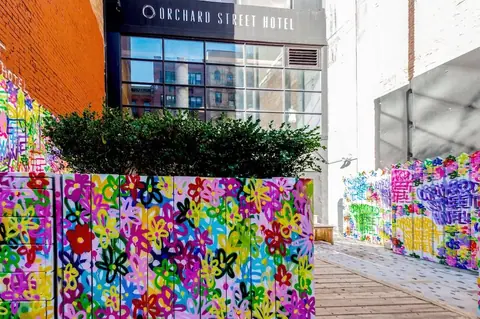 ★★★ 3-star
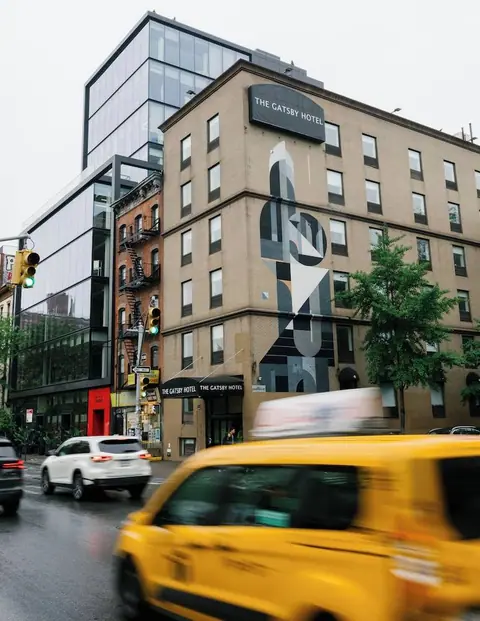 ★★★ 3-star
 ★★ 2-star
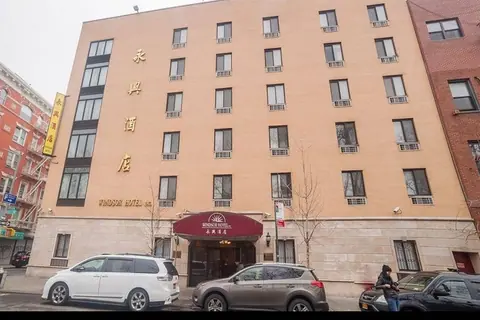 ★★ 2-star
 ★ 1-star
 ★★★ 3-star
 ★★★ 3-star