- Area
- West Village, Downtown Manhattan
- Streets
- Irregular, named, west of Seventh Avenue
- Subway
- Runs 24 hours, tap to pay
- Nearest station
- Penn Station, about 1.2 miles (2 km)
What the area is like
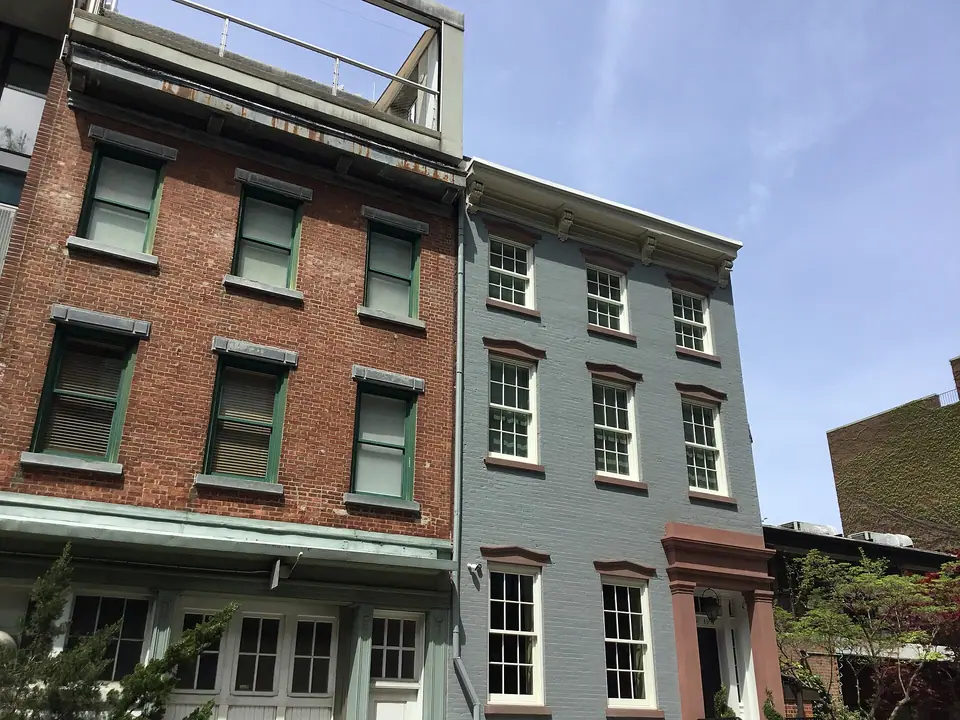
The West Village sits on the west side of Lower Manhattan, west of Seventh Avenue, where the grid gives way to crooked streets that follow old property lines. Brownstones and brick row houses line short blocks that are easy to lose track of. The neighborhood runs to the Hudson River, and the waterfront park along it is a short walk from most addresses. At the western edge, the Meatpacking District keeps its cobbles and former warehouse buildings, now used for galleries, shops and nightlife.
Days here are quiet in a way that surprises visitors who know Manhattan from Midtown. Mornings bring deliveries, dog walkers and small groups heading for coffee. Evenings fill the small dining rooms that give the area much of its character. Buildings are low, so daylight reaches the sidewalks for most of the day. The neighborhood reads as residential first and visited second, even though Times Square is under three kilometers away. Late afternoon is a good time for the waterfront, when light comes off the water.
Who it suits
The West Village suits travelers who plan by neighborhood rather than by checklist. Couples, solo travelers and repeat visitors tend to be happiest here: the streets are small, the scale is human, and dinner is usually a short walk from the room. Travelers who want a pool, a gym and a lobby bar will find little of that here. Anyone arriving with a car should think twice, because parking is scarce and the one-way streets bend in ways that make driving more effort than it is worth.
It is a less obvious choice for families who need space, for anyone who wants a lobby, a doorman and a view, or for travelers who like to step out onto a wide avenue. Light sleepers should note that weekend nights near the Meatpacking District stay busy and audible until late. Travelers whose days center on Midtown offices or the Upper East Side museums may prefer a base closer to those places, since the West Village sits at the island's western edge.
Getting around and arriving
Walking is how the neighborhood works. Blocks are short, streets bend, and the river gives a reliable sense of direction: keep it on your right and you are heading downtown. Subway stations sit on the edges of the area rather than in its middle, so most journeys start with a few minutes on foot. Trains run 24 hours. Fares are paid by tapping a contactless card or phone, and weekly spending is capped after a set number of rides in seven days.
Three airports serve the city. From JFK, the AirTrain connects to Jamaica, where the Long Island Rail Road and subway lines run into Manhattan, or to Howard Beach for the subway. LaGuardia is closest by road, and a free shuttle bus links it to the subway. From Newark Liberty, the AirTrain reaches the airport's rail station, where NJ Transit and Amtrak trains continue to Penn Station. JFK and Newark are typically 45 to 75 minutes from Midtown, depending on traffic and connections.
Penn Station, on 34th Street between Seventh and Eighth Avenues, is the nearest major rail station, about two kilometers away. Grand Central Terminal at 42nd Street and Park Avenue is a similar distance. Driving into the neighborhood means paying the congestion toll charged to vehicles entering Manhattan below 60th Street, and garage space is limited. Check current charges and any service changes with the operator or the transit authority before setting out.
What is nearby
The neighborhood itself is the attraction. Hudson River Park runs along the waterfront, with Little Island about about two-thirds of a mile away and the High Line about 0.9 miles (1.4 km) from the center of the area. That elevated park follows a former freight rail line from Gansevoort Street to West 34th Street at Hudson Yards, where the Vessel stands about two kilometers from the West Village. The park and the High Line are free to enter.
Distances here are straight lines, so allow extra time for the street pattern. The 9/11 Memorial is about 1.7 miles (2.8 km) south, near where a walk across the Brooklyn Bridge begins. Observation decks and Times Square sit roughly three kilometers away in Midtown. Central Park starts at Fifth Avenue and 59th Street, about four kilometers north, and the Metropolitan Museum of Art is further up Museum Mile at 82nd Street.
- Hudson River Park and Little Island, about 0.6 miles (1 km) along the waterfront.
- The High Line, about 0.9 miles (1.4 km), from Gansevoort Street to West 34th Street.
- Hudson Yards and the Vessel, about 1.2 miles (2 km) north along the river.
- The 9/11 Memorial and Museum, about 1.7 miles (2.8 km) south.
- Central Park at Fifth Avenue and 59th Street, about 2.5 miles (4 km) north.
Eating and drinking
The neighborhood is known for small rooms rather than large ones. Expect Italian, French, Japanese and Middle Eastern kitchens, often in spaces with a dozen tables and a short menu. Bakeries and coffee bars open early, delis and sandwich counters serve through the day, and wine bars fill up before dinner. Reservations help at the weekend, and many places keep a few seats for walk-ins at the counter. Hours change, so check before crossing town for a particular kitchen.
The Meatpacking District brings a later crowd, with larger rooms, cocktail bars and kitchens that stay open after midnight. Weekend brunch draws queues where tables are not booked. Costs in this part of Manhattan sit at the higher end, so a counter lunch or a bakery breakfast helps balance a day. Check opening days, since some rooms close early in the week. Cuisines from the rest of the city are a short subway ride away, and the transit system runs all night.
- Small Italian and French dining rooms on the side streets, many with a dozen tables.
- Bakeries and coffee bars that open early for the walk-to-work crowd.
- Counter-service delis and sandwich shops for a quick lunch.
- Cocktail bars and late kitchens in the Meatpacking District.
Safety, practicalities and hotels
The West Village is a well-used residential neighborhood, and its streets carry people into the evening. Take the ordinary precautions you would take anywhere in Manhattan: keep bags closed, stay aware on quiet blocks after midnight, and expect crowds and noise around the Meatpacking District at weekends. Call 911 in an emergency. Bicycles, scooters and delivery riders move at speed, so look both ways even on one-way streets, and take care on cobbles in wet weather.
Pack for the season rather than the forecast. Summers are hot and humid, winters are cold with snow in some years, and spring and autumn are the mildest. Wind off the Hudson makes the waterfront cooler than the streets behind it. Comfortable shoes matter more than anything else, since sidewalks and cobbles are uneven in places. Central Park's autumn color usually peaks in early to mid November, and a compact umbrella earns its place in any month.
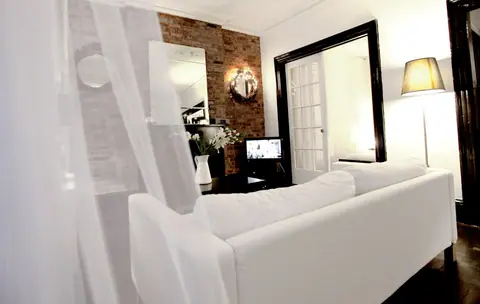
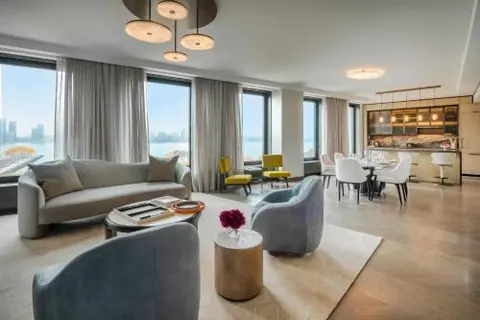
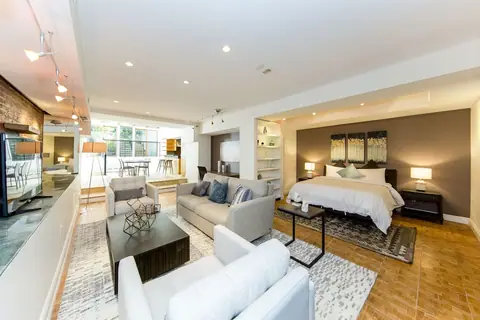
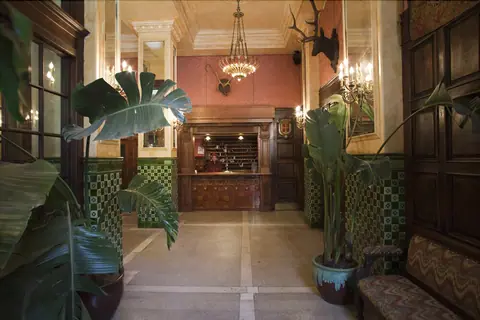
Most places to stay occupy converted row houses and small buildings, so rooms vary more in size and layout than in a purpose-built hotel. Ask about street noise and which floor the room is on. The quoted rate is rarely the whole story: New York City hotel bills add state and city taxes and a per-night occupancy charge, and some properties add a facility or destination fee. Check the total price with taxes and fees before booking.
Keep reading
Staying in West Village, Manhattan: questions
Where is the West Village in Manhattan?
The West Village lies on the west side of Lower Manhattan, west of Seventh Avenue and north of the Meatpacking District, running down to the Hudson River. Its streets are older than the grid that governs most of the island, so they bend and change name. Penn Station is about two kilometers away and Times Square about three.
Is the West Village a good base for a Manhattan visit?
It suits travelers who prefer low-rise streets, small dining rooms and a residential rhythm, and who are happy to walk and take the subway. It is less convenient for anyone whose days center on Midtown or the Upper East Side. The neighborhood sits at the island's western edge, so allow travel time for sights on the east side.
How do you get from JFK to the West Village?
Take the AirTrain from the airport, either to Jamaica for the Long Island Rail Road and subway lines into Manhattan, or to Howard Beach for the subway. Continue to a station on the edge of the West Village or the Meatpacking District and walk. The journey typically takes 45 to 75 minutes depending on traffic and connections.
How do you reach the West Village from Newark Liberty and LaGuardia?
From Newark Liberty, the AirTrain reaches the airport's rail station, where NJ Transit and Amtrak trains run to Penn Station, about two kilometers from the neighborhood. From LaGuardia, the closest airport by road, a free shuttle bus connects to the subway. Allow 45 to 75 minutes from Midtown for Newark, and check current service before setting out.
What is within walking distance of the West Village?
Hudson River Park and Little Island are about about two-thirds of a mile away, the High Line about 0.9 miles (1.4 km), and Hudson Yards with the Vessel about two kilometers. The 9/11 Memorial is roughly 1.7 miles (2.8 km) south. Distances are straight lines, so add time for the street pattern and for crossings, especially along the waterfront.
Where can you eat in the West Village?
Small Italian, French, Japanese and Middle Eastern kitchens dominate, often with a dozen tables and a short menu. Bakeries and coffee bars open early, delis serve through the day, and wine bars fill before dinner. The Meatpacking District adds larger rooms, cocktail bars and late kitchens. Book at the weekend and check hours, which change.
Is the West Village safe at night?
The neighborhood is residential and well used into the evening, and streets near the Meatpacking District stay busy and loud at weekends. Take the ordinary precautions you would take anywhere in Manhattan: keep bags closed, stay aware on quiet blocks after midnight, and call 911 in an emergency. Watch for bicycles and delivery riders when crossing.
How do you choose a hotel in the West Village?
Expect converted row houses and small buildings rather than large hotels, so ask about room size, floor and street noise. Confirm the total price with taxes and fees, since city and state taxes, a per-night occupancy charge and sometimes a facility fee are added to the quoted rate. Check how far the address is from a subway station.
Hotels in West Village
 ★★★★★ 5-star
 ★★★★ 4-star
 ★★ 2-star
 ★★ 2-star