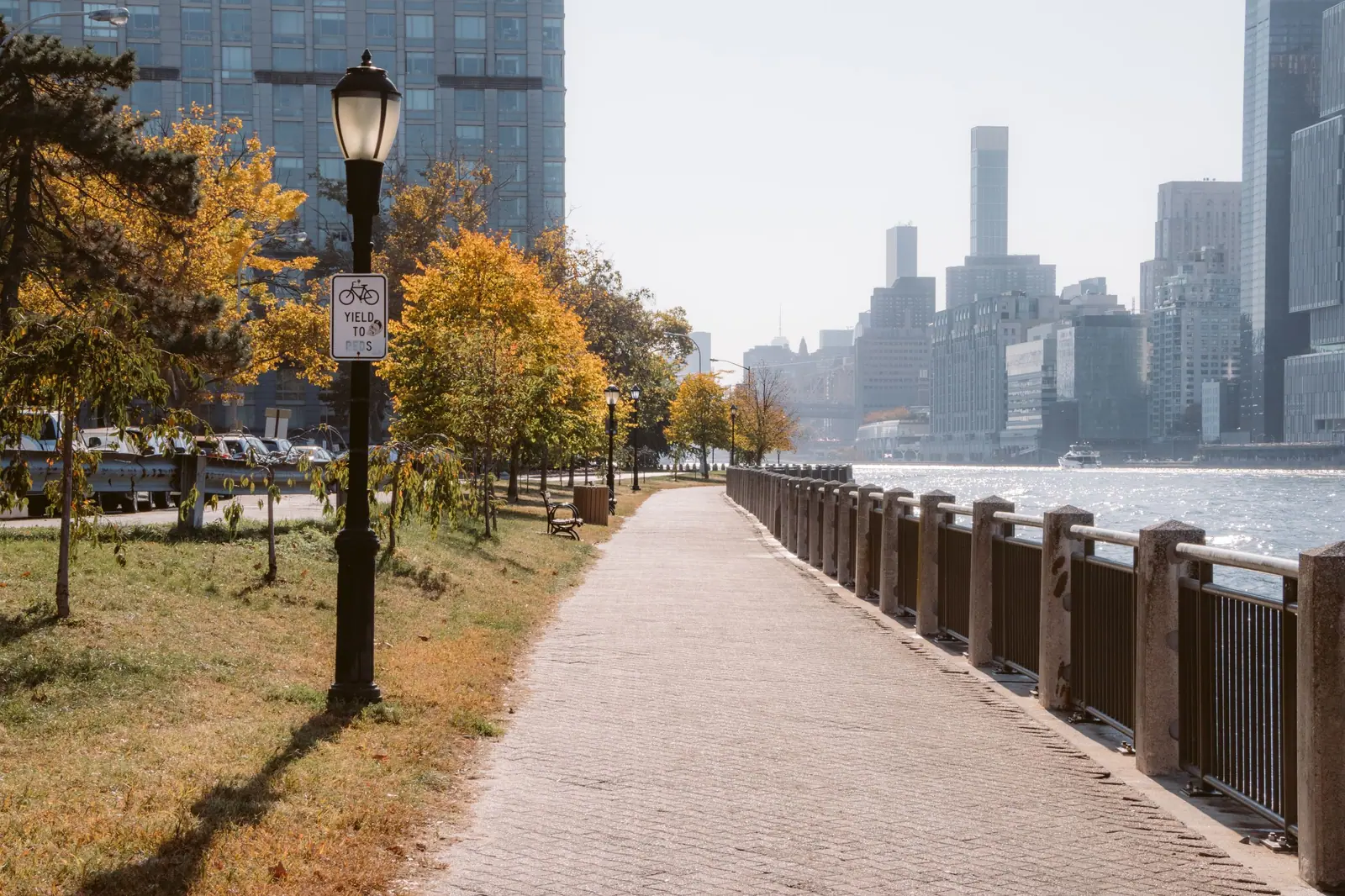
- Area
- Northern Upper West Side
- Streets
- 96th to 110th Street
- Parks
- Central Park and Riverside Park
- To JFK
- About 15 miles (23.6 km)
What the area is like
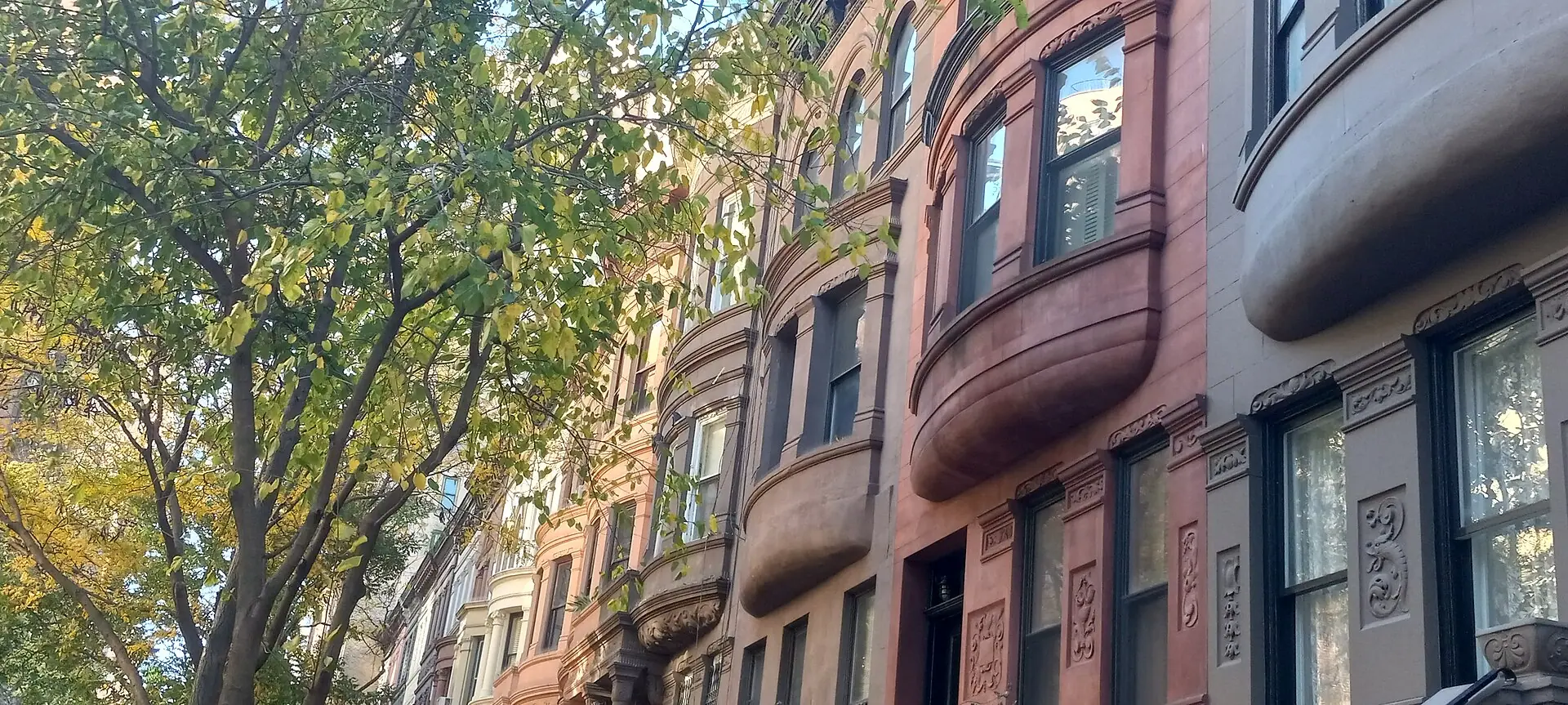
Manhattan Valley is the northern stretch of the Upper West Side, running from 96th Street to 110th Street between Central Park on the east and Riverside Park on the west. The name describes the dip in the land between two ridges. Streets here follow the Commissioners' Plan of 1811, with numbered streets running east-west and avenues running north-south; Broadway crosses the grid on a diagonal. Most of the housing is apartment buildings of the late 19th and 20th centuries, with a busy commercial strip along Broadway.
The neighborhood is largely residential, and that shapes the day. Mornings and early evenings are the busiest times on the avenues, when residents leave for work and come back. Between those peaks the side streets are quiet. Shops, groceries and services cluster along Broadway and the nearby avenues, so most everyday needs are within a few blocks of anywhere in the area. The two parks give the neighborhood its edges and its open space, and both are free to enter.
Who it suits
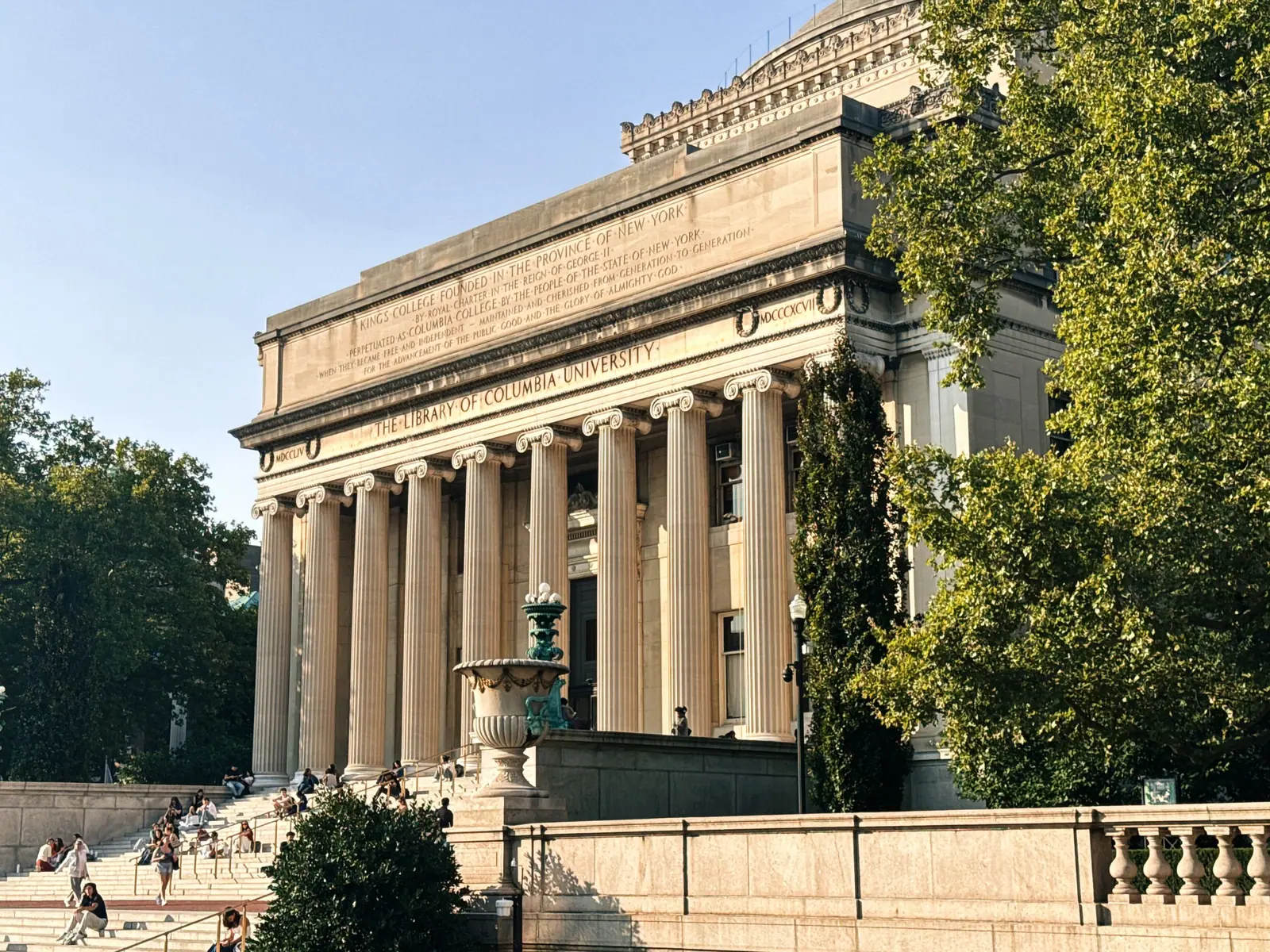
Manhattan Valley suits travelers who want a calm base and do not mind a short subway ride to the sights. Families do well here: the pace is slower than in Midtown, and two parks are within walking distance. Longer stays work well, since grocery shopping and everyday errands are easy along Broadway. Columbia University's campus sits a few blocks north of 110th Street, which brings students, staff and visiting academics to the area.
It is less suitable for a first visit built around Times Square and the theater district, where late nights and short walks matter more. Travelers who want restaurants and bars outside the door will find the neighborhood quiet after dinner. Anyone with an early flight should weigh the distance to the airports against the calm. Those who prefer a hotel with a lobby bar and room service should check what the building offers before booking.
Getting around and to the airports
The subway is the main way downtown, with stations along Broadway and Central Park West. Trains run 24 hours a day, and fares are paid by tapping a contactless card or phone at the turnstile. OMNY caps weekly spending after a set number of rides in seven days, and the MetroCard is being phased out. Buses run on the avenues and across the side streets; check current routes and service changes with the MTA.
By road, the airports are straightforward but traffic dependent. JFK is 15 miles (23.6 km) away in a straight line, and Newark Liberty is 13 miles (21.4 km); both are typically 45 to 75 minutes from Midtown depending on traffic and connections. From JFK, the AirTrain connects to Jamaica for the Long Island Rail Road or the subway, and to Howard Beach for the subway. LaGuardia is 5.0 miles (8.1 km) away and closest by road; the free Q70 LaGuardia Link bus connects to the subway. From Newark, the AirTrain reaches the rail station for NJ Transit or Amtrak to Penn Station.
- Taxis and app-based cars are an option for late arrivals, though traffic can slow the trip.
- Grand Central Terminal is 3.2 miles (5.2 km) away and Penn Station 3.7 miles (5.9 km), both reachable by subway.
- Allow extra time for airport trips at rush hour and around the December holidays.
- Congestion pricing applies to vehicles entering Manhattan below 60th Street, so check with the operator before driving in.
- Check current service changes and planned works with the MTA before an early flight.
What is nearby
Central Park begins at the neighborhood's eastern edge, and its northern end is the quietest part of the park, with wooded slopes, open lawns and paths that see far fewer visitors than the midtown sections. Riverside Park runs along the Hudson to the west, with river views and a long path for walking and running. The American Museum of Natural History is 1.3 miles (2.1 km) south, and the Metropolitan Museum of Art, at the start of Museum Mile, is 1.4 miles (2.2 km) away.
The theater district and Times Square are 3.0 miles (4.8 km) south, a direct ride on the subway. The 9/11 Memorial is 6.5 miles (10.5 km) away, with two reflecting pools free to visit and a ticketed museum. Columbia University's Morningside Heights campus is a short walk north, and the Apollo Theater on West 125th Street in Harlem is a short ride further north. Groceries, pharmacies and everyday shops are spread along Broadway.
- Central Park, 1.1 miles (1.8 km): the north end has quieter paths than the midtown sections.
- The American Museum of Natural History, 1.3 miles (2.1 km), on Central Park West at 79th Street.
- The Metropolitan Museum of Art, 1.4 miles (2.2 km), on Fifth Avenue at 82nd Street.
- Times Square and the theater district, 3.0 miles (4.8 km) south.
- The 9/11 Memorial, 6.5 miles (10.5 km), with free reflecting pools and a ticketed museum.
Eating in the neighborhood
Eating in Manhattan Valley is mostly a neighborhood affair. Broadway and the avenues carry the bulk of the restaurants: casual places with counters and small dining rooms, pizzerias, delis, diners and bakeries that serve breakfast and lunch. Cuisines lean toward the everyday rather than the special occasion, with Latin American, Chinese, Italian, South Asian and West African kitchens among the mix. Many rooms are small, so dinner at peak times can mean a wait or a booking made earlier in the day.
Breakfast is easy to find near the subway stations, and lunch draws office workers, students and residents. Dinner is quieter than downtown, with more tables free early in the evening. For a wider choice, the Upper West Side south of 96th Street has a dense run of restaurants along Columbus and Amsterdam Avenues, a short walk or one subway stop away. Groceries, specialty food shops and markets along Broadway cover picnics for either park.
Safety, tips and choosing a hotel
Manhattan Valley is largely residential and feels calm, with well-lit avenues and steady foot traffic near the subway stations. As anywhere in Manhattan, side streets are quieter late at night, and it pays to stay aware of your surroundings and keep valuables out of sight. Check the exact block of a hotel before booking: some addresses sit on busy stretches of Broadway, others on quiet cross streets. Ask at the desk which entrances stay open overnight.
When choosing a hotel, weigh the walk to the subway over the walk to a park; the stations are what make the area convenient. Ask for the total price with taxes and fees, since New York City hotel bills add state and city taxes and a per-night occupancy charge, and some buildings add a facility or destination fee. Rooms facing a courtyard or a side street are quieter. This site shows no prices: every booking button opens live prices in the IMPT app.
Keep reading
Staying in Manhattan Valley: questions
Where is Manhattan Valley in Manhattan?
Manhattan Valley is the northern part of the Upper West Side, running from 96th Street to 110th Street between Central Park on the east and Riverside Park on the west. Morningside Heights and Columbia University lie just north of it, and Times Square is about 3.0 miles (4.8 km) south.
Is Manhattan Valley a good base for a Manhattan visit?
It suits travelers who prefer a calm, residential base with subway links downtown. Two parks are within walking distance and everyday shops are close by. It is less convenient for a trip centered on Times Square and late-night nightlife, where a Midtown hotel saves walking at the end of the day.
How do you get from Manhattan Valley to JFK airport?
Take the subway to a station served by the AirTrain: to Jamaica for the Long Island Rail Road or the subway connection, or to Howard Beach for the subway. JFK is 15 miles (23.6 km) away in a straight line, and the trip is typically 45 to 75 minutes from Midtown depending on traffic and connections. Check current service before leaving.
How far is Manhattan Valley from Times Square?
Times Square is about 3.0 miles (4.8 km) south in a straight line, a direct subway ride from stations along Broadway. Grand Central Terminal is 3.2 miles (5.2 km) away and Penn Station 3.7 miles (5.9 km). The theater district around Times Square is easy for an evening out, though the return trip is longer after a late show.
What can you see near Manhattan Valley?
Central Park's northern end is 1.1 miles (1.8 km) away, with quieter paths than the midtown sections. The American Museum of Natural History is 1.3 miles (2.1 km) south and the Metropolitan Museum of Art 1.4 miles (2.2 km), at the start of Museum Mile. Riverside Park runs along the Hudson on the western edge.
Is Manhattan Valley safe at night?
The neighborhood is mostly residential, with lit avenues and foot traffic near the subway stations. Side streets are quieter after dark, so the usual city habits apply: stay aware, keep valuables out of sight and use main streets late at night. Check the block where a hotel sits, since some addresses are busier than others.
What kinds of places to eat are in Manhattan Valley?
Most restaurants are casual neighborhood places: pizzerias, delis, diners, bakeries and small dining rooms serving Latin American, Chinese, Italian, South Asian and West African food. Breakfast and lunch are easy to find near the subway stations, and dinner is quieter than downtown. A wider choice lies south of 96th Street along Columbus and Amsterdam Avenues.
How do you choose a hotel in Manhattan Valley?
Weigh the walk to a subway station first, then the block itself: quiet cross streets suit light sleepers, while Broadway addresses are busier. Ask for the total price with taxes and fees, including any facility or destination charge, and request a room away from the street. Use a booking button that shows live prices.
Hotels in Manhattan Valley
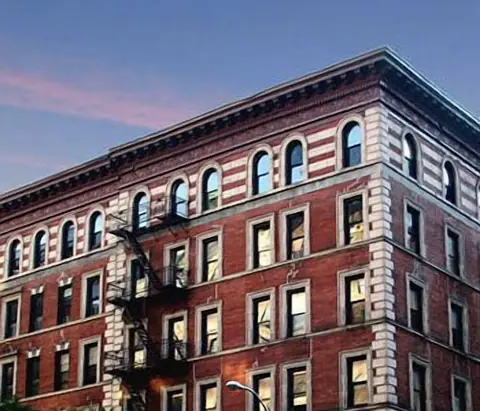 ★★ 2-star
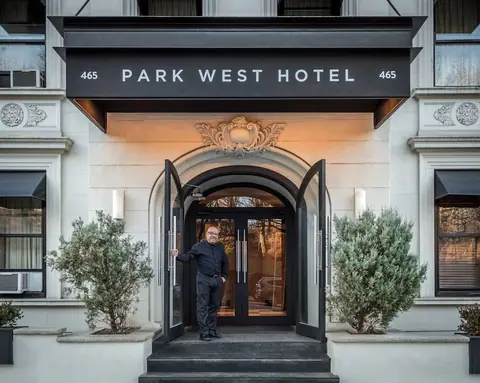 ★★★ 3-star
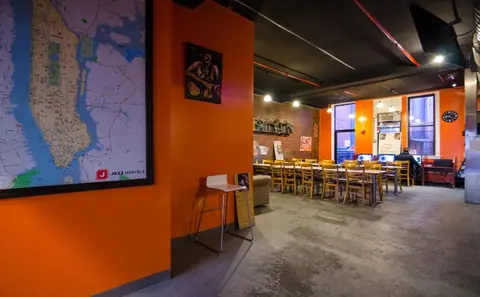 ★★★ 3-star
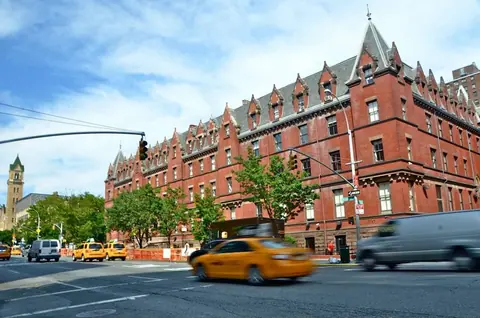 ★★ 2-star
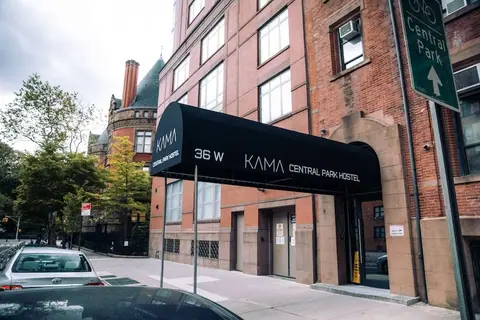 ★ 1-star