- Bounds
- 59th to 96th Streets, east of the park
- Neighborhoods
- Lenox Hill, Carnegie Hill, Yorkville, Roosevelt Island
- Sights
- Museum Mile and Central Park's east edge
- Getting around
- Subway, buses, Roosevelt Island tram
The character of the zone
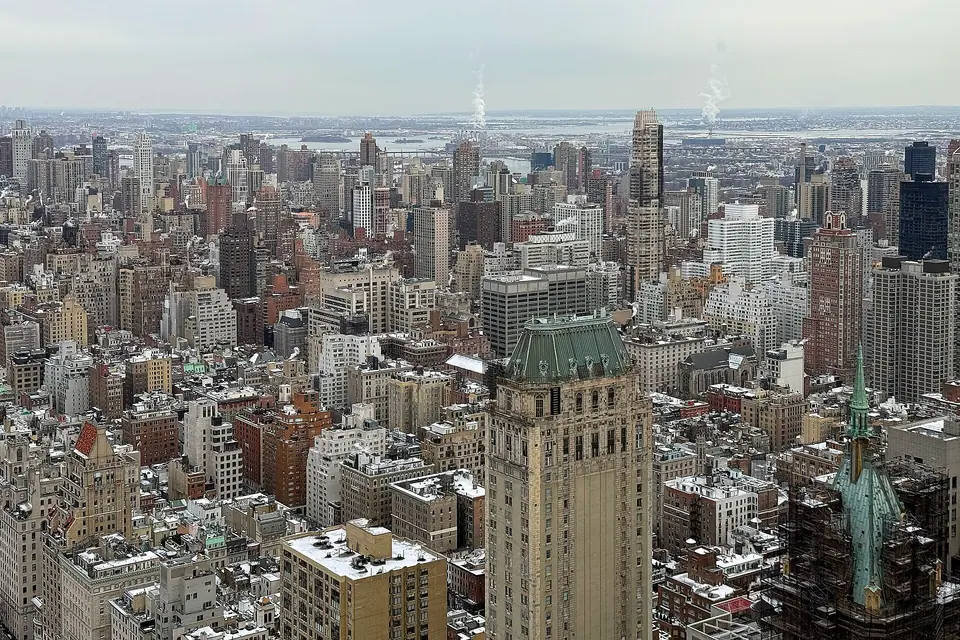
The Upper East Side occupies the blocks east of Central Park from 59th Street to 96th Street, a stretch that mixes large apartment houses, embassy buildings, museums and ordinary residential streets. It is one of the calmest parts of Manhattan to walk: the avenues carry traffic and shops, while the side streets between them stay quiet through the day. The zone's western edge is parkland; its eastern edge is the East River, where Yorkville's low blocks meet Carl Schurz Park and the waterfront path. Streets are numbered, so a walk north along any avenue is easy to follow.
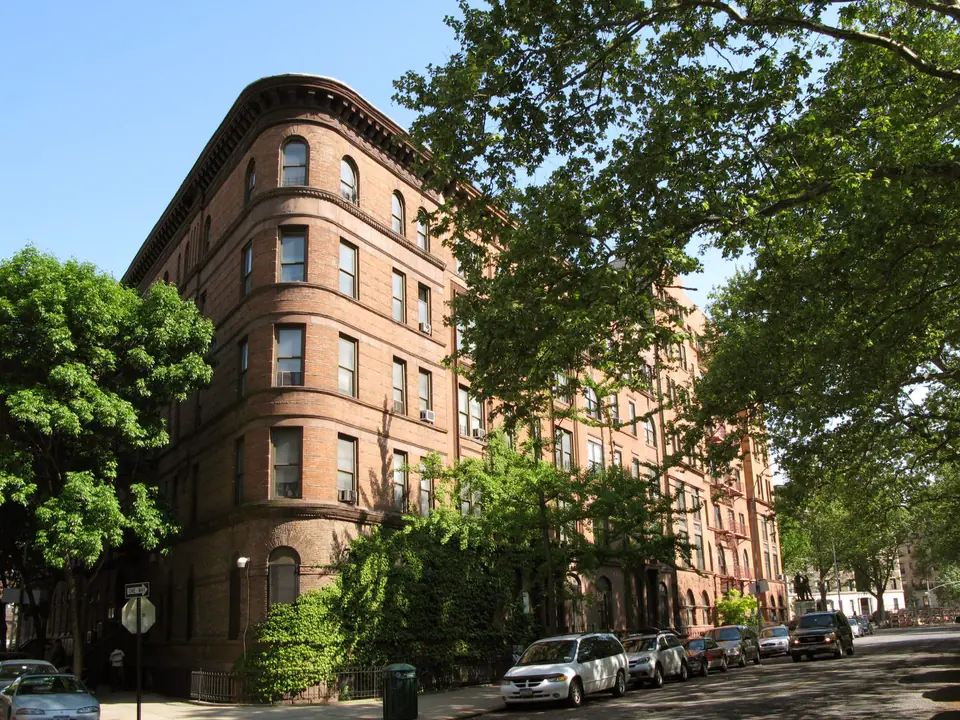
The area grew as a residential district in the late nineteenth and early twentieth centuries, and much of its building stock dates from that period. That history shows in the scale of the streets: rows of townhouses, churches, private schools and a few large institutions, packed into a compact grid. Fifth Avenue along Museum Mile is the busiest stretch for visitors. Two blocks east, Lexington Avenue handles everyday shopping and the subway. The result is a zone that feels residential first and touristic second, even in high summer. Several stretches are protected as historic districts.
How the neighborhoods differ
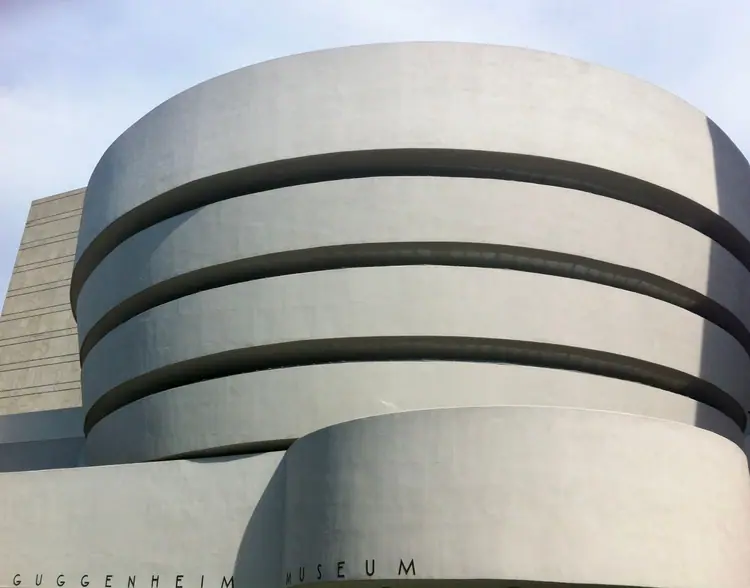
Lenox Hill covers the southern part of the zone, roughly 60th to 77th Street between Madison and Lexington Avenues, with the Frick and the park's east side close at hand. It is the busiest part of the Upper East Side for visitors, with the most shops and the easiest walk into Midtown. Carnegie Hill begins around 86th Street and runs to 96th Street, holding Museum Mile's quieter blocks around the Guggenheim and the Cooper Hewitt. Its side streets, townhouses and small schools feel removed from the avenues, and the pace drops north of 86th Street.
Yorkville fills the blocks east of Lexington Avenue up to 96th Street, a residential grid of walk-ups and larger apartment buildings with Carl Schurz Park and the East River promenade at its edge. It has few sights of its own, which keeps it calm, and a strong everyday shopping strip along First and Second Avenues. Roosevelt Island sits in the East River, reached by subway or by the aerial tramway from 59th Street. Its narrow length is mostly parkland and housing, with long views back to both shores of Manhattan and quiet paths along the water.
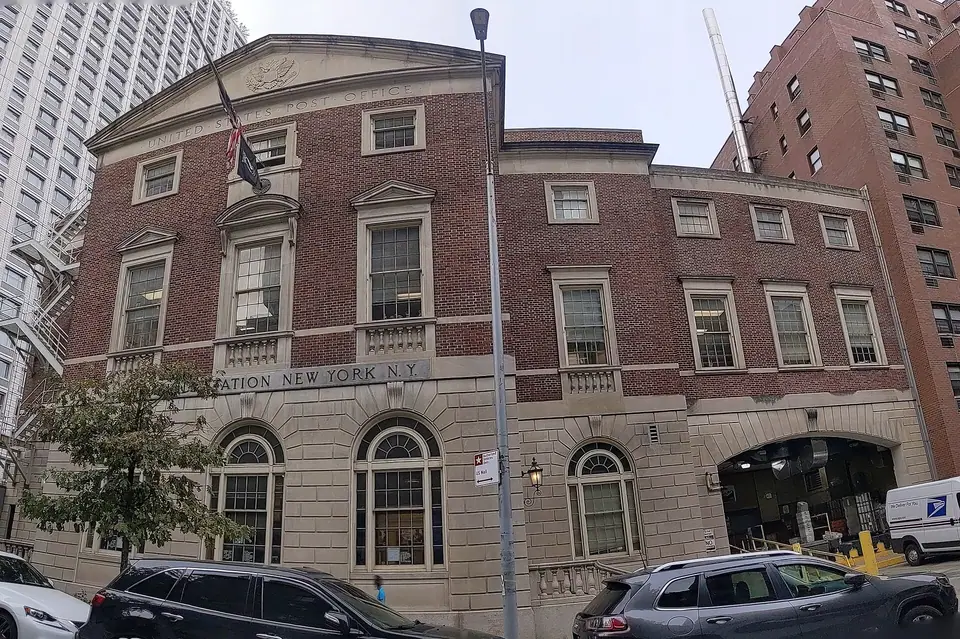
- Lenox Hill holds the busiest blocks, with Madison Avenue shops and a short walk to Midtown offices.
- Carnegie Hill is the quietest part of Museum Mile, with townhouses and small museums on side streets.
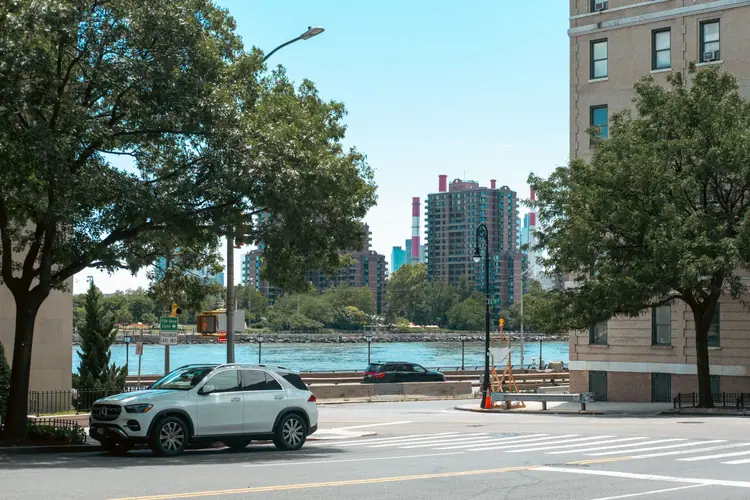
- Yorkville is residential and practical, with grocery shopping, schools and the river path at Carl Schurz Park.
- Roosevelt Island is reached by subway or tram and suits a half day of walking and views.
Getting around and distances
Subway stations line Lexington Avenue for the full length of the zone, and a second line runs under Second Avenue as far as 96th Street. Crosstown buses cross Central Park on several streets, which makes the park's east side easy to reach from the West Side. Roosevelt Island has its own subway stop, and the tramway from 59th Street crosses in a few minutes. Service patterns change, so check the current subway and bus information before a weekend trip. Allow extra time for crosstown walking, since the blocks between avenues are long.
Distances inside the zone are short by Manhattan standards: the walk from 59th Street to 96th Street along the park is a long but level stretch, and the grid makes navigation simple once you learn that Fifth Avenue divides east from west. Most visitors cover Lenox Hill and Museum Mile on foot and use a crosstown bus for the return. Taxis and ride apps are easy to find on the avenues. Traffic below 60th Street is subject to congestion pricing, and crossing the park by car can be slow at any hour.
Sights and where to find them
The Metropolitan Museum of Art anchors Museum Mile on Fifth Avenue at 82nd Street, with the Guggenheim and the Cooper Hewitt a short walk north and the Frick in Lenox Hill to the south. Museum Mile runs roughly from 82nd to 105th Street. Central Park's east side is free and open, with the reservoir, the Great Lawn and the paths along Fifth Avenue within easy reach. Allow more time than expected for the larger museums, and check opening days, since several close one day a week. The larger collections reward an early start, and weekday mornings are usually calmer than weekends.
Beyond the zone's own sights, a short walk or ride opens up much of Manhattan. The American Museum of Natural History is on the park's west side at 79th Street, MoMA and the Theater District sit below the park, and Grand Central Terminal is a straightforward crosstown trip. Observation decks at several Midtown towers need booking ahead. The Intrepid Museum, on the Hudson at the West Side, is a longer ride but easy by crosstown bus. Roosevelt Island's waterfront adds a quieter hour at the end of a museum day.
- The Metropolitan Museum of Art on Fifth Avenue at 82nd Street is the zone's largest sight.
- Museum Mile runs along Fifth Avenue from roughly 82nd to 105th Street, with several museums on it.
- Central Park's east side is free, with the reservoir and the Great Lawn a short walk from the avenue.
- Grand Central Terminal and the Theater District are a short crosstown ride away.
- Roosevelt Island is reached by subway or tram and rewards a half day of walking.
Who should stay here
The Upper East Side suits travelers who want museums, park time and quiet evenings rather than nightlife. Families do well here: Central Park is at the door, the streets are calm, and crosstown buses shorten the trips. It is also a good base for a first visit that centers on art and architecture. Hotels cluster along Lexington and Park Avenues and the side streets between them. Travelers who want late-night bars, clubs and restaurant crowds will find more of that downtown, though the zone has plenty of places to eat along the avenues.
Book with the total price in mind, since city and state taxes and a per-night charge are added to room rates, and some buildings add a facility fee. Museum tickets can be bought ahead for a set time, which saves standing in line. December is the busiest period and January to early March the quietest. Restaurant reservations matter most on weekend evenings in December. The park and the waterfront promenade are free at any hour, which makes them useful for a low-cost morning.
Keep reading
A Guide to the Upper East Side: questions
Which neighborhoods make up the Upper East Side?
The zone takes in Lenox Hill, from 60th to 77th Street around Madison and Lexington Avenues, Carnegie Hill with the quieter stretch of Museum Mile from 86th to 96th Street, Yorkville east of Lexington Avenue, and Roosevelt Island in the East River. Names follow the city's planning areas, so borders can feel loose on the ground.
How do you get around the Upper East Side?
Subway stations line Lexington Avenue through the zone, and another line runs under Second Avenue to 96th Street. Crosstown buses cross Central Park on several streets, which helps for sights on the park's west side. Roosevelt Island has a subway stop and the tramway from 59th Street. Check current service before a weekend trip, since diversions are common.
Is the Upper East Side a good base for a first visit to Manhattan?
Yes, if art and parks are the priority. The Metropolitan Museum of Art, Central Park's east side and Museum Mile fill two or three days, and Midtown is a short ride south. The zone is quiet at night, so travelers who want late bars and clubs may prefer to stay downtown and visit the Upper East Side by day.
Where is Museum Mile on the Upper East Side?
Museum Mile is the stretch of Fifth Avenue that runs along Central Park's east edge, roughly from 82nd Street to 105th Street. The Metropolitan Museum of Art sits at 82nd Street, with the Guggenheim and the Cooper Hewitt further north. It is a name for an avenue rather than an official district, so the museums are simply part of the Upper East Side grid.
Can you visit Roosevelt Island from the Upper East Side?
Roosevelt Island is part of the zone and easy to reach. A subway line stops on the island, and the aerial tramway from 59th Street crosses the East River in a few minutes. The island is small enough to walk in a morning, with long views back to both shores. Check current operating times before setting out.
When is the best time to visit the Upper East Side?
Spring and autumn are the mildest seasons, and Central Park's autumn color usually peaks in early to mid November. December is the busiest holiday period, when Fifth Avenue window displays and museum queues draw crowds, while January to early March is usually the quietest. Summer is hot and humid, so plan museum time in the middle of the day.
Are there free things to do on the Upper East Side?
Central Park is free to enter, and its east side is a short walk from Fifth Avenue. Carl Schurz Park and the East River promenade in Yorkville cost nothing, and walking the streets of Carnegie Hill is a free way to see townhouses and churches. Museum admission is separate, so check opening days and timed entry before you go.
What should you check before booking a hotel on the Upper East Side?
Hotel bills in New York City add state and city taxes and a per-night occupancy charge to the room rate, and some hotels add a facility or destination fee. Ask for the total price with taxes and fees before booking, and confirm cancellation terms and the room type. Rooms facing the avenues are louder.
Neighborhoods in Upper East Side
Top-rated stays
 ★★★★★ 5-star
 ★★★★★ 5-star
 ★★★★★ 5-star
 ★★★★★ 5-star
 ★★★★★ 5-star
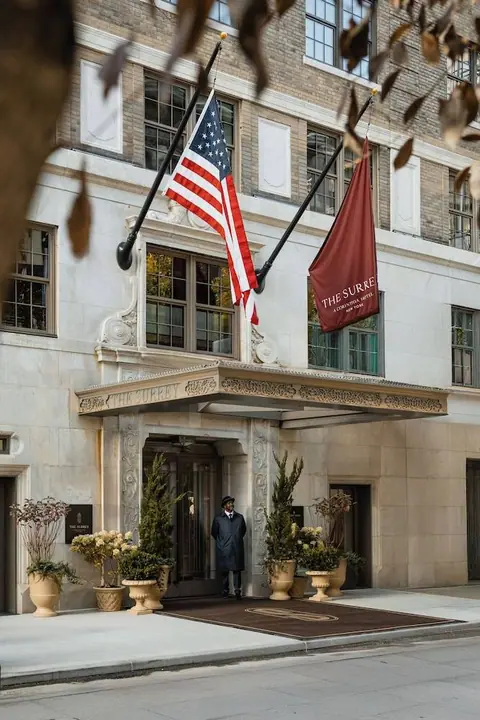 ★★★★★ 5-star
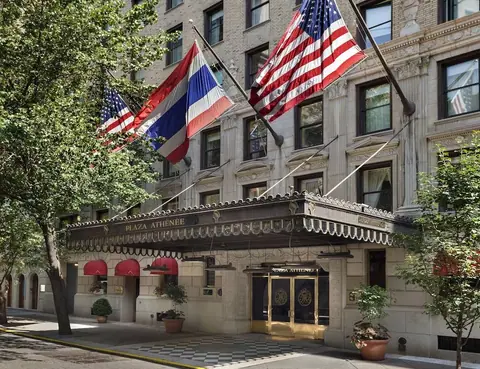 ★★★★★ 5-star
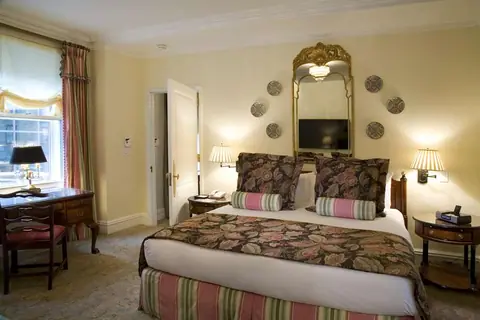 ★★★★ 4-star
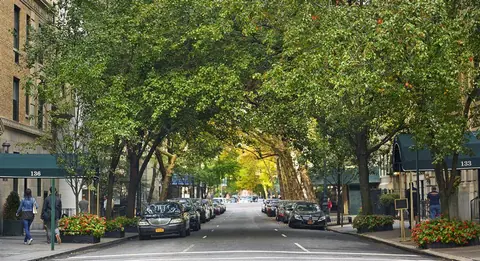 ★★★ 3-star
The Gardens Sonesta ES Suites New York
Lenox Hill4.2Guest score from the booking supplier · 539 reviews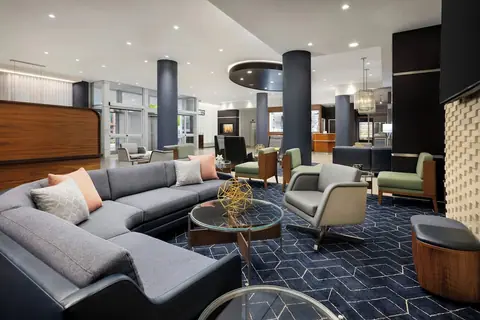 ★★★ 3-star
Courtyard by Marriott New York Manhattan Upper East Side
Yorkville3.9Guest score from the booking supplier · 1430 reviews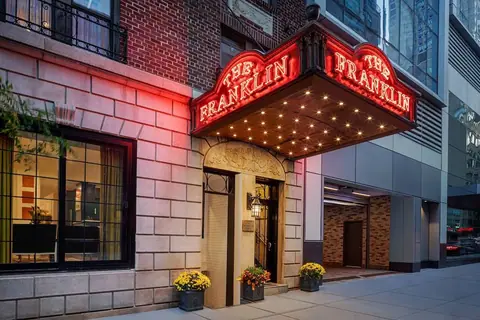 ★★★ 3-star